The Quiet Power of Negative Space in Monochrome Photography
In the world of monochrome photography, silence speaks volumes. When we remove color, we are left with form, tone, and the spaces in between, the pauses that give rhythm to our visual sentences. Among these elements, negative space holds a quiet, transformative power. It’s the breath between shapes, the calm that gives tension its meaning, and the subtle balance that defines visual harmony.
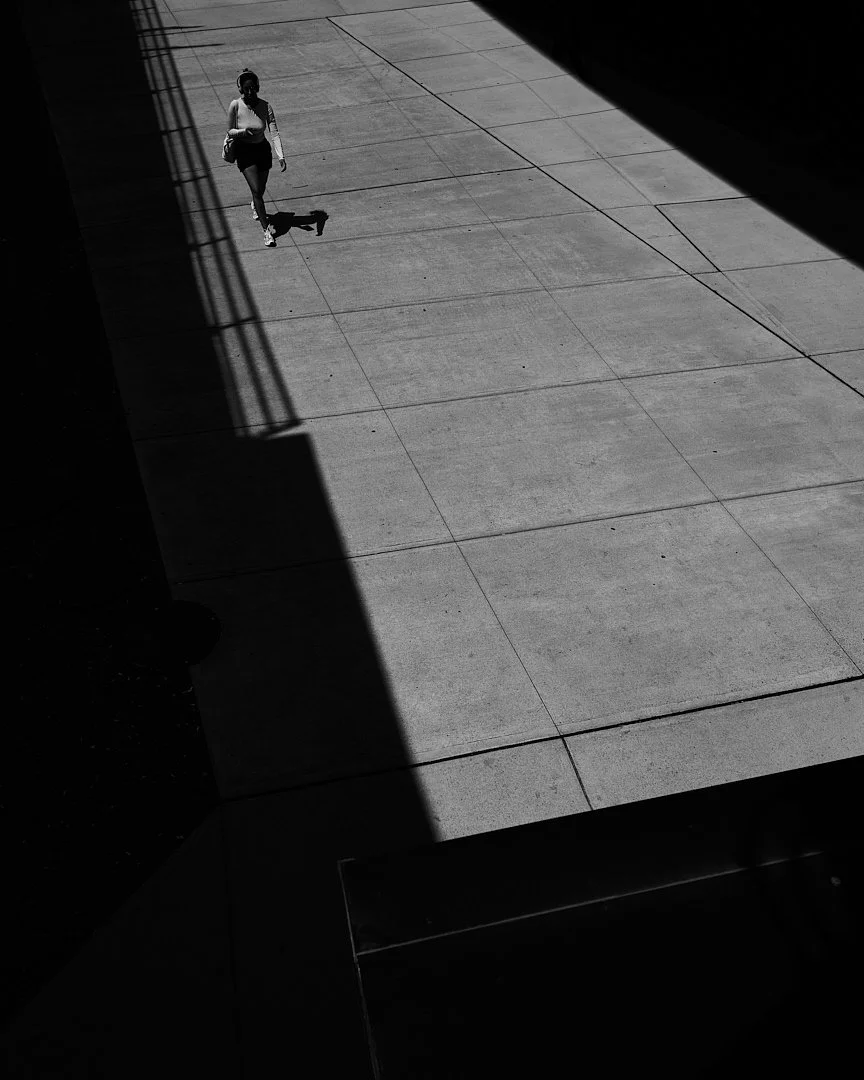
What Is Negative Space and Why It Matters More in Monochrome
Negative space is the area that surrounds your subject the “empty” parts of an image that, paradoxically, give it structure and focus. In color photography, vivid hues often compete for attention. But in black and white, there’s nowhere to hide. Every shape, every shadow, every fraction of light carries weight.
When you simplify an image to grayscale, the relationship between subject and space becomes clearer and more poetic. The void begins to speak.
Silence as Composition
Think of negative space not as emptiness, but as silence a deliberate pause in a visual conversation. In monochrome work, that silence is amplified. It helps the eye rest, breathe, and move with purpose.
By giving your subject room to exist, you create a sense of solitude, serenity, or even isolation. Whether it’s a lone tree against a white sky, a figure dwarfed by architecture, or a single beam of light in a darkened room, negative space transforms simplicity into emotion.
In black and white, less isn’t only more it’s meaning.
Balancing Light and Absence
Light defines form, but absence defines meaning. The interplay between filled and unfilled space is what turns a photograph from documentation into meditation.
Use the background as a character. The sky, a wall, or an expanse of shadow isn’t just backdrop it’s dialogue.
Experiment with minimalism. Reduce your frame until only the essential remains. Ask: Does this element add or distract?
Embrace asymmetry. Negative space doesn’t have to be balanced. Uneven composition often feels more dynamic and emotionally honest.
Every frame becomes a question of balance how much silence is enough?
Emotional Resonance Through Restraint
Negative space evokes emotion precisely because it withholds. It asks the viewer to lean in, to participate. That restraint mirrors the emotional core of monochrome photography: the beauty of what’s not said.
A portrait framed within emptiness can express loneliness or peace. A still life surrounded by shadow can suggest reverence or decay. The emotional tone emerges not from abundance, but from restraint from the quiet confidence to say this is enough.
Learning to See the Space Between
To master negative space, train yourself to see what isn’t there. When composing, ask:
What happens if I remove one more element?
Where does the eye rest and where does it wander?
Does this frame feel calm, or cluttered?
Shoot wide, then crop deliberately. Study your contact sheets or digital thumbnails in miniature the strongest compositions often reveal themselves at a distance. Over time, you’ll start to sense when a frame feels balanced by absence.
In the End, Silence Speaks
Negative space is not an accident; it’s an act of intention. It’s the photographer’s way of saying that quiet has value that stillness is part of the story.
In black and white, where every tone becomes a choice, that quietness resonates even louder. It reminds us that photography isn’t only about what we show, but also about what we choose to leave unsaid.