How to Crop Monochrome Images for Maximum Impact
In monochrome photography, every line, shape, and shadow carries more weight than in color. Without the distraction of hues, your composition becomes your primary storytelling tool and cropping is one of the most powerful ways to refine it.
A well cropped image can elevate a photograph from good to timeless. But how do you choose the right aspect ratio, and when is cropping a creative tool versus a compromise? Let’s dive in.
Why Cropping Matters in Monochrome
Monochrome strips away color, leaving only:
Contrast: Light and dark shapes define your composition.
Texture: Every detail from the roughness of bark to the subtle folds in fabric becomes more prominent.
Form and Shape: Geometry, lines, and patterns drive the eye through the frame.
Cropping is not just about fitting your image into a standard size; it’s about enhancing these elements. In black and white photography, even slight adjustments can dramatically affect mood, tension, and balance.
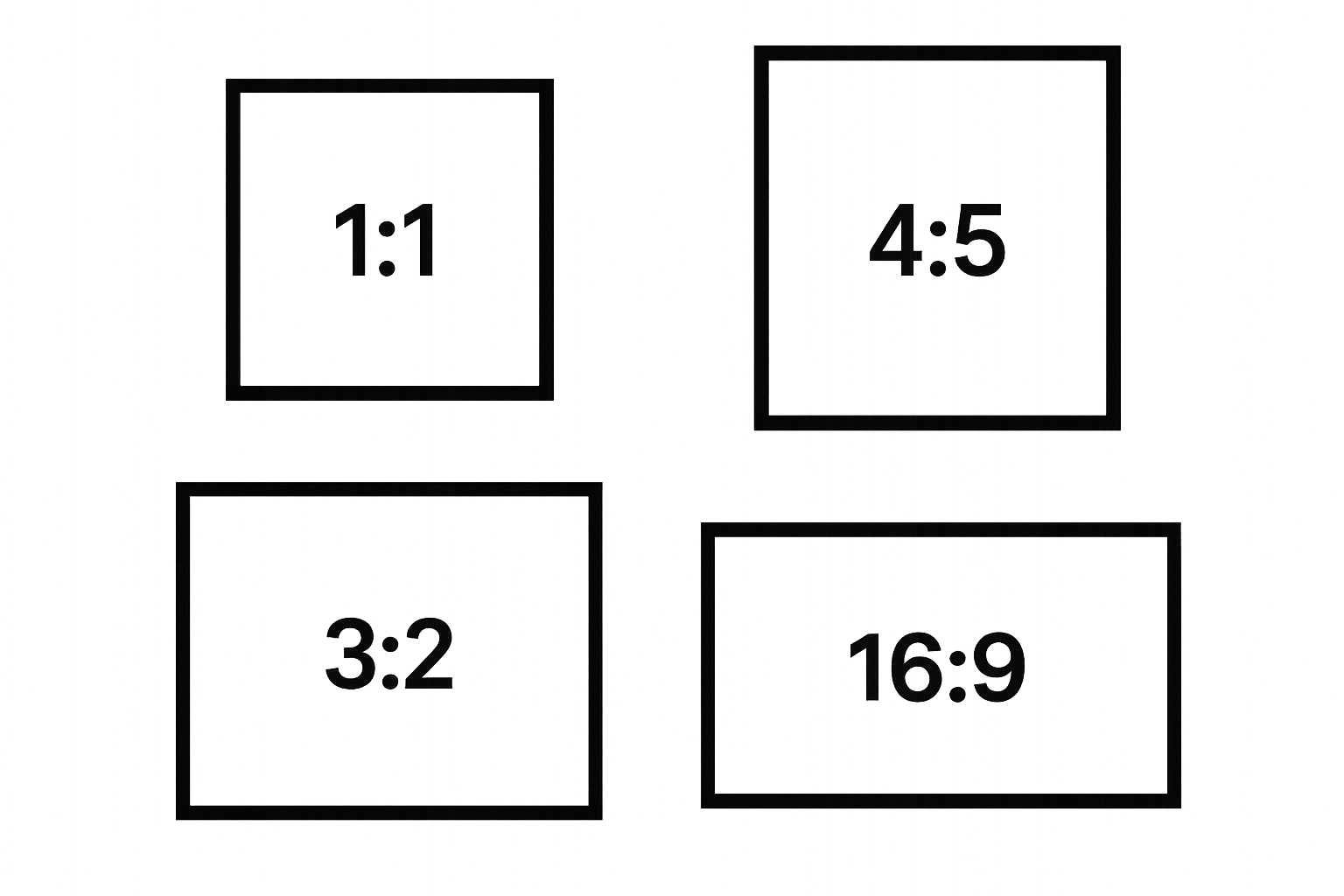
Choosing the Right Aspect Ratio
The aspect ratio the width to height relationship of your image influences how viewers perceive your composition. Here’s a quick guide:
1. Square (1:1)
Perfect for: Minimalism, abstract forms, and symmetry.
Why it works: The square focuses attention on the central subject and removes directional bias. It’s great for abstract textures, portraits, or architectural shots where symmetry matters.
Tip: Use the square to emphasize balance and central composition.
2. Standard (3:2 or 4:3)
Perfect for: Traditional landscapes, street photography, or classic portraits.
Why it works: These ratios mirror the dimensions of most cameras, preserving the original framing while still allowing subtle compositional tweaks.
Tip: Slight adjustments in cropping can remove distractions at the edges and emphasize your subject.
3. Vertical (4:5)
Perfect for: Portraits, social media posts, and tall compositions.
Why it works: The 4:5 ratio fills more vertical space on mobile screens, giving your subject prominence and making your photo stand out in feeds.
Tip: Keep important elements toward the center and use negative space strategically it’s a powerful ratio for storytelling in black and white imagery.
4. Panoramic (16:9, 2:1)
Perfect for: Wide landscapes, cityscapes, or storytelling compositions with multiple subjects.
Why it works: A wide aspect emphasizes the horizon, lines, and spatial relationships. In monochrome, this is ideal for showcasing tonal gradations across a scene.
Tip: Make sure the crop doesn’t isolate your subject too far from the context the story can get lost in overly wide formats.
Final Thought
In monochrome photography, cropping isn’t just a technical step it’s a creative decision. The right ratio can amplify the drama of shadows, the elegance of lines, and the story within your frame. By paying attention to aspect ratios and the way you guide the viewer’s eye, you can turn a simple black and white photo into a striking, intentional work of art.