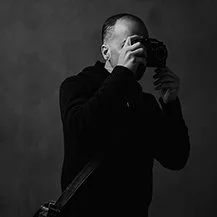
Learn the Language of Photography: The Secrets Behind the Craft Series
Photography as a Language
Photography is more than seeing it’s speaking. Every image, whether conscious or instinctive, says something. It has tone, rhythm, and emotion. Yet many photographers spend years learning how to use their cameras, without ever learning how to speak the language of the medium itself.
The language of photography isn’t written in words it’s spoken through light and shadow, balance and rhythm, gesture and time. These are the hidden grammar and vocabulary behind every great image. When you learn to recognize and use them intentionally, your photographs stop being technical achievements and start becoming visual expressions.
The Difference Between Technique and Language
Technique teaches us how to use a camera.
Language teaches us what to say and how to mean it.
You can master exposure, aperture, and post processing and still feel your work lacks voice. That’s because photography, like any language, requires fluency the ability to think and feel in its native form. Once you understand its vocabulary, you begin to make choices with clarity and purpose: this light, not that one; this angle, because it says more.
Why Learning the Language Matters
When you start to speak photography fluently:
You stop copying what you’ve seen and start expressing what you feel.
Your compositions become intentional instead of accidental.
You begin to understand why certain images speak and why others fall silent.
Fluency gives you freedom. It allows you to move beyond formulas and find your own accent, your own rhythm, your own way of saying something true.
Introducing the Series
This series Learn the Language of Photography: The Secrets Behind the Craft explores the hidden vocabulary that shapes the medium. Each post will focus on one visual “word” that photographers use to communicate meaning.
We’ll look beyond the technical definitions and uncover what each concept feels like how it moves, whispers, and resonates in the frame.
Here’s a glimpse at what’s coming:
Light The first and purest voice of photography.
Shadow The art of saying less to mean more.
Balance The quiet structure of visual harmony.
Focus The language of attention and intention.
Space The pause between thoughts.
Time The invisible presence within every frame.
Gesture The rhythm that breathes life into stillness.
Each part will reveal how these ideas function not just technically, but emotionally how they give your work depth and voice.
An Invitation
As we move through this series, think of photography not as a tool, but as a tongue one spoken in tones and textures rather than syllables.
Ask yourself: What am I trying to say, and how can my images say it for me?
Because once you learn to speak the language of photography, you’ll discover the greatest secret of all the photograph isn’t the message; you are.