What is The Monochrome Mind? Do You Have it?
To see in monochrome is to think in form to strip away the noise and find what truly defines the image. The Monochrome Mind is not about removing color; it’s about removing distraction.

What Is the Monochrome Mind?
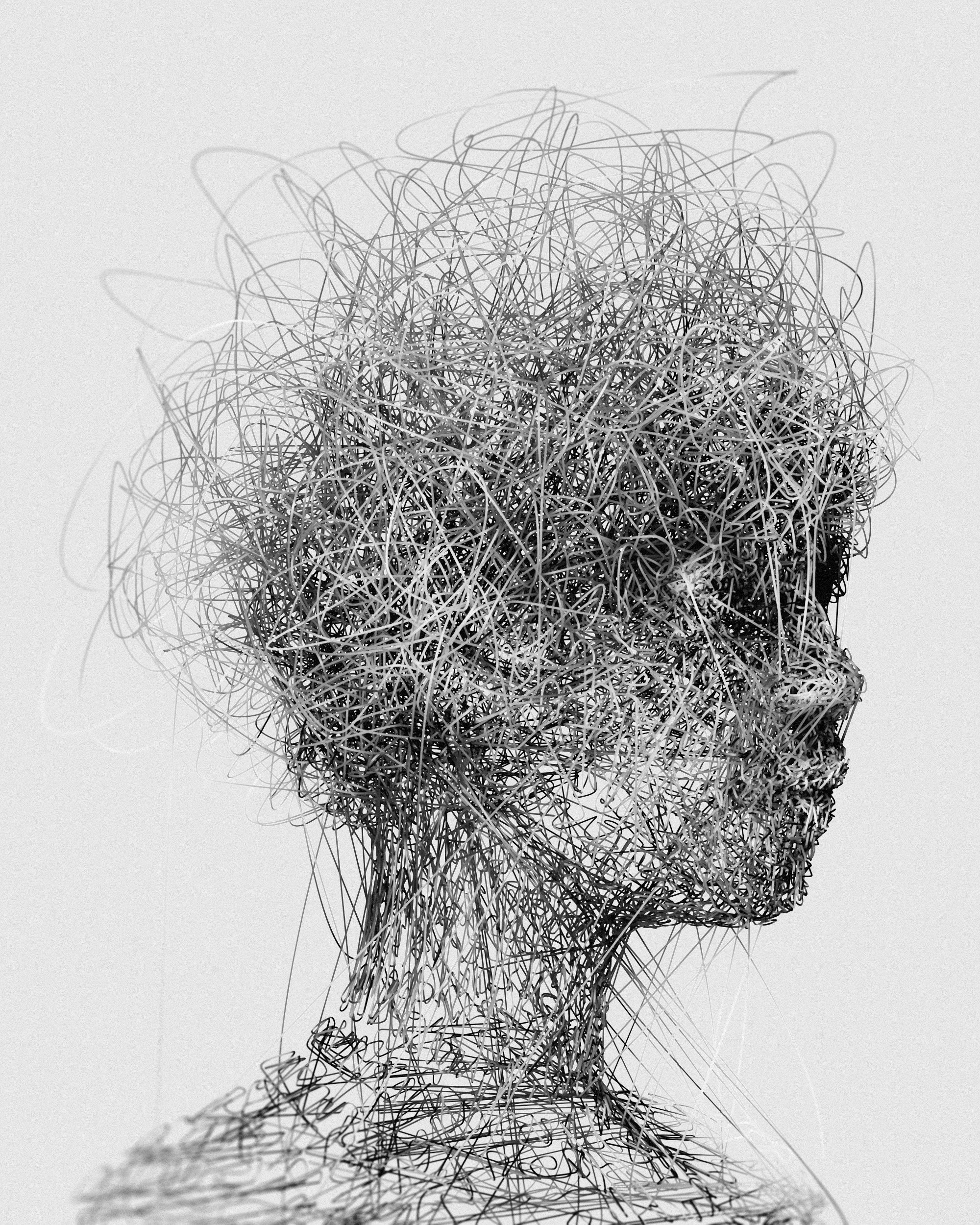
The Monochrome Mind isn’t a camera setting it’s a way of perceiving. It’s the ability to see beyond color, to recognize how light, shape, texture, and emotion form the true architecture of an image. When we photograph in black and white, we’re not subtracting hues; we’re distilling reality to its essence. The Monochrome Mind looks past the surface to feel contrast, to sense rhythm, to notice the quiet tension between light and shadow. It’s a kind of mindfulness a shift from decoration to definition. Where color seduces, monochrome reveals.
Why It Matters
Most of us see the world through layers of distraction. Advertising, color, and motion compete endlessly for our attention. The Monochrome Mind resists that noise. It asks what’s underneath.
To think in monochrome is to ask:
What is this moment really about?
What remains when everything unnecessary is stripped away?
What emotion is hidden in this light?
In this sense, monochrome photography becomes an act of clarity of distillation, not decoration. It’s not about making less; it’s about revealing more.
How to Develop the Monochrome Mind
Cultivating this way of seeing has little to do with gear or filters. It’s about training perception the quiet awareness that essence lives beneath appearance.
1. See Light, Not Color
When you look at a scene, pause and ask: Where does the light fall? What shape does it create? Try to imagine how it would translate into tone from white to gray to black. Learn to see the structure of light, not its hue.
2. Slow Down
The Monochrome Mind moves at the speed of attention. Study the geometry of a shadow, the texture of a wall, the way light wraps a face. Slowness sharpens the eye and quiets the ego.
3. Think in Contrast
Notice tension between light and dark, stillness and movement, presence and absence. These opposites give monochrome its pulse. Photography, like life, thrives in contrast.
4. Embrace Simplicity
The fewer elements in the frame, the clearer the message. Ask: What belongs here? What distracts? Minimalism isn’t emptiness it’s precision.
5. Listen to Silence
Photography is a form of visual listening. To develop a Monochrome Mind, you must learn to hear with your eyes to sense atmosphere and emotion that exists beyond words or color cues.
Try This:
If your camera allows it, switch your viewfinder or live view to monochrome mode.
You’ll begin to see as your sensor sees — not through the distraction of color, but through the dialogue of tone and form.
It’s a small change that teaches your eye to think differently, even when you return to color later.
Living in Monochrome
Over time, the Monochrome Mind extends beyond photography. You begin to see differently noticing subtleties others overlook. The way light touches a building. The weight of a quiet moment. The calm geometry of an empty space.
In a loud, colorful world, this mindset becomes a form of resistance a way to stay still, observant, and sincere.
Final Reflection
To think in monochrome is to live with awareness. It’s to accept that truth rarely lives in pure black or white, but in the infinite tones between. When you begin to see in that way not only with your eyes but with your whole being you’ve begun to develop The Monochrome Mind.