Is Black and White Just a Filter?
If the first time you decide to shoot in black and white is when you are editing the image it is already too late.
Someone asked us recently whether black and white is sometimes treated as a filter or a mood rather than a genuine creative decision and how you know when a subject actually calls for monochrome versus when a photographer is just using it as a crutch.
It is one of the best questions we have been asked in a while. Because the honest answer is that for a significant number of photographers working in black and white today the answer is yes. It is a filter. And that matters more than most people in the monochrome community want to admit.
The filter problem
A filter is a surface treatment. It changes how an image looks without changing what it says. It adjusts the appearance of something that already exists rather than shaping how that something came to exist in the first place.
When photography moved onto phones and social platforms a generation of photographers grew up applying filters as a finishing step. You made the image and then you chose how it looked. Warm and golden. Faded and vintage. High contrast black and white. The filter did not change the photograph. It changed the feeling of the photograph after the fact. It was decoration.
Black and white carried into that culture and it brought its cultural baggage with it. Serious photography. Fine art. Documentary truth. The great photographers of the twentieth century. When you apply monochrome to an image you borrow those associations whether you have earned them or not. The image looks like it belongs to a serious tradition even if it does not. That borrowed gravity is the appeal of the filter. It is also the problem with it.
Because a filter applied to a weak image does not make it strong. It makes it a weak image in black and white. A poorly composed photograph with flat light and an uninteresting subject does not become a compelling photograph when you remove the color. It becomes a poorly composed photograph with flat light and an uninteresting subject that is also in black and white. The conversion adds nothing that was not there. It only removes what was.
The argument against conversion
Converting a color image to black and white in post processing is not the same thing as making a black and white photograph. It can look the same. Sometimes it looks very good. But the process is different and the process matters because it shapes everything that happened before the image was made.
When you shoot in color and convert in post you are making a color photograph. Your eye is working in color. Your decisions in the field are color decisions. You are noticing the warm light. You are responding to the red coat against the gray wall. You are positioning yourself relative to a scene that you are perceiving in full color. And then afterward you are changing the appearance of what you made.
The color version existed first. The black and white version is a translation of it. Sometimes translations are excellent. But a translation is not the same as writing in the language from the beginning and the difference shows in the work even when it is difficult to articulate exactly how.
The difference between seeing in black and white and converting to black and white
A photographer who makes the decision before they leave the house is doing something genuinely different. They are not thinking about a color scene that will later become monochrome. They are thinking in tonal relationships from the start. Light and shadow. The geometry of the frame. The texture of surfaces. The way a face will render when the color information is gone and only the structure remains.
They position themselves differently relative to the light. They look for shadow and highlight relationships that a color photographer would not prioritize. They wait for a different kind of moment. They are drawn to different subjects because they are asking a different question. Not what does this look like but what does this feel like when everything that is not light and dark has been removed.
These are not post processing decisions. They are field decisions. They change what you point the camera at, when you press the shutter, and what you walk past without raising the camera at all. The image that results from this kind of seeing is genuinely different from the image that results from color shooting followed by monochrome conversion even when the subject and the location are identical.
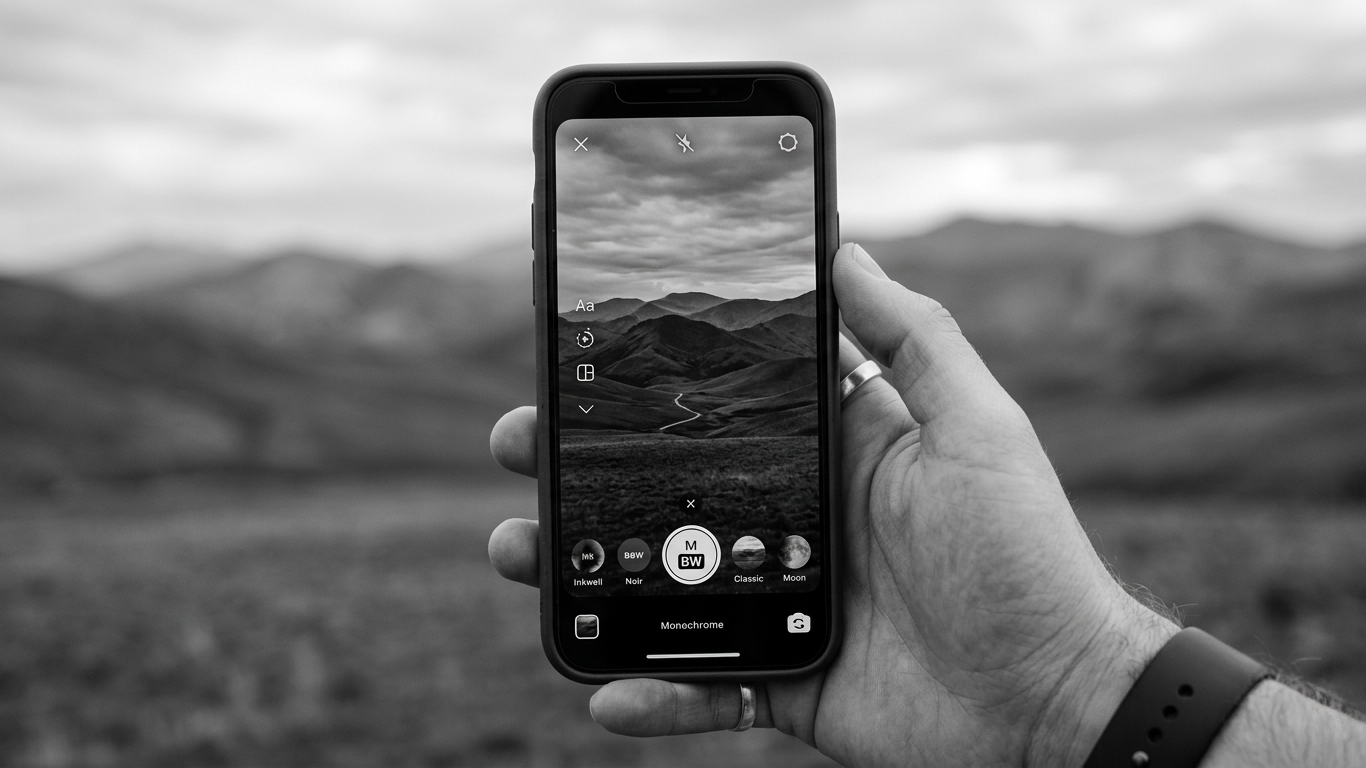
The photographer who shoots with their camera display set to show a black and white image while they are shooting is not doing this for aesthetic reasons. They are doing it because they want their eye to work in monochrome while they are in the field. They want to see the tonal relationships before the image is captured not after. They want the decision to shape the seeing rather than be applied to the result of it.
That is the whole difference. And it is not a small one.
What the decision actually is
Making the decision before you shoot means asking a specific question before you raise the camera. Not does this look good in black and white. But is color serving this image or competing with it. Is the color telling the story or getting in the way of it. Is this a subject that is revealed by tonal contrast and shadow or is color part of what makes it true.
When the answer is that color is competing with the subject, when the warm light is pulling the eye away from the face, when the saturated background is telling a different emotional story than the person standing in front of it, then black and white is not a filter. It is an editorial decision. You are removing what was working against the image.
When the answer is that color is the subject, when the amber of late afternoon light is what the image is about, when the field of wildflowers exists as a color phenomenon and nothing else, then converting to black and white is not a creative decision. It is a denial of what was actually there.
And when the answer is nothing specific, when you are converting because it feels more artistic or more serious or because you prefer the look, then you are applying a filter. The fact that you are doing it in Capture One instead of Instagram does not change what it is.
Try this
The most useful thing you can do if you want to understand the difference is to go out for a full session with your camera display set to show a black and white image while you are shooting. Not to convert afterward. To see in black and white while the world is in front of you.
Notice what changes. Notice which subjects you are drawn to and which you walk past. Notice how differently you think about the light. Notice how much more attention you pay to shadow and texture and the geometry of the frame when color is not available as information.
That experience will tell you more about what black and white actually is than any amount of post processing practice. Because it puts the decision where it belongs. Before the image. Not after it.