What Rembrandt Knew About Light That Most Photographers Don't
Photographers study photographers. The lessons that actually built the craft came from painters first.
Most photographers study other photographers. That makes sense on its face, the medium is young enough that its masters are still within living memory, and their work speaks directly to the specific problems a camera creates.
But the deeper problem every portrait photographer faces, how do you make a flat, two dimensional surface hold the weight and depth of a real human face, using nothing but light and shadow, was solved centuries before the camera existed. Painters solved it. And one painter in particular solved it so completely that photographers are still using his name for the technique, whether they know it or not.
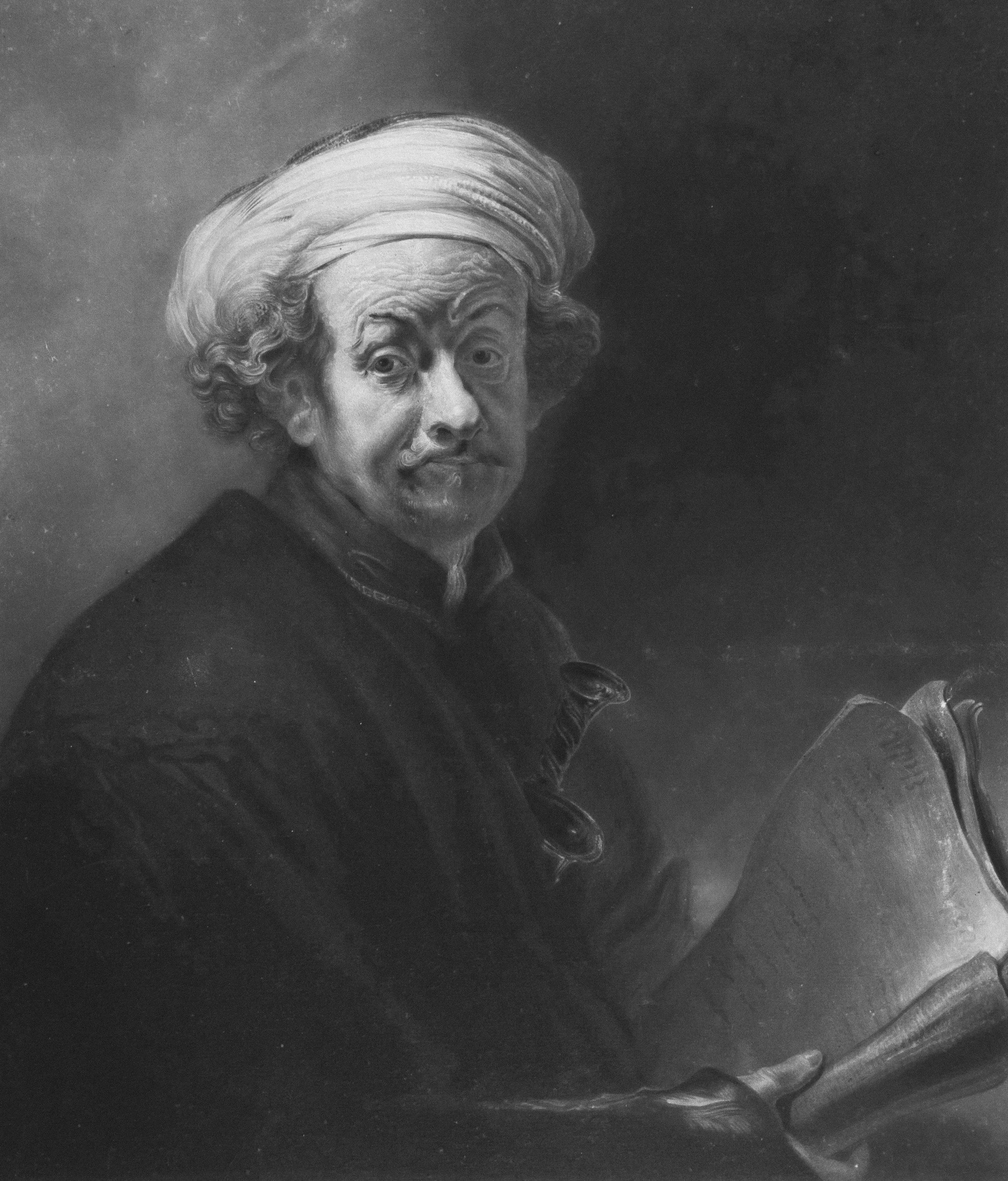
@metropolitanmuseum
The triangle that carries his name
Rembrandt lighting is a real, formally taught lighting setup in modern photography, and it is exactly what it sounds like, a technique named directly after the seventeenth century Dutch painter because he used it so consistently and so effectively that it eventually became the standard.
The setup itself is simple to describe. A single light source positioned at roughly forty five degrees above and to one side of the subject's face. That angle produces a small, distinct triangle of light on the shadowed cheek, sitting just below the eye, bordered by the edge of the nose on one side and the edge of the shadow on the other. It is a tiny detail, a few square centimeters of light in an otherwise shadowed half of a face, and it does more work than almost any other single element in a portrait.
That small triangle is what separates a face that reads as flat from a face that reads as dimensional. Without it, the shadowed side of a face becomes a single undifferentiated block of darkness, and the portrait loses the sense that there is real structure, real bone and muscle, underneath the skin. With it, the eye understands instantly that it is looking at a three dimensional form, even though nothing about the photograph has actually changed except where the light was placed before the shutter opened.
Rembrandt did not have a camera, a light meter, or a flash. He had a window, and decades of paying close attention to exactly what happened to a face when light came from one direction and not another. That attention is the whole lesson, long before it became a formula anyone could name.
Chiaroscuro, and the courage to let most of the frame stay dark
Rembrandt worked inside a broader tradition called chiaroscuro, the deliberate use of extreme contrast between light and dark to create drama and volume. Caravaggio, working slightly earlier in Italy, pushed this even further, plunging most of a canvas into near total darkness and letting a single dramatic beam of light carry the entire composition. A figure would emerge from black, lit from one narrow source, everything else surrendered entirely to shadow.
This is worth sitting with directly, because it is a lesson we have circled before in this community from the photography side, but it arrived first from painters who never had the option of simply increasing exposure to see more. Darkness was not a limitation for painters like Caravaggio. It was a tool, used deliberately, to decide exactly what the viewer's eye was allowed to find and what it was not.
A modern portrait photographer working in black and white has every reason to borrow this courage directly. Not every part of a face or a frame needs to be visible. Sometimes the more powerful decision is to let half the composition disappear into true black and trust that the eye will do exactly what it always does when information is withheld, lean in closer, and stay longer.
What slow work teaches that a fast shutter never will
There is a less technical, more human lesson buried in how painters actually worked. A portrait sitting could take hours. A finished painting could take weeks. That timeline forced an intimacy with a subject's specific face that a sixtieth of a second simply does not require.
Painters did not apply a generic lighting formula and move on. They had time to notice exactly where this particular person's cheekbones caught light, where their specific jawline created a natural shadow, how the structure of one individual face differed from every other face they had painted before it. The technique existed in service of the person, not the other way around.
This is worth remembering the next time a portrait session feels rushed. The formula, Rembrandt lighting included, is a starting point, not a substitute for actually looking closely at the person in front of the camera and noticing what their particular face is doing with the light available.
The background painters chose to leave empty
One more habit worth borrowing directly. Classical portrait painters in the Dutch Golden Age tradition frequently painted their subjects against dark, undetailed, nearly featureless backgrounds. No scenery, no props, nothing competing with the face for the viewer's attention. The background existed only to let the light on the face carry the entire painting.
Photographers have more tools available now than a painter ever did, wider apertures, longer lenses, controlled studio backdrops, but the underlying principle has not changed at all. A background that is doing something interesting in its own right is very often a background that is quietly stealing attention from the only thing in the frame that actually matters.
Look at the paintings
None of this requires an art history degree or a trip to a museum you cannot easily get to. Rembrandt's portraits, Caravaggio's work, the broader Dutch Golden Age tradition, all of it is available to study closely online, frame by frame, the same way you would study a photographer whose work has influenced you.
The next time you are trying to solve a lighting problem in a portrait, consider looking somewhere other than another photographer's work for the answer. The person who actually solved it first never held a camera at all.