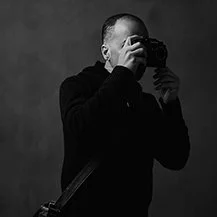
The One Subject You'll Never See Clearly
You have total access to what you're feeling and zero objectivity about your own face. That's the whole problem, and it's a genuinely interesting one.
Every genre we've talked about in this community involves pointing a camera outward. Toward light, toward a stranger you're working up the nerve to approach, toward a place you're returning to for the tenth time trying to understand it a little better. Self-portraiture reverses the entire relationship, and that reversal is a genuinely stranger and harder problem than it sounds.
You become both the photographer and the subject at once. Every instinct that makes a good portrait work, waiting for an unguarded moment, reading a face honestly, noticing what someone is actually feeling underneath what they're performing, has to be turned back on yourself. And most people, it turns out, are far better at reading honesty in someone else's face than in their own reflection.
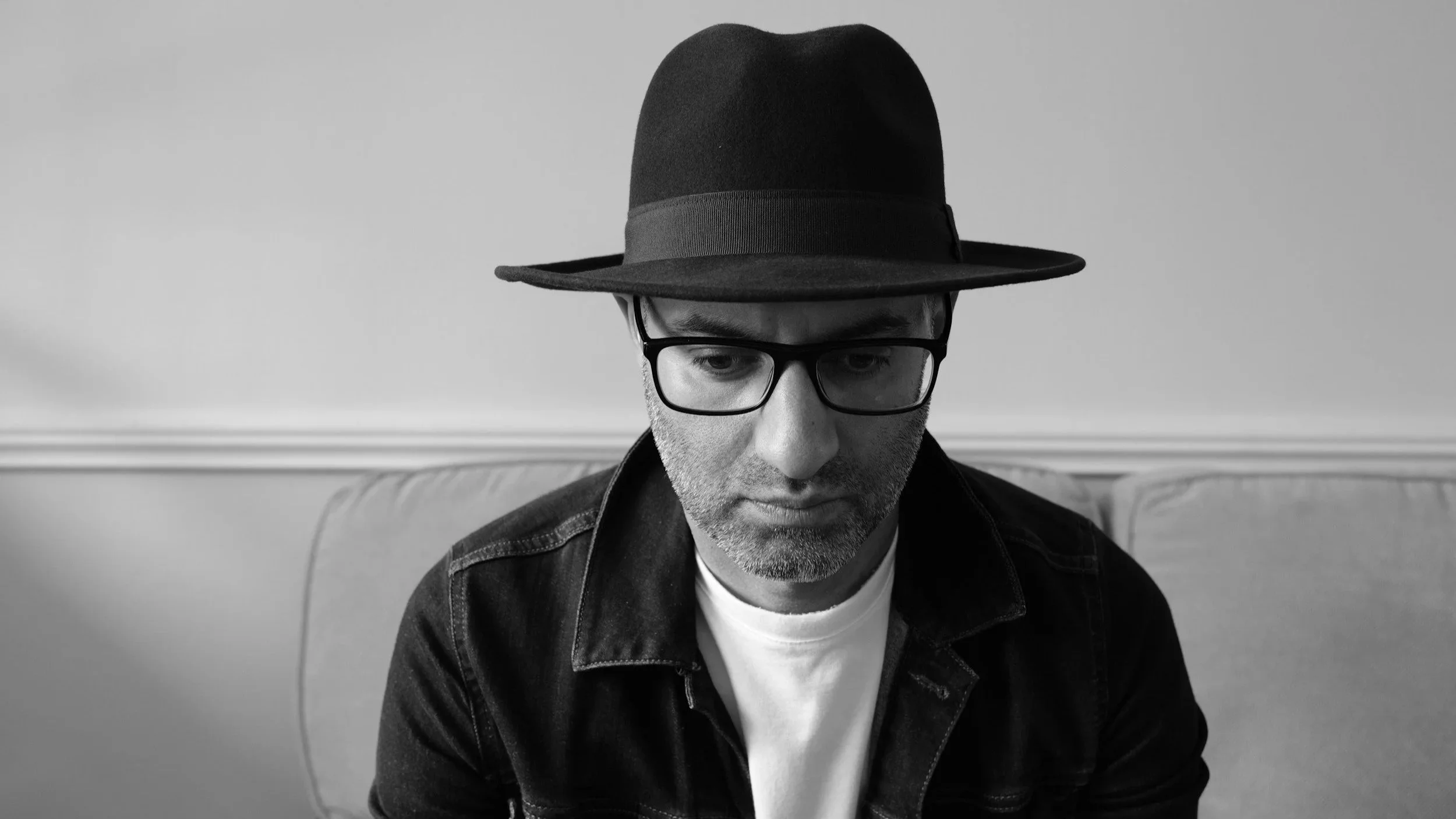
The discomfort worth naming directly
A lot of serious photographers avoid this genre entirely, and if you're one of them, it's worth being honest about why. There's a real discomfort that self-portraiture feels vain, self-indulgent, a little embarrassing in a way that photographing someone else never quite is. That discomfort is worth sitting with rather than dismissing, because it's real. But it's also the wrong frame for what this genre has actually produced across the history of the medium.
Cindy Sherman spent decades constructing entirely different identities across hundreds of self-portraits, never once photographing anything close to a straightforward likeness of herself. Vivian Maier turned the camera on her own reflection occasionally, almost incidentally, tucked inside a body of street work that was never really about her at all until you notice how often she's quietly there. Francesca Woodman made haunting, blurred studies of her own figure that read less like vanity and more like an attempt to understand something about presence and disappearance that she could not have explored through any other subject.
None of that was vanity. It was photographers using the one subject they had unlimited, unrestricted access to, and discovering it was also the one subject whose interior life they could never fully see from the outside, no matter how many frames they made.
What this genre can do that nothing else can
Here's the more interesting version of the problem, worth sitting with directly. When you photograph someone else, no matter how much trust you've built, there's always a layer you cannot fully access, their actual interior experience in that specific moment. You're working from the outside in, no matter how good you get at it.
When you photograph yourself, that problem inverts completely. You have total, unrestricted access to what you're actually feeling. And you have almost zero objectivity about your own face. You know exactly what's happening inside you and you have no reliable way of knowing what that looks like from the outside, which is a genuinely different and harder problem than anything portraiture of another person ever asks of you.
The mechanics that actually change
A remote shutter release or a self-timer changes your relationship to the decisive moment entirely. With any other subject, you're watching through the viewfinder at the exact instant of exposure, reading their expression in real time and choosing when to press the shutter based on what you see. With a self-portrait, you often cannot do that. You set the frame, you set the timing, and then you have to actually be present in the moment rather than watching it happen, which means you find out what you captured only after the fact.
Working with a mirror produces something genuinely different from working blind with a remote. A mirror lets you see yourself as you compose, which changes what your face does in ways worth being honest about, since seeing yourself tends to introduce a layer of self-consciousness that a blind exposure sometimes avoids entirely. Neither approach is more correct than the other, but they produce different kinds of honesty, and it's worth trying both rather than assuming one is the real way to do this.
Multiple frames matter more here than almost anywhere else in photography. You cannot judge in the moment whether you've caught something true, the way you might sense it instantly with another subject. You're finding out entirely after the fact, sorting through a series of attempts looking for the one where something real slipped through despite you.
The honesty problem underneath all of it
What makes any portrait work is usually the same thing, catching something true rather than something performed. That's harder here than anywhere else, because you are performing for your own camera, alone, which is a strange and specific kind of self-consciousness most people have never had to examine directly.
The self-portraits that actually work tend to come from photographers who found some way to stop performing even for themselves. Sometimes that means working until you're tired enough that the performance drops on its own. Sometimes it means using a remote and genuinely forgetting the camera is there, focusing on something else entirely in the moment it fires. Sometimes it means making so many frames that the self-consciousness of the first fifty finally exhausts itself by the hundredth.
There is no reliable shortcut to it. But the difficulty is exactly what makes it worth attempting. You already know how to read a stranger's face for something honest. This genre asks whether you can do the same thing to your own, without the comfortable distance of being on the other side of the camera.