Everyone Else Is Leaving. That's Your Cue to Stay
The best landscape photos rarely happen in the clear weather everyone was hoping for.
You know the moment. You have been out shooting for a while, the light has been fine but nothing special, and then the sky starts doing something. Rain begins. Fog rolls in thick and fast. The first flurries of snow start coming down sideways. And almost everyone around you does the exact same thing. They pack up their gear and head for the car.
That instinct is understandable. It is also usually the wrong move.
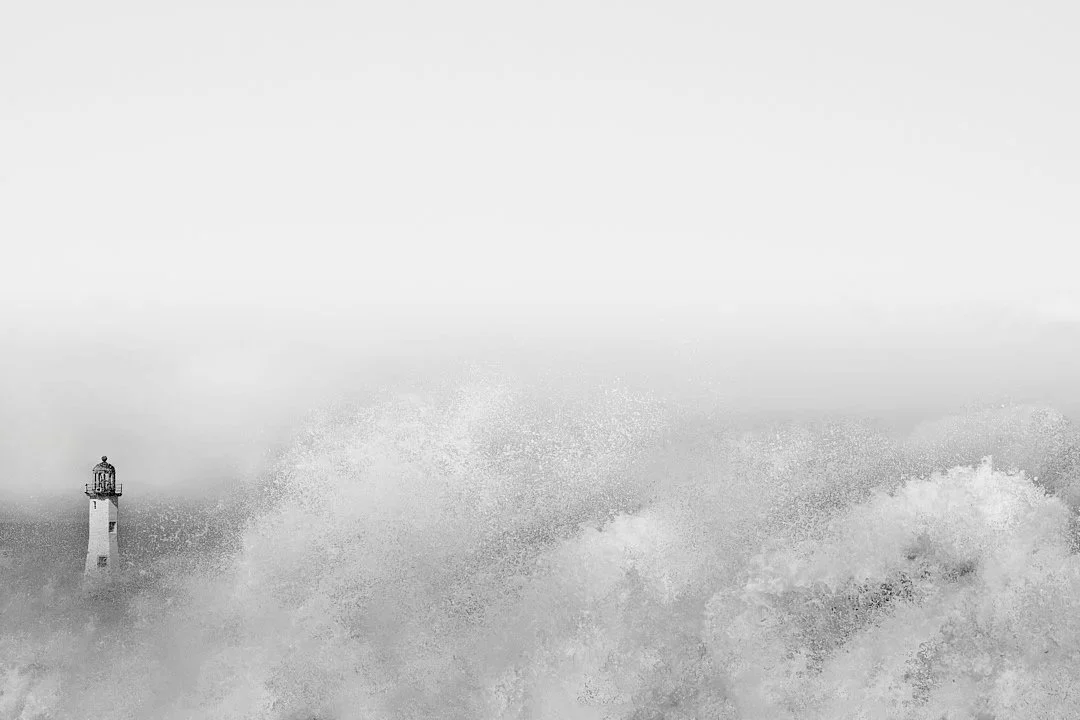
The clear, calm conditions before and after a weather event are the conditions everyone plans around. They are also, honestly, a little boring. Predictable light, predictable sky, predictable photo. The ten or fifteen minutes right as weather is arriving or right as it starts to break apart is where things actually get interesting, and it is almost always empty, because everyone else already left.
Why the transition matters more than the clear sky on either side of it
Weather moving through a landscape creates layers, texture, and drama that a still, settled sky simply cannot produce. Fog rolling in does not arrive evenly. It drifts, it thins in one spot and thickens in another, it reveals part of a mountain while swallowing the rest. Rain clouds breaking apart after a storm create shafts of light punching through gaps that were not there ten minutes earlier and will not be there ten minutes from now. Snow just starting to fall softens edges and adds a kind of visible motion to a frame that a calm, snowless sky never gives you.
None of that exists in the stable conditions before or after. It only exists in the window most photographers are too uncomfortable, too cold, or too impatient to wait through.
What everyone else running to the car is actually telling you
If you look around during a shoot and notice people packing up as the weather turns, that is not a signal to leave. It is a signal that you are about to have the location almost entirely to yourself, right as the most interesting light of the day is starting to happen. Popular landscape spots get crowded in good weather and empty out fast the second things turn rough. That emptiness is not a coincidence you should ignore. It is an opportunity most people are handing you for free.
How to actually do this without ruining your gear
None of this requires being reckless. A simple rain cover for your camera, a lens cloth kept dry in a sealed bag, and a bit of common sense about lightning specifically go a long way. Fog and drizzle are almost always fine to shoot through with basic precautions. Heavy sustained rain or an actual thunderstorm is a different situation entirely and worth genuine caution, not stubbornness.
The point is not to stand out in dangerous conditions for the sake of it. It is to recognize that mild, moderate, transitional bad weather, the kind that sends most people scrambling, is usually completely safe to shoot through and often the single most productive window of an entire outing.
Try this next time
Next time you are out and the weather starts to turn, resist the instinct to pack up immediately. Give it ten more minutes. Watch what the fog is doing, watch where the light is breaking through the clouds, watch how the scene changes while everyone else is already back in their car checking their phone.
Some of the strongest landscape photographs you will ever make are sitting inside that window. Almost nobody waits for it. That is exactly why it is worth staying.