A Photo Story: What Thirty Eight Years as a Rabbi Taught Him to Notice
A retired Reform rabbi, a Hasidic summer camp, and a ferry ride neither of them planned on sharing.
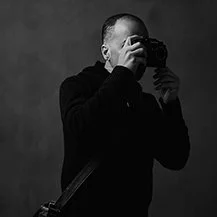
Steven Kushner served his congregation in Bloomfield, New Jersey for thirty eight years, from 1980 to 2018, as a Reform rabbi. He had been taking pictures since he was a teenager, the way a lot of people do, casually, without much intention behind it. Retirement changed that. He finally had the time and the freedom, as he puts it, to stop simply taking pictures and start making photographs.
His method now is mostly day trips in and around the New York metropolitan area, the unplanned, opportunistic rhythm of a street photographer who goes where the day takes him rather than chasing a predetermined subject. The Governors Island trip was his first time on the island at all. He had no idea, boarding that ferry, what he was about to find himself in the middle of.
A camp he had no connection to
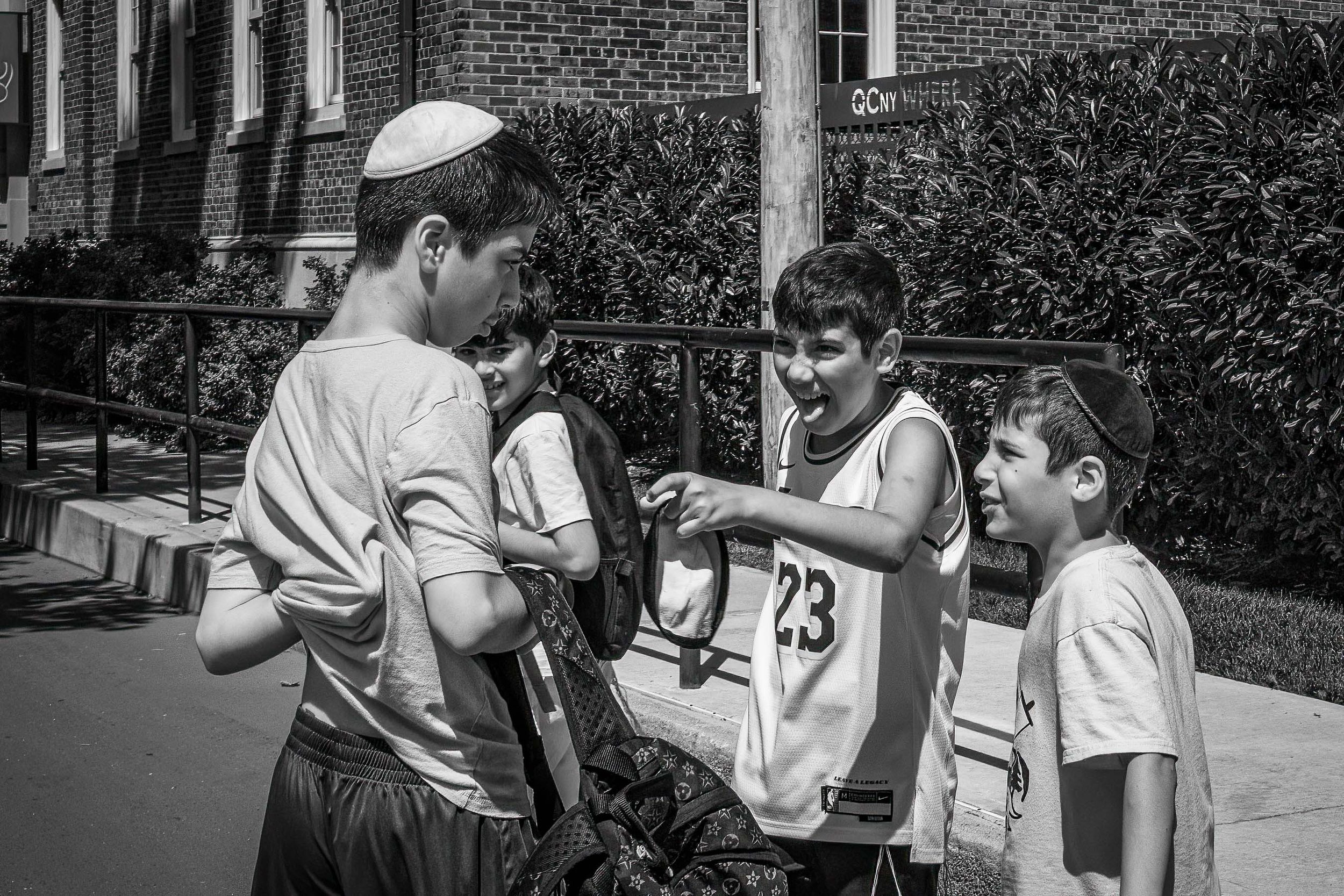
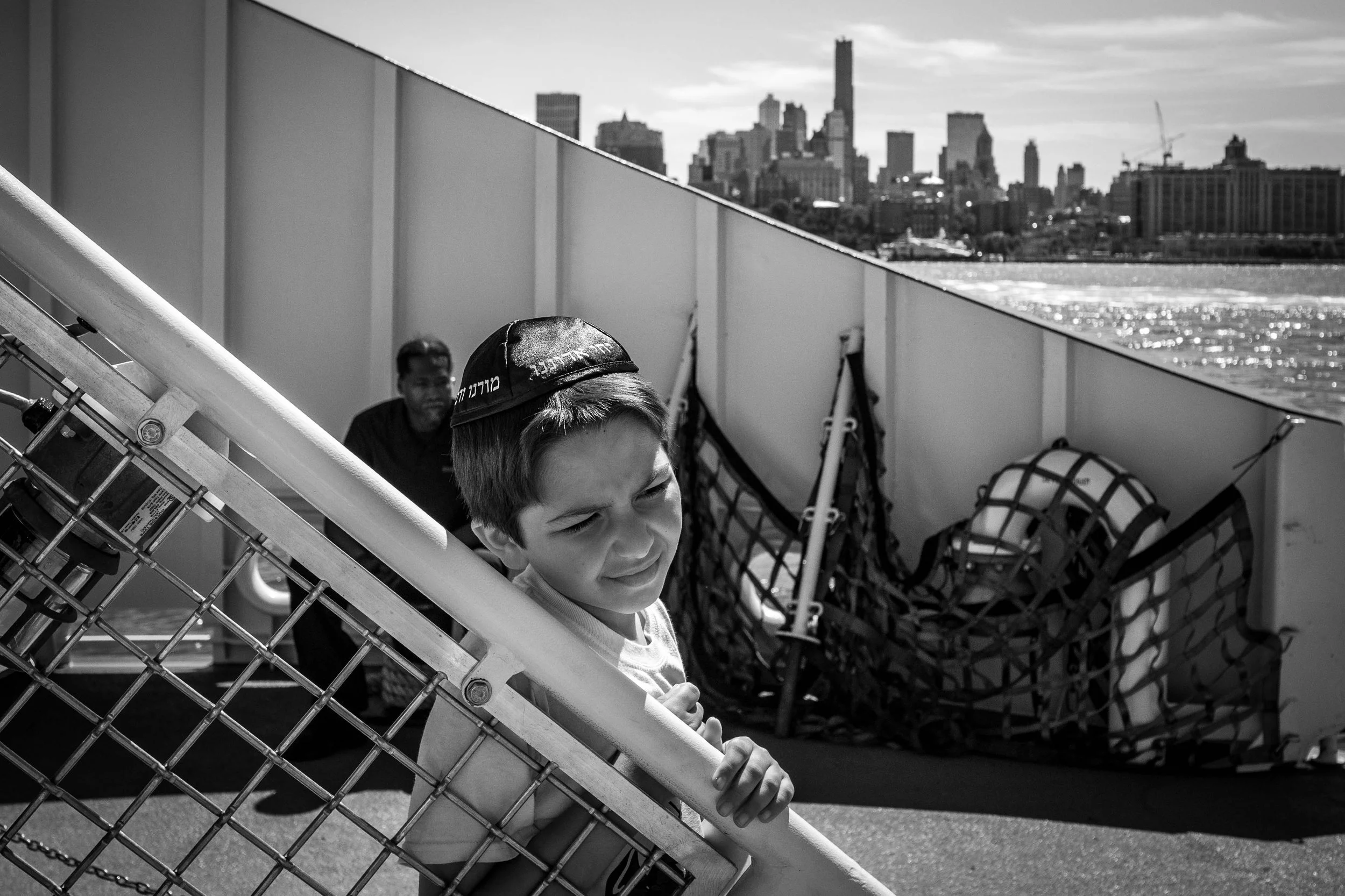
On the ferry, Steven noticed a large group of boys and approached one of the counselors, simply asking what they were doing. The counselor told him they were with Ohr Avner, a Brooklyn based Chabad camp, on a field trip to Governors Island. Steven had his Ricoh GR IV Monochrome with him, and he started shooting right there on the boat.
He is direct about not having any particular connection to Chabad, also known as Lubavitch, one of the largest and most visible Hasidic movements within Orthodox Judaism. As a Reform rabbi, his own tradition sits at something close to the opposite end of observance from what he was photographing that day. But he describes a belief that runs underneath all of it regardless, a conviction in the diversity and rich tapestry that makes up the Jewish world, and a sense that despite real differences in belief and practice, there remains a single shared thread connecting all of it. We are, in his words, a single people.
Getting close without being noticed
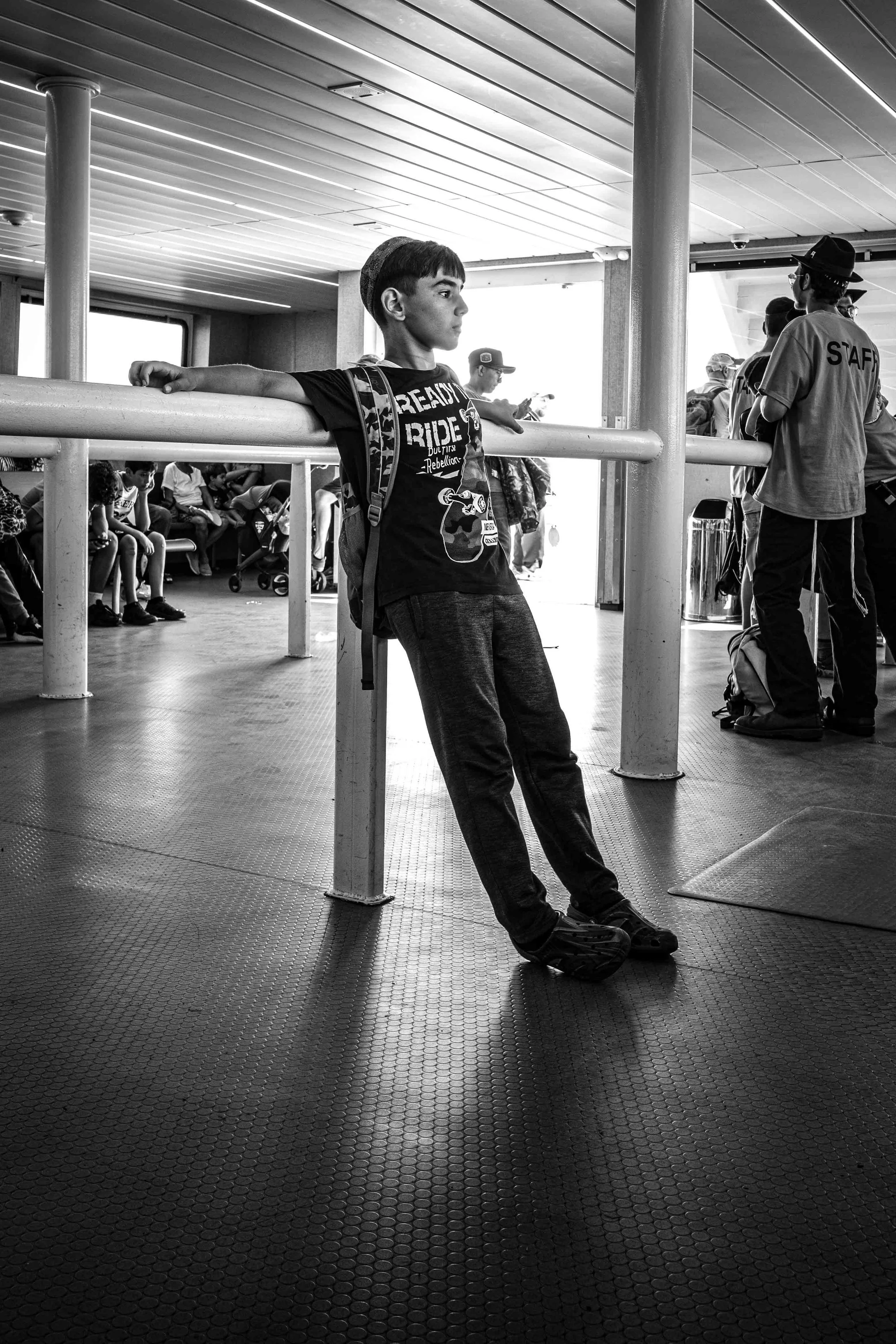
Steven's approach to street photography leans on a specific instinct, he finds his strongest images come when his subjects are unaware they are being photographed. With the Ohr Avner boys, he did not encounter resistance, and he attributes some of that to something particular about the community itself. Ultra Orthodox Jews, in his experience, tend to be accustomed to being photographed, partly because of how visibly and distinctly they dress. He also credits his own habit of engaging people directly in conversation first, the same instinct that got him talking to the counselor on the ferry in the first place, rather than simply raising a camera at strangers.
Serendipity, not a plan
Nothing about this encounter was arranged in advance. Steven was on the island that day photographing broadly, and he has other images from the same afternoon of different visitors entirely, tourists, families, whoever happened to be there. The Manhattan skyline sitting behind the group as they moved through the island was, in his own description, an added benefit rather than the point. For a street photographer working the way he does, the backdrop matters less than the moment itself.
The frame that says the most
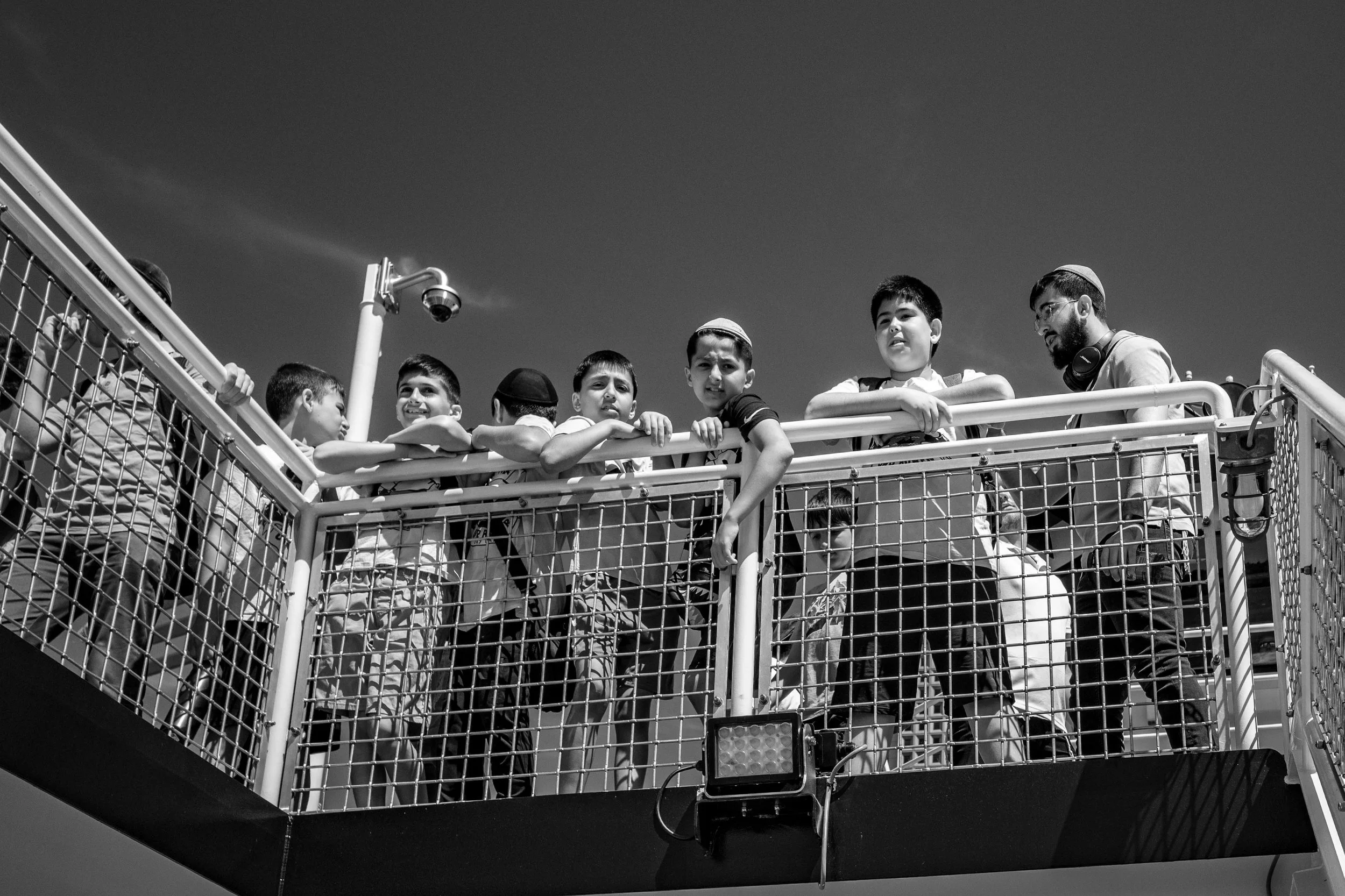
Asked which single image from the set captures the whole idea most completely, Steven points to a shot from the ferry's observation deck, a cluster of boys leaning against the railing. It is not a posed portrait and it is not a dramatic action shot. It is simply what it looks like when a group of kids are given a railing to lean on and a view to stare at. That ordinariness is exactly the point. Many of these boys, not all, live according to a level of religious observance that a lot of outside viewers would find genuinely unfamiliar, even alien. And yet, as Steven put it plainly when he first shared these images, when all is said and done, they are just kids being kids.
What the series is actually showing you
Chabad is a Hasidic movement dedicated in part to bringing less observant Jews toward a more traditional practice, and one of its most recognizable public activities is inviting Jewish men and boys to put on tefillin, the leather straps and boxes worn on the head and arm during prayer, containing handwritten biblical passages. One of Steven's images shows a teenage counselor, identified as Menachem, wearing tefillin during the trip. Menachem tried to get Steven to put a set on himself. Steven politely declined.
That small moment, offered and declined without any tension in it, says something about the whole afternoon. Steven was inside this world for a few hours as an outsider, watching closely, engaged, respectful, but not participating in its specific religious practice himself. The photographs hold that same position. Close enough to see real detail and real humanity. Honest about not being from inside the community being photographed.
Not a documentary, but something that became one anyway
Steven did not set out that day to build a documentary series. His stated goal in photography generally is simply to tell stories, one frame at a time, wherever he finds them. It was only later, deciding which images from that day to share, that it occurred to him the Ohr Avner photographs might work better together as a portfolio than scattered individually. He is candid that he did not take a large number of frames of the group specifically, and that a more deliberate, organized project would likely produce something more effective than what serendipity handed him on a single ferry ride.
Where this comes from in him
Steven describes himself as fairly democratic in his subject choices as a photographer, open to whatever the day offers rather than working a narrow, predetermined beat. But he also believes that how people visually present themselves carries real weight in storytelling, and his own interactions with the ultra-Orthodox world, while limited given his own progressive rabbinic background, have mostly run through Chabad specifically, more than any other Hasidic sect. He speaks about the Orthodox and Hasidic communities with real respect, and describes them, despite the real theological and practical distance between his own tradition and theirs, as part of his family.
That framing, distance and family held together at once, is the whole quiet argument of the series. A retired rabbi from one end of Jewish practice, photographing a hundred boys from another end of it entirely, finding almost nothing separating them once the ferry pulled away from the dock and the boys did what kids on a field trip have always done. Leaned on a railing. Roughhoused with a friend. Stared out at a skyline they were only half paying attention to.
You can check out more of Steven’s work on foto @skushner21gmail.com or on his website www.stevenkushnerphotography.com
Steven Kushner is a retired Reform rabbi who served his congregation in Bloomfield, New Jersey from 1980 to 2018. He now pursues street photography around the New York metropolitan area. Follow his work on Foto.