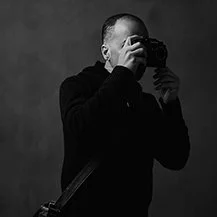
Why Many Photographers Produce Their Best Work in Their Later Years
It is not really about age. It is about how long it actually takes to accumulate the thing that makes work compelling.
Roger Ballen had been interested in photography for most of his life before his career and his recognition genuinely took off at fifty. Sally Mann's most acclaimed and most challenging work, the Civil War battlefield series shot on nineteenth century wet plate collodion, the Body Farm images documenting human decomposition, came well after the fame she built in her forties with Immediate Family. David Hurn is still publishing new work at eighty nine, decades into a career that began photographing the Hungarian Revolution in 1956.
It would be easy to read these as stories about age. That reading misses the actual mechanism. Ballen did not become significant because he turned fifty. He became significant because fifty happened to be the point at which decades of sustained, serious engagement with the craft had finally accumulated into something real. Age was never the variable. Time spent, genuinely and consistently, was.
It’s worth being honest and specific about why that accumulation actually takes as long as it does, rather than treating it as a vague inspirational truth.
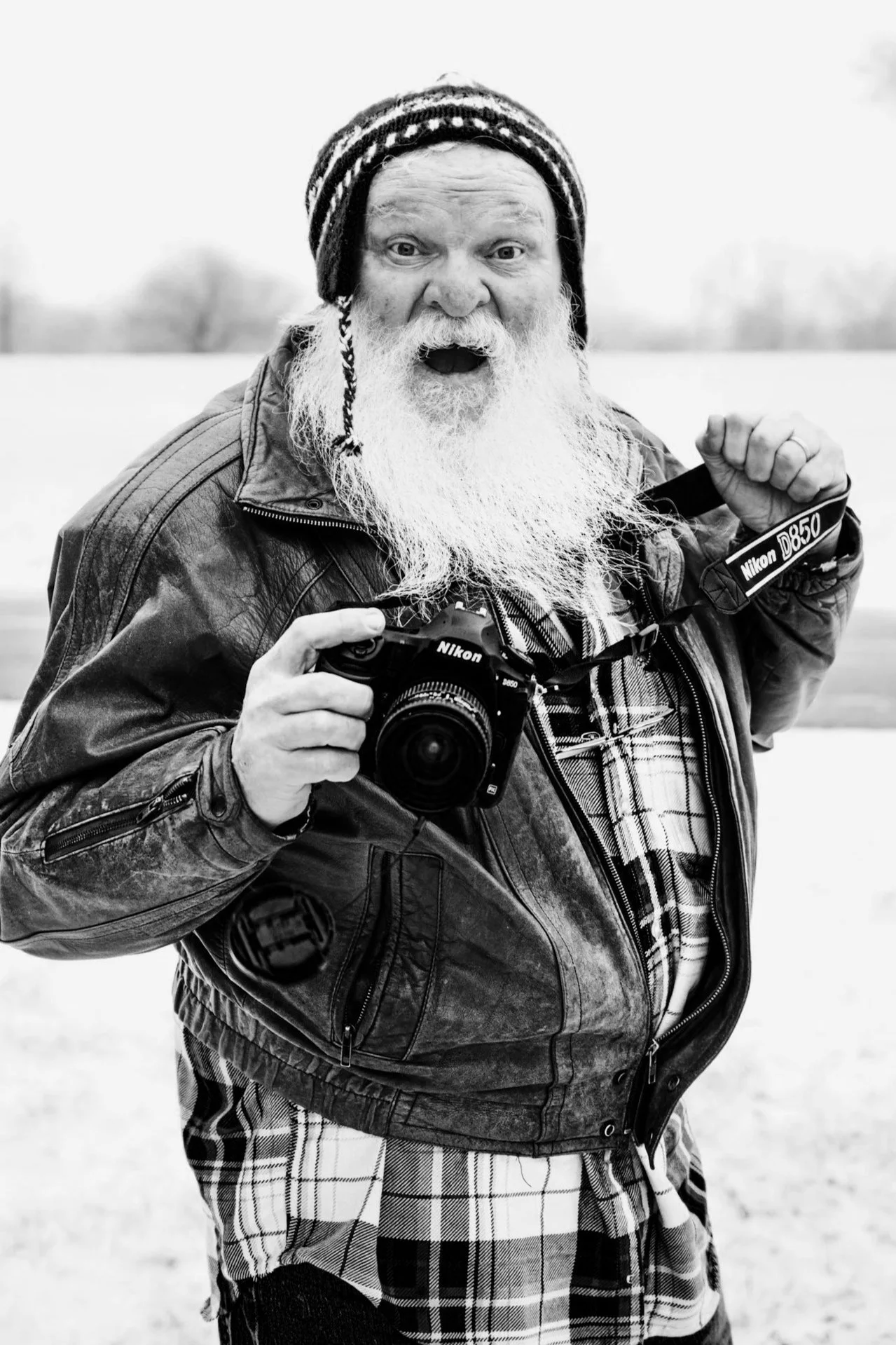
The eye needs volume to calibrate
Recognizing a genuinely strong photograph, as opposed to a merely competent one, requires having seen enough frames, your own and other people's, to have built an internal, calibrated sense of what strength actually looks like. That calibration cannot be shortcut by talent alone. It is built the same way any perceptual skill is built, through sheer volume of exposure over time. A photographer three years into serious practice and a photographer thirty years in are not simply at different points on the same skill. They are working with genuinely different internal instruments for judging their own work, and the second instrument only exists because of everything that came before it.
A personal voice needs enough accumulated work to reveal itself
A photographer's specific, recognizable way of seeing rarely announces itself in the early years. It emerges gradually, and it is usually only visible in hindsight, once a body of work large enough exists to show the pattern running through it. Nobody sits down early in their practice and consciously decides what their vision will be. It surfaces the way a project's real subject sometimes only becomes clear after months of returning to the same corner, the same idea, the same question. The vision was always there in some latent form. It simply required enough accumulated work for anyone, including the photographer themselves, to actually see it.
Technical skill has to become invisible before something deeper can happen
Early years in photography are largely spent consciously managing exposure, focus, and composition, the mechanics of simply getting a technically sound frame. That conscious management occupies real attention, attention that cannot simultaneously be spent on the harder, more interesting work of actually seeing what is in front of you. Only once the technical decisions stop requiring conscious thought, once they become instinctive rather than deliberate, does a photographer have real attention left over for everything else. This is not a failure of the early years. It is the necessary cost of building the automatic competence that eventually frees up the mind for something more.
Subjects often only reveal their depth through repeated, sustained encounter
Sally Mann's later subjects, mortality, decay, the weight of southern history, are not the kind of thing a photographer arrives at casually or early. Approaching them seriously requires the technique, confidence, and personal readiness that only years of prior work can build. The same is true at a smaller scale for any photographer who has ever returned to a single subject repeatedly and found it getting more interesting rather than less, the way sustained attention to one corner, one community, one theme reveals layers that a first encounter never could.
Why this is genuinely good news, not discouraging
None of this means early work is a failure, or that the years spent building toward something more compelling were wasted. They were the actual mechanism. Ballen did not skip the accumulation phase. Mann did not skip it. Nobody skips it, no matter how naturally gifted they appear to be from the outside. The years that feel slow or uncertain while you are living through them are not standing between you and your real work. They are the process by which your real work eventually becomes possible at all.
If your work does not yet feel like the work you are capable of, that is not a signal you are on the wrong path. It is simply where the path always runs through, on the way to somewhere worth arriving at.