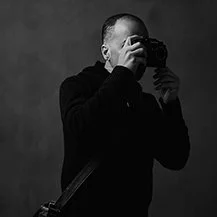
Embrace Silence in the Frame
Silence in a photograph is not the absence of something. It is a decision with its own weight.
Think about a skilled speaker holding a pause before an important sentence. Nothing is being said in that moment, and yet the pause is not empty. Everyone in the room feels its weight. It changes how the words that follow actually land, giving them room to register instead of arriving in a rush alongside everything else. The silence is not the absence of the speech. It is part of it.
A photograph can work the same way. Not every corner of a frame needs to be filled, and the empty areas that remain are not leftover space where nothing happened to be placed. Handled deliberately, they carry real weight, and they change how the actual subject registers with a viewer.
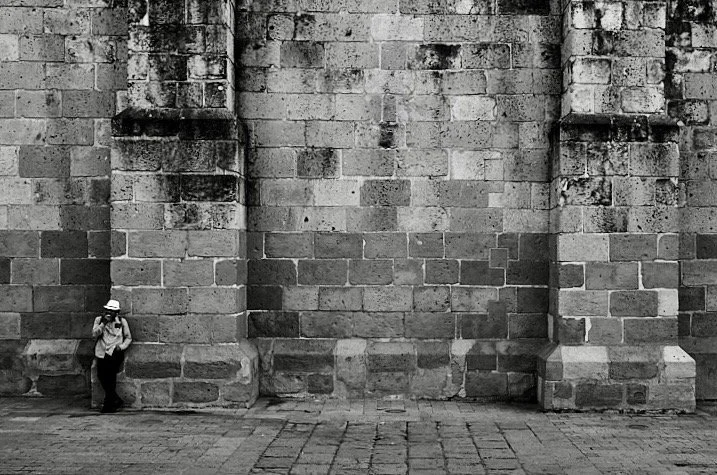
Silence has its own presence
Most photographers think about negative space as the absence of content, the parts of the frame left over once the subject has been placed. That framing undersells what genuinely empty, well used space actually does. A section of blank wall behind a single figure is not nothing. It is doing active work, giving the figure room to exist without competition, the same way a held pause gives an important sentence room to actually be heard.
This matters more than it might seem, because it changes the question a photographer should be asking. Not what should I include, but where does this frame need to stay quiet so that something else can be heard clearly.
Why the eye actually needs it
There is real research behind this, not just intuition. Eye tracking studies of photography have found that images with strong, unified composition produce fewer eye movements and longer, more concentrated pauses of attention, which corresponds to a stronger subjective sense that the image is working. Cluttered frames, by contrast, produce more scattered eye movement and a documented feeling of visual unease.
An empty area in a photograph is not simply calming by convention. It is giving the eye an actual, physical place to stop moving. That rest is not a vague aesthetic preference. It is a measurable difference in how a viewer's visual system processes the frame, and it directly affects whether looking at the photograph feels like arriving somewhere or like being pulled in six directions at once.
The difference between silence and simply nothing
Not every empty area in a frame is doing this work. Silence reads as intentional when it has a clear relationship to the subject, positioned specifically to isolate it, press against it, or give it room to be seen fully. It reads as merely empty when it has no relationship to anything, the area that happened to be left over because nothing else fit, disconnected from any actual decision about the subject at all.
The test is simple enough to apply in the field. Ask whether the empty part of your frame is doing something to the subject, giving it weight, giving it isolation, giving it room, or whether it is simply the part of the frame you did not think about. The first is silence. The second is just unused space.
How to actually build it in
Before you press the shutter, look specifically at the areas of the frame that are not your subject, the same way you would listen for the pause before an important line rather than only listening for the words themselves. Ask what that space is doing. If a bright sky, a plain wall, a stretch of quiet water is sitting there without any relationship to your subject, consider whether removing or repositioning it would let the empty area actually do its job. Sometimes that means stepping back to let more silence into the frame. Sometimes it means stepping closer to remove excess silence that was never doing anything to begin with.
The goal is never emptiness for its own sake. It is a frame where every quiet area is holding a pause on purpose, the same way a good sentence holds its pause exactly where it needs to, and the words around it land because of it, not despite it.