From Glass to Code: The Shift from Optical to Computational Photography
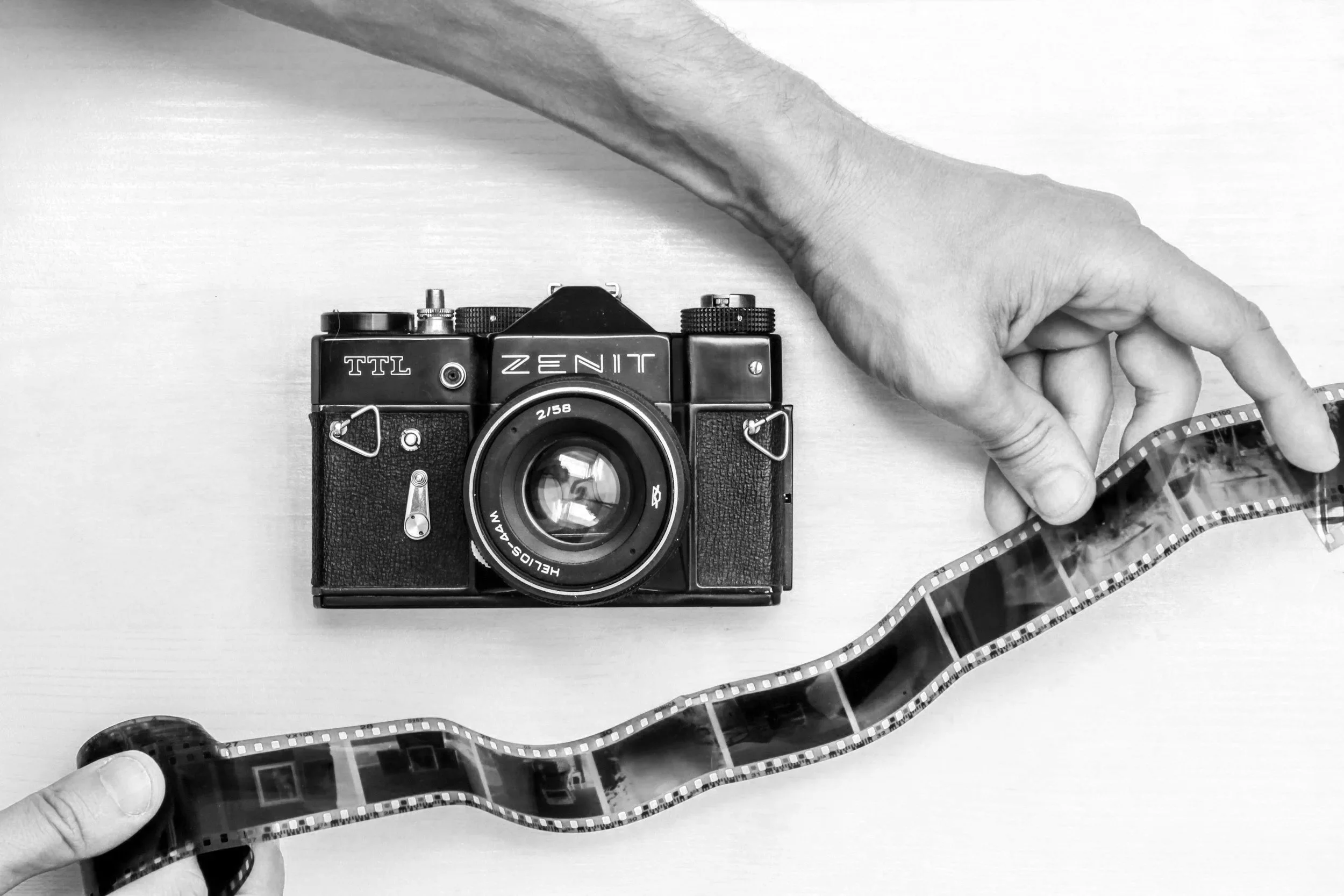
Photography has always been a dialogue between light and the tools that shape it. For most of its history, that dialogue happened through glass the curve of a lens, the angle of the light, the chemistry of film. The photographer’s role was to understand these physical truths and coax them into something expressive. It was a craft rooted in the tangible, in precision and patience.
But in recent years, the conversation has changed. The tools that once bent light now bend data. Cameras no longer simply record the world; they interpret it. What was once an optical process has become a computational one and that shift has quietly redefined what it means to make a photograph.
There’s a kind of purity in traditional, optical photography. Light enters the lens, strikes the film or sensor, and leaves behind a trace of something that truly existed. It feels honest, sometimes brutally so. You can’t fake good light. You can’t rely on algorithms to rescue a bad exposure or flatten out the imperfections. It’s slower, more deliberate, and maybe because of that, more intimate. The photographer is part scientist, part poet, constantly negotiating between what the eye sees and what the camera can hold.
Computational photography, by contrast, feels almost magical. A small piece of glass and a sliver of silicon can now produce results that once required a suitcase full of equipment. Cameras blend exposures, smooth noise, and mimic shallow depth of field with a sophistication that borders on invisible. It’s fast, forgiving, and accessible a tool that lets anyone capture moments beautifully, even without knowing the physics behind them.
Yet something changes when the machine begins to make aesthetic decisions on our behalf. The image we see is no longer a simple translation of light, but an interpretation built by software one that carries the biases, assumptions, and aesthetic preferences of whoever wrote the code. The photograph starts to feel less like a record and more like a suggestion, an idealized version of reality.
Still, it would be unfair to dismiss what computational photography offers. It has opened doors to new kinds of storytelling. It allows creativity to thrive where skill or equipment might once have been barriers. And for all the debates about “authenticity,” it’s worth remembering that every era of photography from glass plates to digital sensors has involved manipulation. The darkroom had its own algorithms; they just happened to be chemical instead of digital.
Maybe what’s really happening isn’t a replacement of one form by another, but a blending of both. The best modern cameras and the most thoughtful photographers are learning to balance the precision of optics with the power of computation. Light and code, working together.
In the end, the question isn’t which is better. It’s what kind of relationship you want with your image. Some photographers still crave the tactile honesty of glass, the unpredictability of light. Others embrace the precision and possibility of code. Both are valid, both are expressive, and both remind us that photography whatever form it takes is still an act of seeing.