The One Skill That Will Immediately Level Up Your Photography
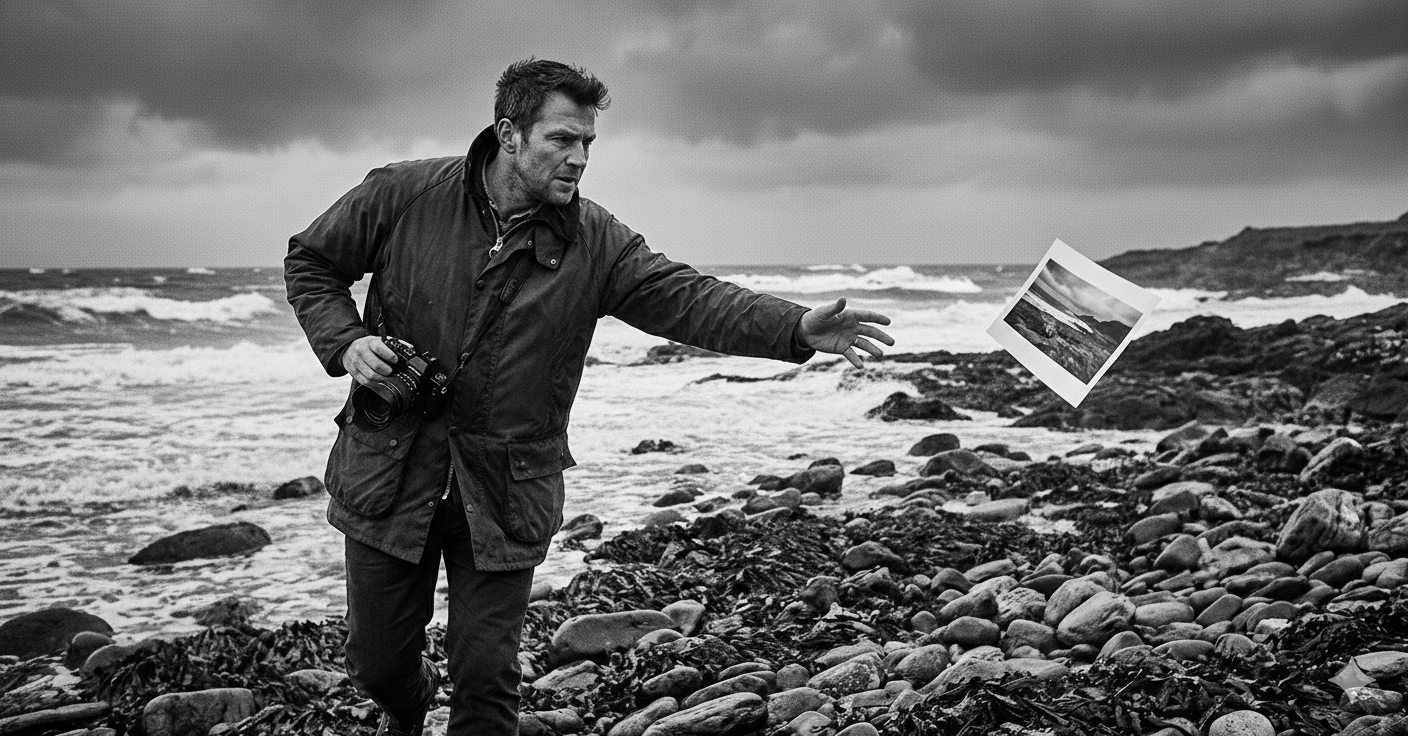
Deconstructing a black and white photo involves analyzing its core visual elements to understand how the photographer created an impactful image without color. This process helps you improve your own photography by training your eye to see beyond color and master fundamental aspects like light, composition, tone, and texture.
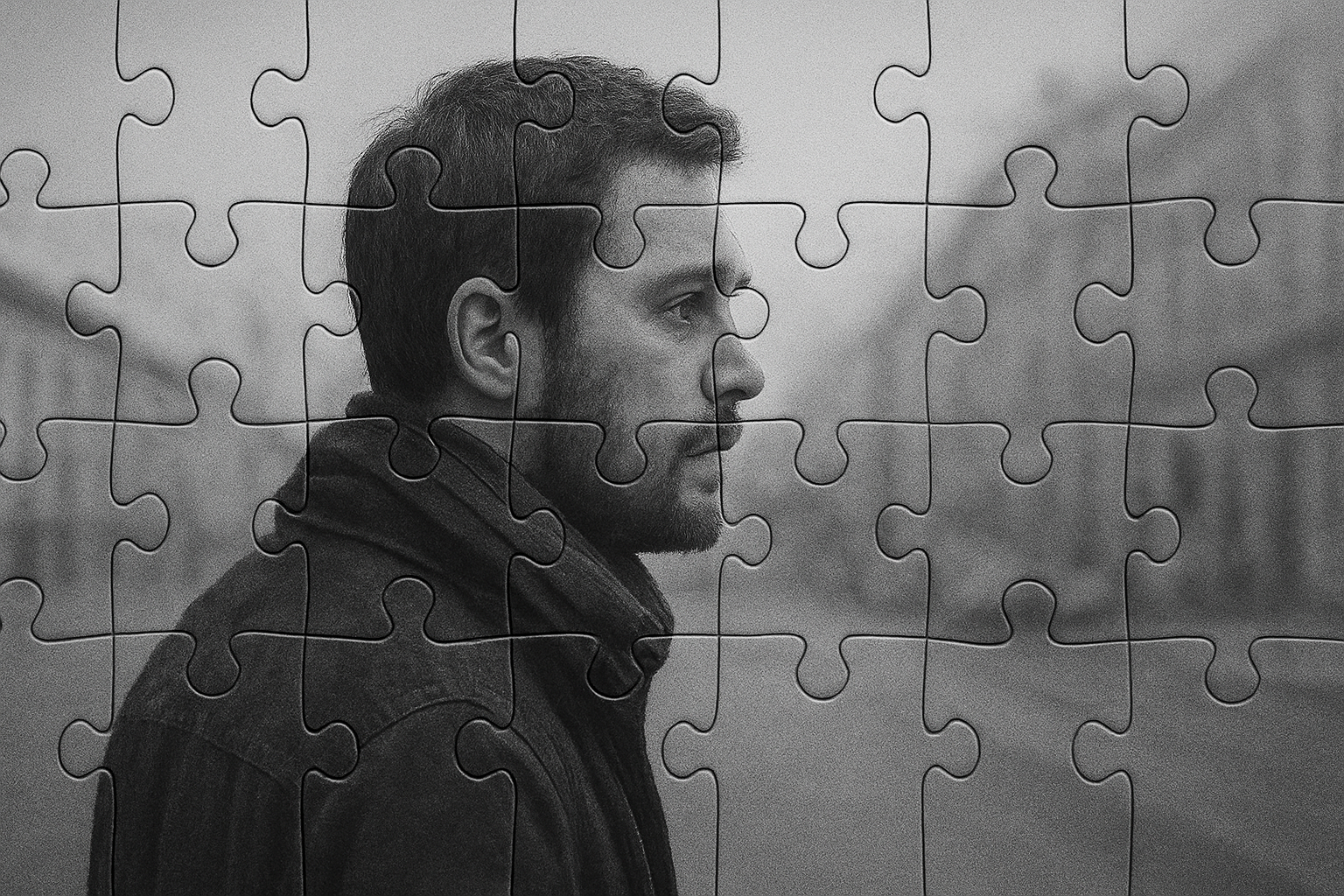
How to Deconstruct a B&W Photo
Follow these steps to systematically analyze a B&W image:
Initial Impression:
Note your first feelings about the photo. Does it feel dramatic, calm, or melancholic? This helps identify the mood and emotional impact the photographer intended.
Identify the Subject and Focal Point:
Determine the main subject. In the absence of color, the photographer uses other tools to guide your eye. Ask:
Where does my eye go first?
How is the subject isolated or emphasized?
Analyze Light and Shadow:
Light is the most crucial element in B&W photography.
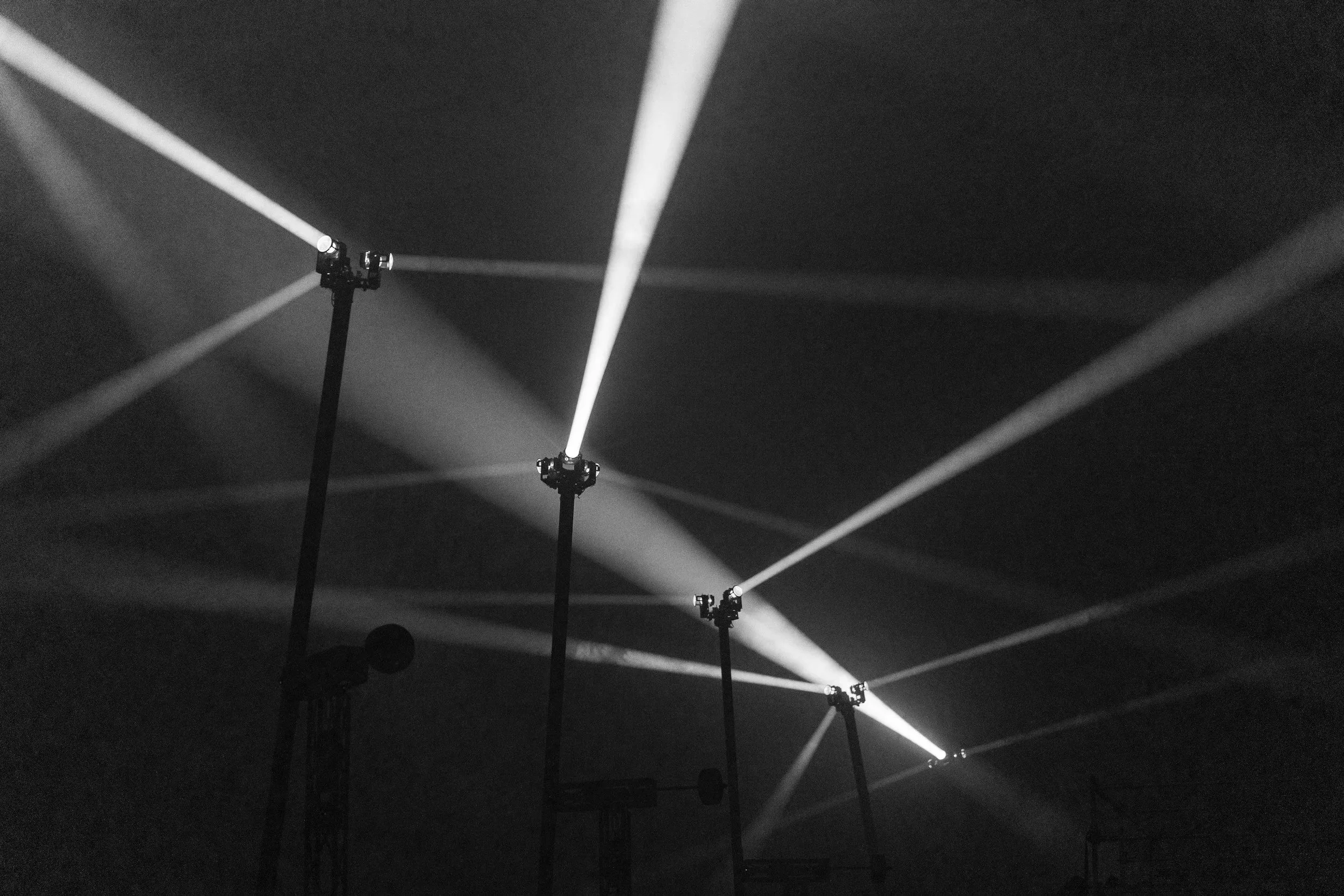
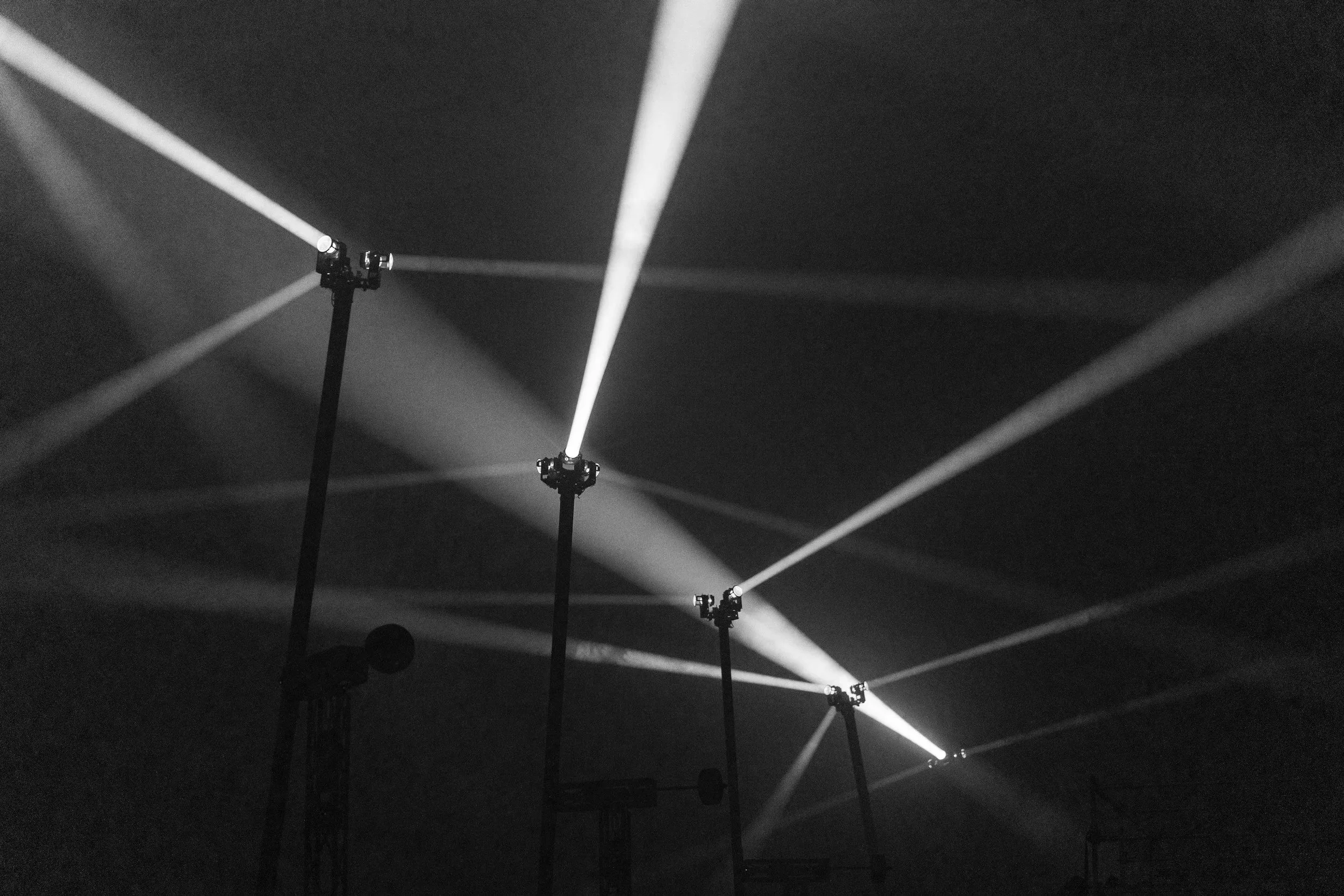
Light Quality: Is the light hard (creating strong, defined shadows) or soft (producing subtle gradations)? Hard light often adds drama and emphasizes texture, while soft light can create a calmer mood.
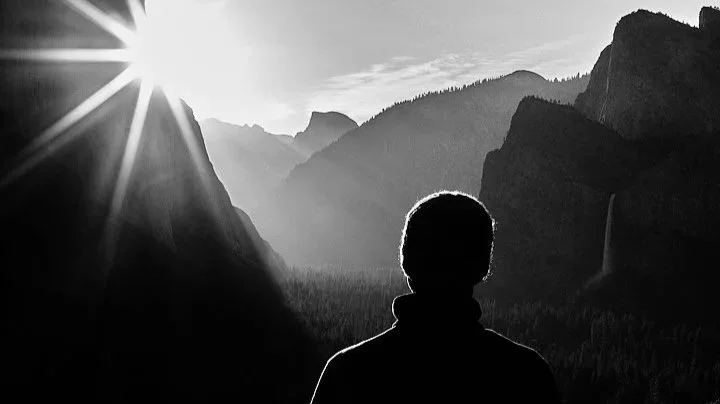
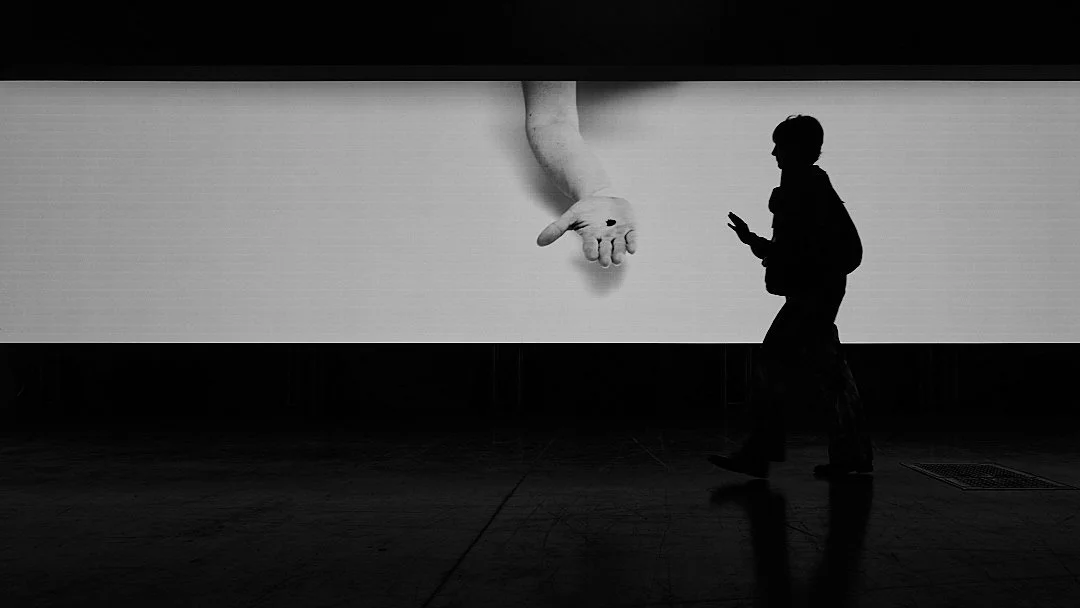
Light Direction: Is it front-lit, side-lit (great for revealing texture), or backlit (creating silhouettes)?
Catchlights or Highlights: Are there intentional bright areas that draw the eye?
Shadows: Do shadows play a key role in the composition or mood? Are they deep and black or light and airy?
Evaluate Tonal Range and Contrast:
B&W relies on shades of gray, from pure white to true black.
Overall Contrast: Is it high contrast (many pure blacks and whites, few mid-tones) or low contrast (mostly mid-tones, a flatter look)? High contrast often adds drama.
Tonal Separation: Observe how different objects are separated by their tonal value rather than color.
Examine Composition, Shape, and Form:
Without color, the underlying structure of the image is more apparent.
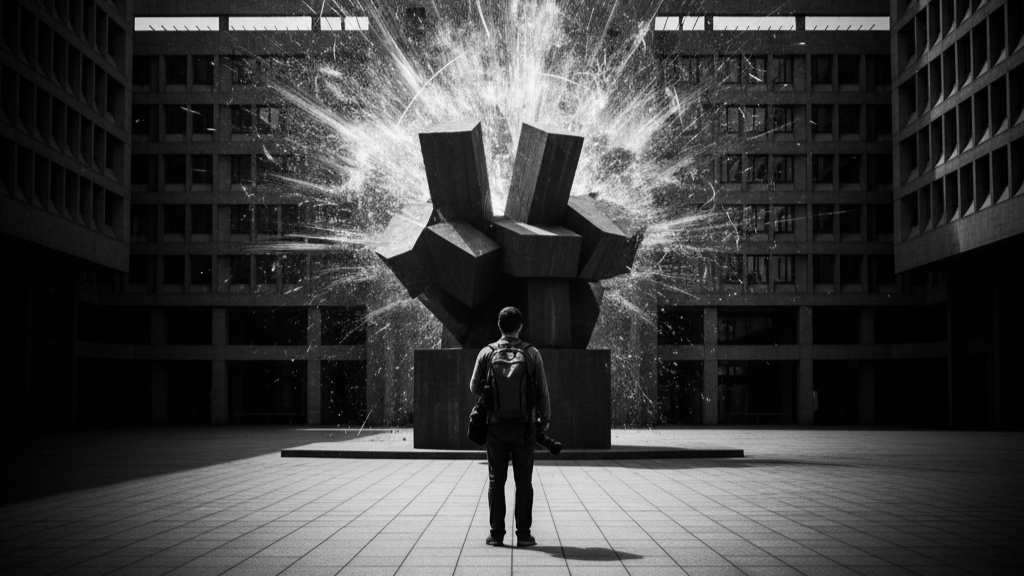
Lines, Shapes, and Patterns: Look for leading lines, repeating patterns, and geometric shapes. These elements guide the viewer's eye through the frame.
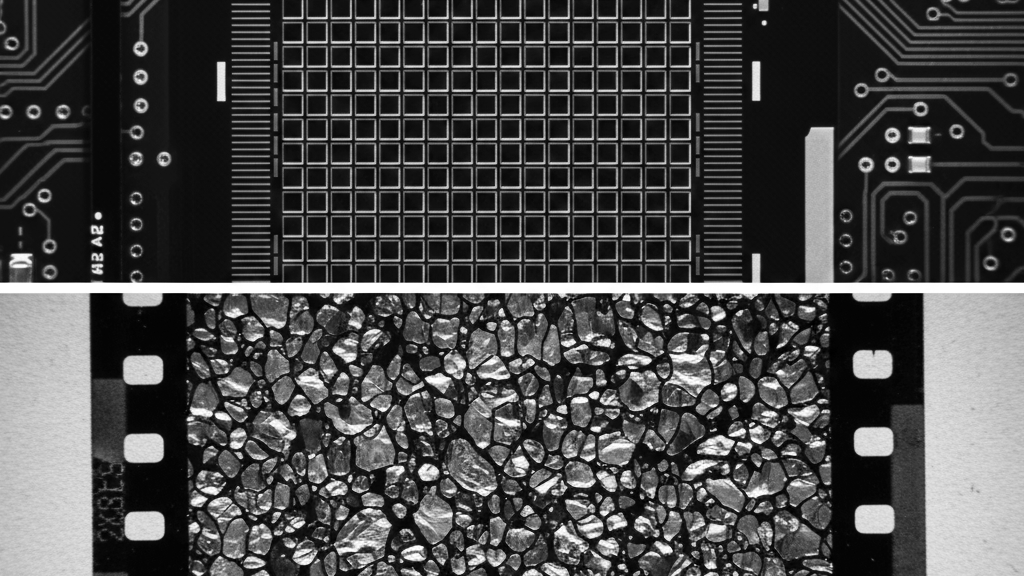
Texture: Textures become highly apparent and add depth.
Simplification: Notice how the photographer uses negative space and minimal elements to keep the image clean and impactful.
Consider Post-Processing:
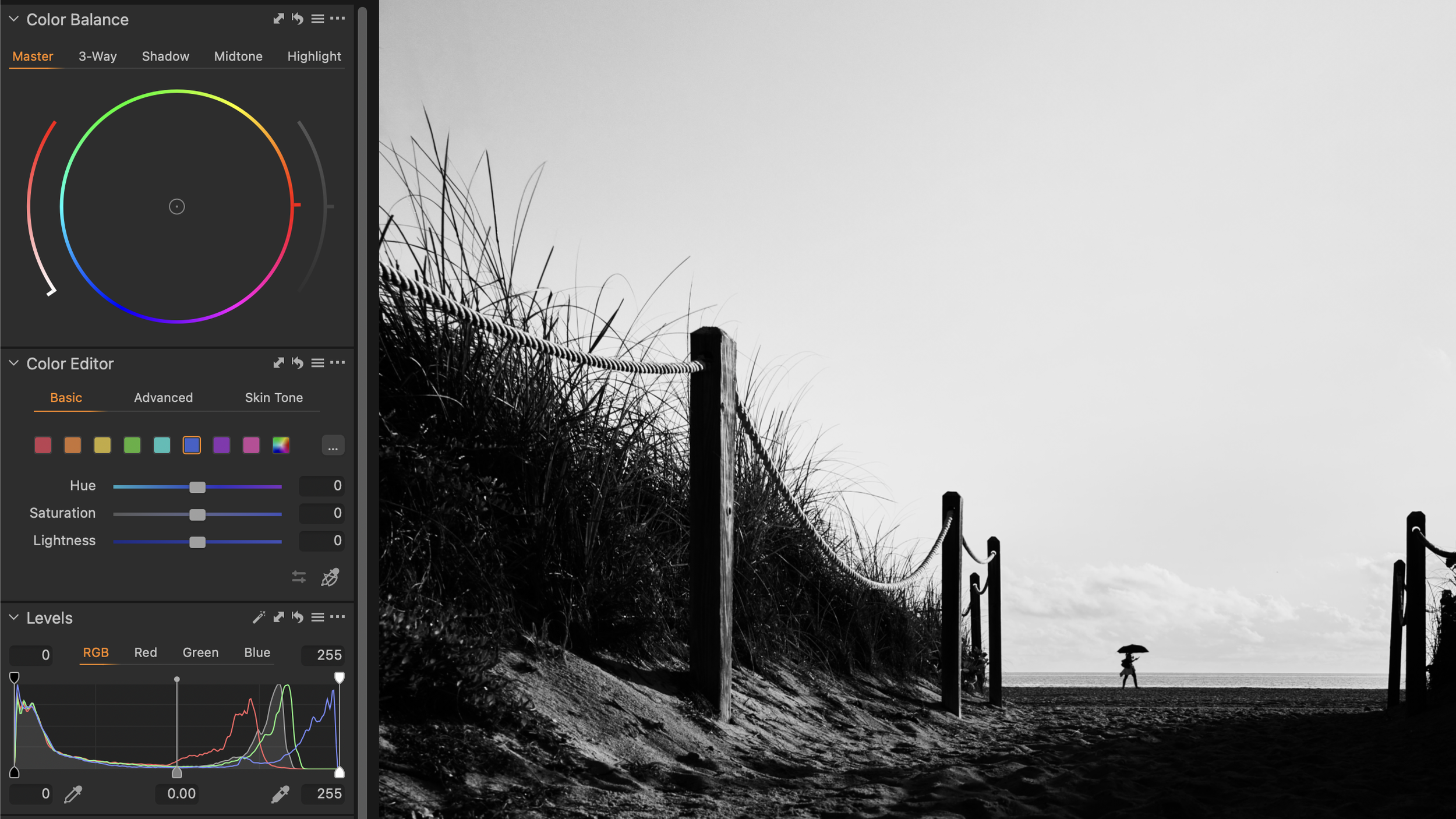
Think about potential darkroom or digital editing techniques used, such as dodging and burning (selectively lightening or darkening parts of the image) or using digital "color filters" to manipulate specific gray tones.
Why This Makes You a Better Photographer
Deconstructing a photograph helps you improve your photography by forcing you to look past superficial beauty and focus on the core technical and artistic decisions made by the creator. By breaking down elements like light quality, compositional structure, tonal range, and texture especially in black and white images where color no longer distracts the eye you train your own visual literacy and develop a deeper understanding of how these elements work together to create mood and impact. This analytical process builds a "photographer's eye," allowing you to approach your own scenes with greater intention, pre-visualize outcomes, and make more deliberate choices behind the lens.