
The Art of the "Second Look" Why Your Best Shots Are Never Your First Shots
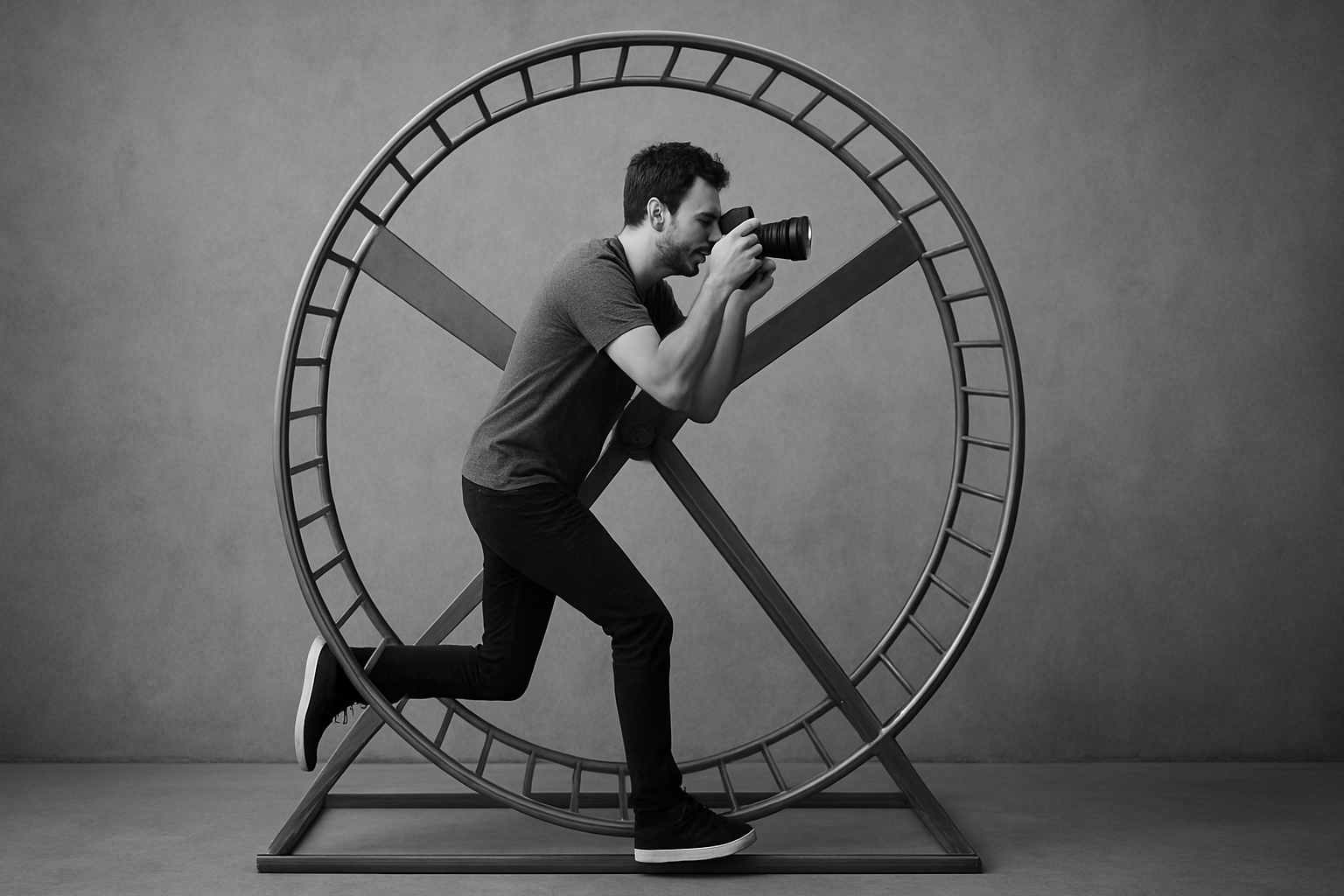
In our hurried world, photography often feels like a race to capture. We see something, we raise the camera, we click. It’s an immediate, often instinctive reaction. And sometimes, that first shot is pure magic. But more often than not, it's just the start of a conversation.
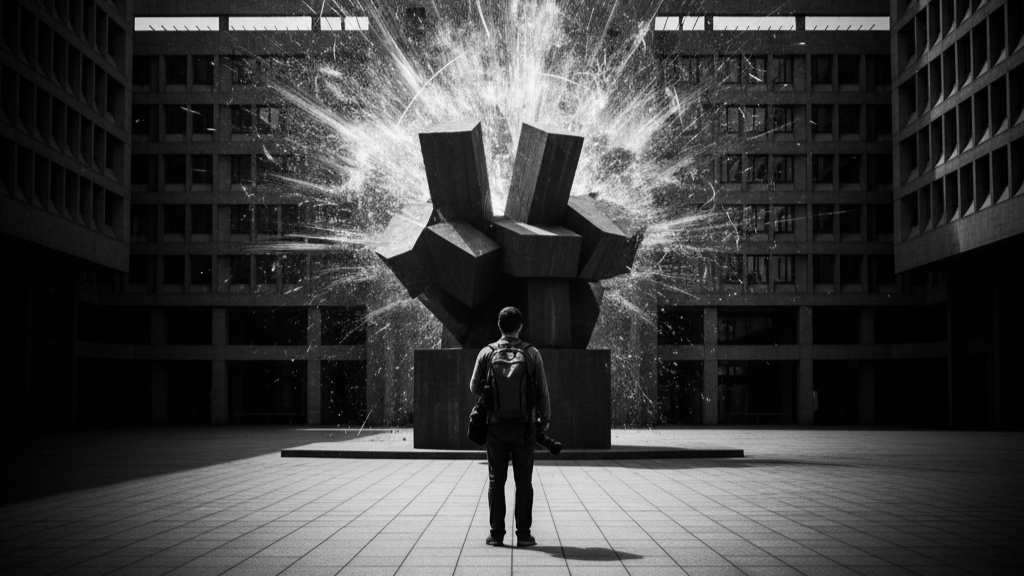
At The Monochrome Collective, we believe that true intentionality in photography means pausing, observing, and allowing yourself the luxury of a "second look." This is where the fleeting moment deepens into something lasting.
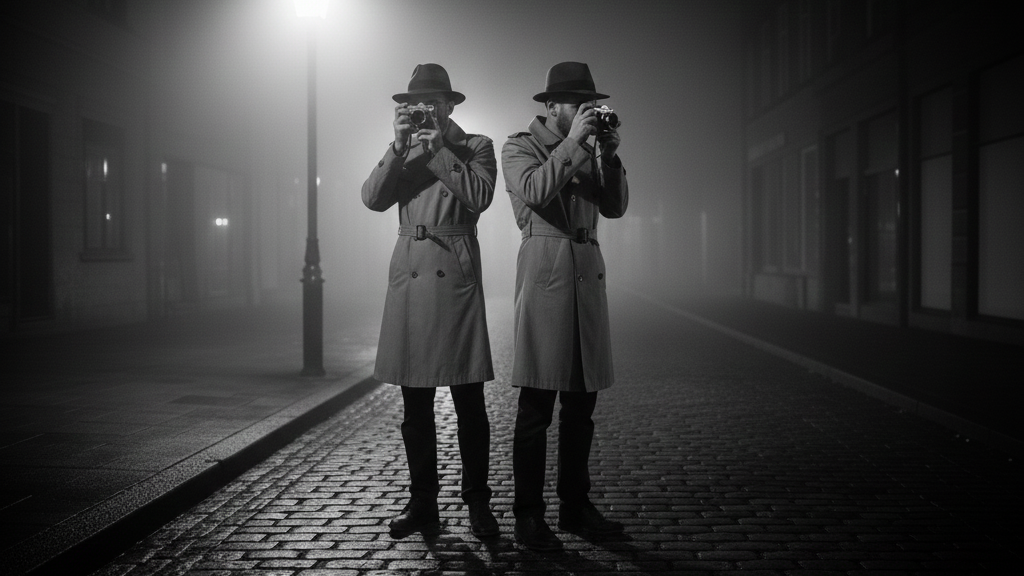
The Problem with the First Look
The "first look" is usually a cliché. It’s your brain recognizing a pattern, a common composition, a familiar angle. It’s easy, and it often leads to a decent, but ultimately unmemorable, photograph. It's the "what everyone else sees" shot.
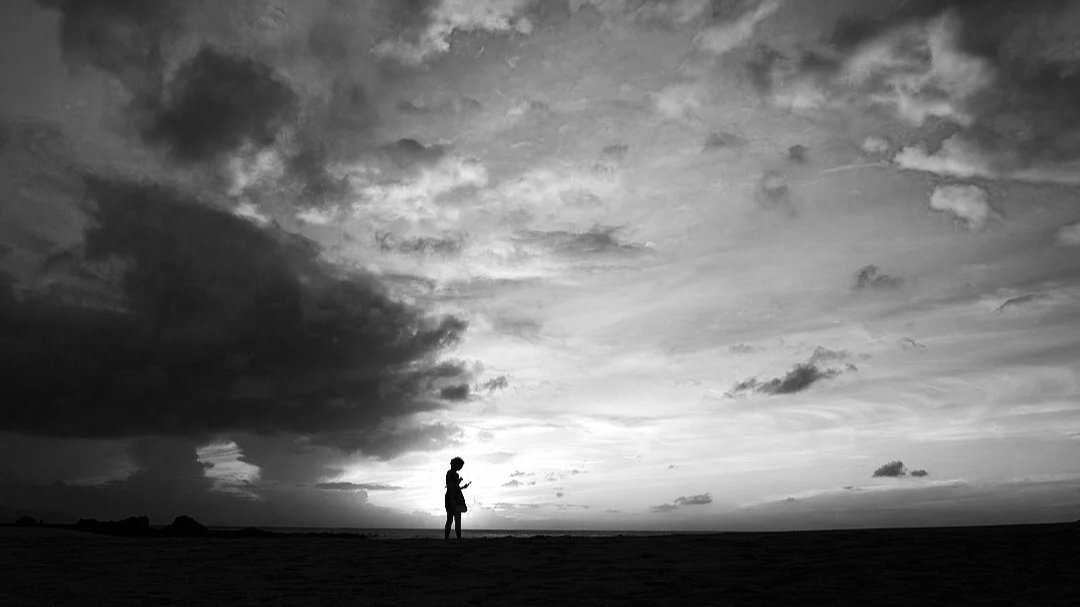
For example, you might see a beautiful sunset and immediately snap a photo. It's pretty, but it might not convey anything unique or personal. Your first instinct is often to capture the obvious.
What is the "Second Look"?
The "second look" is where you challenge your initial impulse. It’s about asking deeper questions:
What else is here? What's in the foreground, background, or periphery that I initially missed?
How does the light truly feel? Is it soft, harsh, directional? How can I use it to sculpt the scene?
What is the deeper story? Is there an emotion, a gesture, a subtle interaction unfolding?
What am I really trying to say? Am I just documenting, or am I interpreting?
It’s the patience to stay with a subject, to move your feet, to change your perspective, to wait for the light to shift, or for a moment to ripen.
The Power of Delay
The magic of the "second look" isn't just about finding a better composition; it's about connecting more deeply with your subject. The more you challenge your first instinct, the more you train your eye to see beyond the obvious. You start to anticipate moments and understand nuance.
When you slow down, you're more likely to capture genuine emotion. People relax; scenes unfold naturally. Your photographs move from mere observation to empathetic connection. The "second look" helps you strip away distractions, allowing the core elements of light, shadow, and form to truly sing. You eliminate the "noise" of the first impression.
Practice the Pause
In 2026, make it a habit to practice the pause. When you see something that makes you want to lift your camera, take that first shot if you must, but then stop. Breathe. Walk around. Look for ten more seconds. Then, take your second, third, or even tenth shot.
You'll often find that your most powerful and truly unique images are not the ones born from impulse, but from the quiet, considered act of seeing again.
IF YOU WOULD LIKE TO IMPROVE YOUR BLACK AND WHITE PHOTOGRAPHY TRY THE LESSONS BELOW.




A Beginners Guide