A Unique Way To Improve Your Photography: Write About It
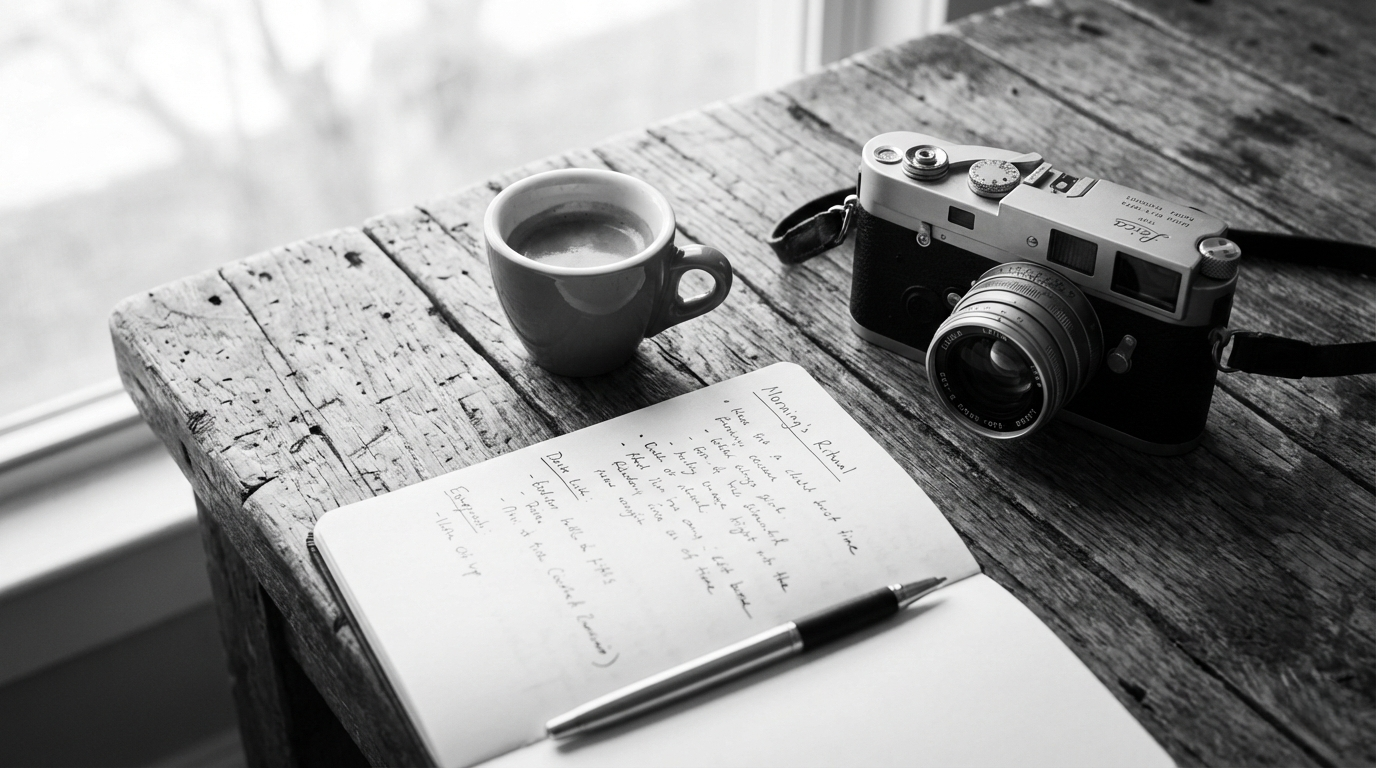
We all spend tons of time with our cameras, chasing the perfect light and tweaking our edits. But what if I told you the single most effective way to level up your photo game doesn't involve your camera at all? It involves a keyboard and a blank page.
Seriously. Researching and writing about photography forces you to understand the craft on a whole new level. It pulls concepts out of the "instinct" zone and locks them into your brain as real, usable knowledge, which makes you a better visual artist, fast.
Here’s the breakdown of why this simple habit can change everything.
1. You Actually Learn the Why, Not Just the How
You might use the "Rule of Thirds" all the time, right? But do you really understand the history, the psychology behind why it works, and when to deliberately break it?
When you have to explain that stuff in writing, you can't fake it. You have to research it, break it down, and articulate it clearly. This process exposes the gaps in your own knowledge. You close those gaps, and suddenly, you're not just a button pusher; you're a knowledgeable creator.
2. You Figure Out Who You Are as a Photographer
Writing is basically self therapy for your creative brain. As you jot down why you love shooting moody portraits or hate landscape filters, you’re defining your own unique artistic vision.
Having a clear vision means you stop wandering around randomly hoping for a good shot. You start shooting with purpose. Every decision you make behind the lens becomes intentional, driven by the ideas you worked out in your writing.
3. Your Critical Eye Gets Super Sharp
Researching for your writing means deep diving into the work of masters like Ansel Adams or Henri Cartier Bresson. You start seeing their choices, their techniques, and their intentions in high definition.
You bring that same analytical rigor back to your own photos. You stop asking, "Is this good?" and start asking, "Why does the light work here, and why does the composition fail there?" That self critique loop is the fast lane to improvement.
4. It’s a Sanity Check and a Reference Guide
Writing down your process creates a personal "cheat sheet" library. Forgot how to do focus stacking? Just pull up your own tutorial.
Plus, if you share your writing, you connect with other photographers. Feedback is gold, and community keeps you accountable and inspired.
Time to Write Your First "Shot"
Your camera captures the world, but writing helps you understand it. Ditch the lens for an hour this week, pick a topic you want to master, and just start typing. It might just be the best "photo shoot" you've ever had.
If you want to share it with our community we would love it! Reach out to me via email. dp@themonochromecollective.co
Featured Articles