The Unexpected Magic of Reprocessing Old Photos
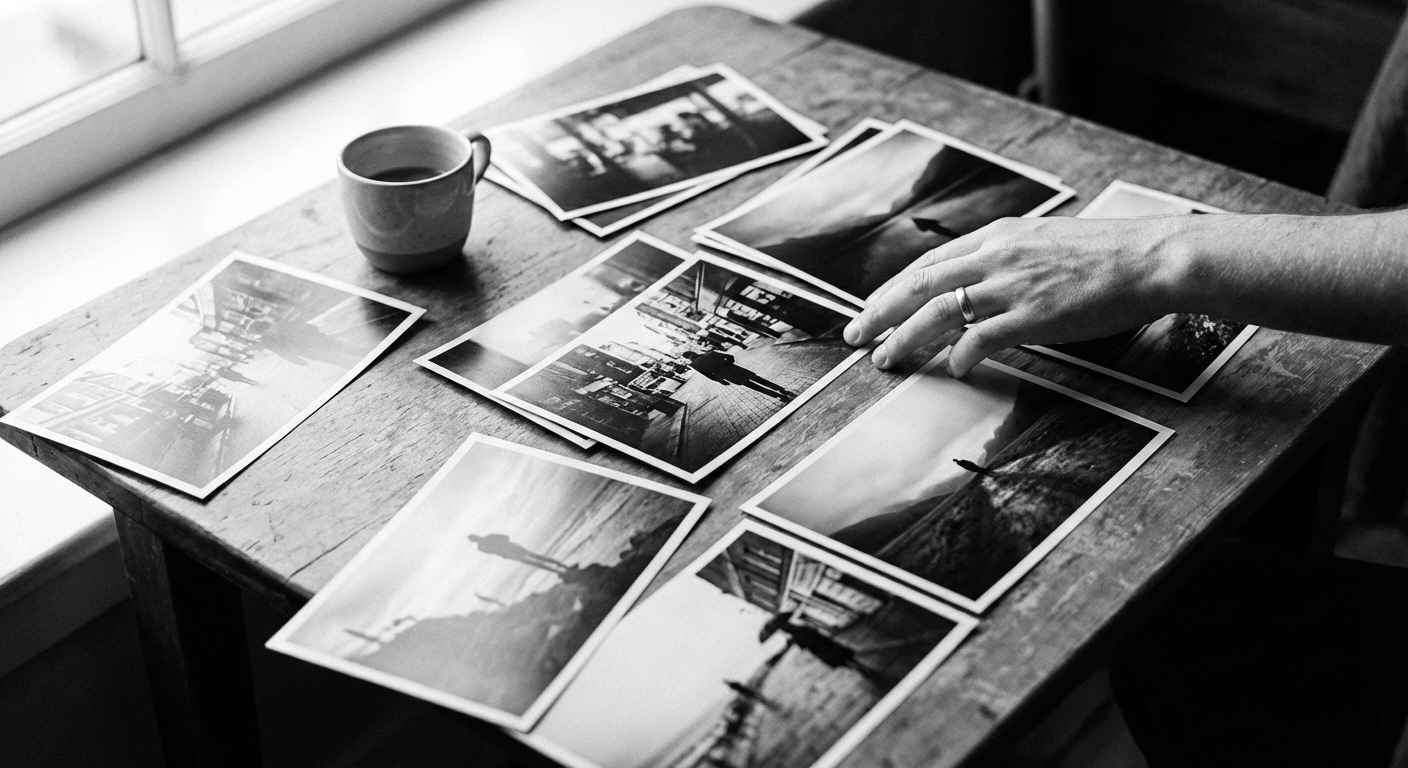
There’s a certain thrill in pressing the shutter and capturing something new, but there’s a quieter, more introspective kind of magic buried in your archives. I’m talking about reprocessing old photos the ones that have been sitting untouched for years, waiting for the version of you who exists today. Because the photographer you are now sees differently, processes differently, and expects different things from your work. And for monochrome especially, this is where the real growth hides.
Why Reprocessing Matters More Than You Think
When you revisit older files, you’re not just opening up a photo. You’re opening up a moment in time, and a past version of yourself. Back then you might have been focused on shadows or contrast or maybe chasing a certain filmic look. Today your instincts have evolved. You understand light differently. You compose more intentionally. You’ve trained your eye to recognize shape, texture, and balance in a deeper way.
That shift means an image you once considered “just okay” may actually be a gem it just needed a more mature interpretation.
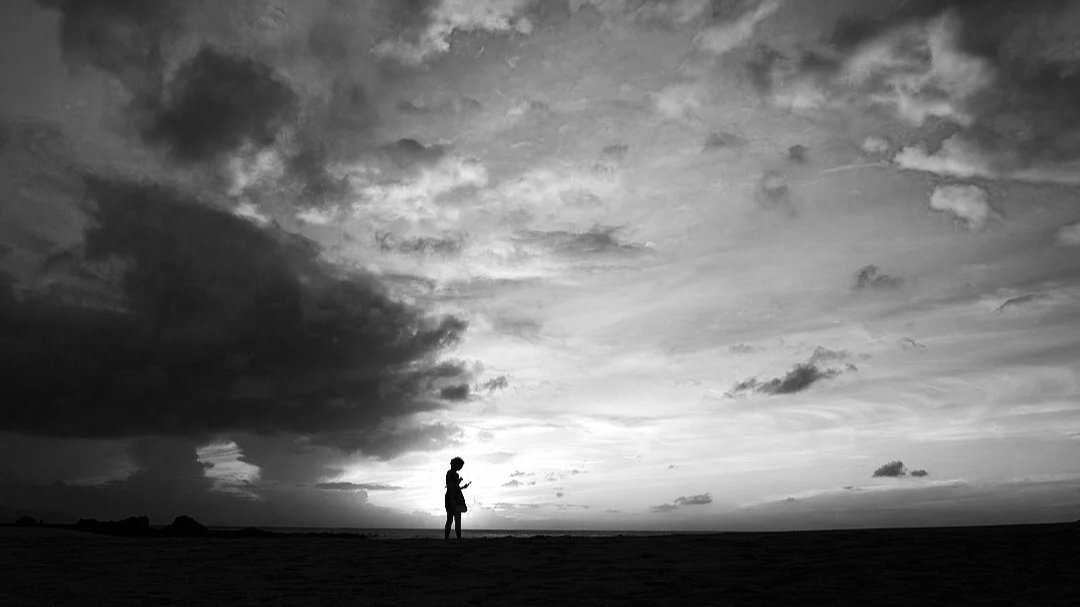
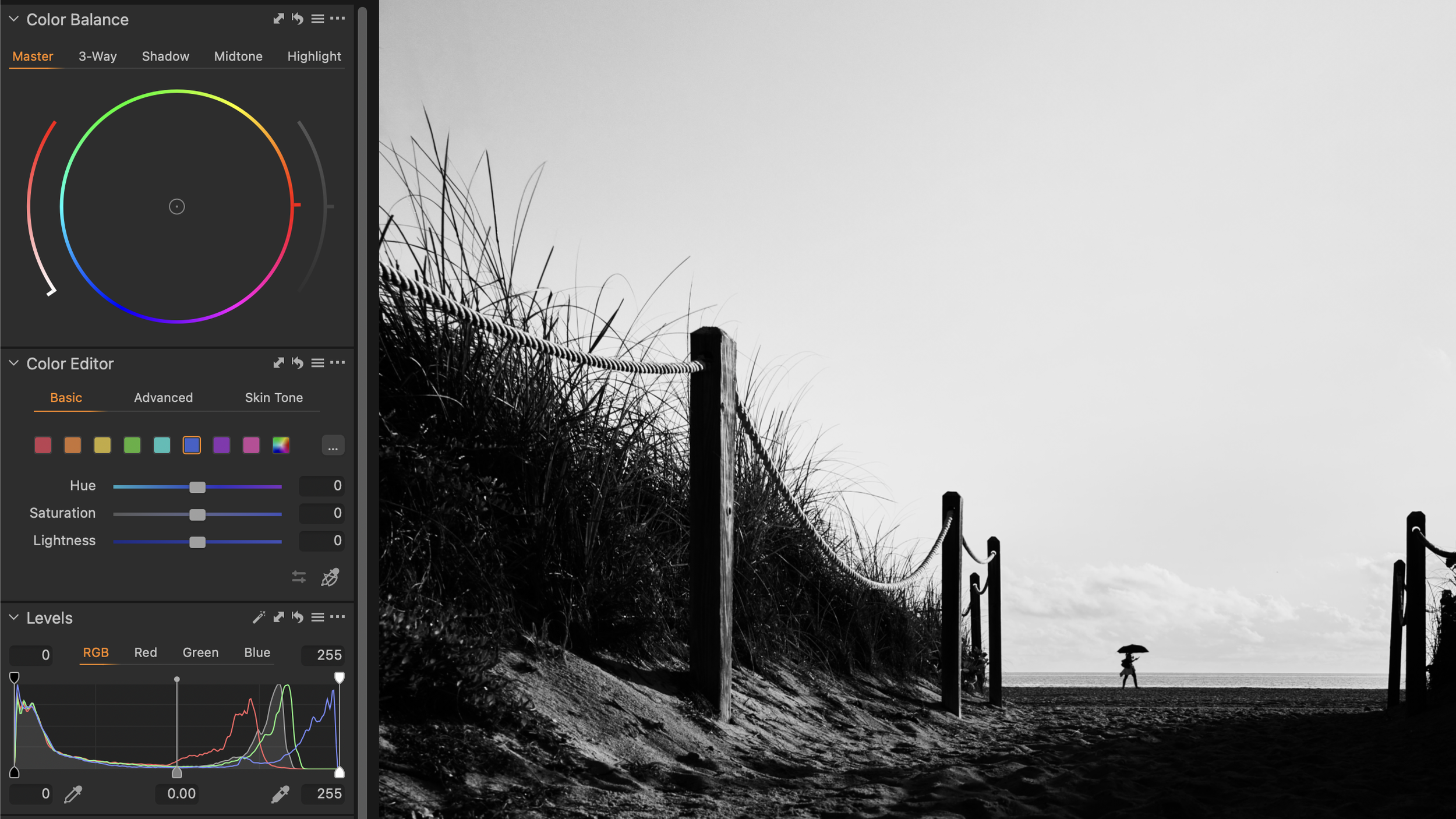
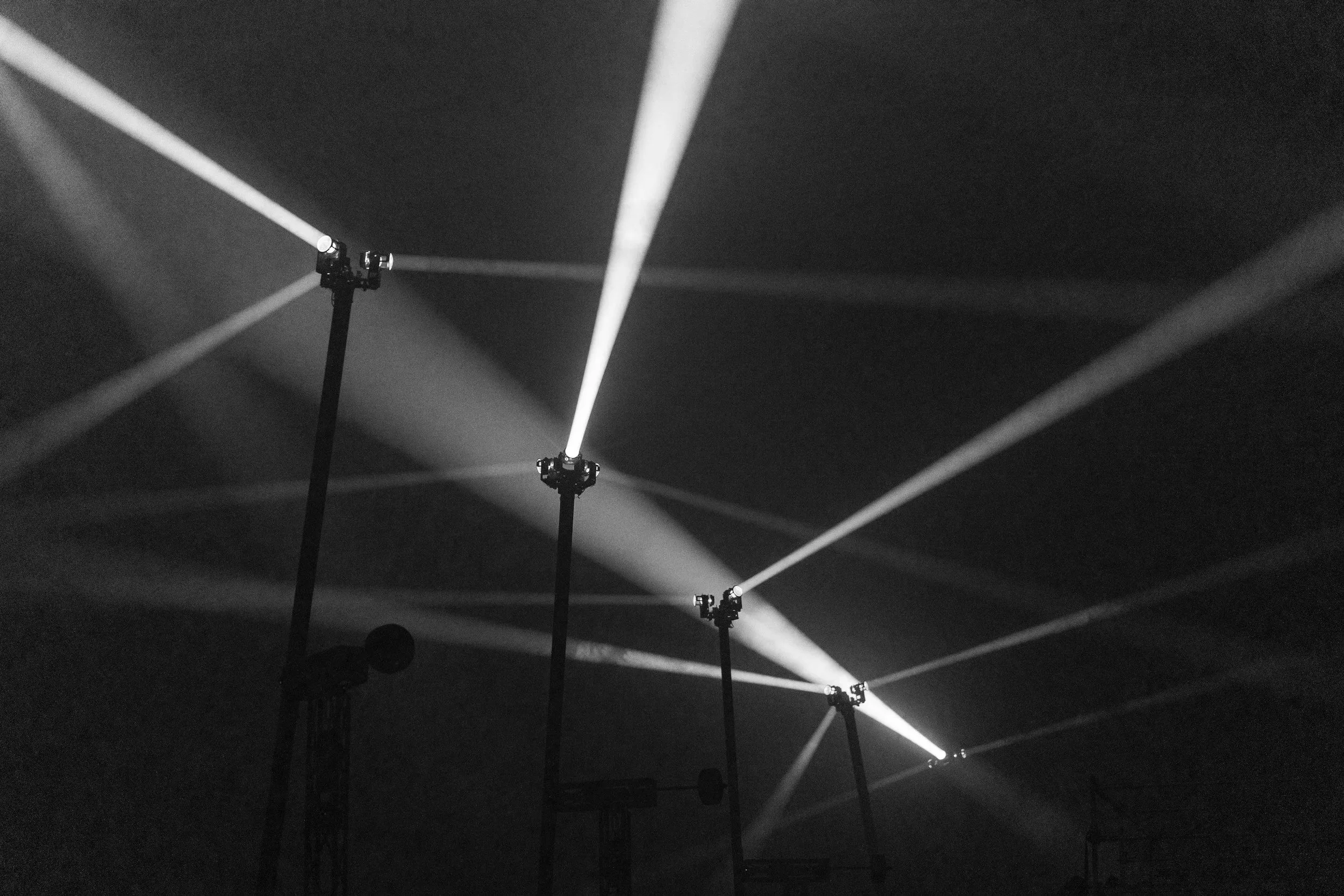
With monochrome work, this becomes even more powerful. Because black and white isn’t just about removing color. It’s about revealing structure. Tone. Mood. Weight. And those are things you learn to feel over time, not just apply.
You See Things You Didn’t See Before
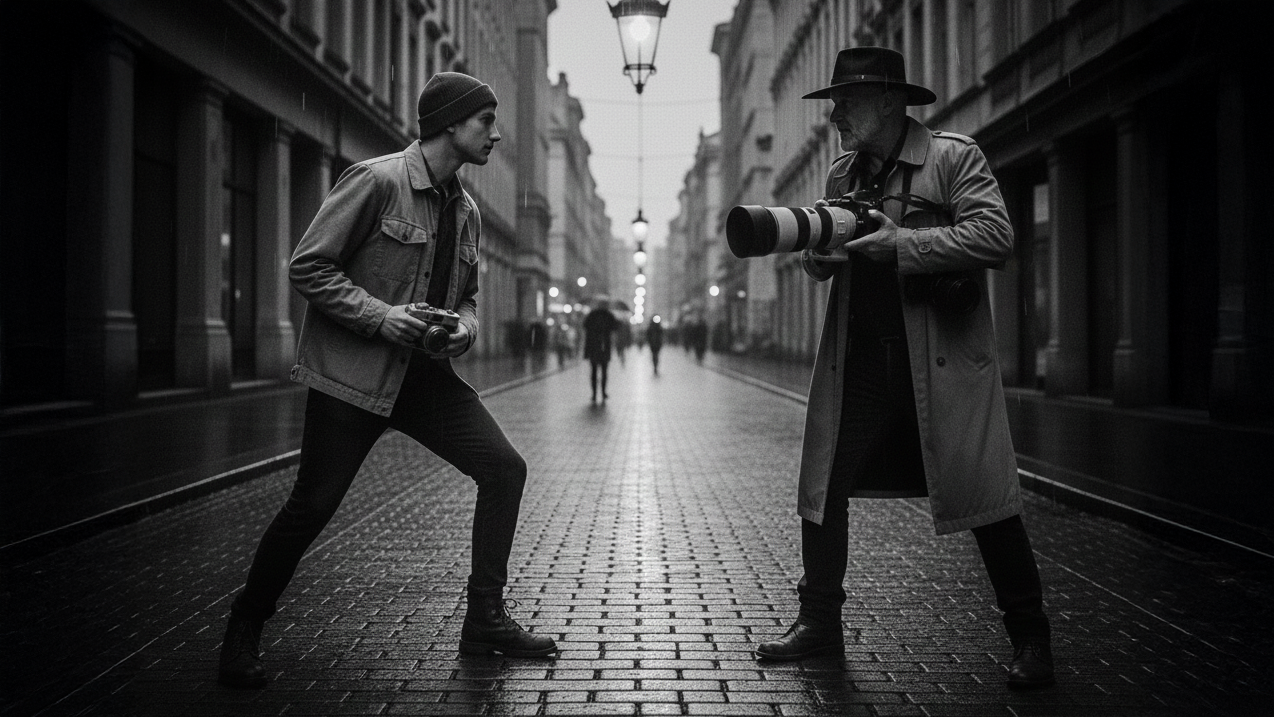
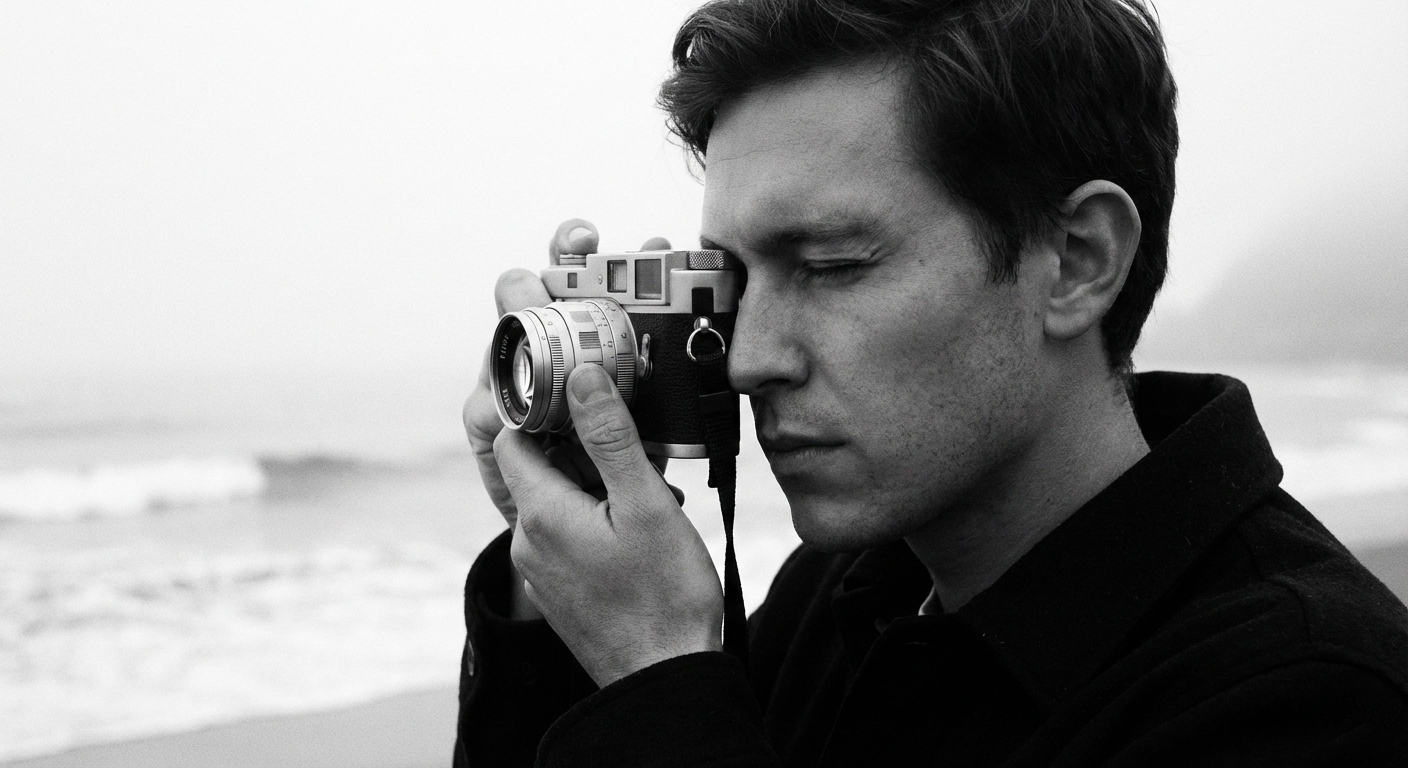
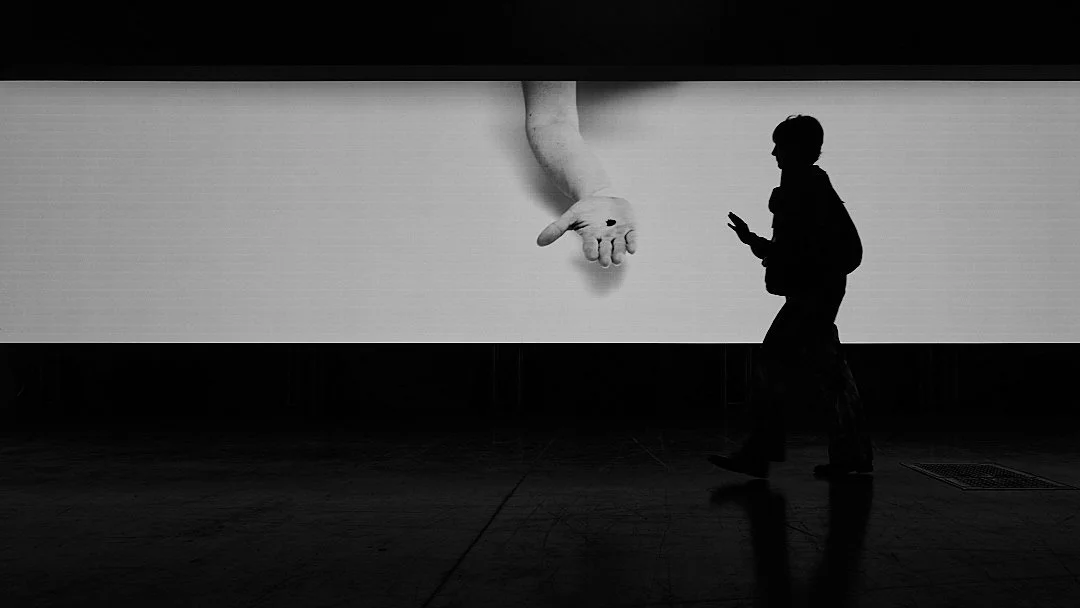
Reprocessing older photos often exposes hidden potential. Maybe the light falling across a face is more expressive than you realized. Maybe the geometry in a street scene feels stronger once you strip the distractions and lean into the shadows. Sometimes the story changes simply because you’ve lived more life since then.
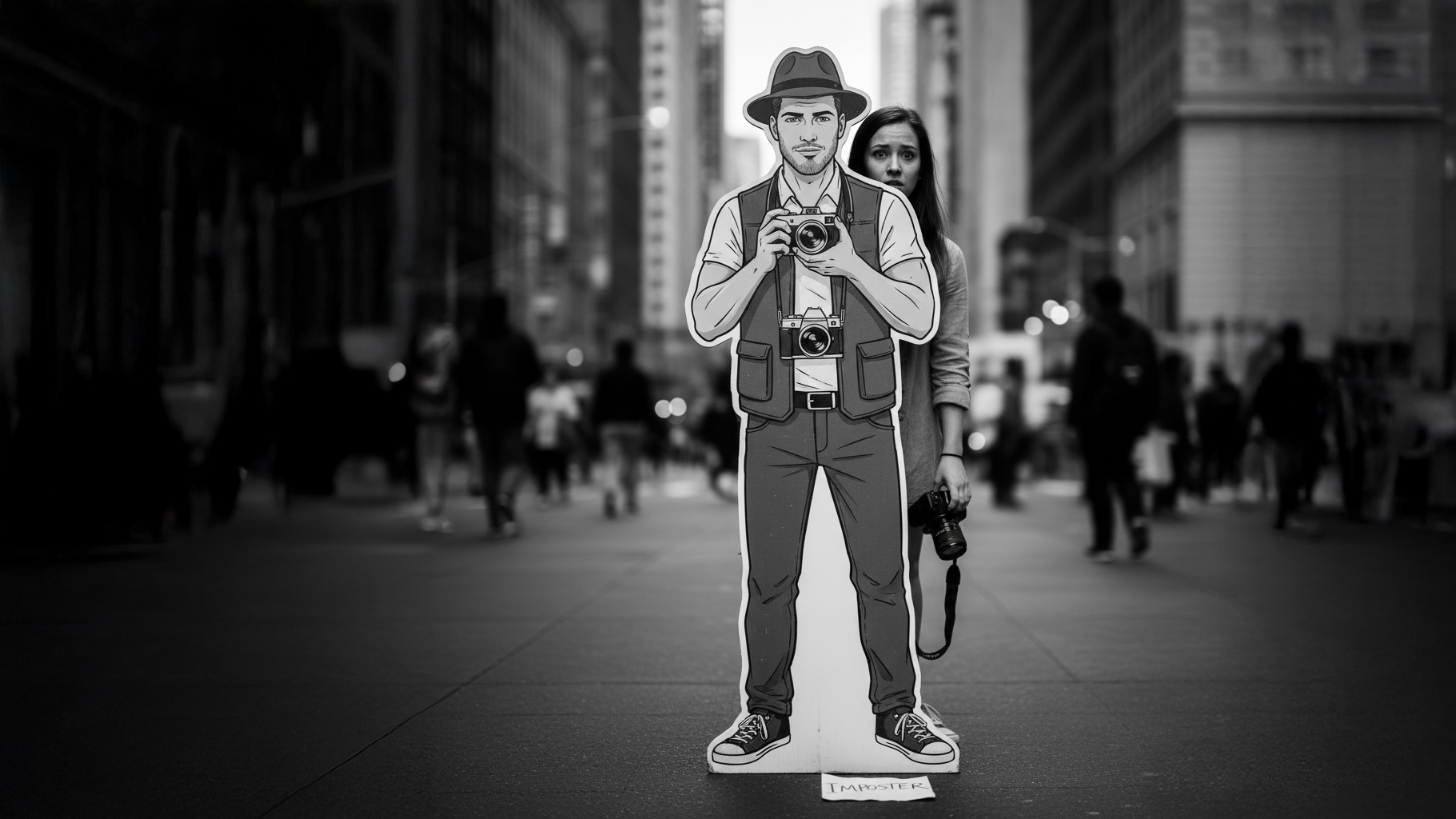
And let’s be honest older edits rarely hold up. We’ve all got those contrast heavy, clarity boosted, over sharpened disasters. Revisiting them is like opening a time capsule that says, “Here’s where you were, but look how far you’ve come.”
It Sharpens Your Current Vision
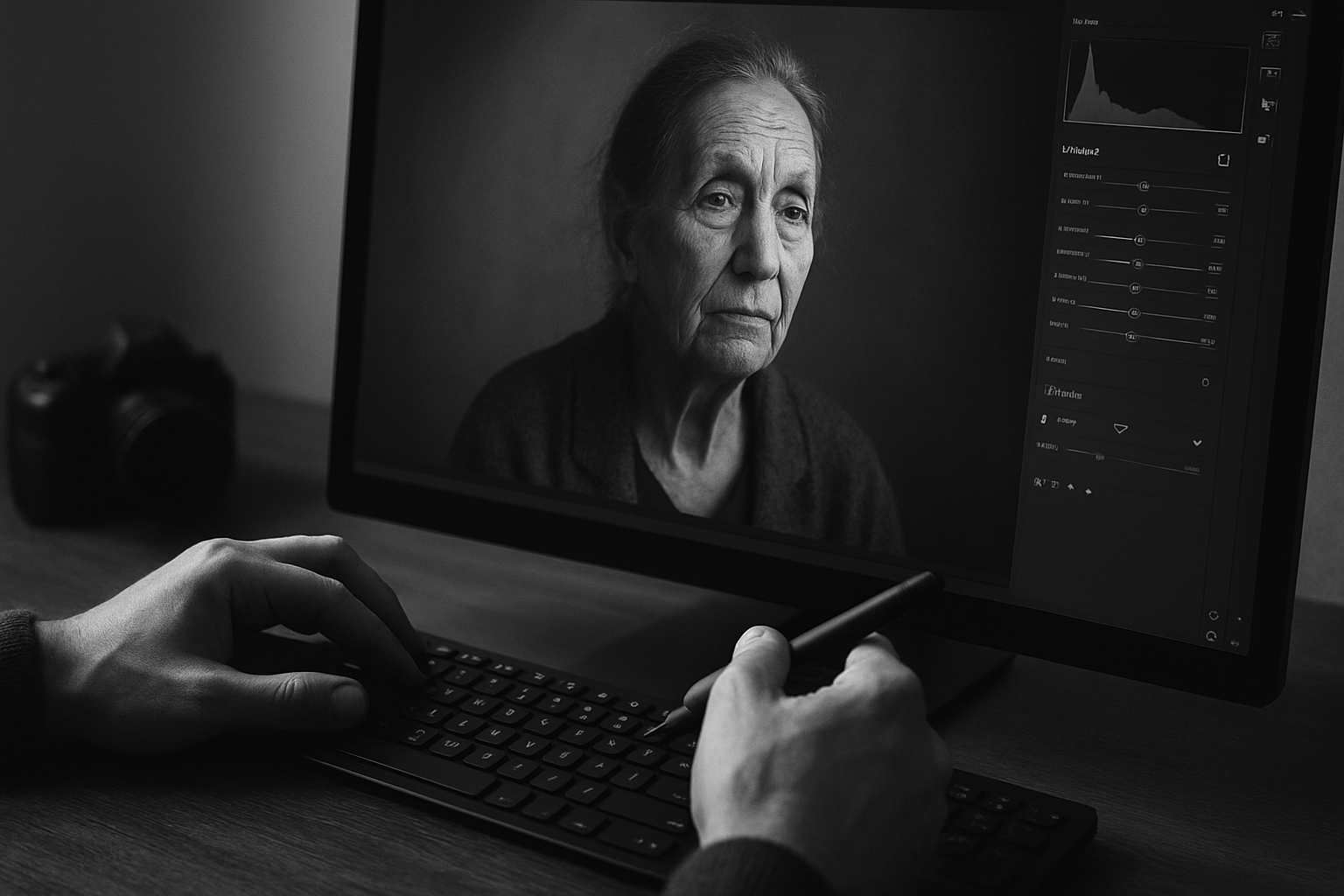
Working on older images actually improves your new work. It forces you to slow down and articulate what you want from a photo. You’re no longer reacting instinctively at the moment of capture; you’re sculpting tone and structure with intention. You become more conscious of your taste.
You might even discover patterns the kinds of scenes you’re drawn to, the light that speaks to you, or the subjects you always return to. And that awareness is fuel for stronger photographs moving forward.
It Just Feels Good
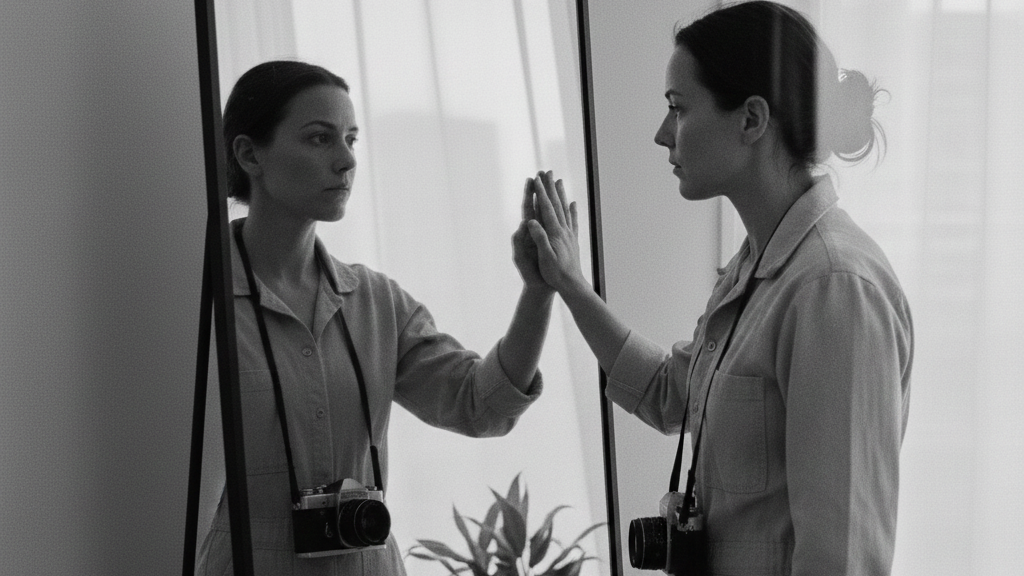
There’s also a simple, human benefit. Revisiting old photos reconnects you with the reasons you picked up a camera in the first place. You get to relive moments, rediscover people, and reexperience scenes that mattered. And through monochrome, those memories gain a timelessness that feels almost meditative.
How to Get Started
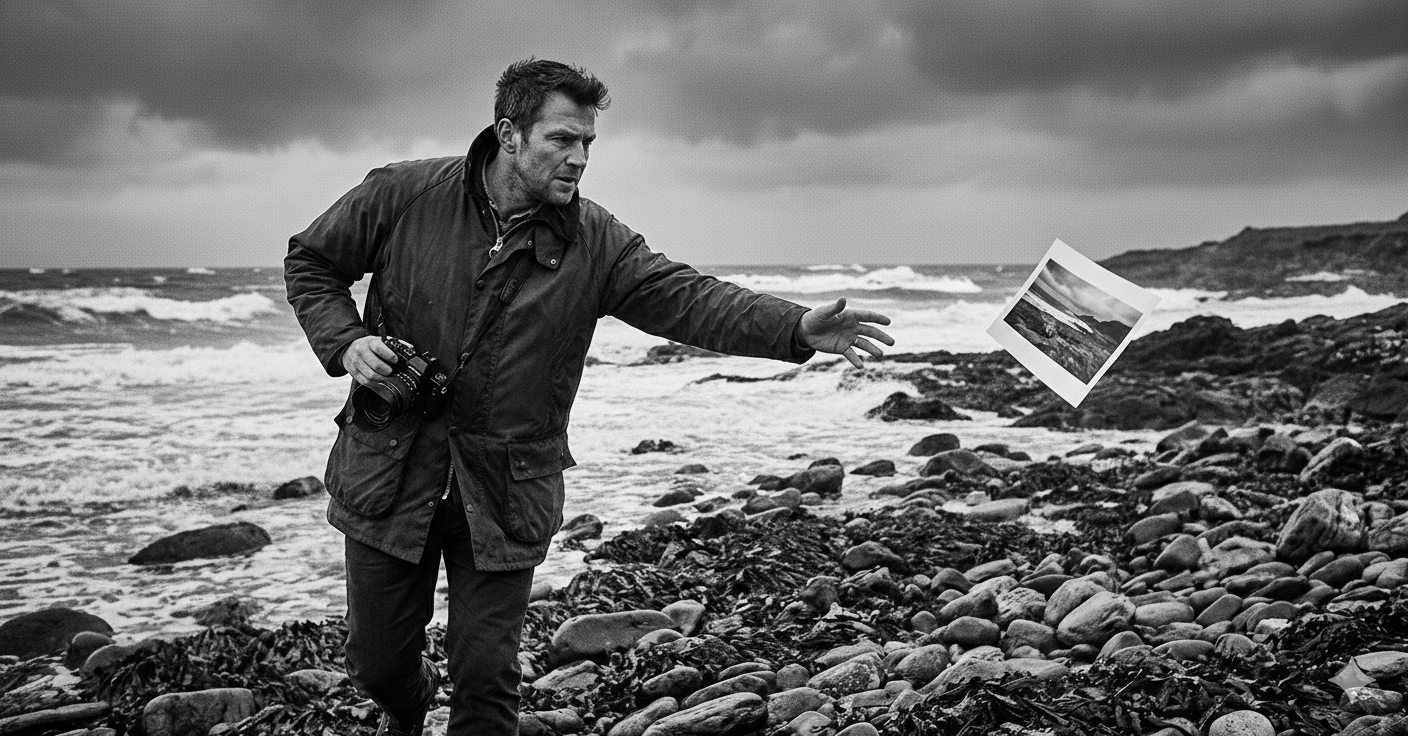
You don’t need a system. You just need curiosity. Pick a year. Pick a folder. Scroll until something catches your eye. Don’t judge the original edit that was you then. Focus on what you see now. Look for shape, light, texture, and mood. Treat it like a conversation with your past self.
And if you find something worth breathing new life into? That’s the reward.