Technology is Advancing, Why Aren’t My Photos?
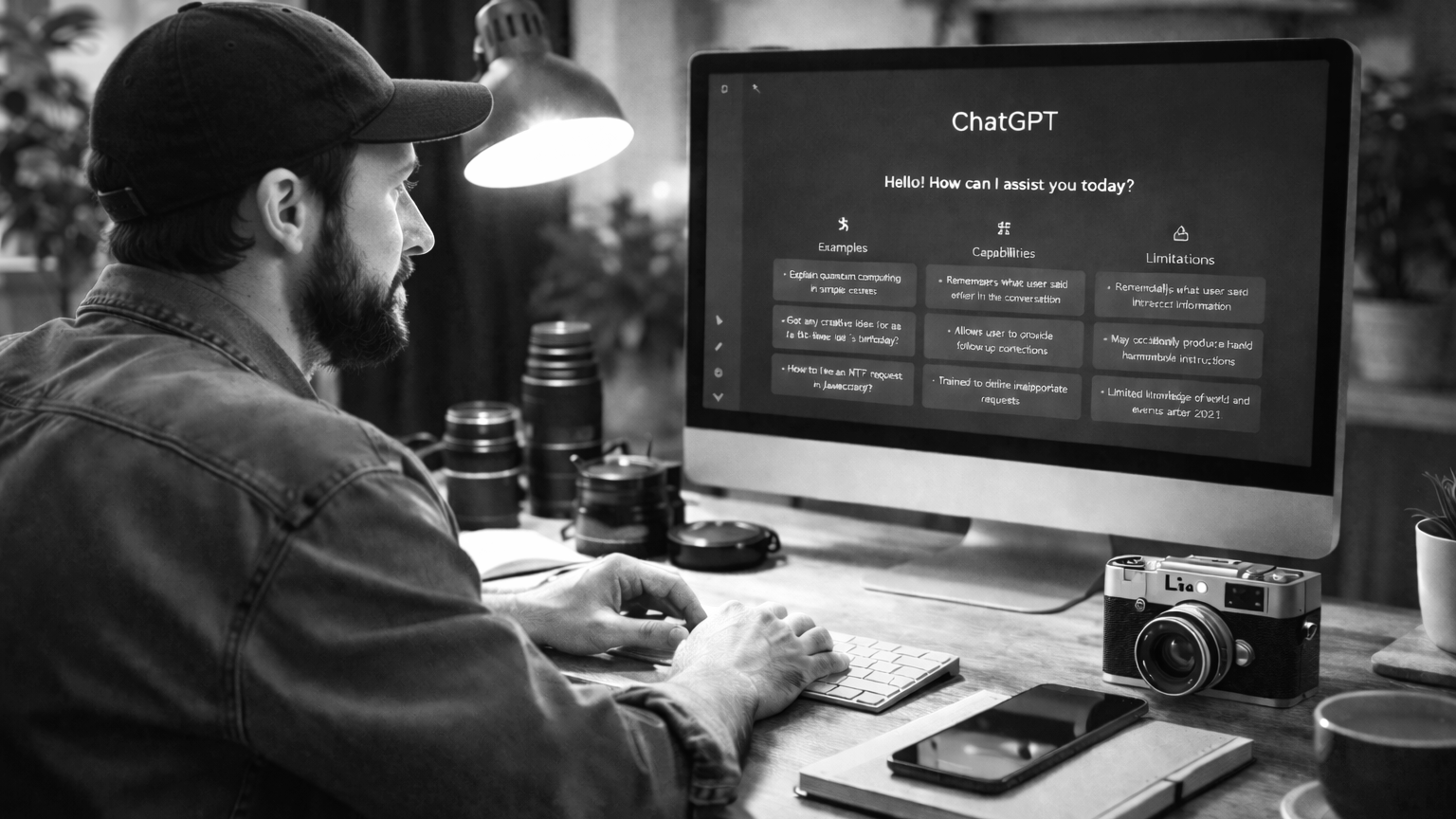
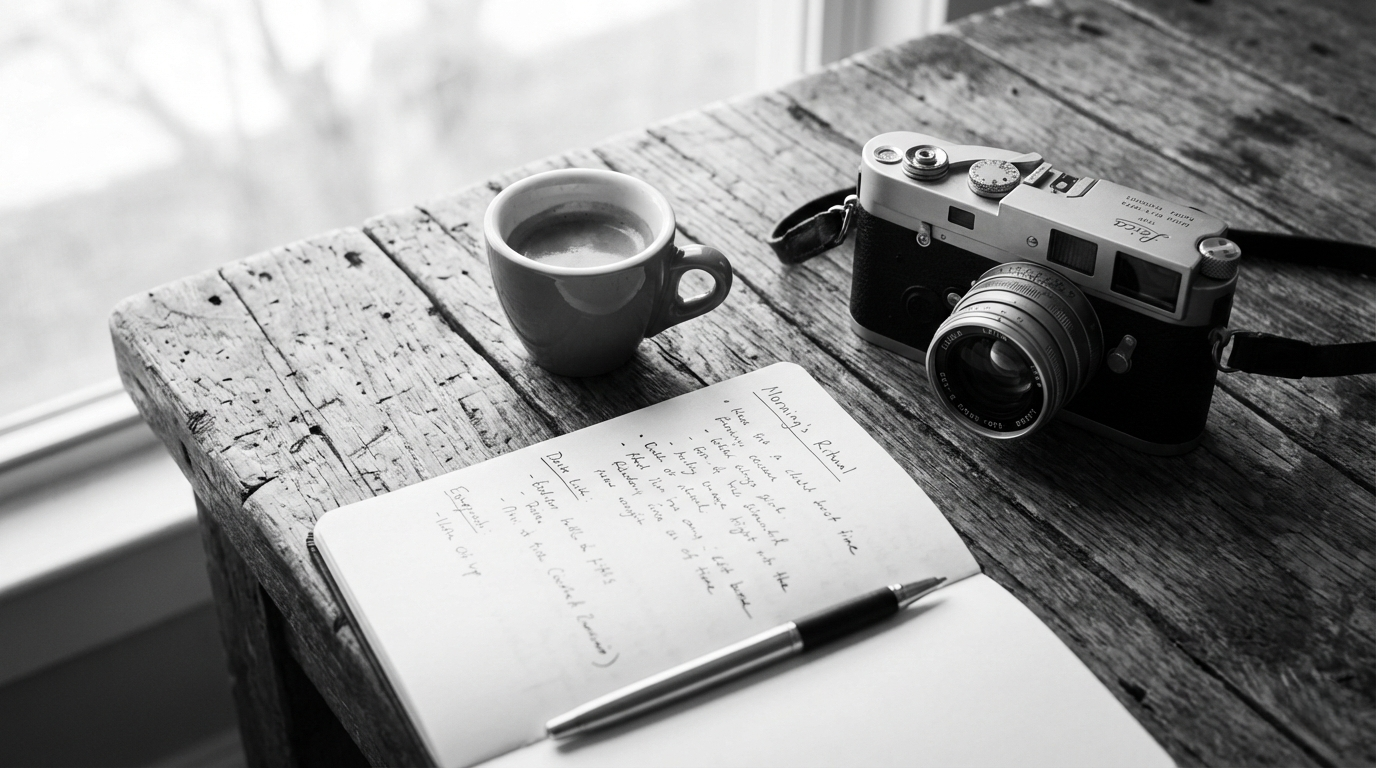
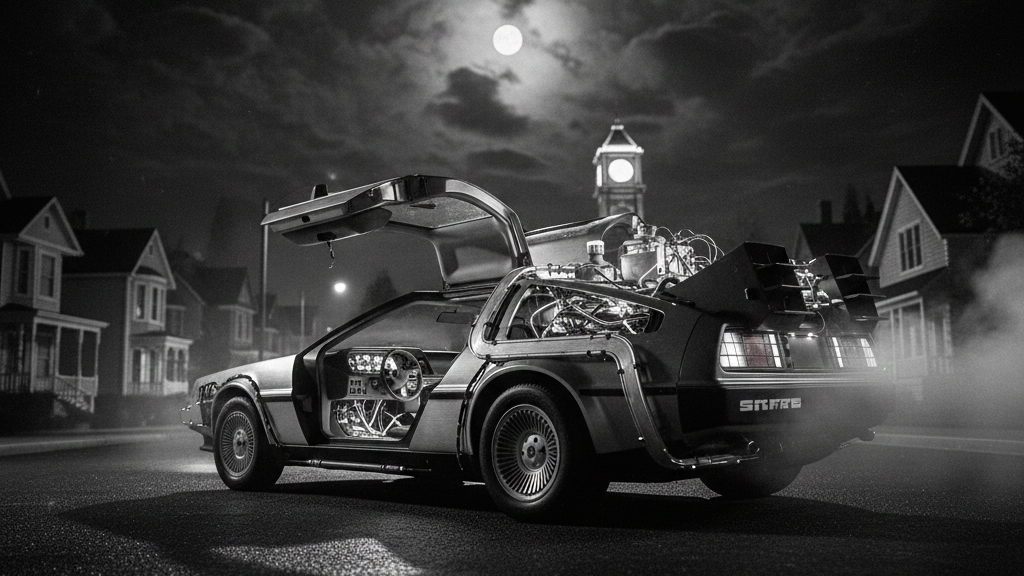
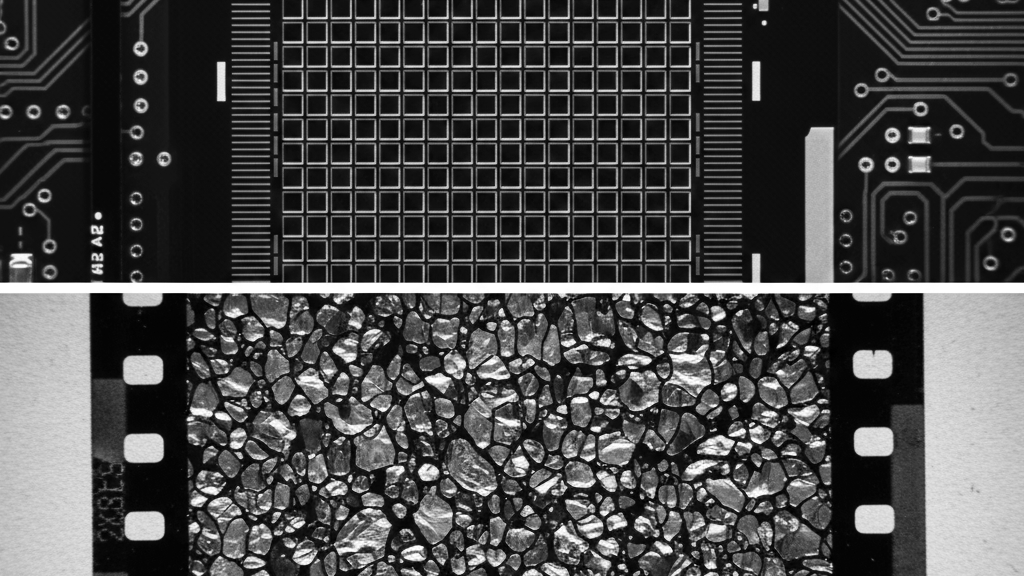
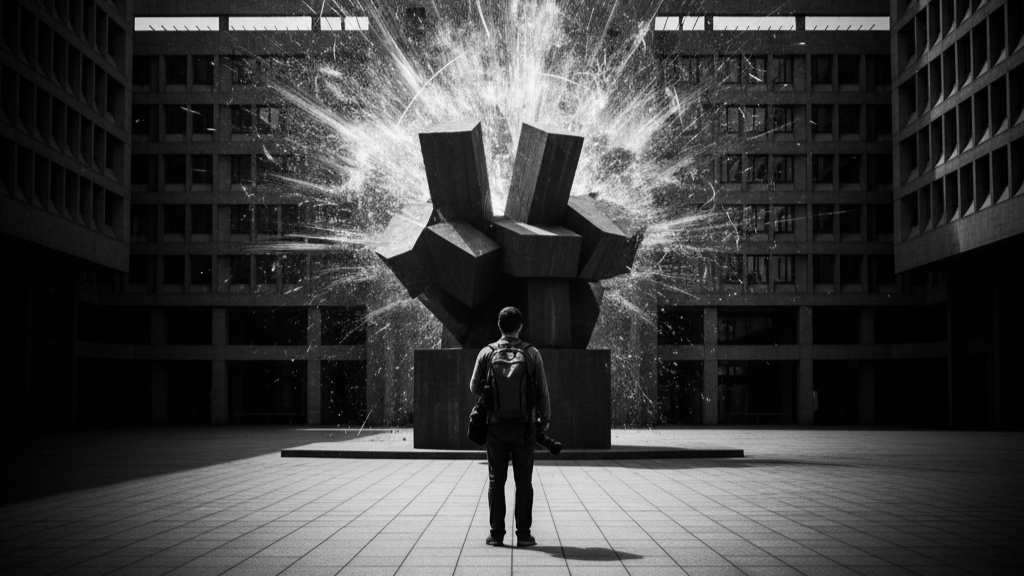
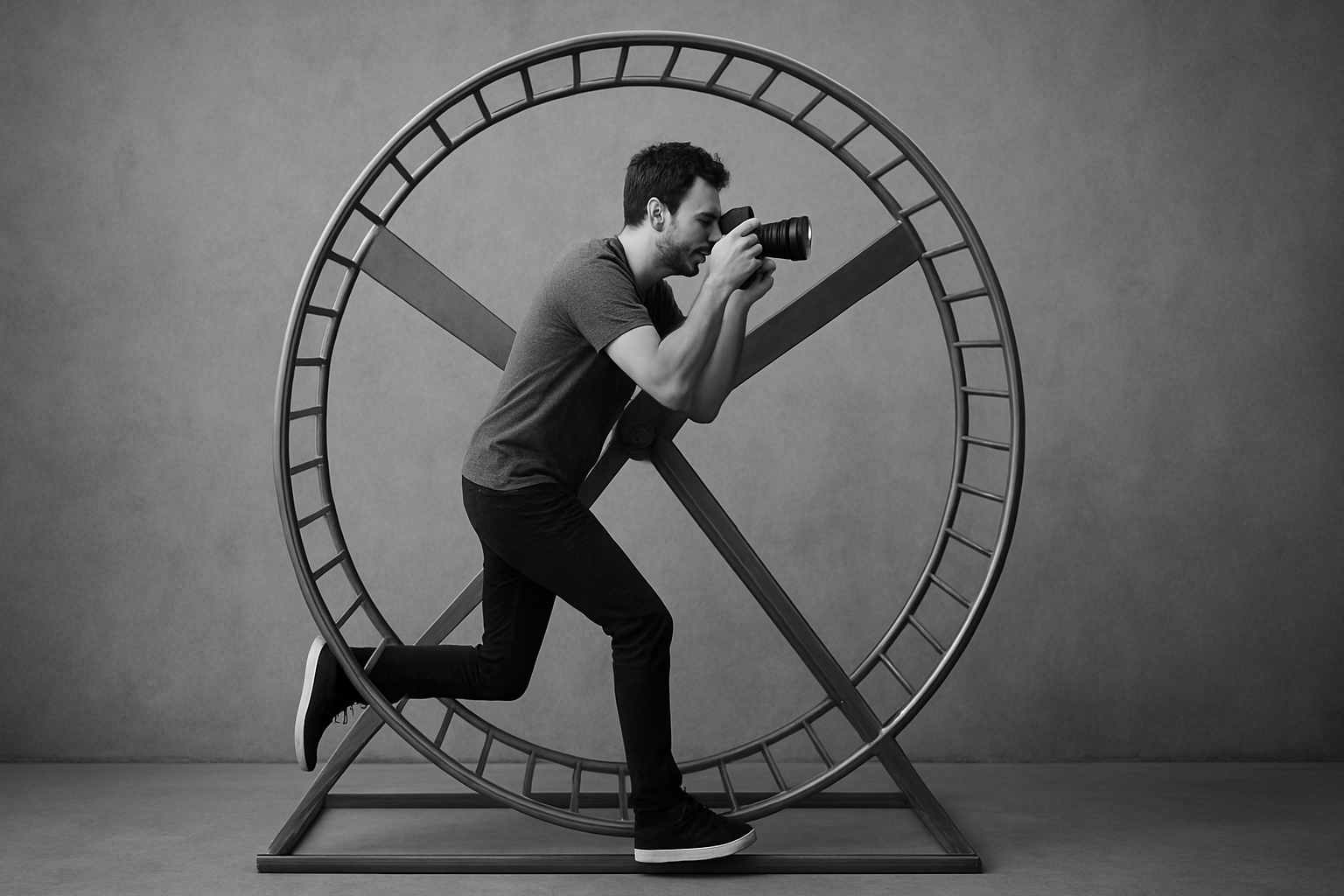
Every year the camera industry gives us something new to obsess over. More megapixels. Cleaner ISO. Faster autofocus. Better stabilization. A “game changing” sensor that promises to unlock the hidden genius inside us. And yet, somehow, our photos don’t always seem to keep up with the pace of innovation. The tech improves. The spec sheets inflate. But our images? They often stay exactly the same.
If that stings a little, good. It should. Because the truth is liberating: it means the bottleneck was never the camera.

The Myth of Guaranteed Improvement
There’s a quiet assumption baked into modern photography culture: better cameras make better photographs. And sure, technologically speaking, they do. A modern camera will outperform one from ten years ago in almost every measurable way. But meaningful improvement in your photography has never been measurable. It’s not a chart or a benchmark or a spec sheet. It’s seeing. It’s intention. It’s the choices you make when you raise the viewfinder to your eye.
Tech can only amplify what’s already there. If you aren’t evolving creatively, your camera can’t compensate for that.
Why New Gear Doesn’t Automatically Make You Better
When you buy a new camera, you get excitement, clean menus, fresh firmware, and a shiny sensor. What you don’t get is a developed eye. You don’t suddenly gain stronger compositions or better timing or the ability to interpret light in monochrome. The camera doesn’t hand you meaning. It simply records what you choose to place in front of it.
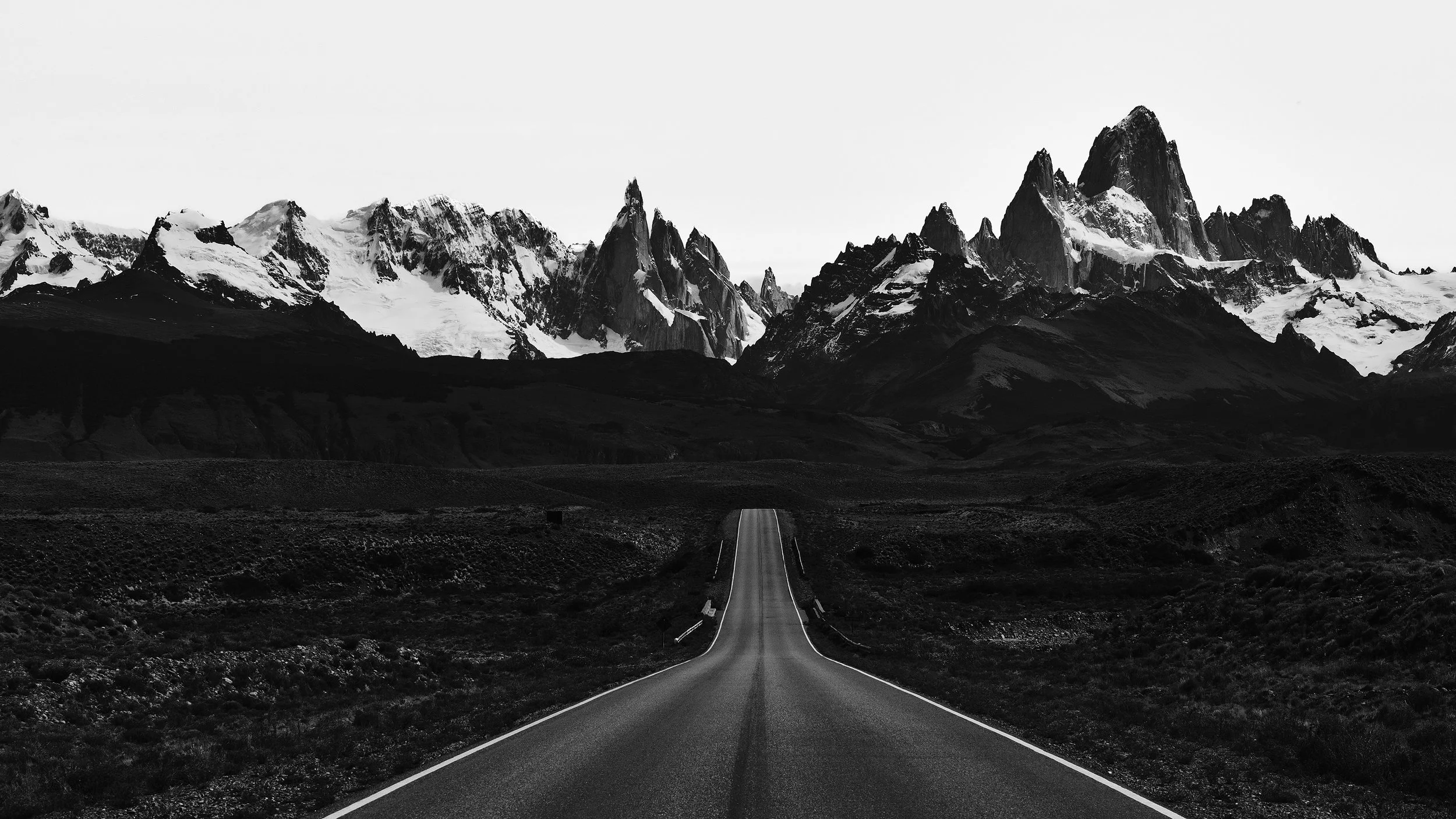
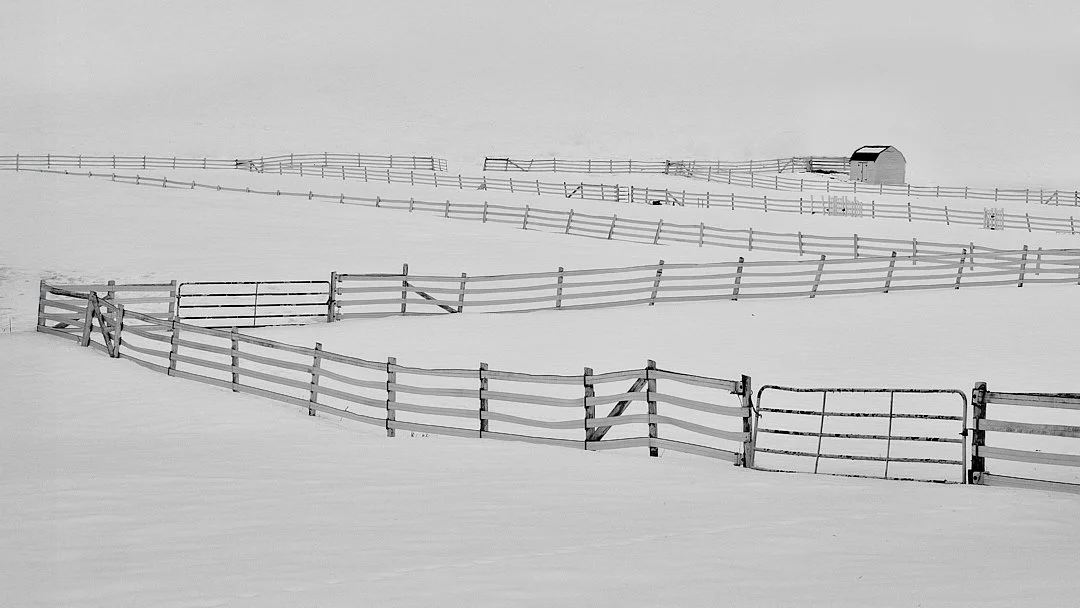
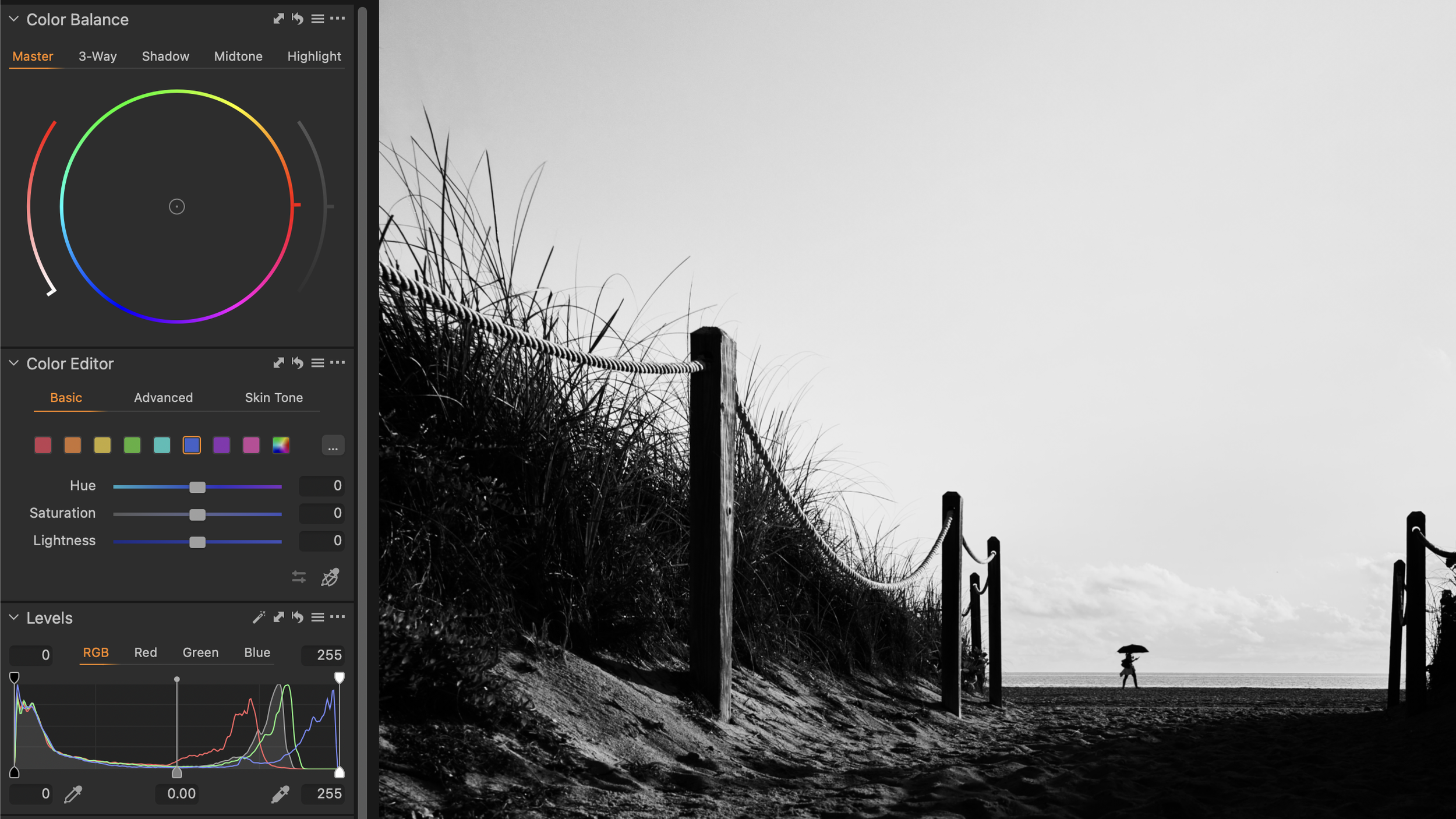
Monochrome photography reveals this more brutally than anything else. Without color to hide behind, your intent has nowhere to go. If you’re not improving as a visual thinker, the camera will happily show that to you in razor-sharp detail.
The Real Reasons Your Photos Aren’t Improving
It’s not because your camera is old. It’s not because your lens isn’t “fast enough.” It’s not even because you’re too busy.
It’s usually because:
You’re shooting the same subjects in the same way.
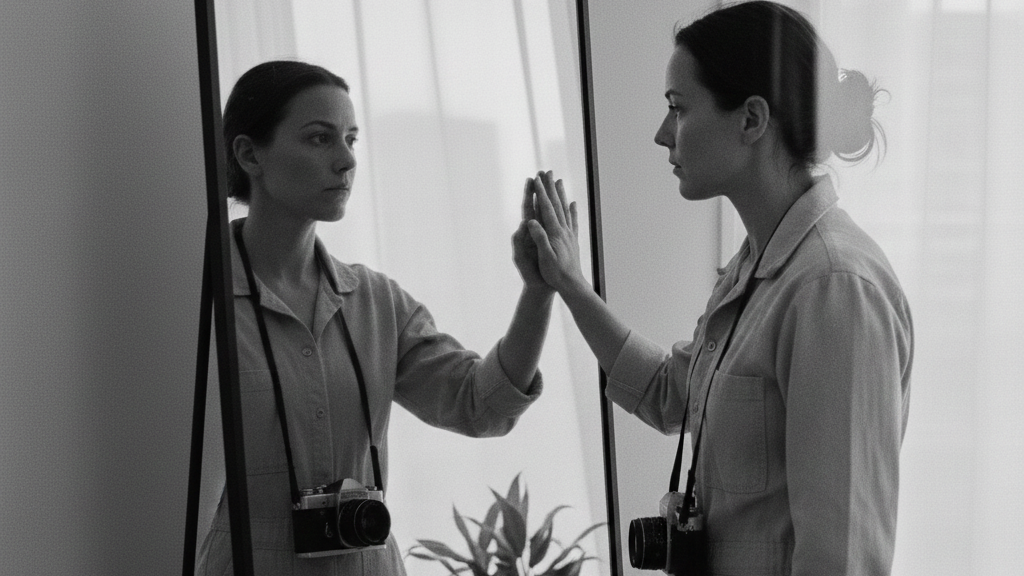
You’re not analyzing your own work critically.
You’re not experimenting with light.
You’re not slowing down to make deliberate choices.
You’re consuming more content than you create.
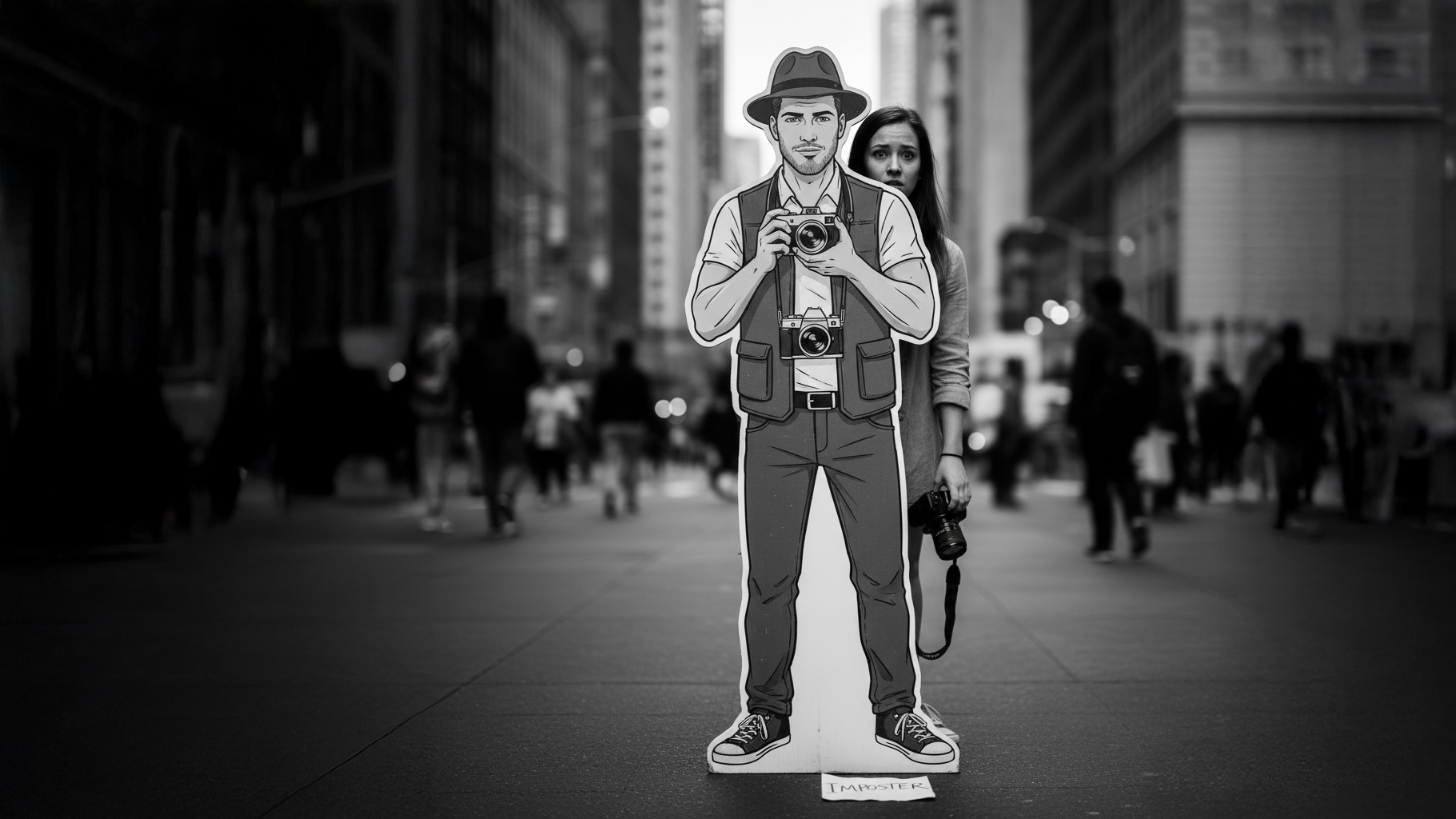
You’re placing your faith in technology instead of technique.
None of those problems can be solved with a new sensor.
Photography Evolves When You Do
If you want your photos to get better, really better, you have to upgrade your process, not your body. You have to push yourself to see differently. That means:
Study light.
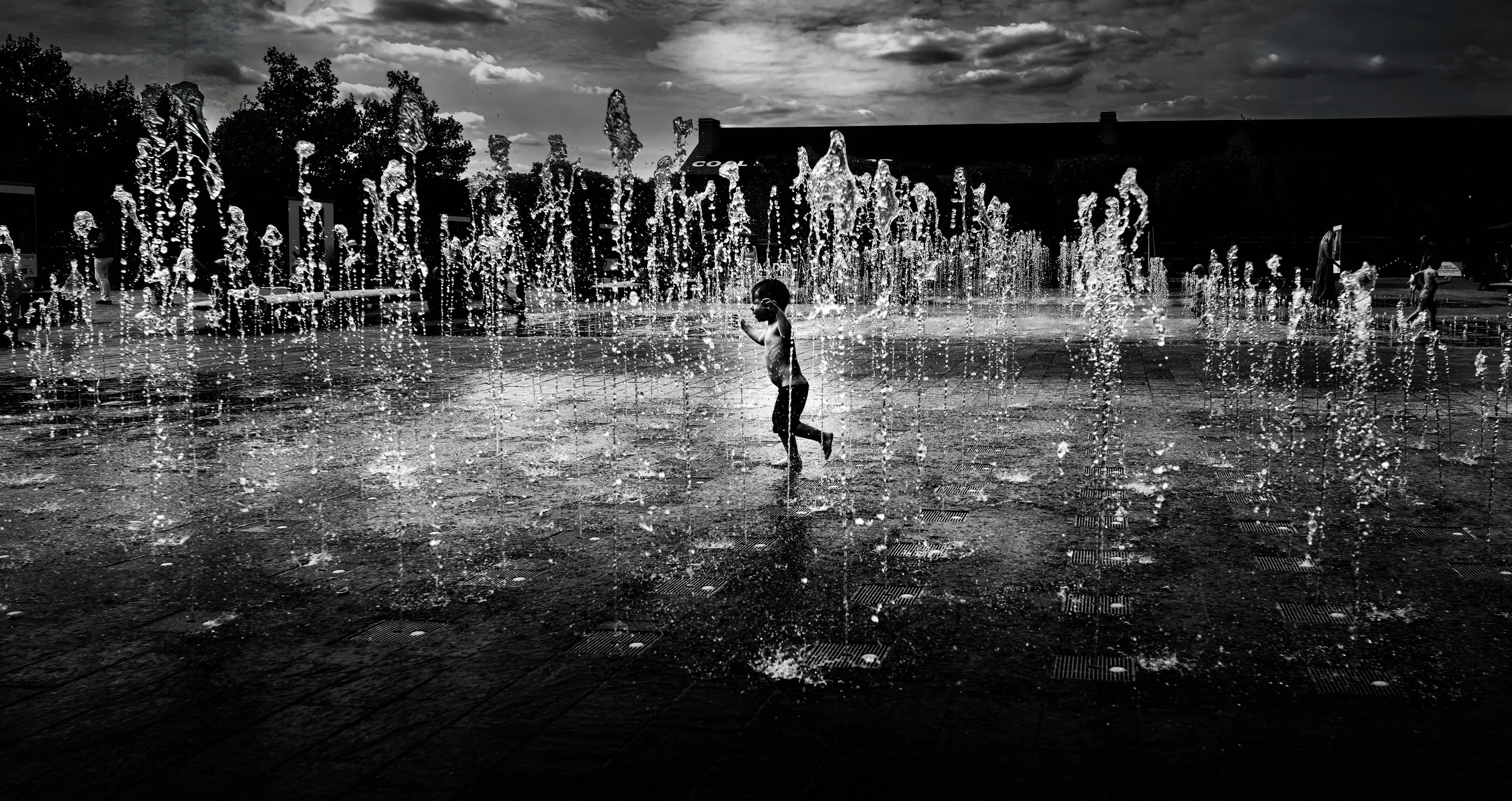
Learn how it shapes a face, isolates a subject, or creates depth in monochrome. Light is your ink. Learn to write with it.
Get uncomfortable.
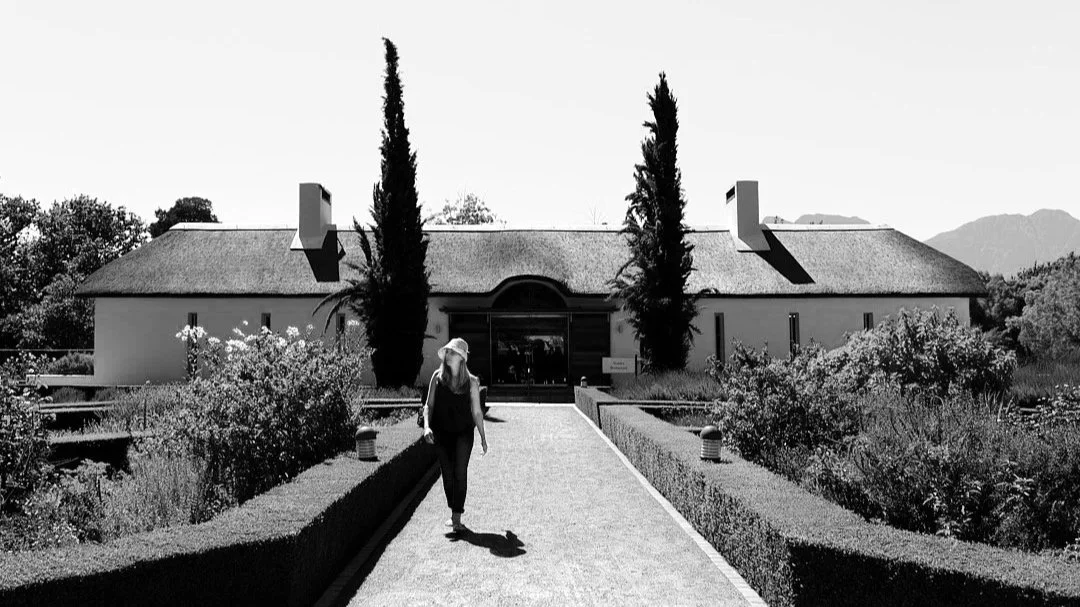
Try subjects you’ve ignored. Shoot at times of day you usually avoid. Step outside your habits.
Analyze the greats.
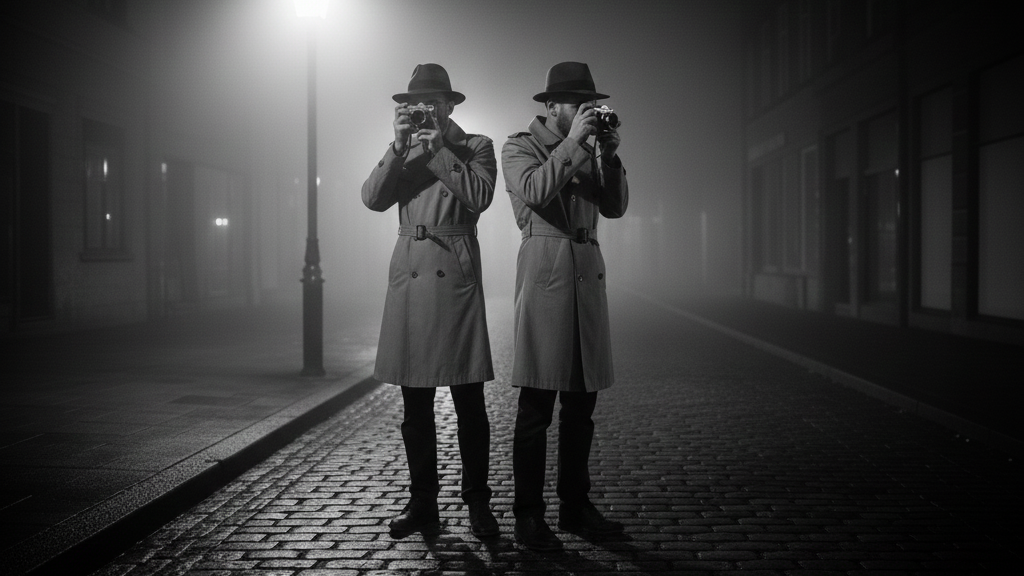
Not in a casual scroll-past way, but with intention. Ask why the frame works. Ask what decision led to that moment.
Edit harder.
Most photographers don’t have a shooting problem—they have a curation problem. Be ruthless in what you show.
Shoot with intention.
Not everything needs to be photographed. But every photo you make should be for a reason.
Technology is extraordinary—but it’s also irrelevant without vision. The camera is a tool. You are the variable.
The Takeaway
The tech isn’t the problem. The lack of growth isn’t in your sensor; it’s in your habits. Your next big leap won’t come from a firmware update. It will come from practice, curiosity, and the courage to shoot beyond your comfort zone.
If you want your photos to advance as fast as your gear, stop upgrading your camera and start upgrading your craft.
That’s the real path to better work and the one most people avoid.