
The Monochrome Minute
The Monochrome Minute is an article series to help you master the art of black and white photography. Whether you’re a beginner exploring light and shadow or an experienced shooter refining your style, our posts offer guidance on seeing in monochrome, capturing mood, and creating images that truly stand out.
Featured Articles
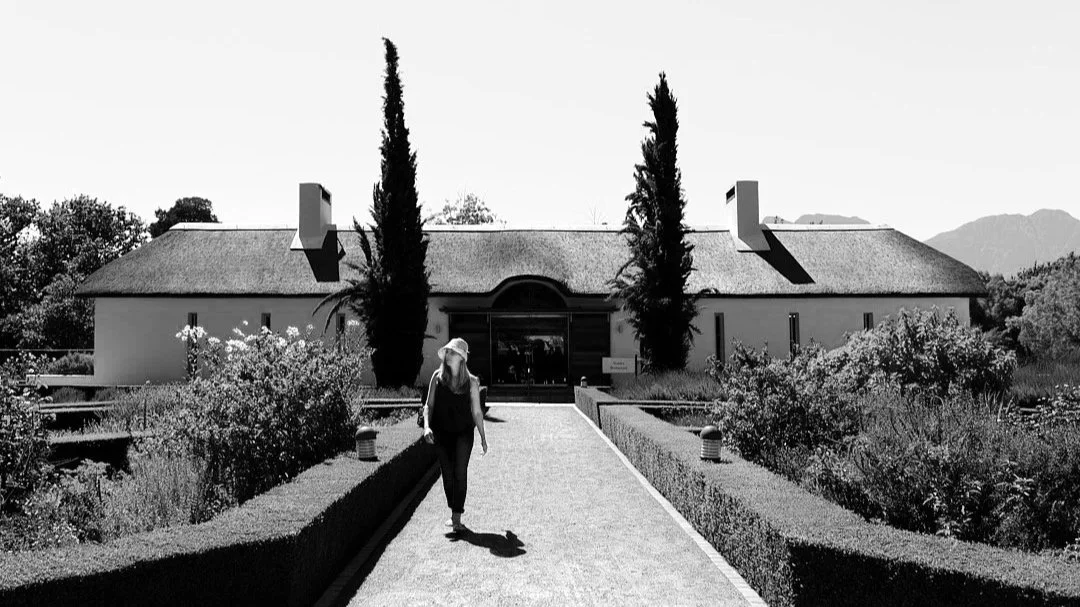
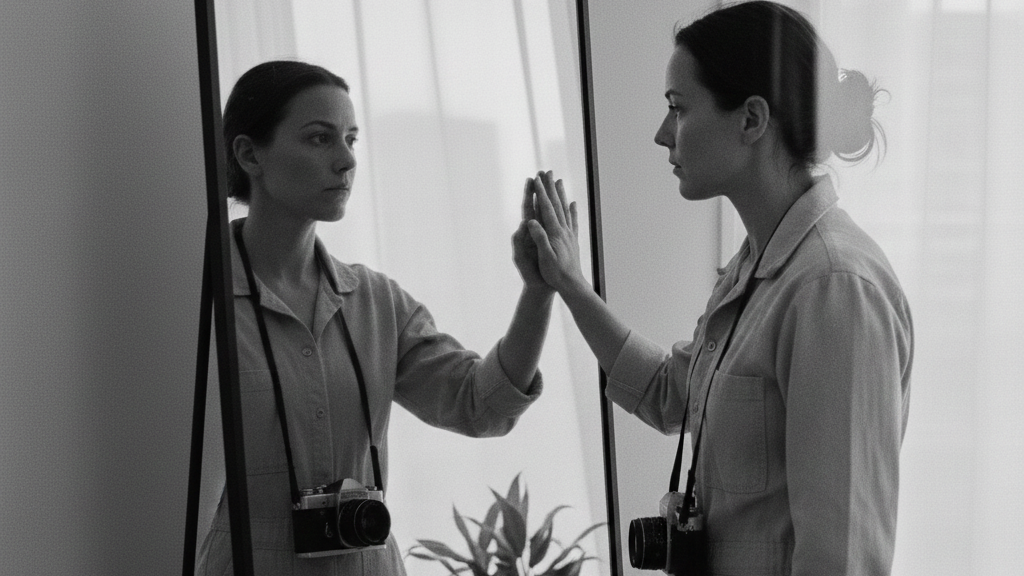
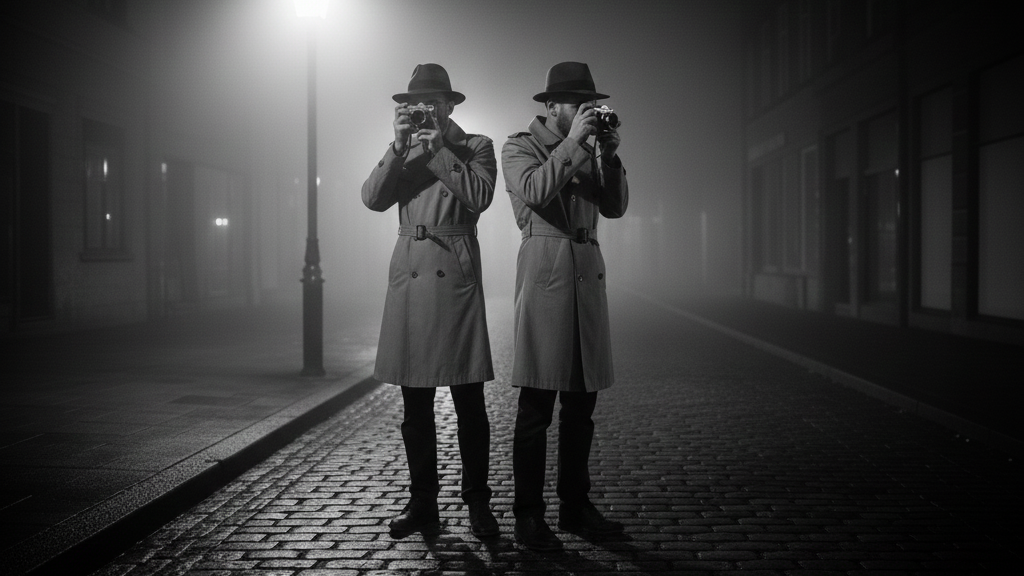

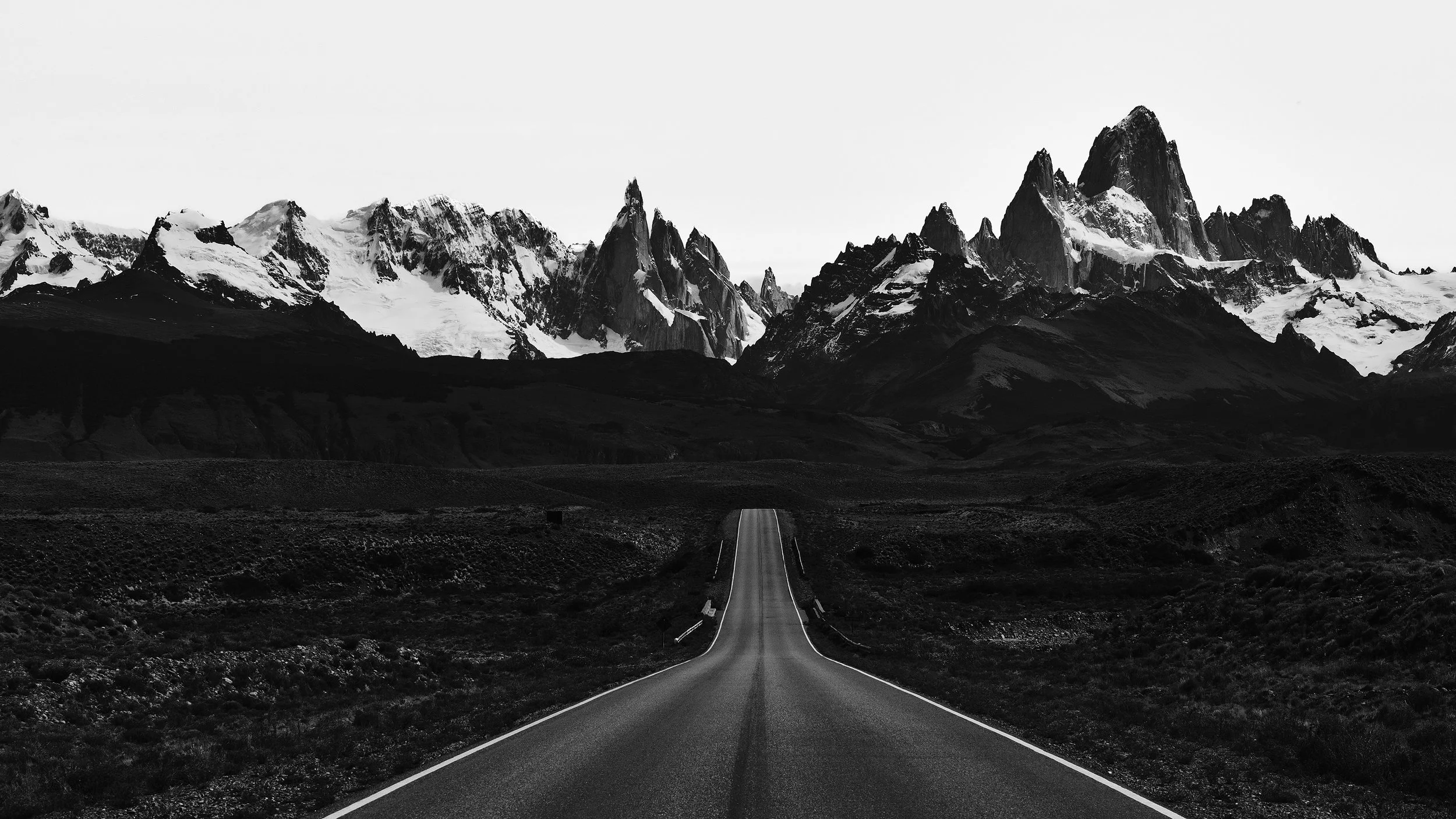


ORIGINAL ARTICLES
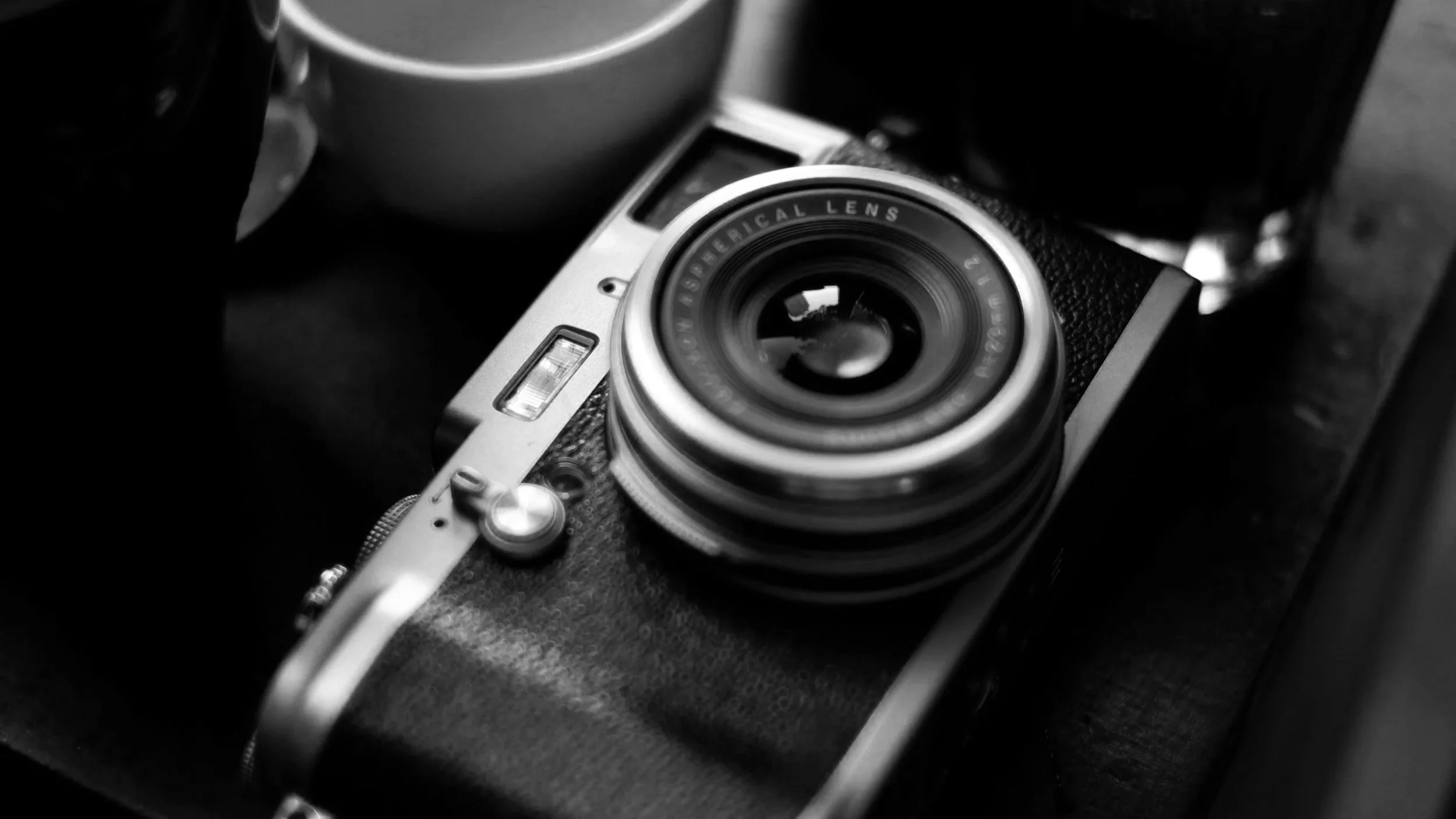
The Soul of the Machine Why We Are Obsessed with Retro Cameras
Why is everyone suddenly obsessed with cameras that look fifty years old? It is not just a trend. It is a psychological reaction to our auto everything world. Let us talk about why the Fujifilm X100VI and Nikon Zf are winning hearts by acting as instruments not just computers.
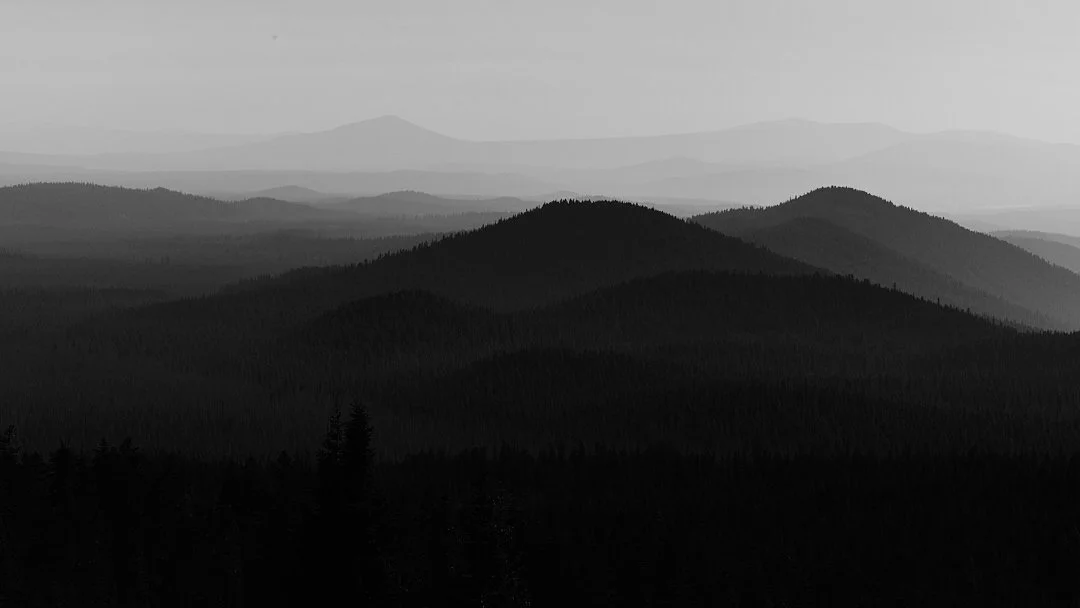
The "Flat" Photo Problem
We’ve all been there. You capture a great moment, but in black and white, it just feels "flat." The problem isn't your camera, it’s a lack of layers. Let's chat about how to move beyond 2D thinking and start building depth into your frames using the "One, Two, Three" rule.
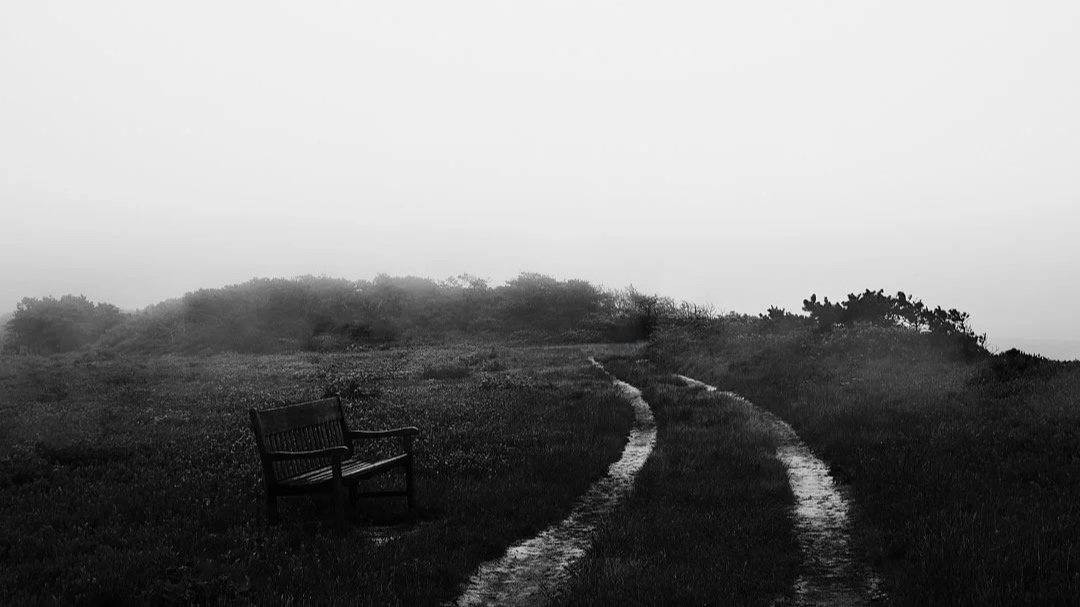
Finding Extraordinary in the Ordinary
There is a persistent myth in photography that beauty is something we have to travel toward. We wait for the big trip or the exotic landscape to truly 'see,' but the real magic happens when we learn to find the extraordinary in the quiet, familiar corners of our everyday lives.
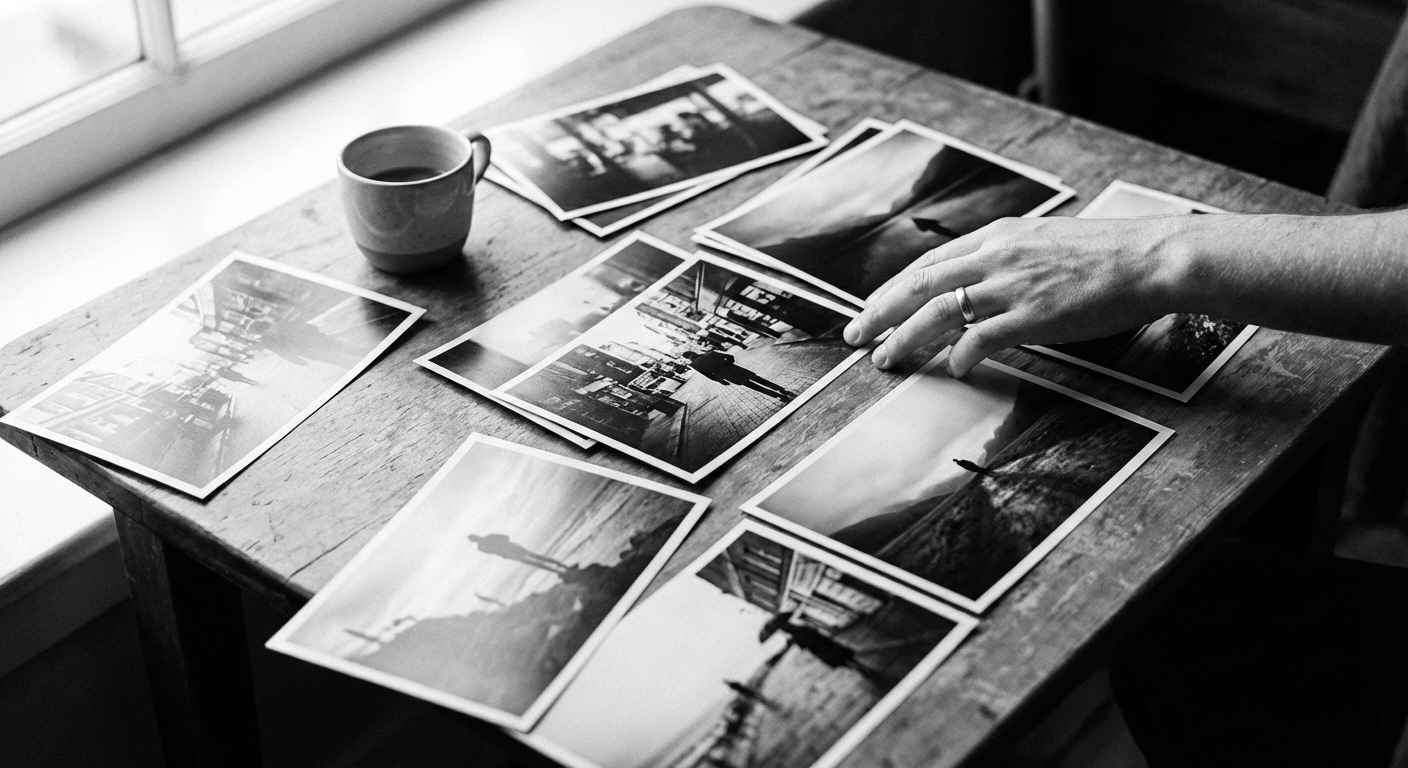
Finding Yourself in the Year Behind You
We often treat our past work as a graveyard of old ideas, but our archives are actually living things. We’re stepping back from the hunt for the next shot to listen to the stories we’ve already told. It’s time to find the 'red thread' that connects your 2025 journey.
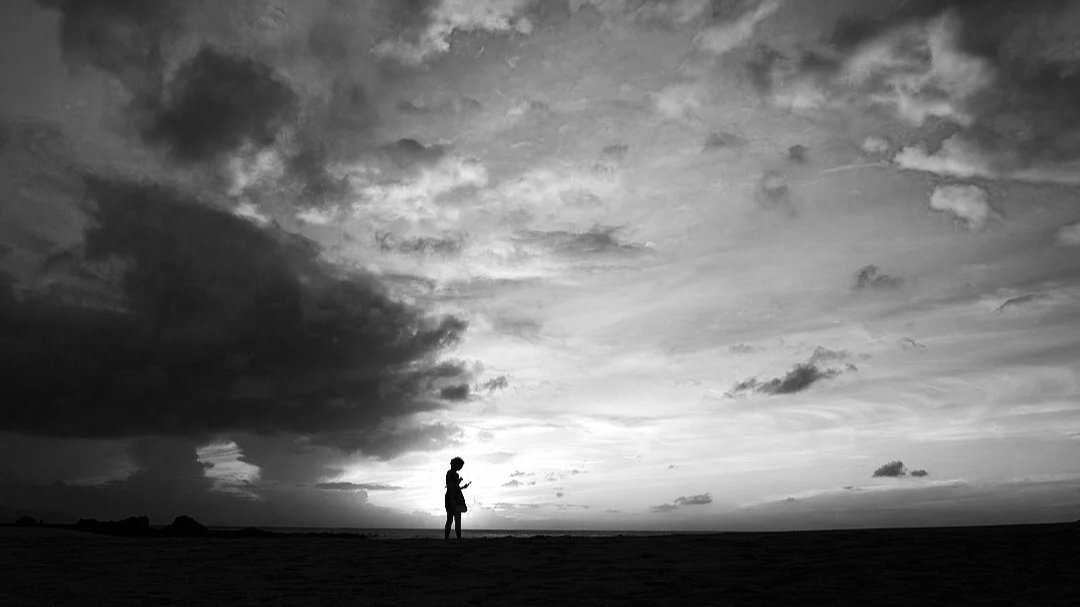
The Silent Language: Why Gesture is the Heartbeat of a Photograph
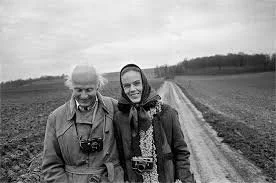
In black and white, we are stripped of the distractions of color. We can’t rely on a vibrant red coat or a deep blue sky to pull the viewer’s eye. Instead, we must rely on the rawest form of human communication: the gesture. If shadow is the silence of a photograph, then gesture is its voice.
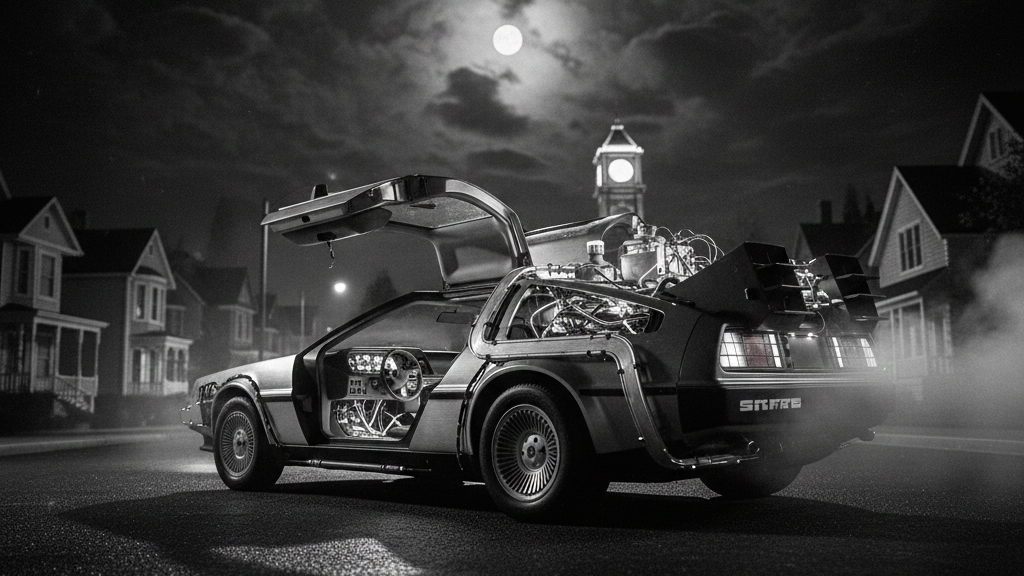
Why Monochrome is a Time Machine
Color is a timestamp. It anchors your photos to a specific year, a fashion trend, or a piece of technology. But monochrome is a time machine. Discover how stripping away the "noise" of color allows your images to escape the calendar and become truly eternal, focusing on universal human emotions rather than the distractions of the "now."
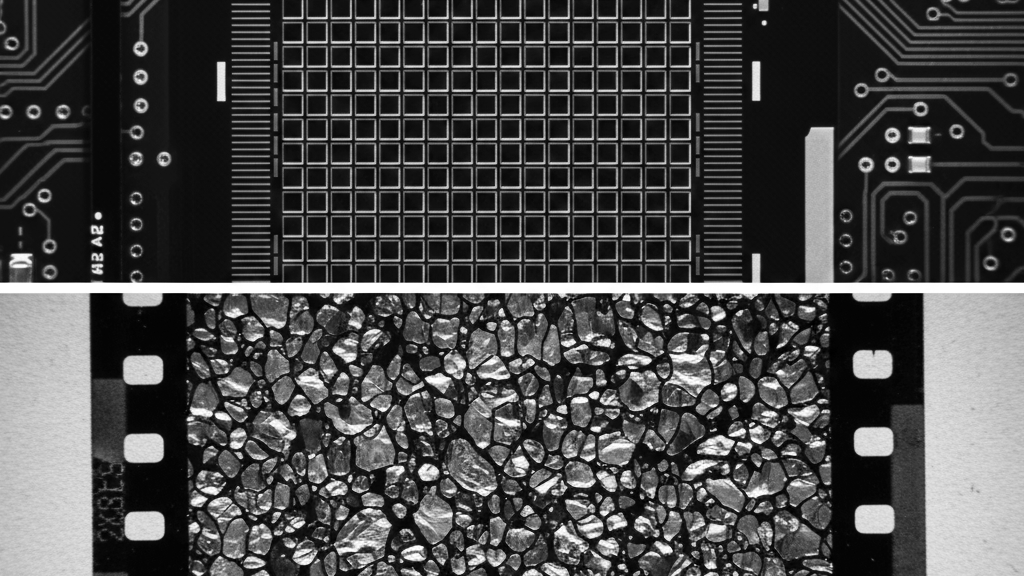
Is Your Photography Too Clinical? The Problem With Digital Perfection
Modern sensors are miracles of engineering, but for the monochrome photographer, that perfection is often the enemy. If your work feels sterile or flat, it’s likely lacking the "soul" of analog film. In this post, we explore why "clinical" isn't the goal and how to reintroduce the organic chaos of grain to give your digital files a soul.
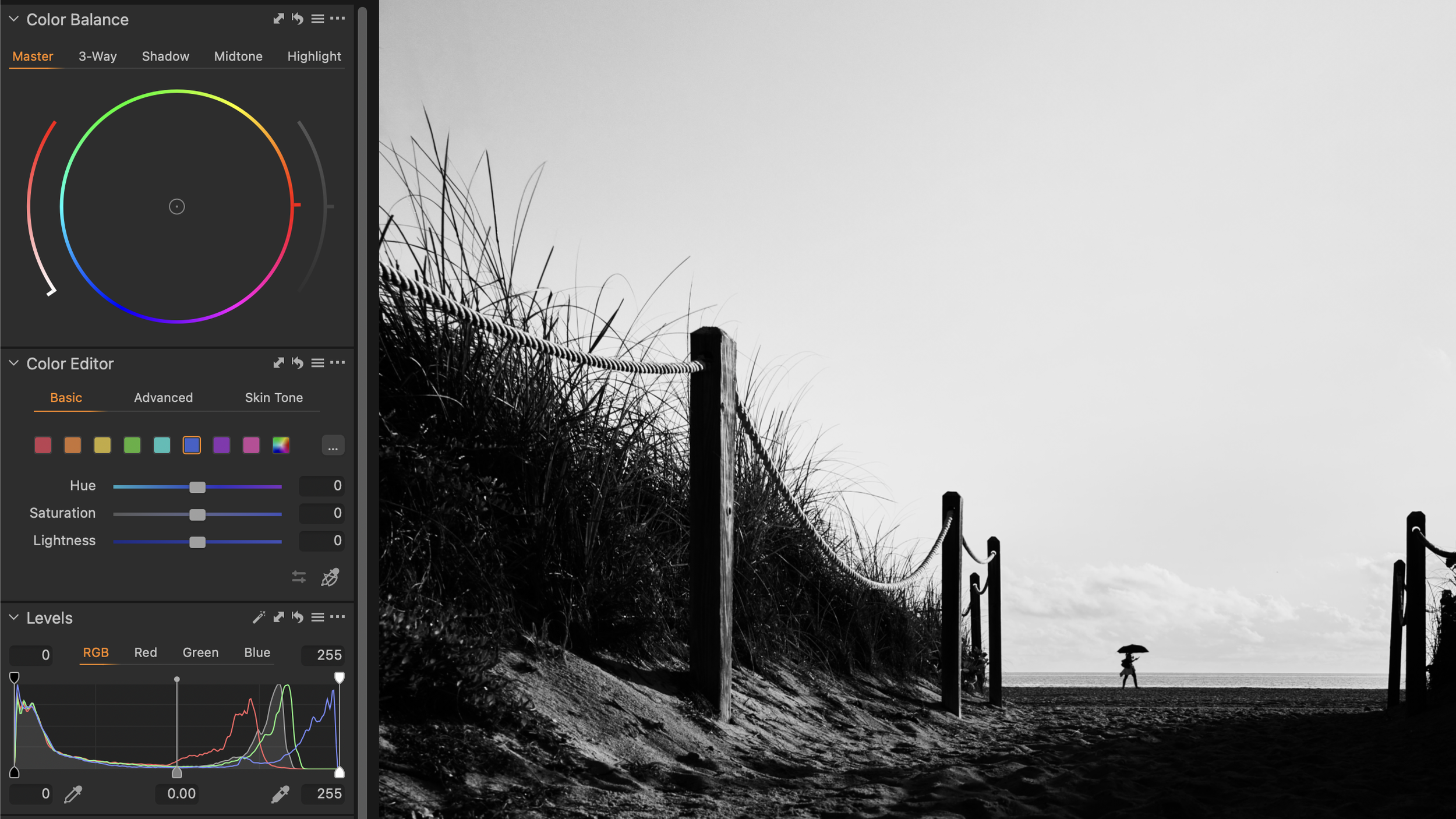
Does Hue and Saturation Matter in Monochrome Photography?
If your black and white images look flat, you're missing a trick. We dive into the most powerful surgical tool in your editing kit: the color sliders. Learn why Hue and Saturation adjustments are absolutely critical for achieving dramatic tonal separation in monochrome, transforming a flat image into a high contrast masterpiece.
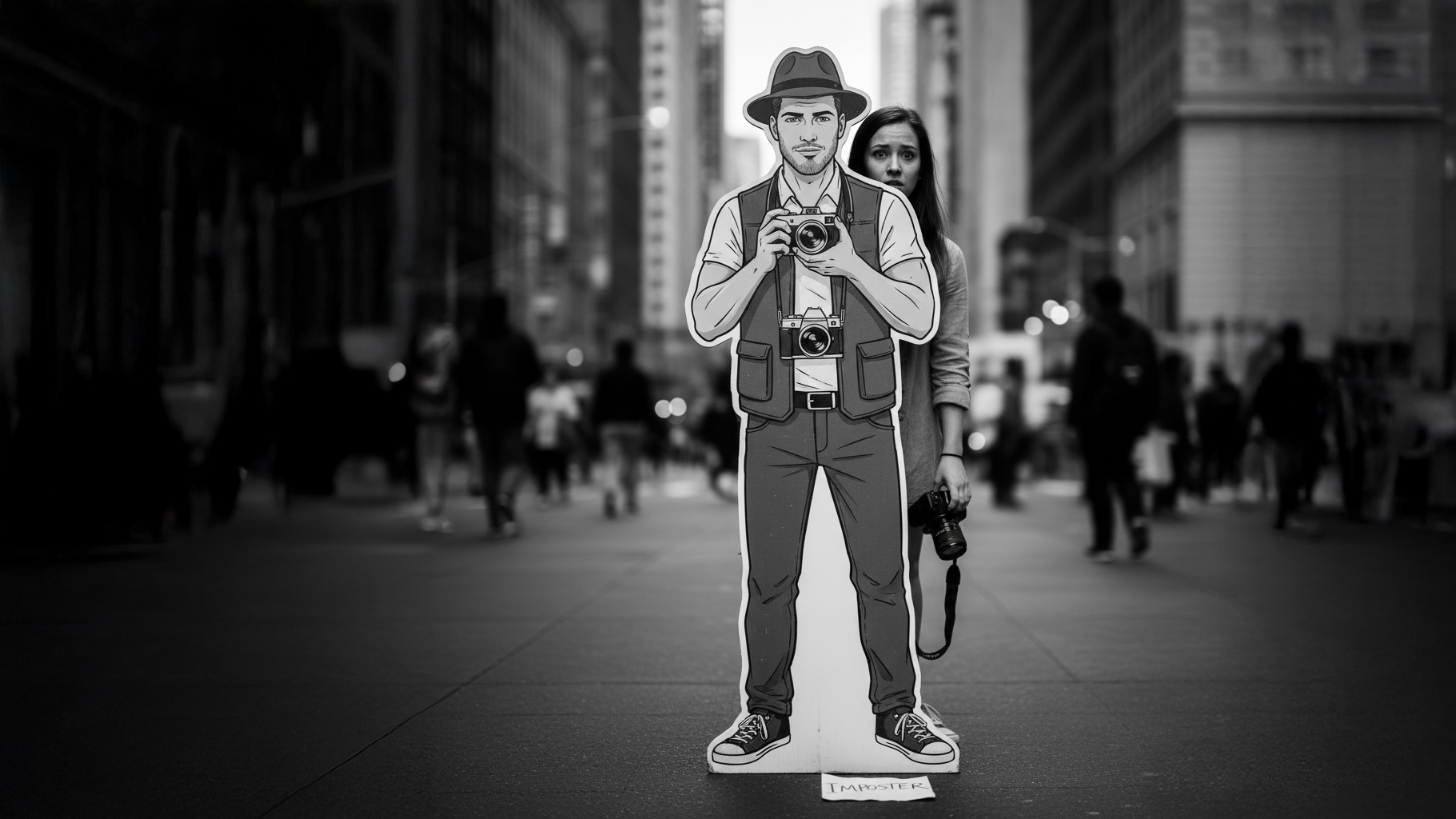
Are You an Imposter?
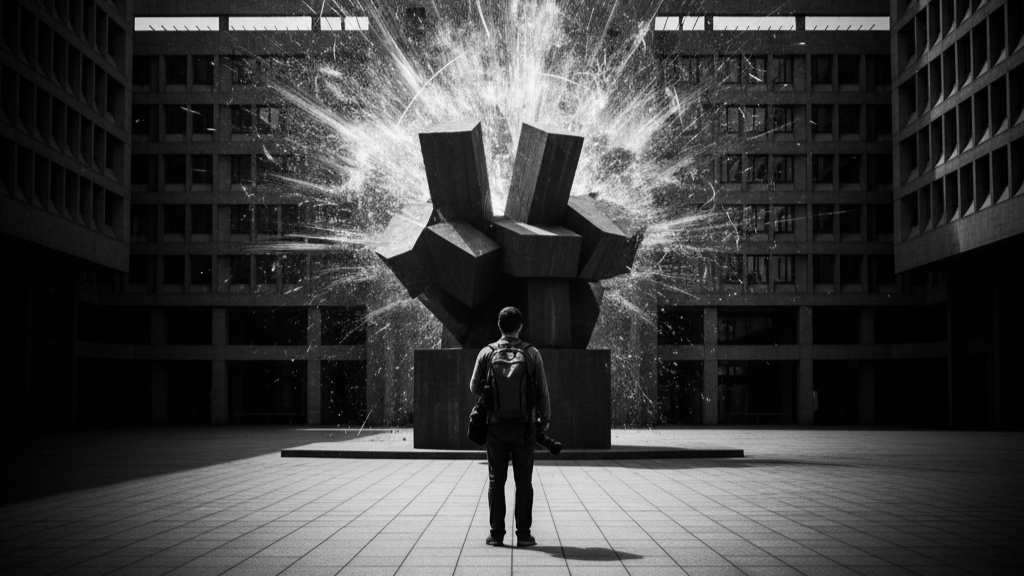
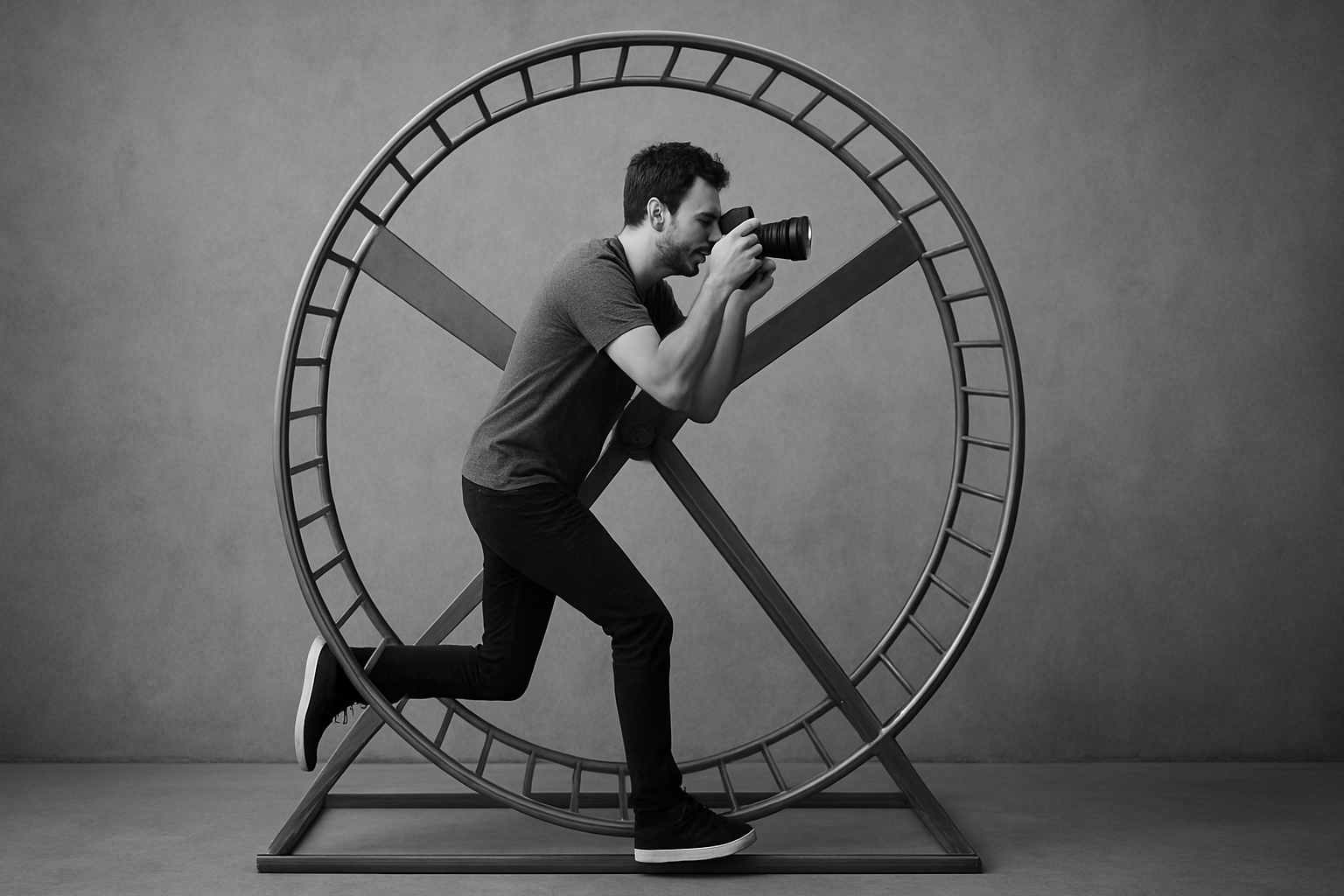
Every monochrome photographer deals with the "Imposter" voice. It tells you your work is just an imitation of the masters. We look at why this feeling hits B&W artists so hard, and why understanding the difference between an honest capture and a composite illusion is the key to finally silencing your inner critic.
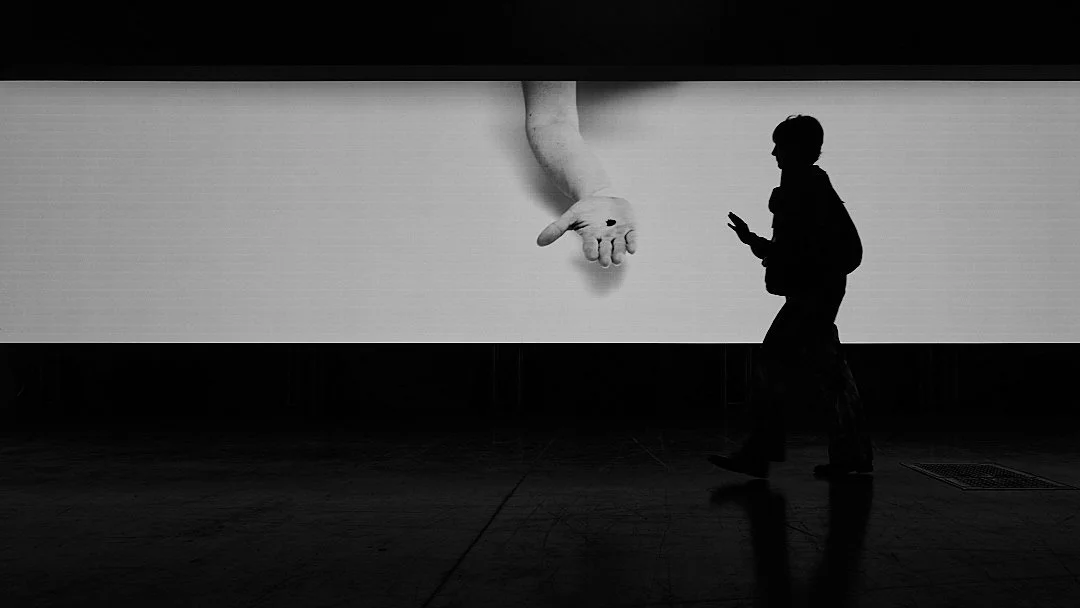
Juxtaposition: The Power of Two
Every great monochrome photograph is, at its core, a story of conflict. Juxtaposition is the master key to unlocking that tension. We look at how "The Power of Two" forces viewers to confront the raw relationship between elements like old vs. new, or hard vs. soft, revealing the deepest narrative in the absence of color.
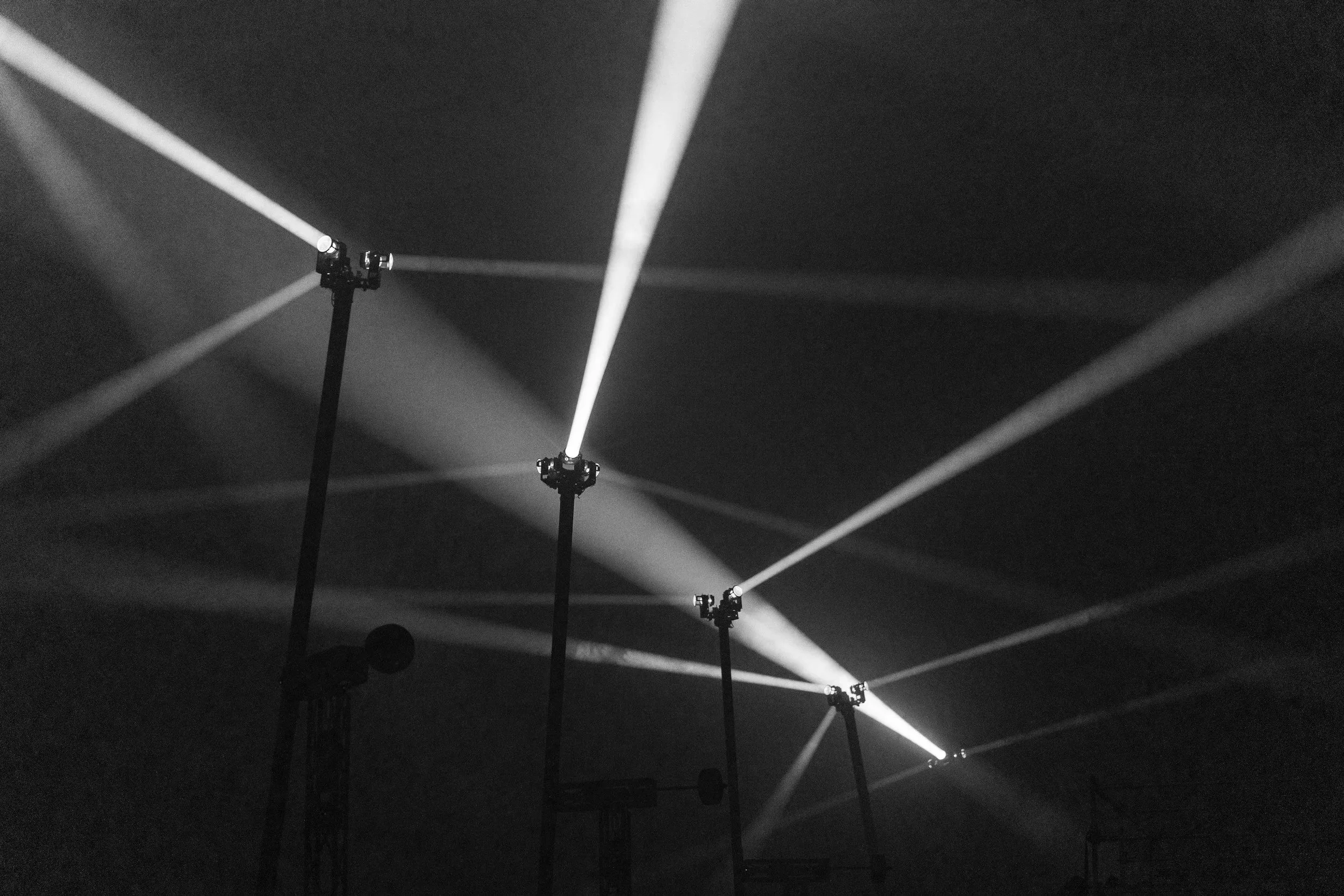
Learn the Language of Photography: The Secrets Behind the Craft PArt 3
Balance is photography’s grammar. Learn how visual weight, symmetry, and negative space shape emotional tone and viewer perception.
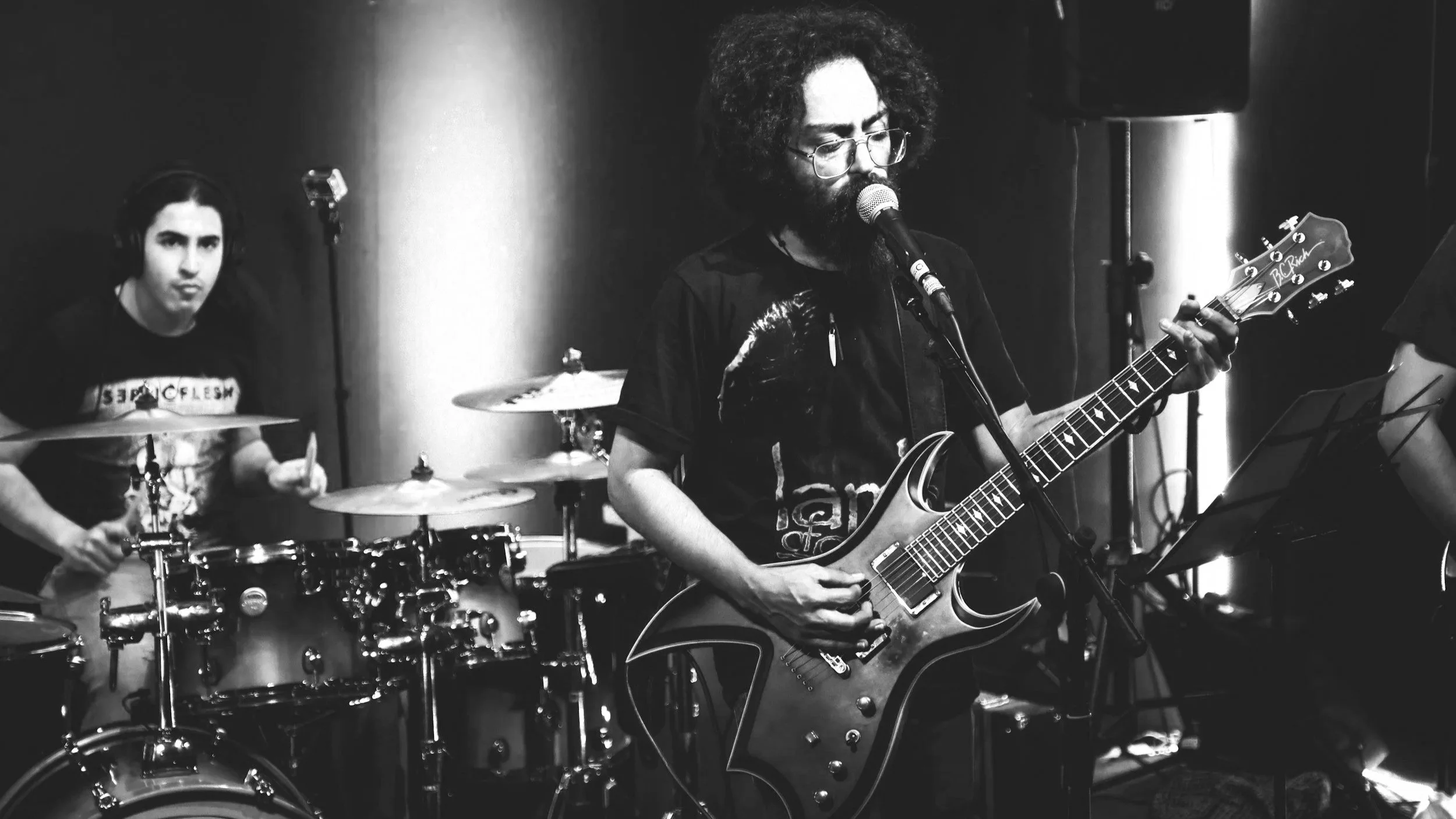
Are You a Cover Band Photographer?
Are you creating your own visual music or just playing the hits of the masters? We explore the cover band analogy in photography and how to use copying as a training tool without losing your own voice.