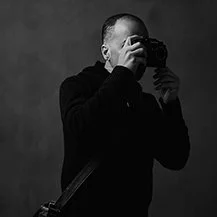
Shooting More Is Not the Answer
The most repeated advice in photography is also the most misunderstood.
Shoot every day. Shoot thousands of frames. The more you shoot the better you get. This is the most common piece of advice in photography and it is not wrong exactly. Practice matters. Showing up matters. But volume alone is not the variable that determines how fast you improve. And treating it as if it is might actually be slowing you down.
The photographer who shoots a thousand frames a week without changing how they see or what they are looking for is not improving. They are getting more efficient at making the same photographs they have always made. There is a difference between those two things and it is worth understanding.
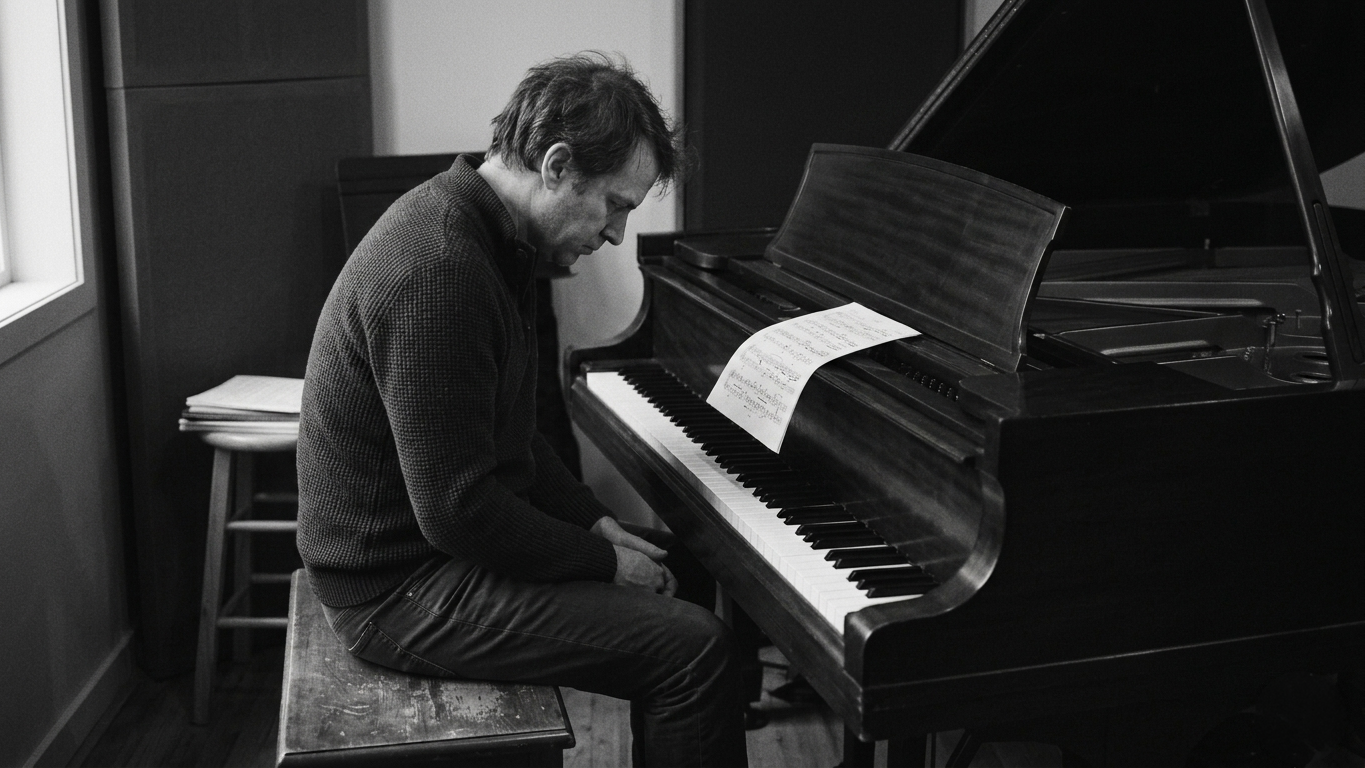
The musician who practices slowly
Think about a musician learning a difficult piece. There are two ways to practice it. The first is to play it through from beginning to end as many times as possible, mistakes and all, building fluency through sheer repetition. The second is to isolate the difficult passages, play them slowly, understand exactly where the problem is and why, and work on that specific thing until it is right before moving on.
The first approach feels like more practice because it produces more output. The second approach feels slower because it produces less. But research on skill development is consistent on this point. The variable that predicts improvement is not volume of practice but quality of attention during practice. The musician who plays a difficult passage badly a hundred times gets very good at playing it badly. The musician who plays it slowly ten times and understands each mistake improves faster than the one who blazed through it a hundred times without stopping to think.
Photography works exactly the same way.
The difference between shooting and seeing
There is a gap between the time most photographers spend with a camera and the time they spend genuinely looking at photographs. Most photographers spend far more time shooting than looking. But the eye that makes the photograph develops through looking not through shooting. You cannot make images you cannot see. And you learn to see by studying images with real attention not by adding more of your own to the pile.
Looking carefully at great work means asking specific questions. Why does this image work. Where was the photographer standing and why did they stand there. What did they choose to include and what did they leave out. What were they waiting for. What is the light doing and what decisions did the photographer make because of it. What would this image be without the element in the bottom left corner.
These questions build the eye faster than almost anything else. They give you a vocabulary for what works that you can take back into the field. You start to see things before you press the shutter that you used to only notice afterward when reviewing images and wondering why something did not work.
The editing session you are skipping
After a shoot most photographers do a quick cull, pick the images they like, process them, and go out to shoot again. What most photographers skip is the harder part. Sitting with the images that almost worked and asking precisely why they did not. What was the decisive moment I missed and why did I miss it. What was in the background that I did not notice. What would I have had to do differently to get the image I was trying to make.
This kind of interrogation of your own work is uncomfortable. It requires admitting specific failures rather than vague dissatisfaction. But it is also where the real improvement happens. The photographer who does this after every shoot is building a precise understanding of their own weaknesses. The photographer who skips it and goes out to shoot more is probably making the same mistakes at higher volume.
What to do instead
None of this means stop shooting. Going out with a camera is irreplaceable. You cannot develop timing, instinct, and the physical relationship with your gear by sitting at a desk. The field is where everything comes together.
But balance the shooting with genuine looking. Spend time with the work of photographers who are better than you and ask specific questions about why their images work. Spend time with your own recent work and ask specific questions about why the weak images are weak. Edit ruthlessly and understand your editorial decisions rather than just making them instinctively.
The musician who practices with full attention for an hour improves more than the one who noodles for four. The photographer who shoots one roll with complete intention and then studies every frame learns more than the one who fires five hundred frames and moves on without looking back.
Shoot. But look more carefully. At their work and at yours. That is where the improvement actually lives.