Canon Officially Announces the EOS R6 V
A new video centric full frame camera with surprising implications for black and white photographers
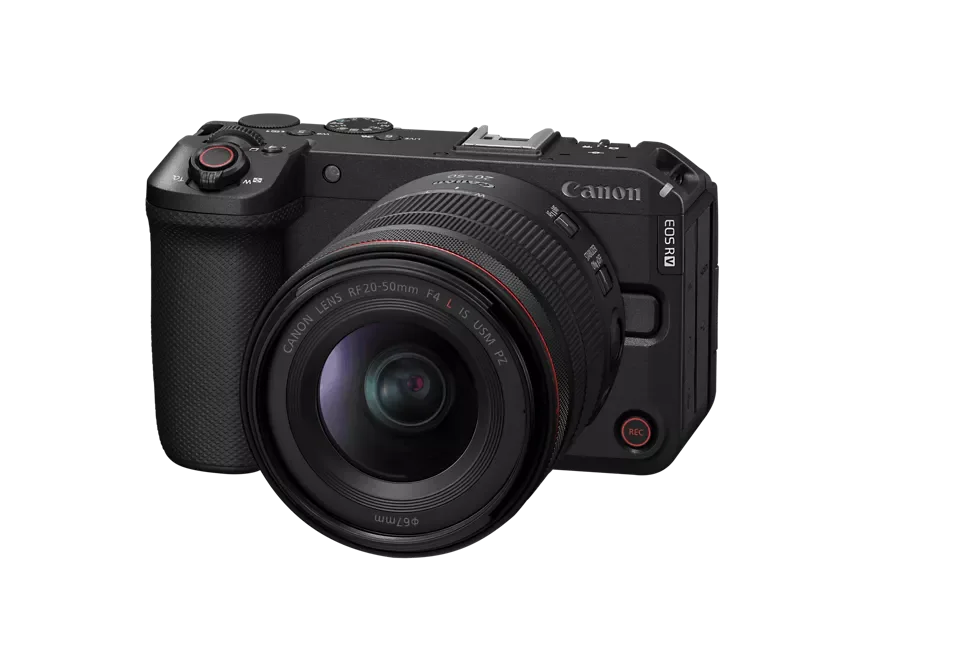
Canon dropped some interesting news on May 13, 2026, with the announcement of the EOS R6 V, a full-frame mirrorless camera that seems aimed squarely at videographers and content creators. At first glance, this might not seem like a camera for those of us in the Collective who spend our time chasing tones and textures in black and white. But look a little closer and there are some compelling features hidden beneath that boxy, video-forward design that could make the R6 V a serious tool for monochrome work.
The R6 V is built around a 32-megapixel full-frame sensor, which is a sweet spot for resolution that gives you plenty of detail without drowning you in file sizes. Canon says the camera can shoot at 40 frames per second in burst mode, which is frankly absurd and opens up possibilities for street photography and documentary work where the decisive moment happens faster than you can blink. The camera ditches the traditional electronic viewfinder in favor of a flat top plate design meant for gimbal mounting, and there is a built-in fan to keep things cool during long recording sessions.
Why This Matters for Black and White Photography
We talk a lot in the Collective about dynamic range and tonal gradation because those are the qualities that separate a flat black and white image from one that has depth and life. A 32-megapixel full-frame sensor should deliver exceptional tonal detail and the kind of shadow information that lets you pull out those subtle gradients in post-processing. When you are working in monochrome, every bit of information the sensor captures in the highlights and shadows matters, and a modern full-frame sensor like this should give us plenty to work with.
The 40fps burst capability is not something most of us will use every day, but when you need it, you really need it. Street photographers know that sometimes the perfect composition exists for a fraction of a second, and having the ability to capture that moment along with the frames just before and after can mean the difference between getting the shot and missing it entirely. Pair that with what we assume will be capable autofocus inherited from Canon's other R-series cameras, and you have a camera that can keep up with fast-moving subjects in challenging conditions.
The RF 20-50mm F4 L IS USM PZ Lens
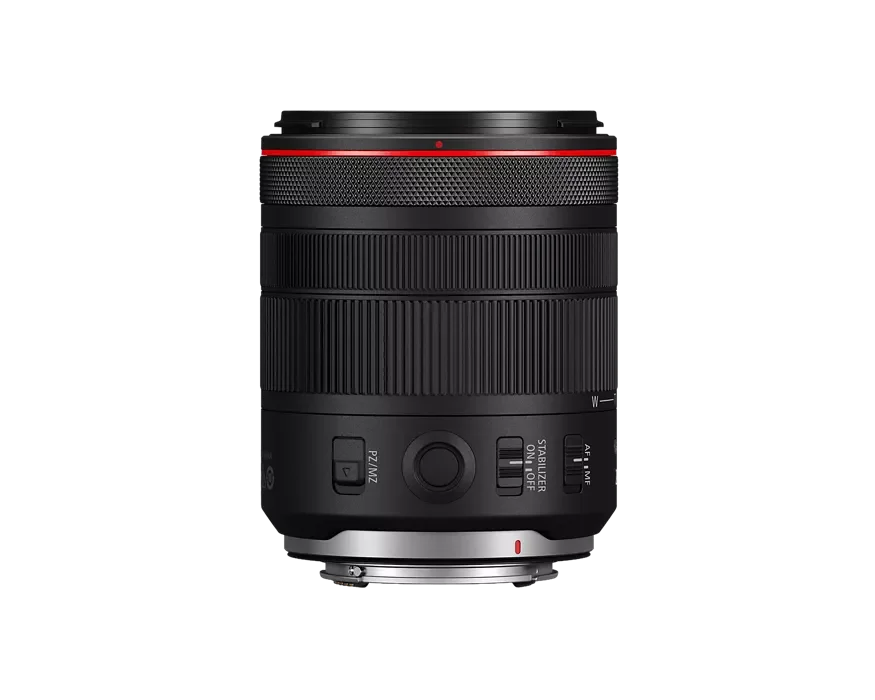
Canon also announced a new RF 20-50mm F4 L IS USM PZ lens to go along with the R6 V. That focal range is unusual and interesting, starting wider than the typical 24-70mm workhorse but not extending as far into the telephoto range. For those of us shooting architecture, interiors, or environmental portraits in black and white, that extra width at 20mm could be genuinely useful. The F4 constant aperture is not the fastest, but it keeps the lens compact, and the image stabilization should help in lower light situations where we might be pushing our ISO a bit.
The PZ designation means power zoom, which is primarily a video feature but could have some creative applications for still photography as well. L-series glass from Canon has historically been sharp and well-corrected, and we would expect this lens to deliver the kind of optical quality that translates well to black and white images where lens flaws and chromatic aberration have nowhere to hide. It is worth noting that this lens seems purpose-built for the kind of hybrid shooting the R6 V is designed for, so we will be curious to see how it performs for dedicated still photography.
The Design Choices and What They Mean
The R6 V has a decidedly different design philosophy compared to traditional stills cameras, and not everyone will love the compromises Canon made here. The lack of an electronic viewfinder is probably the biggest sticking point for serious still photographers, as most of us prefer composing through a viewfinder rather than relying solely on the rear screen. That flat top plate and built-in fan make perfect sense if you are rigging this camera on a gimbal for video work, but they also signal that Canon sees this as a specialized tool rather than an all-purpose body.
That said, there is something to be said for a camera that knows what it wants to be. If you are someone in the Collective who shoots both stills and video, or if you are primarily a still shooter but need solid video capability for client work, the R6 V starts to make more sense. The boxy form factor might actually be more comfortable for extended handheld shooting, and the built-in cooling means you can shoot for longer periods without worrying about overheating, which has been an issue with some mirrorless cameras pushed hard in the field.