A question about a forgotten town. A white husky. A friendship that changed everything.
It started with a grocery store.
In July of 2022 Dustin Mullin was passing through Green River Utah on a road trip from Philadelphia to Canyonlands with friends. They stopped to buy supplies. Green River sits on Interstate 70 in eastern Utah, close to the Colorado border, the kind of town that exists on maps primarily as a waypoint. People stop for gas, food, and a place to sleep before moving on to somewhere more deliberately chosen. Most of them do not look very hard at the place itself.
Dustin looked.
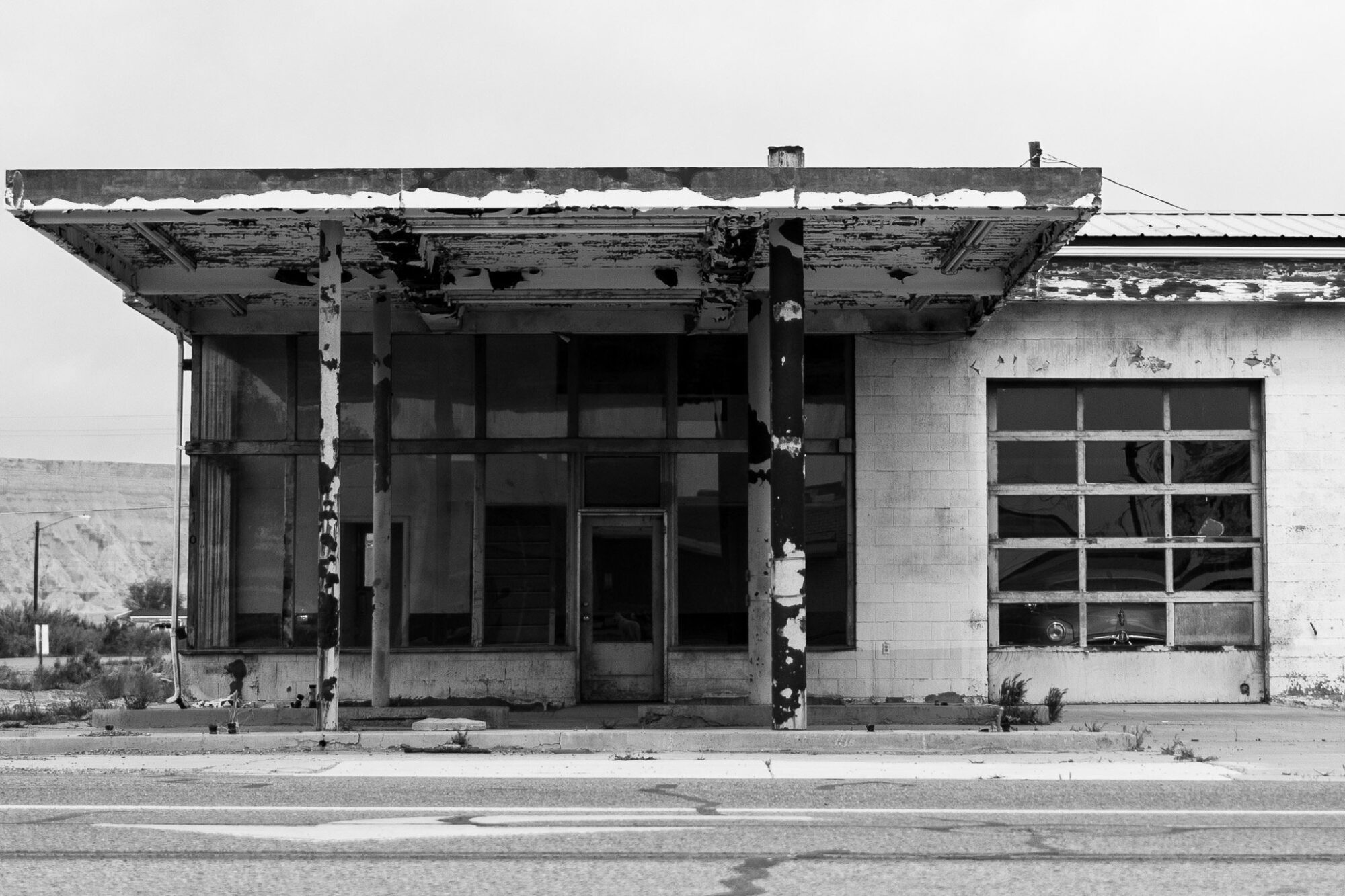
What he saw was a contradiction. Abandoned buildings. Empty storefronts. The visible evidence of a town that the economy had been leaving behind for a long time. And in the middle of all of it a grocery store that was immaculate. Fully stocked. Clearly maintained by people who cared about it. In a town where so much had been let go someone had decided this would not be. That detail got into Dustin’s head and stayed there.
He was not photographing at the time. He was on an extended break from the camera. So he bought his groceries and drove on. But Green River stayed with him in a way that most places you pass through do not.
THE QUESTION THAT BROUGHT HIM BACK
In 2024 Dustin moved to Glenwood Springs Colorado, close enough to the Utah border that Green River was no longer a distant memory but a plausible day trip. He had started photographing again in early 2026. On a road trip to Moab he saw the sign for Green River and turned off the highway.
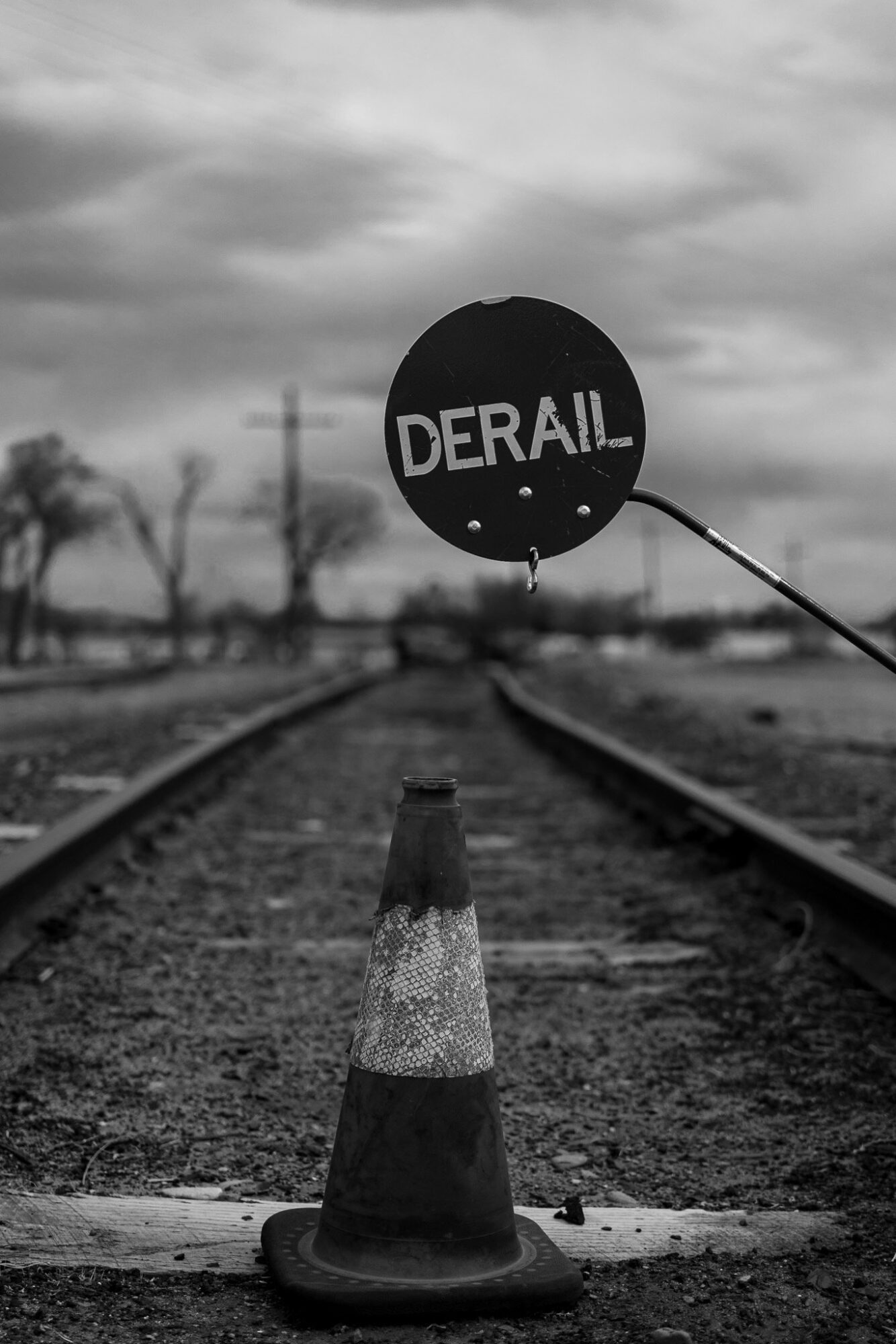
He came back with a camera and a question. Not a judgment. Not an assumption about what he would find. Just a question that had been sitting in the back of his mind since he stood in that immaculate grocery store four years earlier. What keeps people here. What holds a person to a place that everyone else treats as somewhere to stop before somewhere else. What derails a life in one direction and roots it somewhere unexpected instead.
THE DOG THAT STARTED EVERYTHING
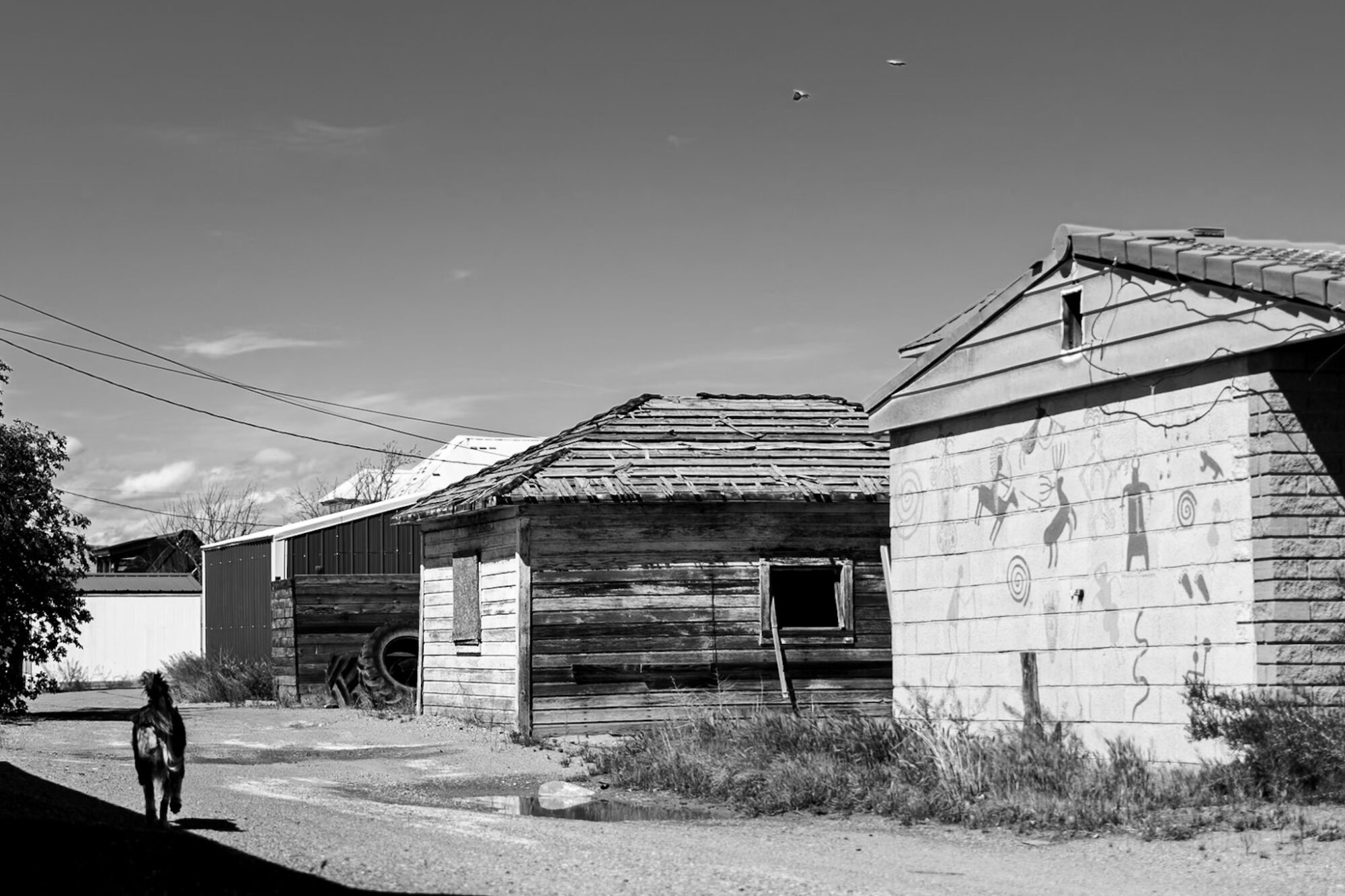
Dustin spent his first day back walking the town with his camera, photographing buildings and spaces that caught his eye. Toward evening he stopped at Ray’s Tavern for dinner. He had his dog with him, a white husky named Simma who travels with him on many of his trips, so he sat outside.
A man named Faron came over and asked about the dog.
That is how it started. A white husky. A man curious enough to walk over and ask about it. A conversation that turned into an explanation of the project. An offer to help. An exchange of contact information. And on the next visit and every visit since Faron has been at the center of everything. He has become what Dustin calls the anchor of the project. A guide to Green River. A friend.
Through Faron, Dustin has been introduced to other residents, to local history, to a deeper and more specific understanding of what this town is and has been. The project that began with a question about a place became, through Faron, a project about people. Which is always where the most honest answers live.
HOW HE WORKS
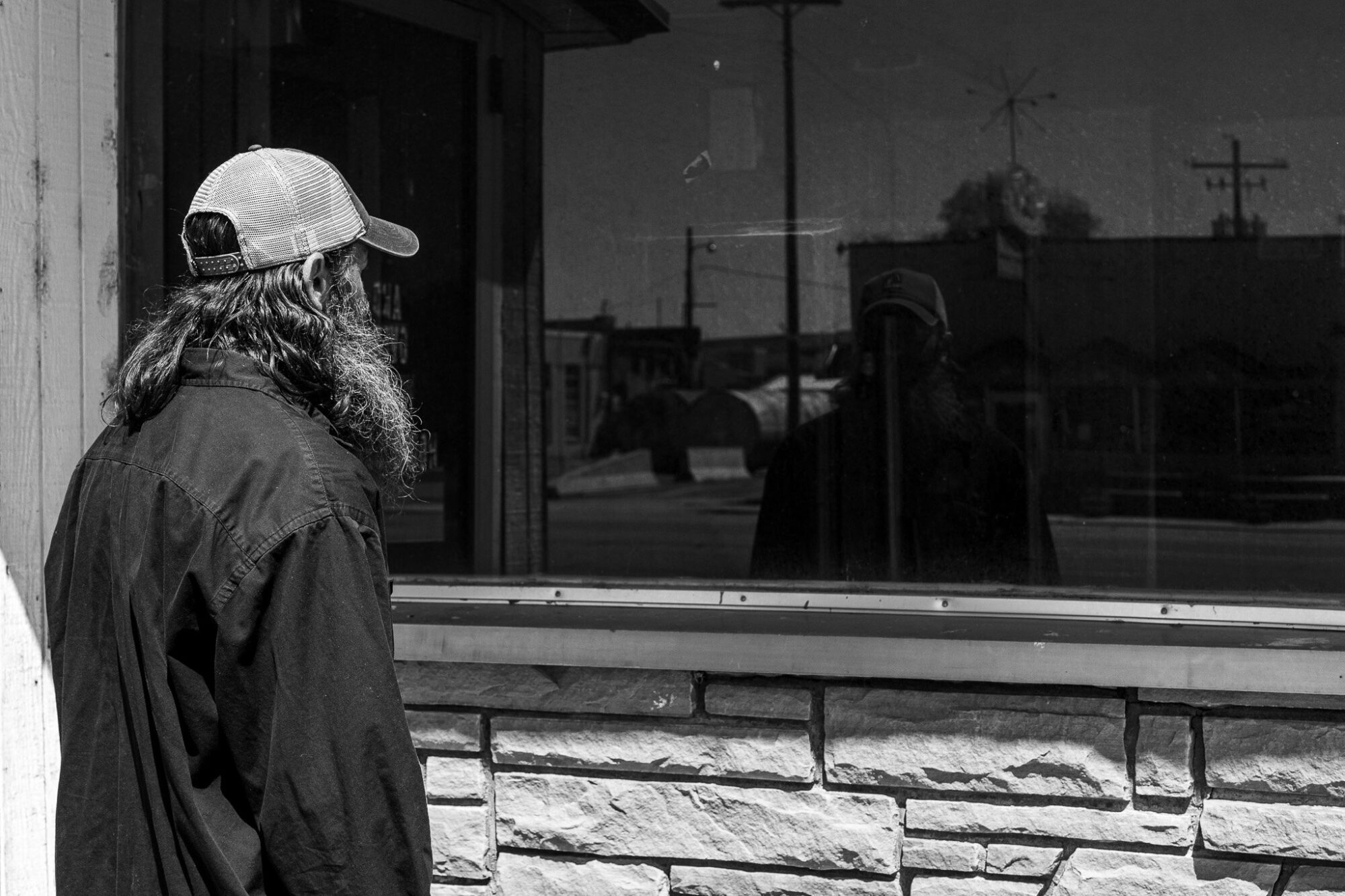
Dustin has been making photographs since he was fourteen years old. He studied fine art photography in high school where he learned in the darkroom, developing his own film, working exclusively in black and white because the chemicals were safer and the process was more affordable. That foundation never left him. He still develops his own black and white negatives, often in his apartment. After more than a decade of working in monochrome it has stopped being an aesthetic choice and become something closer to a visual language. The way he naturally sees.
For Green River he shoots with two cameras. A Sony A7R II for the documentary moments, the quick conversations, the scenes that unfold faster than you can plan for. And a Yashica Mat TLR, a medium format film camera that slows everything down. The medium format work forces deliberateness. Patience. A different quality of attention. The two cameras balance each other the way the project itself is balanced. Between reacting and waiting. Between the town as it moves and the town as it holds still.
His first camera was put in his hands at fourteen. His most formative experience as a photographer came at fifteen when he traveled to New York City with his mother six weeks after September 11 2001. He photographed everything. The people. The subway. The skyline. The aftermath. That experience, a teenager with a camera in a city still in shock, shaped the kind of photographer he would become. Someone drawn to places and people that the world is in the process of moving past. Someone who believes that stopping and looking and asking questions is not just a photographic act but an ethical one.
WHAT HE HAS FOUND SO FAR
Four months in, visiting once a month and staying several days at a time, Dustin has been building something that takes longer than a single visit to build. Trust. Relationships. The specific knowledge of a place that only comes from returning to it repeatedly and letting it show you things at its own pace.
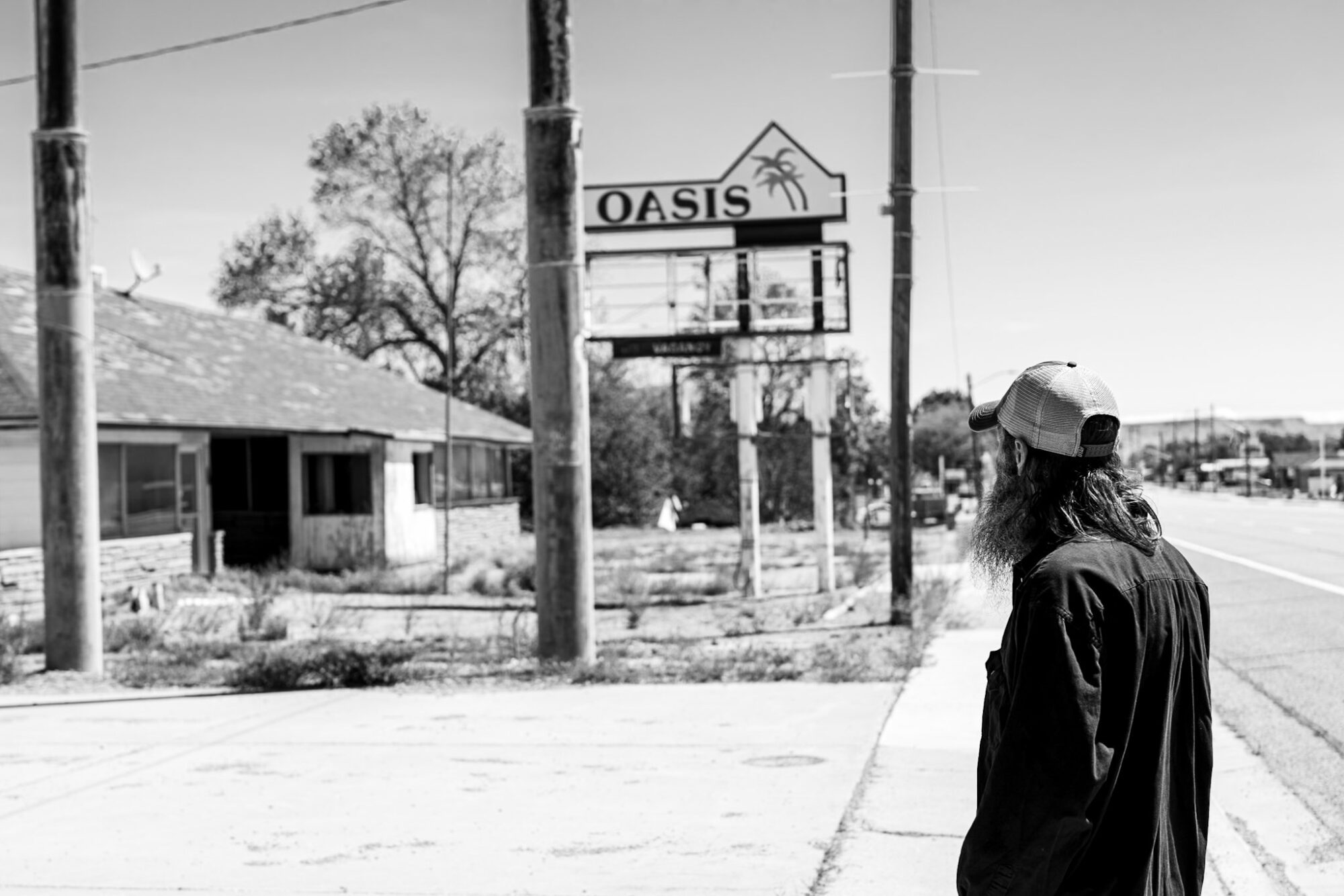
The residents of Green River have been welcoming. Curious about the project. Generous with suggestions about where to go and who to meet. Dustin attributes this to the approach he brings. He arrived with curiosity rather than assumptions. His goal has never been to photograph abandonment or to reduce the town to its most photogenic evidence of decline. He is interested in the people who are still there and in what their continued presence means.
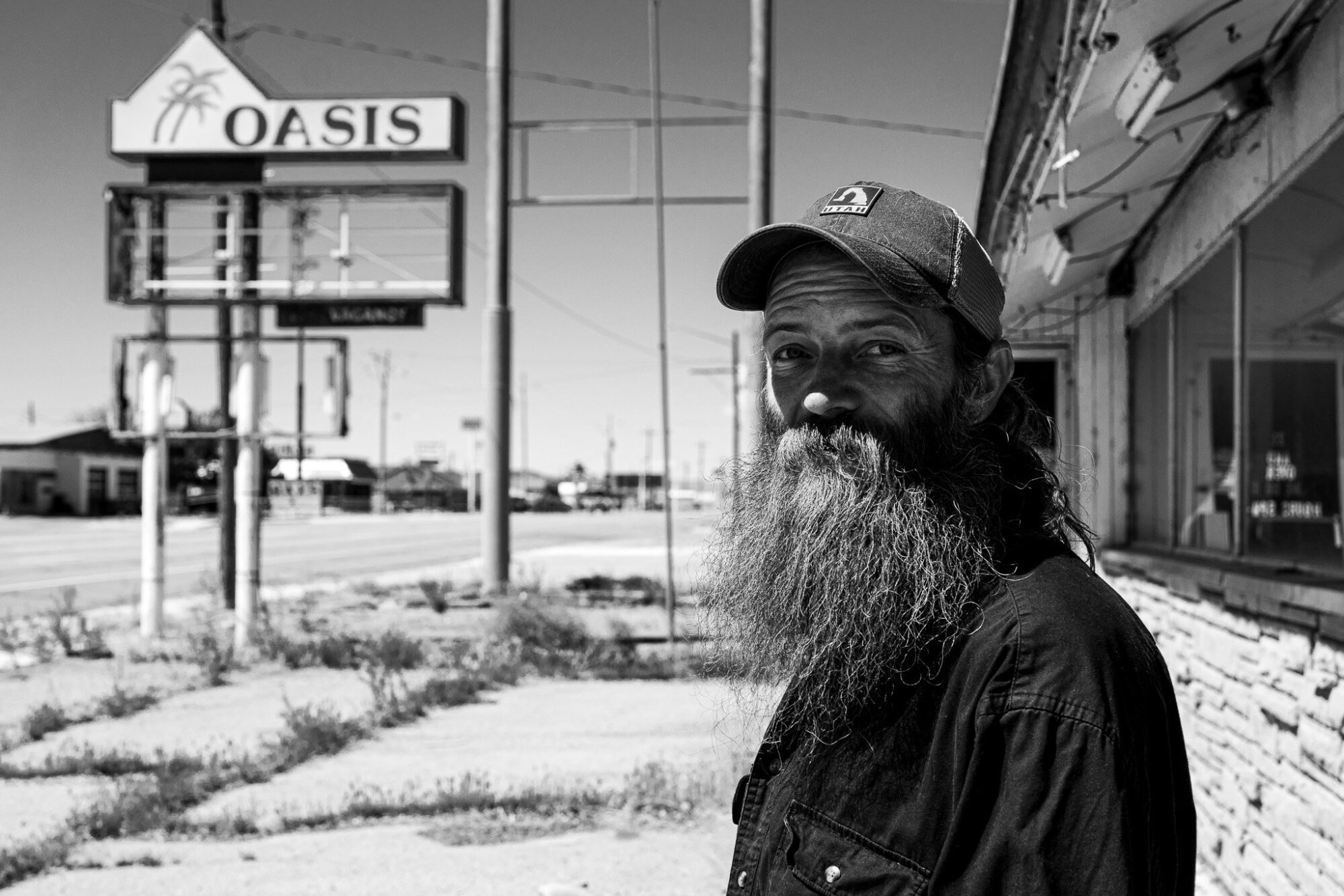
The image he feels most captures the project so far is a portrait of Faron looking directly into the camera with the Oasis sign visible in the background. Nostalgia and personal history are deeply connected to why people remain in Green River and that photograph holds both of those things. Faron’s expression and the sign behind him feel tied to memory and attachment and a lasting affection for a place that the world keeps driving through without stopping.
WHAT GREEN RIVER IS REALLY ABOUT
Green River is not really about Green River. Dustin is clear about this. Green River represents something that exists throughout much of America. Places and people that are consistently overlooked. Towns that travelers pass through without stopping for anything beyond what they immediately need before moving on to somewhere more deliberately chosen. Communities whose stories go untold not because they are not worth telling but because most people never slow down enough to ask.
The project is still going. Dustin plans to keep returning to Green River over the coming months, letting the town and the people who live there guide him toward what matters. He does not arrive with a strict plan. He arrives with a question and a camera and a white husky named Simma who has a talent for starting conversations with strangers.
Sometimes the best documentary projects begin with a dog.
You can check out more of Dustins work on foto @dustin.mullin
Dustin Mullin is a photographer based in Glenwood Springs Colorado whose work focuses on storytelling, particularly stories about people and the places they live. He is drawn to individuals and communities living within the margins or in places that are frequently overlooked, and he builds relationships with the people he photographs through empathy, trust, and conversation. Why Stay is an ongoing project.