Light Is Not Your Subject
Light does not make a photograph interesting. What light does to your subject does.
We talk about light as if it is the thing we are after. The golden hour. The magic light. Chasing the light. We plan shoots around it, wake up before dawn for it, drive hours to be in the right place when it arrives. And then we frame the resulting images as being about the light. The light was incredible. The light made the shot.
But here is something worth questioning. Is light actually your subject? Or is it something else entirely?
Our argument is that light is not your subject. Light is your language. And understanding the difference between the two will change how you see, how you shoot, and how you talk about your own work.
Before we go further one clarification. We are not talking about abstract photography or light painting, where light itself becomes the deliberate subject of the frame. Those are legitimate and powerful practices where the distinction we are making does not apply. We are talking about landscape photography, street photography, portraiture, documentary work. The genres where most of us spend most of our time.
What language actually does
A novelist does not write about words. They use words to write about people, places, situations, and ideas. The words are the medium. The story is the subject. The quality of the language shapes how deeply you understand the subject and how strongly you feel about it. Precise, honest, specific language makes the subject come alive in a way that vague or generic language cannot. But the language is never the point. The point is what the language is saying about something else.
Light works exactly this way in photography. It is the language through which we describe our subjects. The quality of light shapes how we understand what we are looking at and how strongly we feel about it. But the light itself is not what the photograph is about.
Think about the first Yosemite image from our previous post. The shaft of light reaching into the valley between El Capitan and the distant peaks. We talked about that light as if it were the subject. The light was extraordinary. The light made the image. But what was the light actually doing. It was revealing the character of El Capitan, brooding and massive in shadow. It was illuminating Bridalveil Fall, fragile and luminous against dark stone. It was creating tension between darkness and light that gave the scene its narrative weight.
The light was the language. El Capitan, Half Dome, Bridalveil Fall. Those were the subjects. The characters. The light introduced them, revealed their personalities, and set them in conflict with each other. Without the light we could not see them clearly. But without the subjects the light would have had nothing to say.
What happens when you chase light without characters
Here is a practical test of this idea. Think about a time you were in a location with genuinely extraordinary light but nothing interesting to point your camera at. The light was everything you could want. Golden. Directional. Full of atmosphere. And the photographs were flat and disappointing because there was nothing for the light to do. No characters for it to reveal. No tension for it to create.
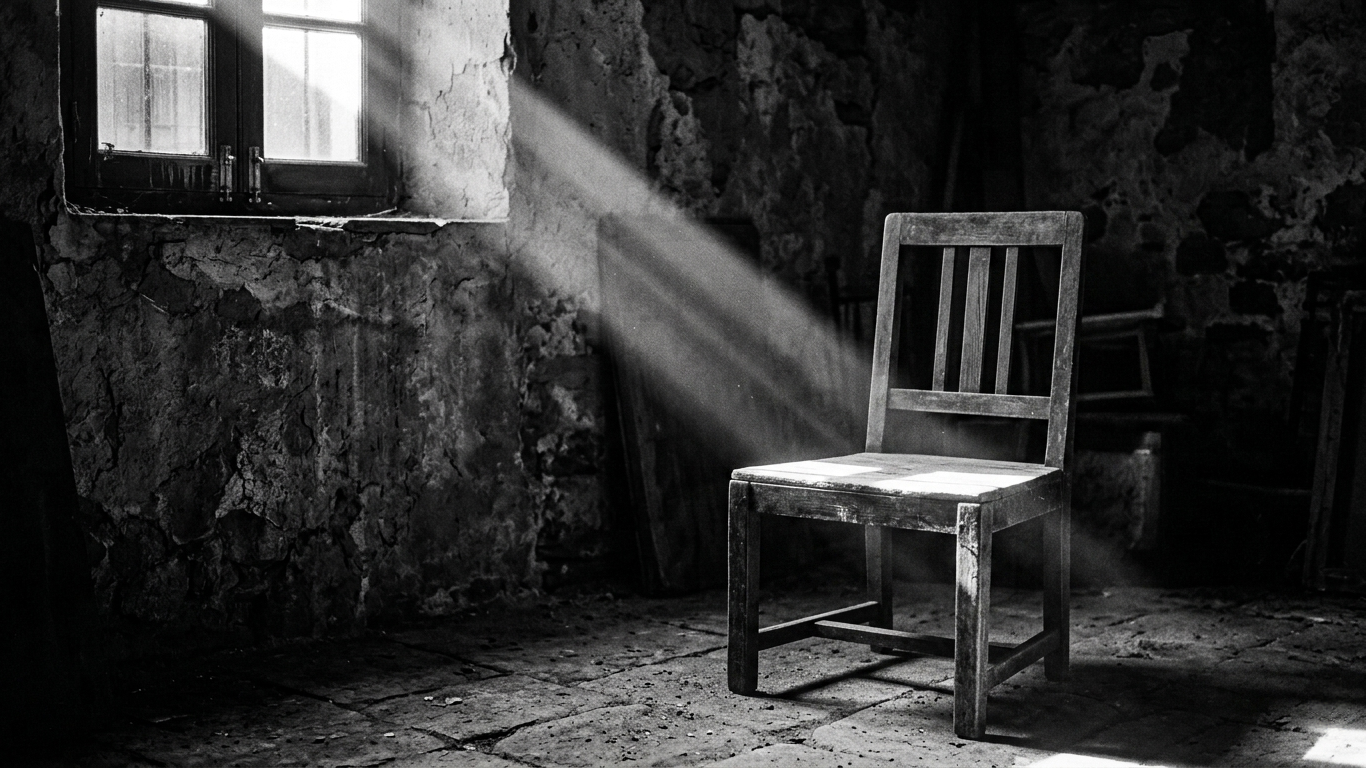
The light was beautiful. The photographs were not. Because light without a subject is invisible. It has no form of its own. It borrows its form entirely from whatever it touches. A shaft of sunlight through a window is only interesting because of what it falls on. Remove the dust motes, the worn floorboards, the figure sitting at the table, and the shaft of light disappears. There is nothing left to photograph.
This is why chasing light is a useful instinct but an incomplete strategy. The light brings out the best in your subjects. It cannot replace them.
Light as character description
The more useful way to think about light is as the tool that describes the character of your subjects. Hard directional light describes a character as dramatic, defined, capable of casting deep shadows. It reveals texture and form with precision. It makes a mountain look ancient and immovable. It makes a face look weathered and specific.
Soft diffused light describes the same subjects differently. Gentler. More interior. A mountain in fog is not the same character as a mountain in hard afternoon sun. The fog has given it mystery and distance. The hard light gave it presence and weight. The subject is the same. The character description is completely different because the language has changed.
This is why the question to ask when you arrive at a location is not is the light good but what is the light saying about my subjects right now. What character traits is it revealing. What is it hiding. What tension is it creating between the elements in the scene. Is this the light that tells the story I want to tell or do I need to wait for a different language.
The shift this creates
When you stop thinking of light as your subject and start thinking of it as your language something changes in how you work. You stop waiting for good light in the abstract and start waiting for the specific light that reveals your specific subjects in the most honest and most powerful way.
You also start paying more attention to your subjects. Because if light is the language the subjects are the story. And a story needs characters worth caring about. Characters with personality and conflict and something at stake. The light can only reveal what is already there. If the subjects are not interesting the most extraordinary light in the world cannot make them so.
Find your characters first. Then wait for the light that introduces them properly.
That is the whole job.