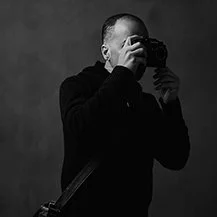
Give the Eye Somewhere to Land
Every photograph is a set of instructions to the viewer's eye. Most photographers write them accidentally.
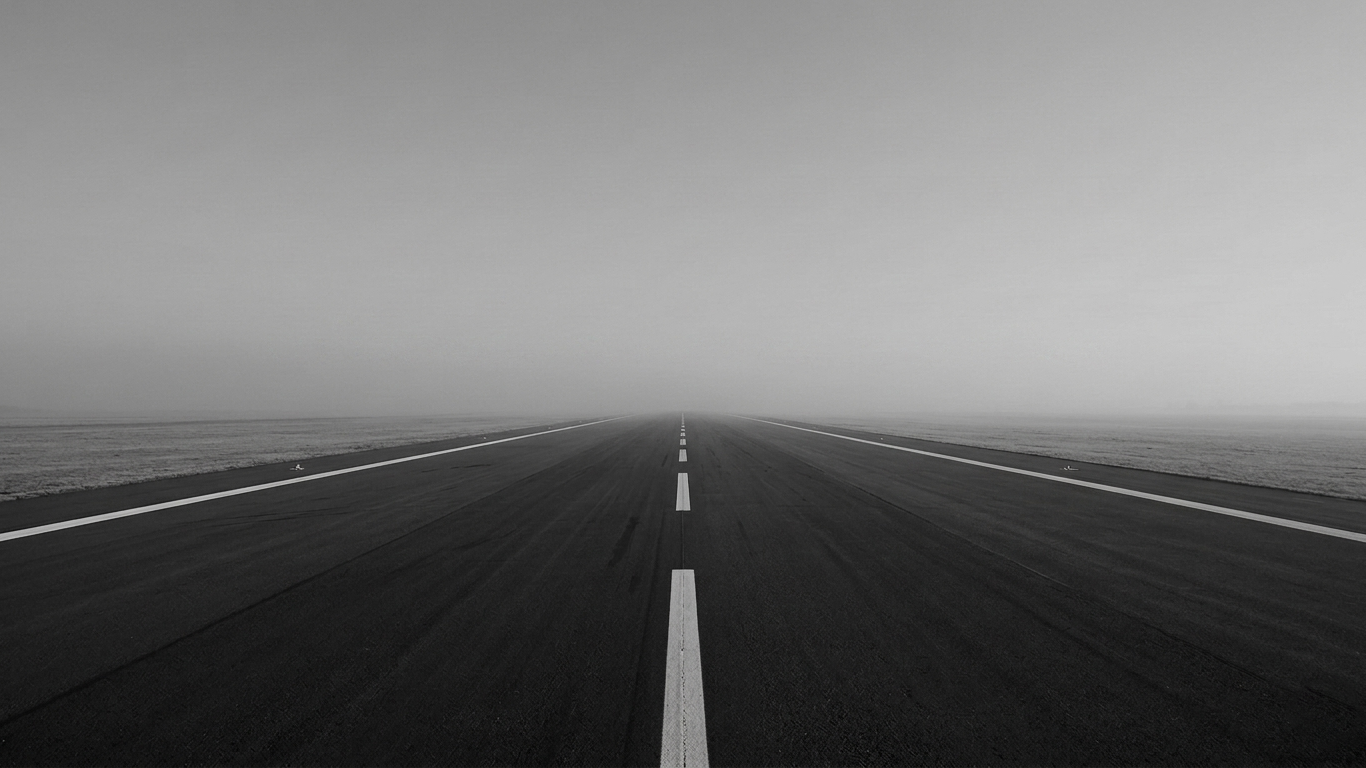
Think about what an airplane does when it cannot land. It circles. Not because it wants to. Because it has not been given clearance. There is no clear runway. No unobstructed approach. No signal that this is the place to commit. So it keeps going around, burning fuel, waiting for the conditions that will let it come down.
The viewer's eye does exactly the same thing when it looks at a photograph.
Every photograph is a set of instructions to the viewer's eye. You wrote those instructions whether you intended to or not. The question is not whether you gave the eye directions. The question is whether the directions you gave lead to a clear runway or leave the eye circling indefinitely looking for somewhere to land.
Most photographers think about what to put in the frame. The more useful question is what the eye will do once it gets there. Where does it enter. Where does it go next. Where does it want to rest. Does it find a runway or does it keep circling because nothing in the frame has fully claimed it.
That difference between landing and circling is the difference between a photograph that stays with you and one that passes through your attention without leaving a mark.
The busy photograph has no air traffic control
When too many elements compete for attention in a frame the eye cannot choose between them. Two faces of equal weight. Two areas of high contrast pulling in different directions. A strong subject and a competing element in the background that the photographer did not notice was there. The eye keeps moving from one to the next and never commits. It is an airport with no air traffic control. Everyone is circling. Nobody knows where to go.
This is what busy photographs do to viewers. They give the eye too many candidates and the eye cannot choose. It circles and eventually gives up and moves on to the next image. The photograph did not fail because the subject was uninteresting. It failed because the runway was not clear.
And this is what stripped down photographs do. They give the eye one destination. One place that is clearly more important than everything else in the frame. The runway is visible from a long way out. The eye finds it immediately and comes straight in. The impact comes from that landing. From the image giving the viewer nowhere else to go except exactly where you intended.
The approach path matters too
Even when the destination is clear the approach matters. An airplane needs a clear runway but it also needs a clear approach path. Leading lines, tonal contrast, compositional flow, these are the approach path of a photograph. They guide the eye toward the destination from wherever it enters the frame.
In black and white photography the most powerful approach tool is tonal contrast. The eye goes to the lightest area of the frame first. Always. This is not a compositional guideline. It is the way human vision actually works. A bright face against a dark background will always be seen first. A dark subject against a bright sky will always be seen last. Managing your tonal values is managing the approach path.
If the lightest area of your frame is your subject the eye goes there immediately and lands cleanly. If the lightest area is something in the background you did not intend to emphasize the eye goes there first and has to be dragged back to the subject. The subject is already losing before the viewer has consciously registered anything.
A good approach makes the landing feel inevitable. A bad approach makes the eye overshoot and come around again. In a photograph that second approach rarely happens. The viewer has already moved on.
What happens when you clear the runway
Here is something worth sitting with. When you strip away everything competing with your subject the subject does not just become more visible. It becomes more itself.
A face with nothing behind it but darkness is more present than the same face in a detailed environment. Not because the face has changed. Because the proportion of the frame it commands has changed. The darkness is not emptiness. It is the cleared runway. Everything the darkness is not showing the viewer is attention that goes to the face instead.
A single tree against a white sky has more weight than the same tree in a landscape full of competing elements. The sky is not absence. It is the unobstructed approach. Remove the competing trees and the distant hills and the complicated foreground and the subject does not shrink. It expands into the space that has been created for it.
This is why stripping an image down is not an aesthetic preference for minimalism. It is a practical decision about eye control. Every element you remove is one fewer thing the eye has to fly past on its way to the destination. Every simplification of the background is a clearer approach path. The minimal image is minimal because every remaining element is pointing toward the same runway.
Writing the instructions deliberately
Most eye control problems in photographs are not the result of bad decisions. They are the result of no decision. The photographer was focused on the subject and did not notice what was happening at the edges of the frame. The competing element in the background was not chosen. It was simply not excluded.
Before you press the shutter look at the whole frame. Not just the subject. Every corner. Every edge. Every element sharing the frame with the thing you actually care about.
Ask one question. Where do I want the eye to land and is everything in this frame part of the approach path that leads there.
If the answer is yes press the shutter. If the answer is no move, wait, or simplify until it is. Change your position to clean up the background. Step closer to fill the frame with what matters. Wait for the competing element to leave. Manage your tonal values so the lightest part of the frame is the part you want seen first.
Clear the runway. Light the approach path. Give the eye somewhere to land.
The photographers whose images stop you are the ones who understood this. They wrote the instructions deliberately. They gave the eye a clear destination and removed everything that was offering it somewhere else to go instead.
And then they let the landing do the rest.