A Photo Story: Almost Broken
Between collapse and continuation. That is the space where Jami Azad works.
There is a moment in a human face just before it breaks. Not after. Not during. Before. Still holding. Still finding some reason. Still connected to something worth holding onto even if that something is getting harder to name.
Jami Azad has spent years looking for that moment.
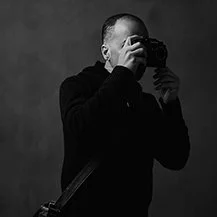
He is a filmmaker from Karachi who lives between Pakistan and Los Angeles. He trained at Art Center College of Design and has built a career directing feature films and television commercials across two countries. Photography is something else entirely for him. It is not his profession. It is his therapy. The thing he does to keep his depression in check. The thing that belongs entirely to him.
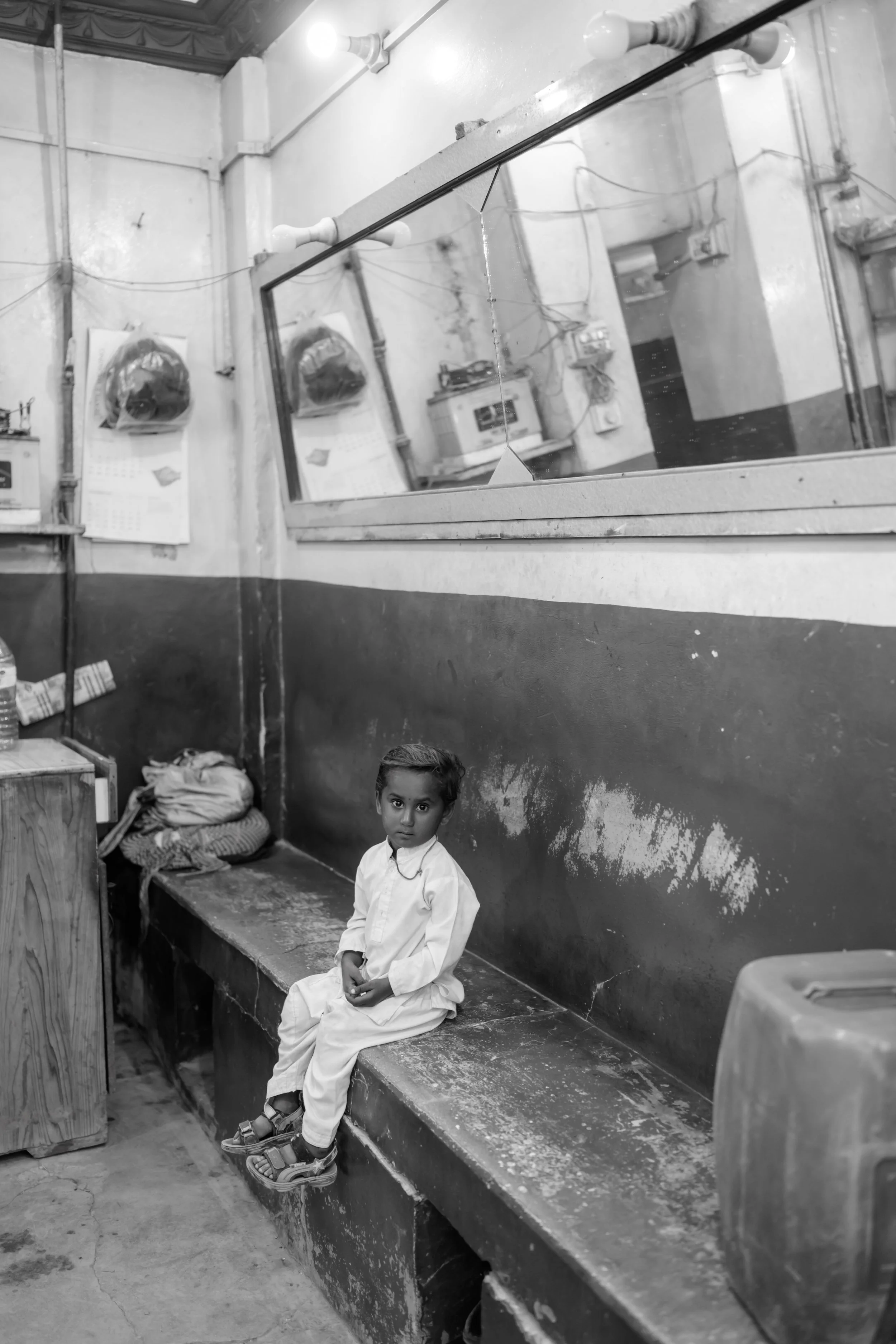
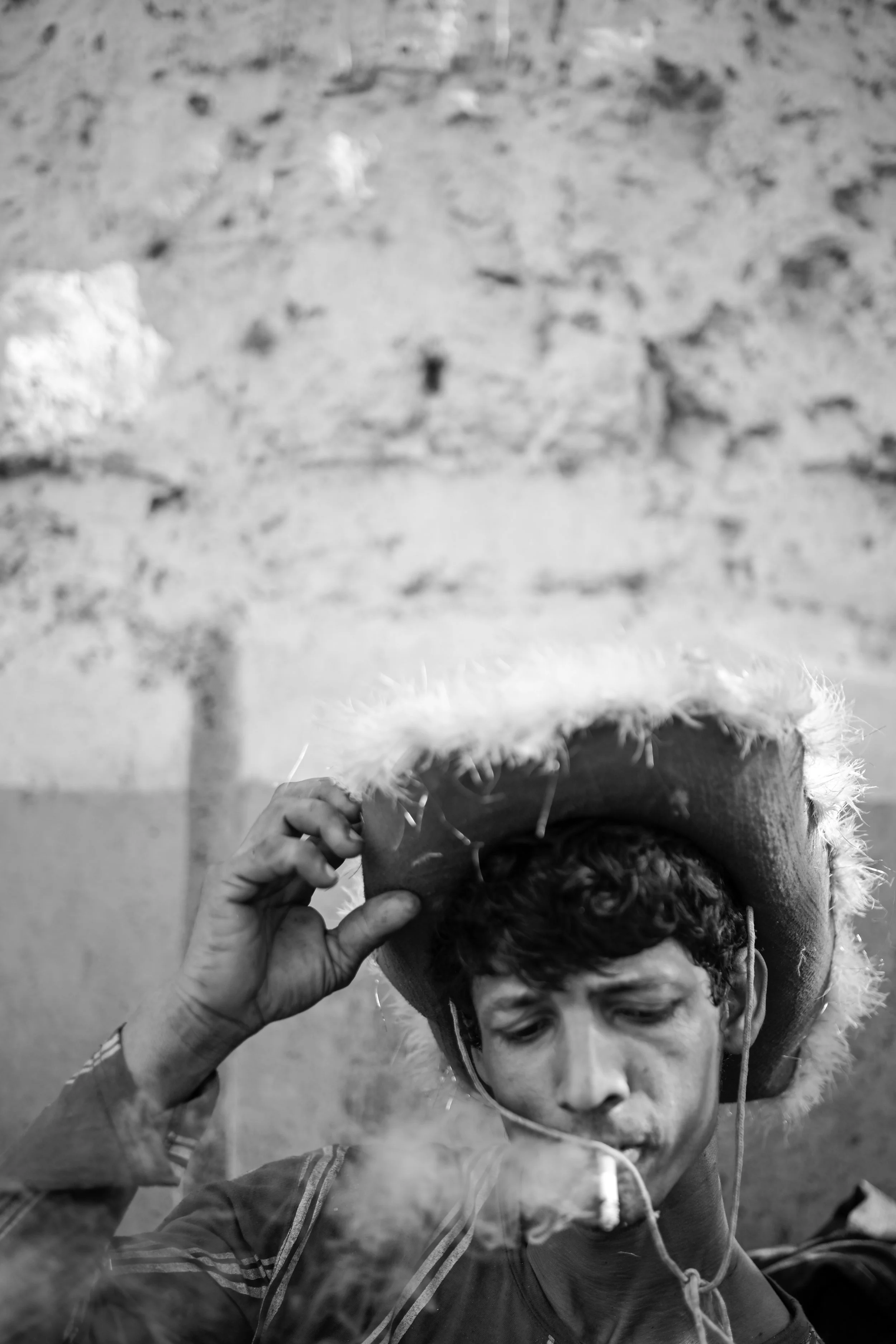
And what he keeps returning to, in the streets of Karachi and the rural landscape of Pakistan and the neighborhoods of Los Angeles, is the same face. The face of someone who has not yet given up. And sometimes, more quietly, the face of someone who has. He says the difference between the two is minute. You have to look carefully to see it.
Almost Broken is what those years of looking produced.

The project that accumulated
There was no single moment when Almost Broken became a project. It accumulated the way certain kinds of knowledge accumulate. Slowly, without announcement, until you look back and realize you have been working on the same thing for a long time.
The images span rural Pakistan and urban Karachi and Los Angeles. Some locations Jami visits every day. Others he has been to once. Many of the photographs were made during film shoots, in the gaps between takes or on the way to a location, when a face stopped him and he reached for his camera. He shoots on a Fujifilm GFX, a Nikon Z9, and a Fujifilm X-Pro 1. Professional tools turned to an entirely personal purpose.
What connects every image in the series is not the geography. It is the condition. Globalization promised everything and delivered a widening gap. The rich accumulating more than they can carry. The poor surviving conditions that have no right to be survived. Every face in Almost Broken is from that gap. From the specific place between collapse and continuation where most of the world's people actually live even if most of the world's photography pretends otherwise.
Why the camera comes out
Jami does not photograph because it is his job. He photographs because it keeps him functioning. That distinction matters more than it might seem. It means every image in Almost Broken was made from genuine necessity rather than professional obligation. Nobody assigned this project. Nobody is waiting for the delivery. It exists because not making it was not an option.
He says the faces are the reason he gets up every day. To find one more face. One more image of hope. That word keeps coming back in how he talks about the work. Not hope as a comfortable feeling but hope as a biological fact. The thing that keeps a person vertical when everything is pushing them down. He is fascinated by it. By the ones who still have it and the ones who lost it and the question of what exactly separates those two states when from the outside the difference can be so small.

The window that color closes
He shoots in black and white because color is normal reality's filter. His words. And he does not want that filter. He wants what is underneath it.
This is a different argument for monochrome than most photographers make. Not about timelessness or removing distraction. About access. The idea that color shows you what the world looks like and black and white shows you something the eye alone cannot see. The weight of a moment. The interior life of a face. The precise quality of a life being held together by the thinnest thread. Monochrome takes the edge away, he says, and creates a window to see life which we cannot see with our eyes.
Looking at the images you understand what he means. These are not beautiful photographs of difficult subjects. They are honest photographs of the thing itself. The color has been taken away and what remains is the truth of the face and the truth of the moment and nothing else.
The image that holds everything
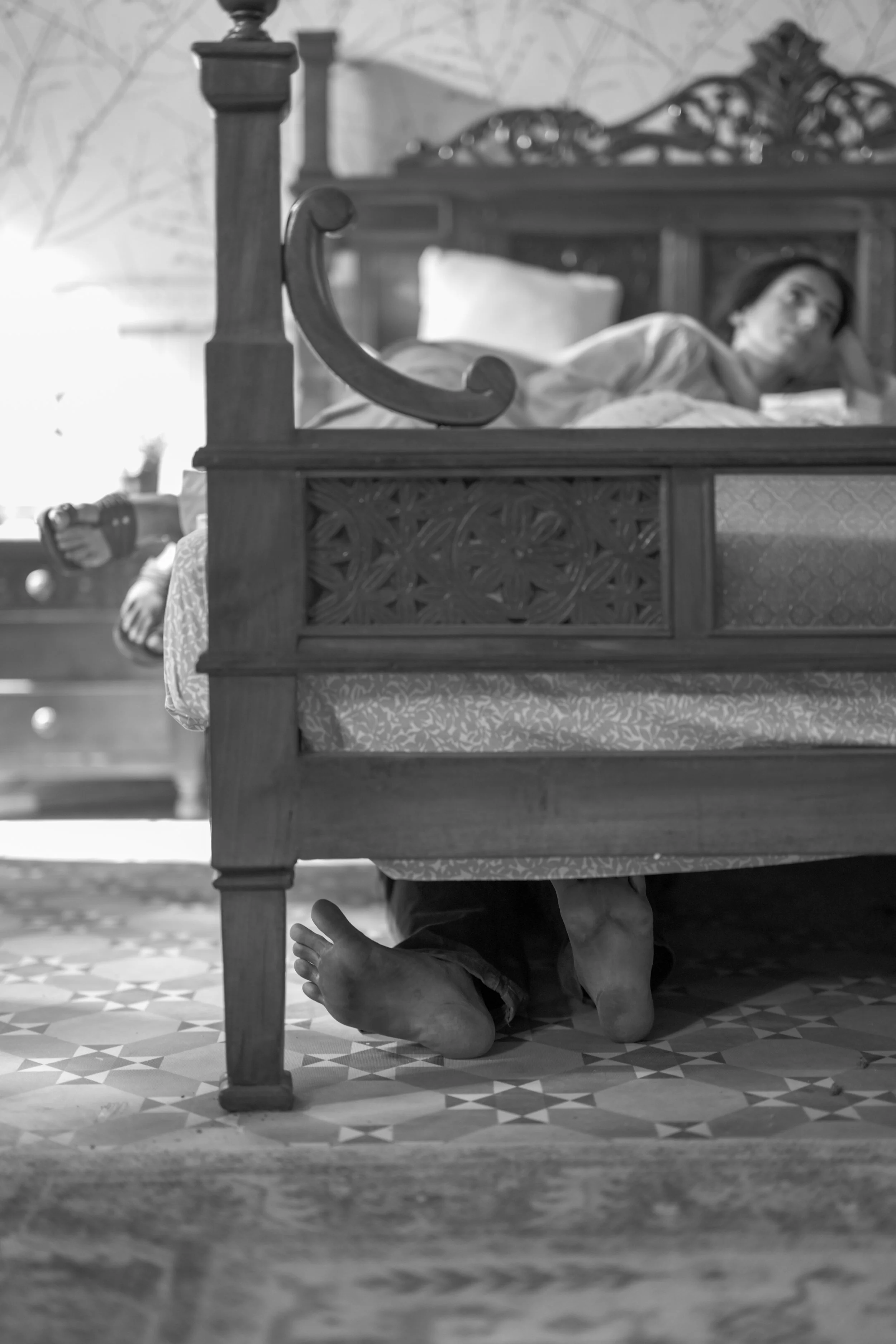
Every long project has one image that contains the whole. For Almost Broken it is what Jami calls the Bed Image. A woman lying on top of a bed while a set worker sleeps beneath it. Two lives separated by the height of a mattress. The hierarchy is right there in the frame. So is the intimacy. So is the distance between one kind of life and another.
He says it captures too many elements of hope and life to fully describe. That inability to describe it completely is exactly the point. The images in Almost Broken are not illustrations of an argument. They are the argument. You look at them and you arrive somewhere that language could not have taken you.
What he is trying to say
When Jami takes these photographs he says he usually does not want to say anything. He wants to be in the moment. But he knows that unconsciously he takes them to show the human spirit of not giving up on life. And the sadness of having given up.
Both things are present in the series. Often in the same frame. Often in the same face. The distance between holding on and letting go rendered in black and white by a filmmaker from Karachi who photographs to stay well and keeps finding in other people's faces something he recognizes in his own.
He calls the project Almost Broken. Not broken. Almost. That almost is where all the work is.
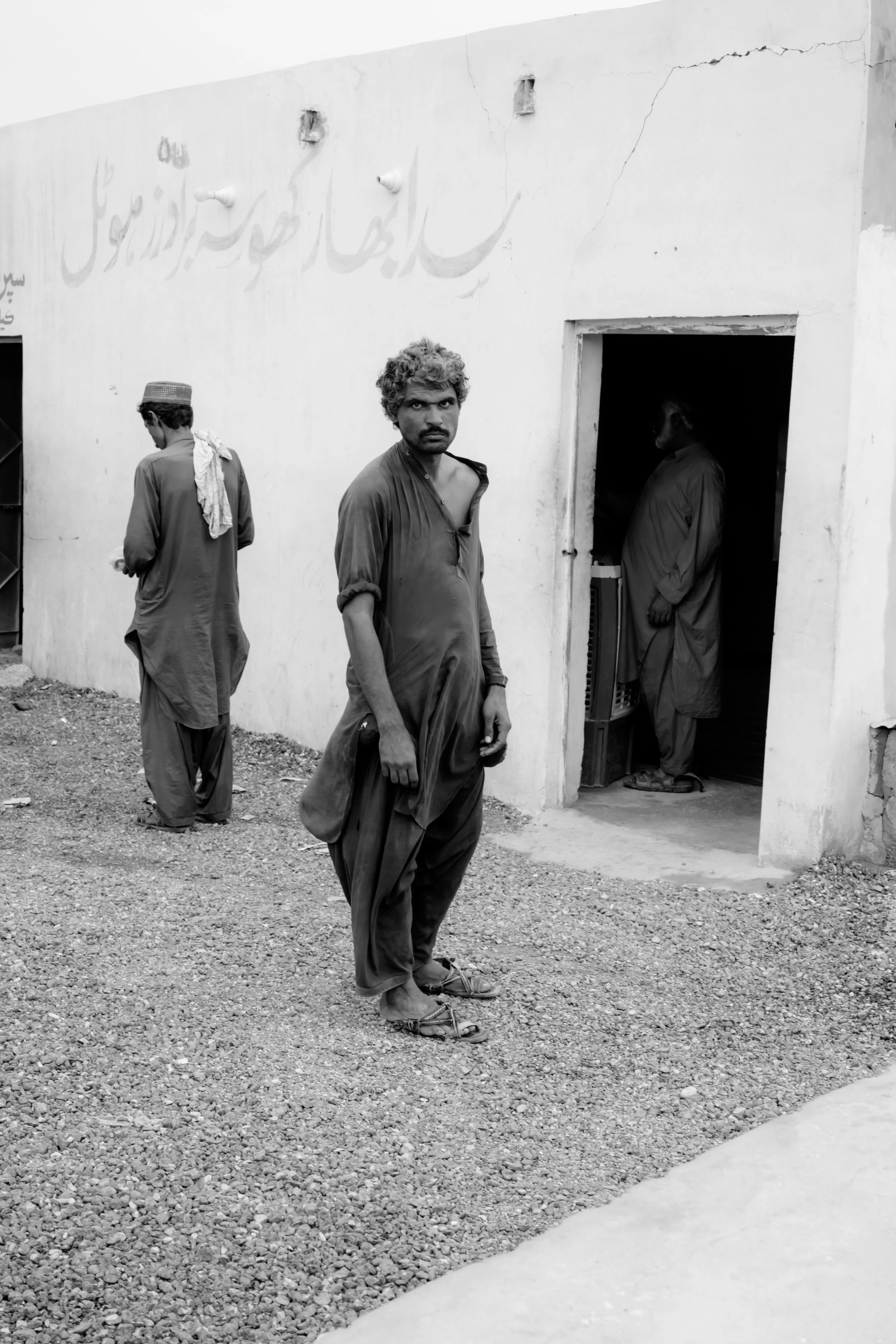
You can check out more of Jamis work on foto @azadjami
Jami Azad is a filmmaker and photographer based between Los Angeles and Karachi. He holds a BFA in Film from Art Center College of Design and works primarily as a feature film director and television commercial director. Almost Broken is an ongoing personal project made alongside his professional work. Follow his photography on Foto and Instagram.