The Five Stages of Buying a New Camera
A completely honest and entirely too accurate guide to how photographers make gear decisions.
It starts innocently enough. Someone in the Collective posts a photograph that stops you. The tones are extraordinary. The detail is incredible. The image has a quality that yours have been missing and you know immediately what the problem is.
It is definitely the camera.
What follows is a journey that every photographer in this community has taken at least once. Most of us have taken it several times. Some of us are on it right now. There is no shame in any of it. There is only the journey.
Stage One: Denial
You do not need a new camera. Your current camera is perfectly good. You know this because you have said it out loud to your partner, your friend, and yourself in that order, each time with slightly less conviction.
The photographs you have been making lately are fine. They are more than fine. They are good. The only reason they are not as good as the photographs you want to make is that you have not been going out enough. Or the light has been bad. Or you have been busy. It is definitely not the camera. You do not need a new camera.
You open a browser tab just to look.
Stage Two: Justification Research
This is the longest stage and also the most productive in terms of the sheer volume of content consumed. YouTube reviews. Forum threads. Comparison charts. Sample galleries viewed at 100 percent zoom on a monitor at 2am. Reddit threads where someone has done a detailed side by side of the exact two cameras you are now considering even though twenty minutes ago you were not considering any cameras.
The research is remarkably consistent in its findings. Every camera you are interested in has outstanding image quality. The autofocus is class leading. The dynamic range is exceptional. The ergonomics are exactly right for the kind of shooting you do. The one reviewer who gave it four stars instead of five had clearly unreasonable expectations and probably does not even shoot the same subjects you do.
You also do the math. Not the real math. The photographer math. If you sell your current camera and your spare lens and that battery grip you have never used and the bag that does not fit right you can basically get this camera for almost nothing. You write the numbers on a piece of paper, look at them for a while, and fold the paper up without showing it to anyone.
Stage Three: The Purchase
There is a moment of clarity just before you complete the transaction. A brief window in which you see the situation clearly for what it is and have the option to close the tab and walk away.
You do not close the tab.
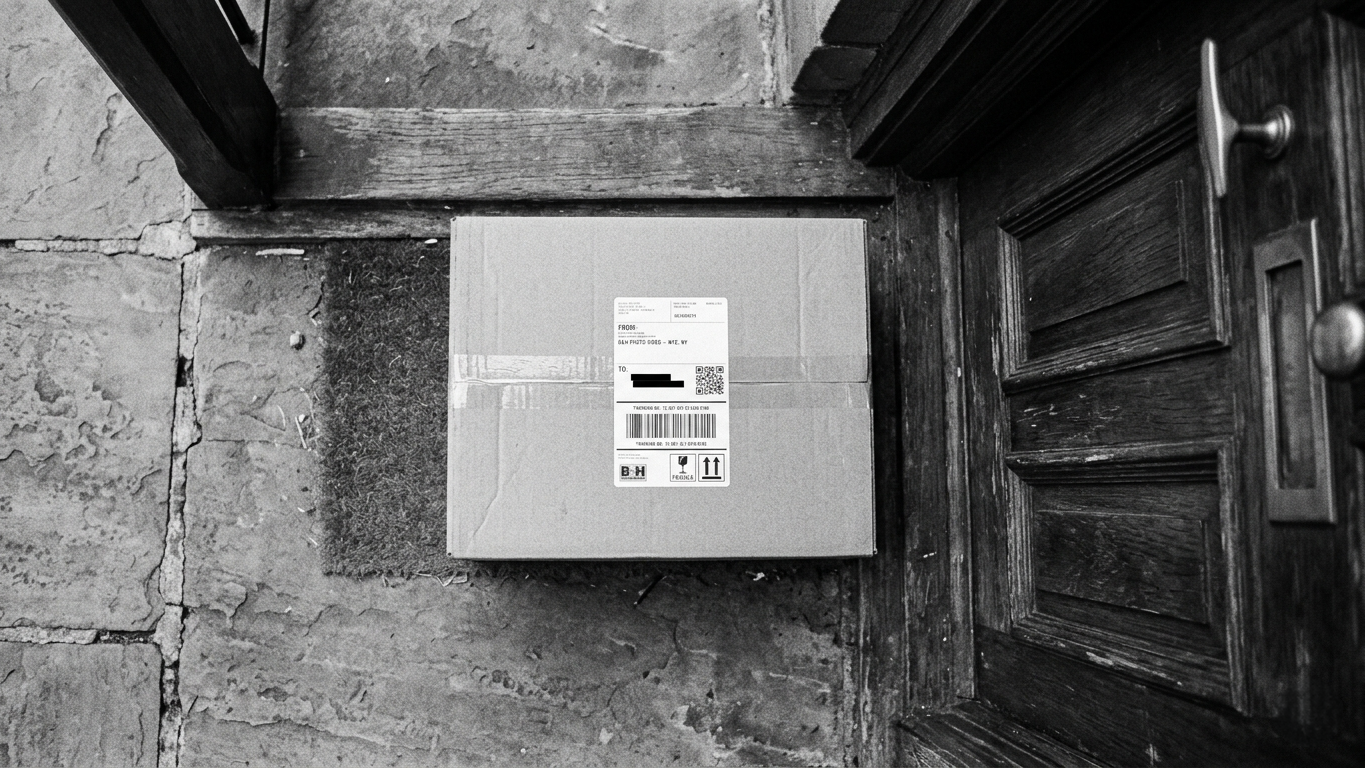
The confirmation email arrives and something shifts. The camera is real now. It exists somewhere in a warehouse with your name on the order. In three to five business days it will be in your hands. Everything is about to change.
You tell yourself you will not track the shipment obsessively. You track the shipment obsessively.
Stage Four: The Euphoria
The box arrives and it is perfect. The unboxing experience alone justifies the purchase. The camera feels right in a way your old camera somehow never quite did. The grip is exactly right. The controls fall naturally under your fingers. The shutter sound is deeply satisfying.
You charge the battery and go out immediately. The photographs you make on day one are extraordinary. You can see it immediately on the back of the camera. The image quality. The color rendering. The dynamic range in the shadows. Everything you suspected about this camera is true and the people in the Collective are going to absolutely lose their minds when you post these.
You edit the first ten images and they are genuinely excellent. You post one. The response is everything you hoped for. Life is good. Photography is good. This camera is good. The decision was correct.
Stage Five: The Realization
It happens around week three. You are editing a recent shoot and something catches your attention. These photographs look familiar. Not in a bad way exactly. Just in a way that reminds you of something. You open a folder from six months ago and put the images side by side.
They look the same.
Not identical. The new camera has objectively better dynamic range and the autofocus is genuinely faster and the image quality in low light is noticeably improved. These are real differences and you are not imagining them. But the photographs themselves. The choices you made. The things you pointed the camera at and the moments you waited for and the compositions you built. These are exactly the same photographs you were making before.
Because of course they are. The camera did not change how you see. It could not. That part was always you.
You sit with this for a while. It is not a comfortable feeling but it is an honest one and somewhere underneath the discomfort there is something useful in it. The camera is not the variable. You are. The thing that will actually change your photographs is not in a box at a warehouse with your name on it. It is in the accumulated hours of looking carefully and going out consistently and asking hard questions of your own work.