Technical Skill Will Only Take You So Far
A technically perfect photograph and an emotionally powerful one are not the same thing. Here is the difference and why it matters.
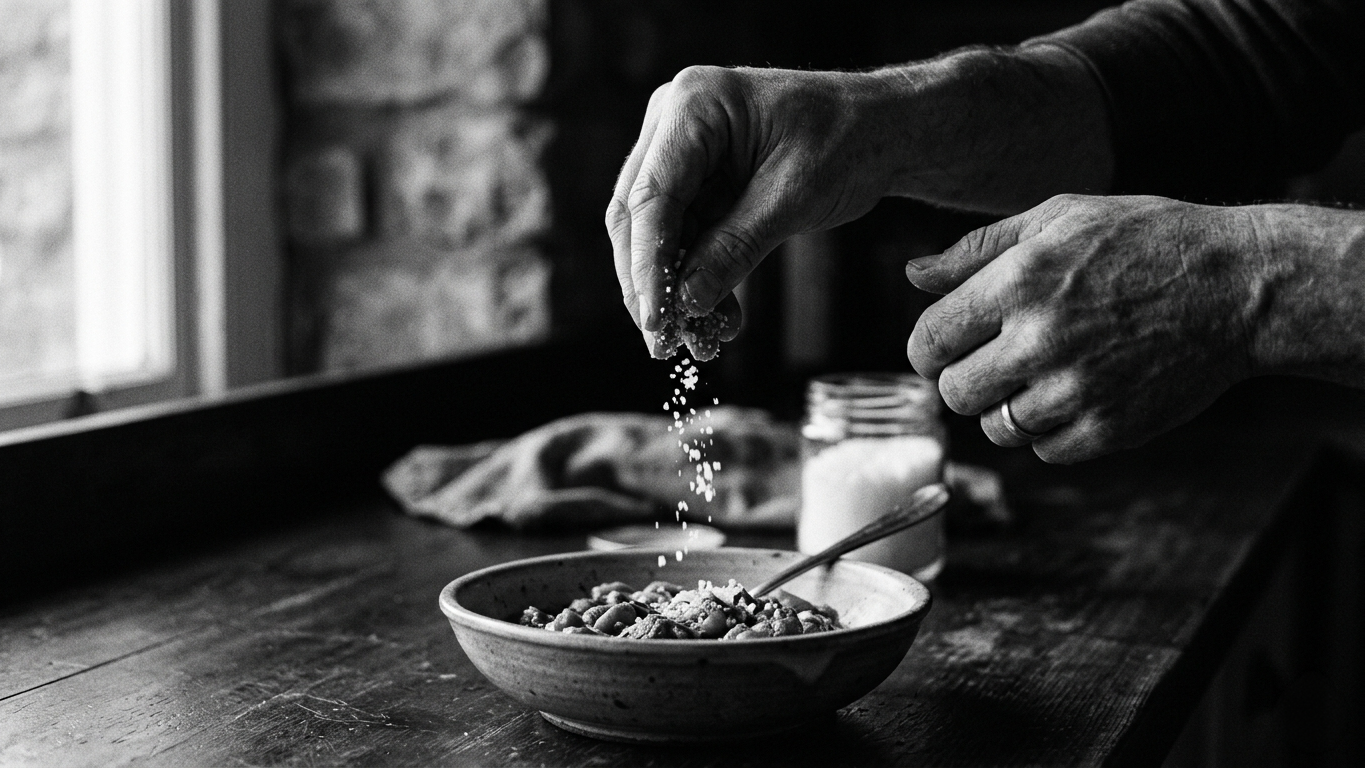
Think about salt.
Salt on its own is inedible. Food without salt is flat and forgettable. But the right amount of salt on the right food transforms both into something you remember. You don't think about the salt when you're eating a great meal. You just know that something is working. That the food has a depth and a presence it wouldn't have without it. Take the salt away and something essential is gone even if you can't immediately name what it is.
Technical correctness in photography is the food. Emotional impact is the salt. And most photographers spend years perfecting the food without ever really understanding what the salt does or how to use it.
Every photographer hits a moment where they realise that the technically perfect image and the emotionally powerful one aren't the same thing. Sometimes they overlap. Often they don't. The image that stops you is rarely the one with the perfect histogram and the sharpest focus and the most balanced composition. It's the one that makes you feel something before you've had time to think about why.
Why we chase technical correctness
Technical correctness is measurable. You can look at a histogram and know whether your exposure is right. You can zoom to 100 percent and know whether your focus is sharp. You can apply compositional principles and know whether the frame is balanced. There are right answers and wrong answers and the right answers are achievable through practice and repetition.
Emotional impact doesn't work that way. You can't look at a meter reading and know whether your image is going to make a stranger feel something. You can't apply a formula and guarantee the result will stop someone in their tracks. The skills that produce emotional impact are harder to name, harder to teach, and harder to know whether you've developed them.
This is why photographers default to chasing technical correctness even when they know it isn't what makes the work they most admire. It's the thing they can control. And control feels like progress even when it isn't moving you toward the thing that actually matters.
What actually produces emotional impact
Genuine presence is the first thing. The photographer was actually there, mentally and emotionally, not just physically. They were paying attention to something real and that attention made it into the frame. The viewer can feel the presence of a person behind the camera who cared about what they were looking at. That caring is not something you can fake in post processing. It's either in the frame or it isn't.
Specificity is the second thing. The image that is about this specific person in this specific moment rendered with enough honesty that the viewer feels something particular is more powerful than the image that is about a general category of human experience. Grief in the abstract is less moving than this person's grief right now captured with enough truth that you recognise it as something you have felt yourself.
The right imperfection is the third thing. Some technically imperfect images are more emotionally powerful because of their imperfection. The slight blur that communicates movement. The grain that gives the image texture and time. The exposure that sacrifices detail for atmosphere. These aren't accidents made by photographers who didn't know better. They're choices made by photographers who understood that the emotion mattered more than the meter reading.
And tension is the fourth thing. The image that withholds something, that raises a question it doesn't answer, that keeps the viewer inside it working on something unresolved, creates emotional engagement that the image which explains itself completely cannot. When a photograph leaves something open the viewer's imagination enters the frame. And when that happens they bring their own feeling with them. The image becomes partly theirs. That co-creation is a big part of what emotional impact actually feels like from the other side of the frame.
The practical question
How do you actually develop emotional impact in your own work. The honest answer is that it comes from caring about your subjects more than you care about your settings. From being present in the moment of making the photograph rather than managing it from a slight distance. From being willing to use the technically imperfect frame when it's the emotionally true one. From making more photographs that feel slightly risky rather than photographs that feel safe.
It also comes from looking at your own work differently. Instead of asking is this technically correct ask what does this make me feel and why. Instead of asking is this sharp ask what is this image actually about. Instead of asking did I get the shot ask did I get the truth.
The salt doesn't announce itself. When a meal is right you just know something is working. When a photograph is right you feel it before you can explain it. That feeling is what you're actually trying to produce. The technical correctness is just what makes it possible for the feeling to survive the translation from moment to image.
Get the food right. Then learn what the salt does.