Lessons from the Darkroom
What the age of chemicals can still teach the digital eye
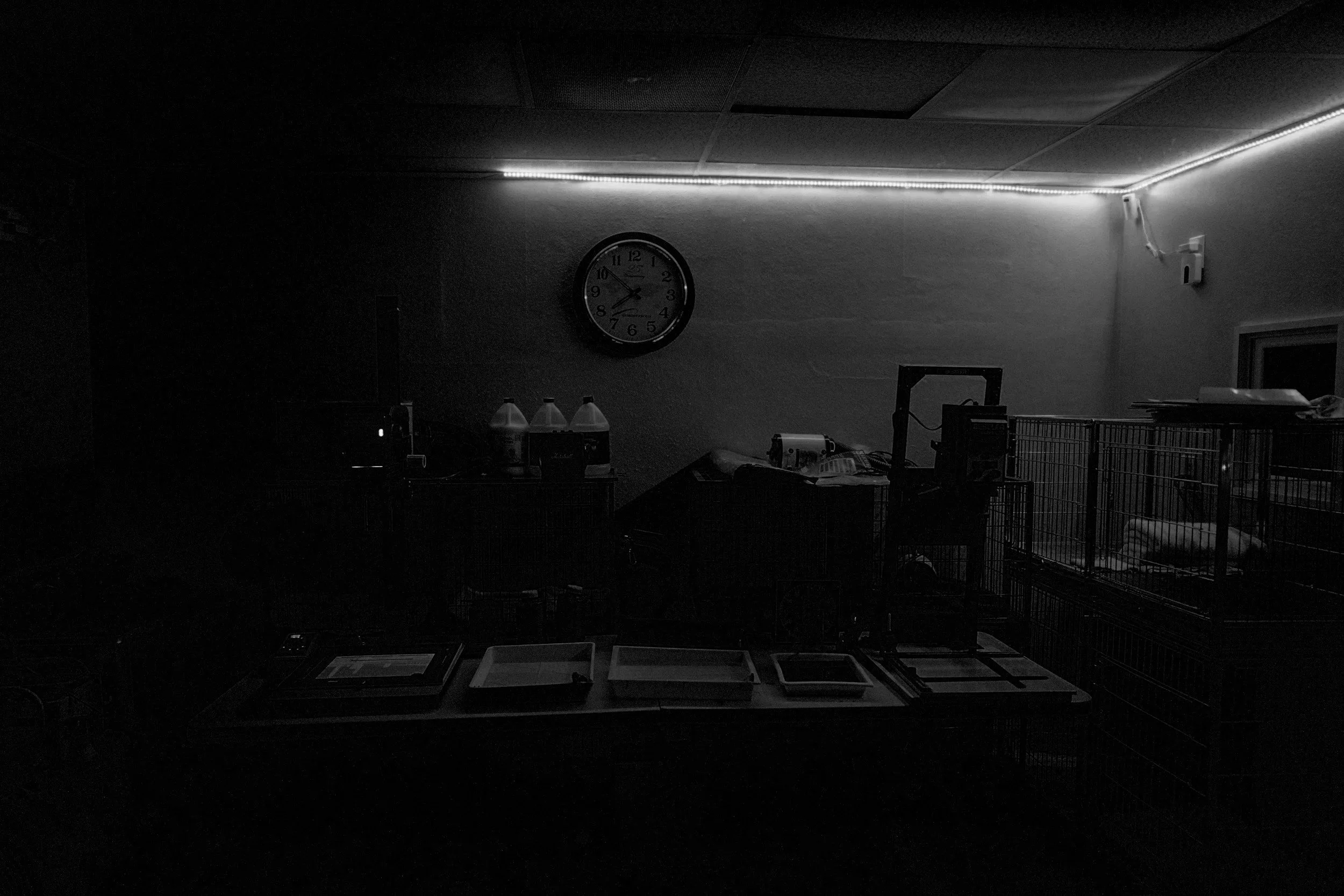
There was a time when photographs emerged slowly not on a screen, but in a tray of liquid light. The darkroom was not just a workspace; it was a teacher. Its lessons weren’t about software or presets, but about patience, restraint, and the intimacy of process. And though most of us no longer breathe developer fumes or watch images bloom under red light, the principles of that ritual still apply to how we see and work today.
1. The Value of Waiting
Film forced you to pause. You couldn’t see your results instantly, so you learned to trust your eye and commit to the moment. In digital, that discipline still matters. Resist the urge to chimp, shoot, breathe, and review later. Let your seeing be instinct before it becomes analysis.
2. Craft in the Dark
In the darkroom, you worked by feel as much as by sight dodging, burning, timing, sensing. That tactile intuition is missing in sliders and histograms, but the principle remains: every photograph deserves hands-on attention. Edit like a printer, not an algorithm.
3. The Power of Limited Tools
You had one lens, one film stock, one contrast grade of paper and you learned depth through limitation. Today’s endless options can flatten our choices. Try working within a constraint one focal length, one color palette, one exposure style and see how clarity emerges.
4. Print to See
A photograph isn’t finished until it leaves the screen. The darkroom ended in a print, tangible and final. Making prints today even digital ones teaches you how tones breathe in real light, how blacks anchor, how subtle grays hold emotion. It completes the thought.
5. Slow Is a Setting
The darkroom was slow by nature, and that slowness sharpened attention. In digital photography, you have to choose to be slow. Choose it anyway. Slowness lets vision catch up with the click.
The darkroom may be gone, but its spirit survives each time we treat photography as something more than instant. Behind every image that endures lies a moment or a maker who understood that good seeing still takes time to develop.