Paris Photo 2025 Recap: Key Highlights from the World’s Premier Photography Fair
Paris Photo 2025 wrapped up yesterday, closing four days of exhibitions, discoveries, and conversations that once again confirmed why this fair remains the most important gathering in the photography world. This year’s edition balanced reverence for photographic history with a clear curiosity about the future, resulting in a show that felt both grounded and forward looking.
One of the biggest talking points was the unexpected spotlight on posthumous prints. These are photographs made after an artist’s death, often by their estate, and they traditionally occupy a controversial corner of the market. But this year, galleries presented them with a new level of transparency and respect. Collectors and institutions seemed more open to them, too, suggesting a broader shift in how legacies are preserved and shared. It marked a moment where the conversation around authenticity and access felt more nuanced than ever.
Another major moment belonged to French photographer Sophie Ristelhueber, who was celebrated through a striking forty meter installation that dominated the space. Her work, known for its haunting depictions of landscapes transformed by conflict, stood out as one of the fair’s most powerful experiences. The presentation felt like a long-overdue acknowledgment of her influence and added a contemplative, emotional weight to the event.
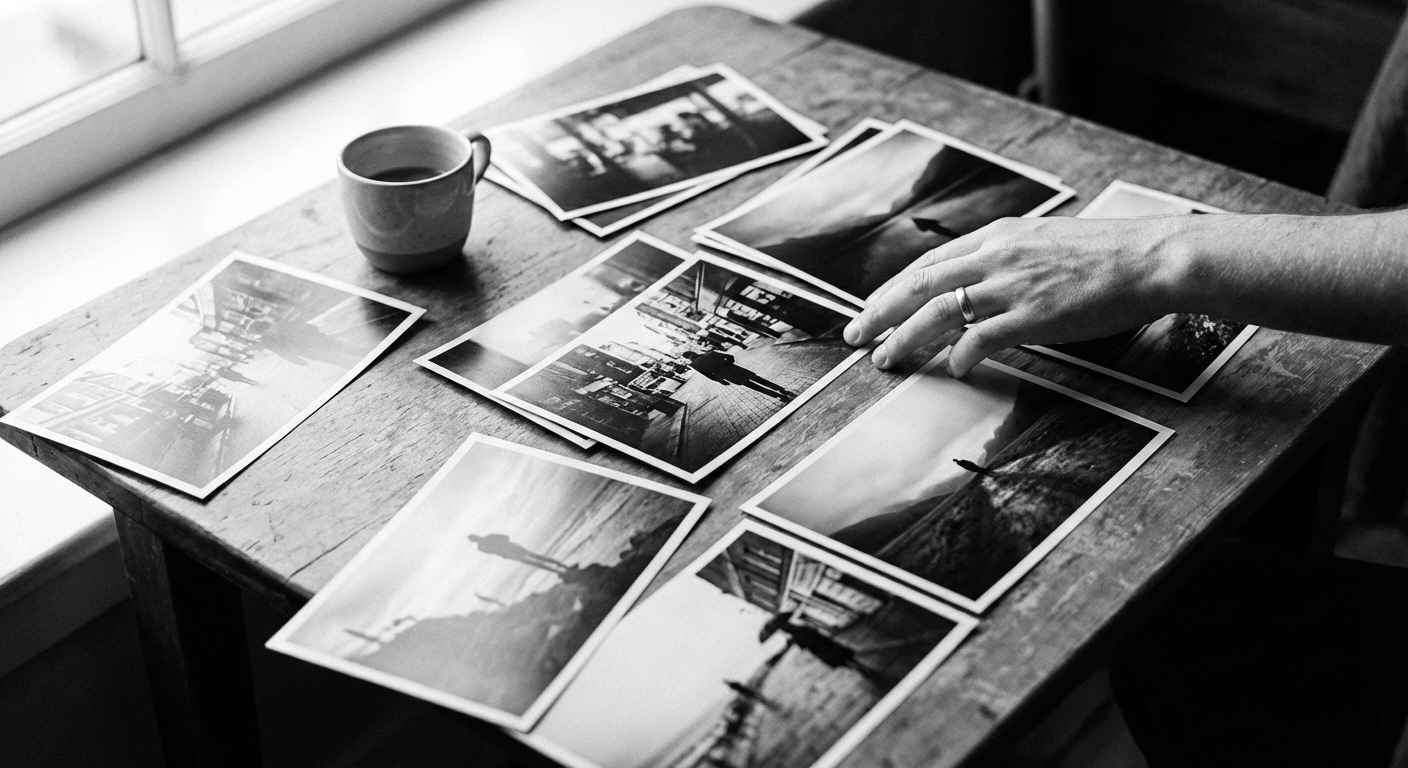
Emerging and contemporary voices were equally present, especially with Jack Davison’s ambitious portrait marathon. His project, born from photographing more than a hundred strangers in rapid succession, brought a refreshing immediacy and vulnerability to the fair. The tactile quality of his photogravure prints drew considerable attention and reflected a growing interest in process-driven work at a time when many photographers are returning to handmade techniques.
This year’s fair was also notable for its diversity. Galleries from more than thirty countries exhibited work, with a significant rise in representation from women photographers and a welcome resurgence of Japanese galleries. Latin American archives and contemporary projects added even more global depth, broadening the fair’s cultural reach and offering perspectives that felt fresh and essential.
Despite a more cautious art market overall, the fair maintained strong energy. Emerging galleries were given more opportunities, established artists enjoyed renewed visibility, and institutions continued to support ambitious projects. The atmosphere suggested that while the market may fluctuate, the medium itself remains vibrant and full of momentum.
Paris Photo 2025 ultimately felt like a reminder that photography is not a single practice or perspective. It’s an ever expanding field one that embraces historical prints and cutting edge digital work, grand installations and intimate portraits, established voices and bold newcomers. As the fair closed its doors, the takeaway was clear: photography is still reinventing itself, and Paris remains one of the best places to witness that evolution in real time.