Street Photography Can Get You in Trouble Here’s How to Avoid
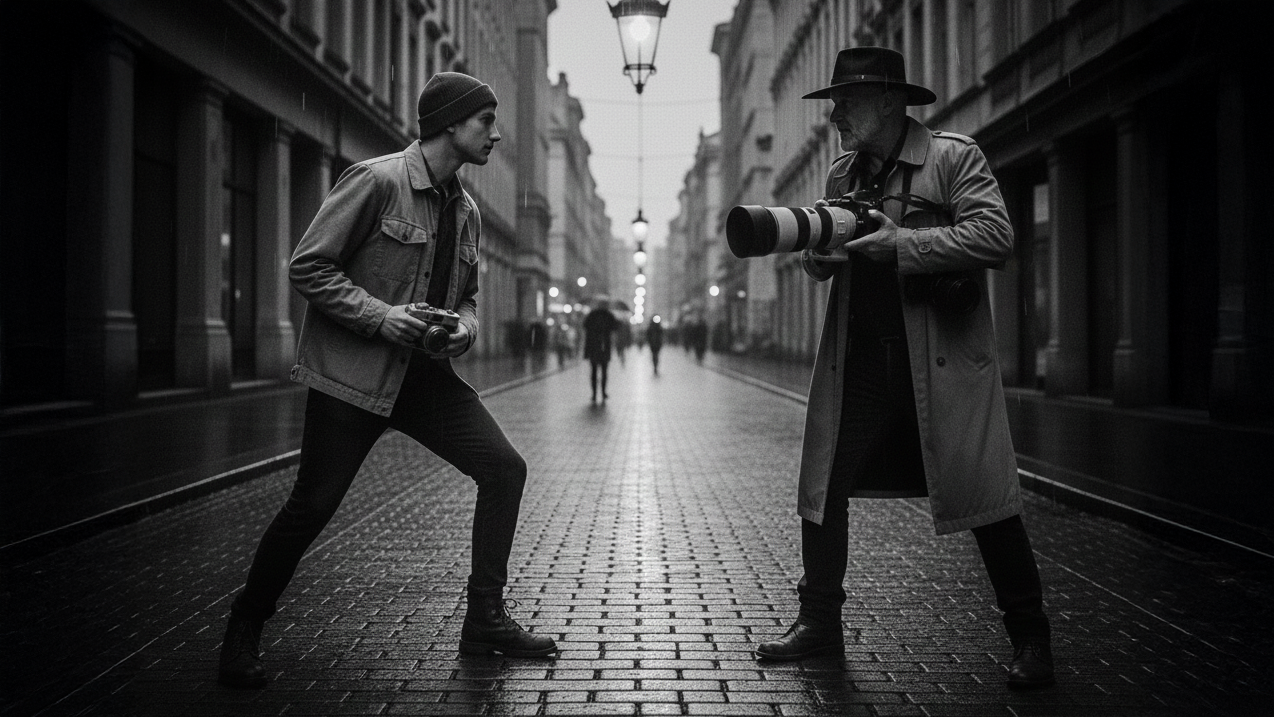
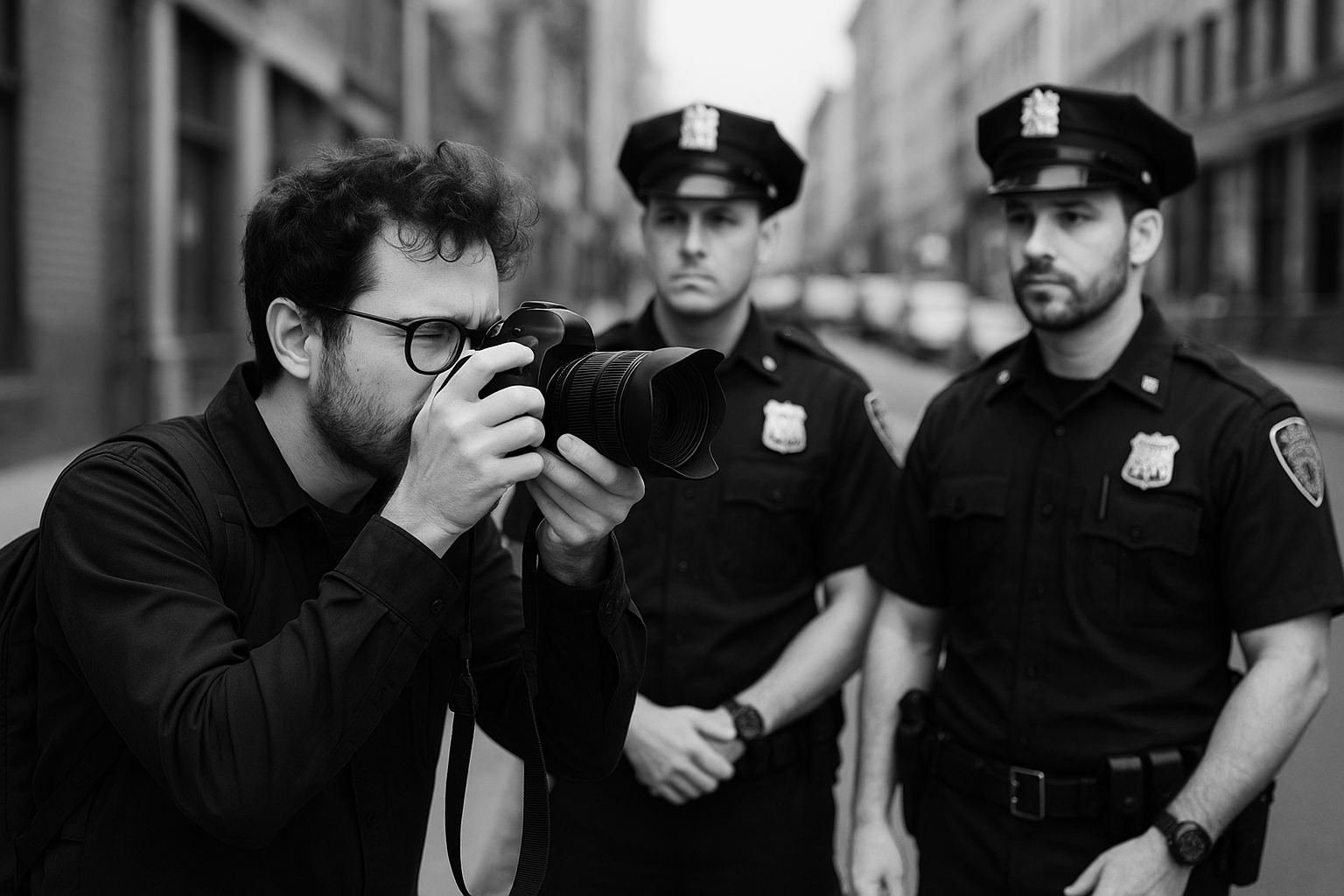
Street photography has always carried a hint of tension. You’re working in public, chasing moments that unfold in real time, and sometimes pointing your camera at people who didn’t expect to be photographed. It’s thrilling but it can also raise eyebrows, spark misunderstandings, or invite unwanted attention from security or police.
Most of the time, street photography is perfectly uneventful. But when trouble does arise, it usually has less to do with the camera and more to do with how the photographer moves, behaves, and interprets their surroundings. The good news? Avoiding these situations is surprisingly simple when you adopt a thoughtful approach.
Here’s how to keep photographing confidently and keep unnecessary drama out of your workflow.
Understand the Environment You’re Walking Into
Not all public spaces feel the same. Some neighborhoods thrive on creative energy; others run on routine and caution. Before you lift your camera, tune into the atmosphere around you:
Is security present and alert?
Are people protective of their privacy?
Are there sensitive buildings or checkpoints nearby?
Does the area have a tense or high-pressure vibe?
Great street photographers aren’t just observant of moments—they’re observant of context. That awareness alone can prevent most conflicts.
Never Look Like You’re Hiding Your Camera
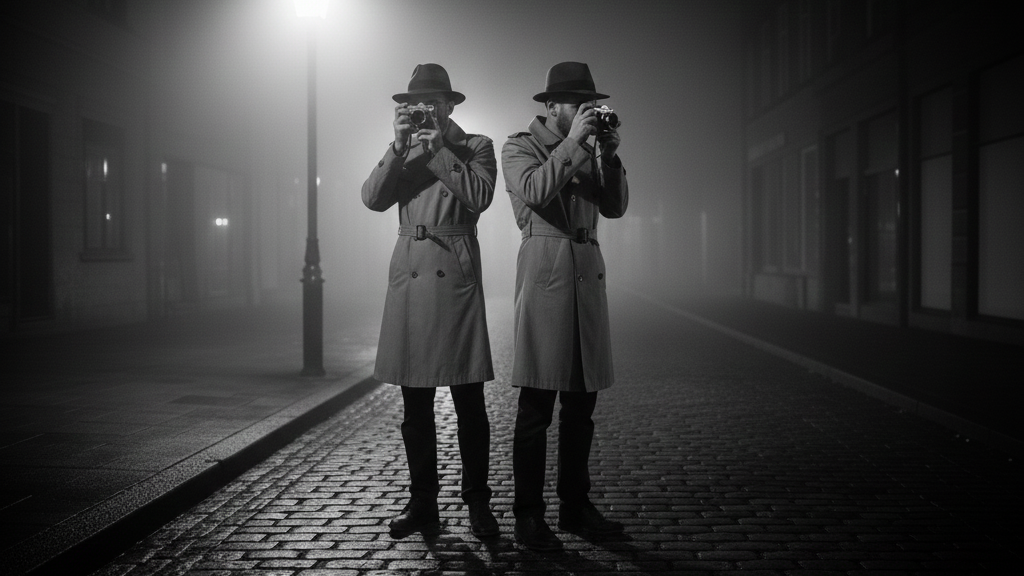
Suspicion is often triggered not by photography, but by the appearance of secrecy.
You can avoid this instantly by:
Keeping your camera out in the open
Not shooting from under jackets, bags, or hidden positions
Moving with confidence instead of hesitation
Offering a casual smile if someone notices the camera
When you look relaxed and intentional, others take you at face value: a photographer doing what photographers do.
Master the Art of Good Body Language
Your body language tells a story long before your photographs do.
Avoid:
Looming too close to people
Staying in one spot and staring
Following a single person for long stretches
Shooting in a way that feels invasive or predatory
Instead, try:
Keeping your posture open
Shooting, then moving on
Pausing to observe without fixating
Reacting naturally when people notice you
Good body language is the unspoken rulebook of street photography and it keeps both your subjects and bystanders at ease.
Don’t Become an Obstacle
Even if you’re not doing anything wrong, obstructing movement is a fast-track to conflict.
Common problem spots:
Narrow sidewalks
Busy shop entrances
Transit stations
Doorways or stairwells
Roadways with fast traffic cycles
If you’re blocking access or forcing people to walk around you, someone will eventually complain and that’s often when security or police step in.
A simple rule: Get the shot, then get out of the way.
Be Calm, Clear, and Friendly When Approached
Whether it’s a shop owner, security guard, or curious passerby, people will occasionally ask what you’re doing.
A relaxed, friendly answer goes a long way:
Keep your tone easy and conversational
Explain that you’re photographing everyday life
Offer to move if you’re in someone’s space
Don’t get defensive unless you want the interaction to escalate
Most people simply want reassurance that your intentions are harmless. Give them that, and the conversation often ends right there.
Avoid Photographs That Put People in Vulnerable Positions
Ethics and safety overlap more often than you might think. You can avoid a lot of trouble by steering clear of images that feature:
Medical emergencies
Arguments or confrontations
People in distress
Someone who is visibly uncomfortable
Children in situations that may feel sensitive or private
These scenes can be powerful but they require a level of sensitivity and context that not every spontaneous outing can support.
When in doubt, skip the shot. Your portfolio doesn’t need conflict to be compelling.
Trust Your Instincts: If It Feels Wrong, Walk Away
Street photographers often pride themselves on persistence. But some moments aren’t worth pursuing.
If the energy shifts, if someone is watching you too closely, or if your presence feels like it’s amplifying tension, the best move is simply leaving.
Walking away doesn’t weaken your work it strengthens your judgment.
Final Thoughts
Street photography balances spontaneity with responsibility. Trouble usually comes from misunderstandings, not malicious intent, and most of it can be avoided through awareness, openness, and empathy.
Your best images often come when you blend into the environment not when you challenge it.
Stay observant. Stay respectful. Stay curious. And you can keep doing what you love without unnecessary conflict.