3 Creative Boundaries That Can Elevate Your Photography
We don’t always improve by adding more. Sometimes the most transformative shifts in our work come from doing less by intentionally narrowing our options and letting those boundaries sharpen our vision. In monochrome photography especially, creative boundaries encourage us to pay closer attention, to compose with intention, and to find clarity in the details we might normally overlook.
Here are three simple boundaries that can elevate your work in surprisingly powerful ways.
1. Shoot With One Focal Length
Choosing a single focal length whether it’s a 35mm, 50mm, or something tighter forces you into a consistent way of seeing. Instead of letting the lens do the work, you become responsible for perspective. You move more. You anticipate compositions rather than chasing them.
Limiting your focal length develops instinct: you start to know exactly how the world will look through your camera before raising it to your eye. Over time, this builds a visual signature. Your images begin to feel cohesive, intentional, and connected by the same way of interpreting space.
In monochrome, this consistency can be even more impactful. Your compositions become cleaner, your relationship with light more attentive, and your storytelling more deliberate.
2. Commit to One Orientation
Shooting exclusively vertical or horizontal for a day, a week, or even a full project is a surprisingly powerful creative boundary. It’s a constraint that forces you to rethink how you organize space.
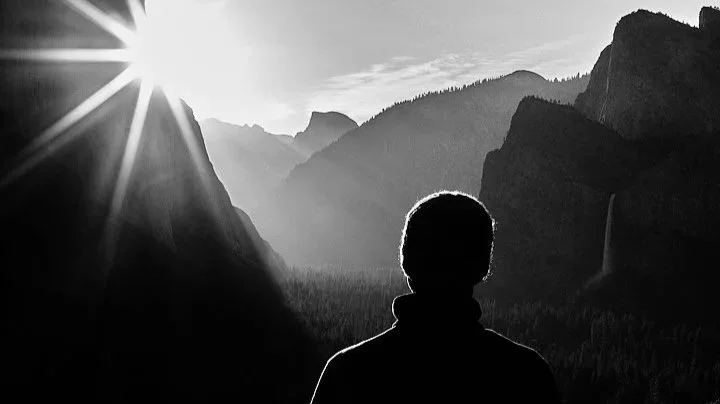
Vertical (portrait) orientation encourages intimacy, height, and the relationship between foreground and sky.
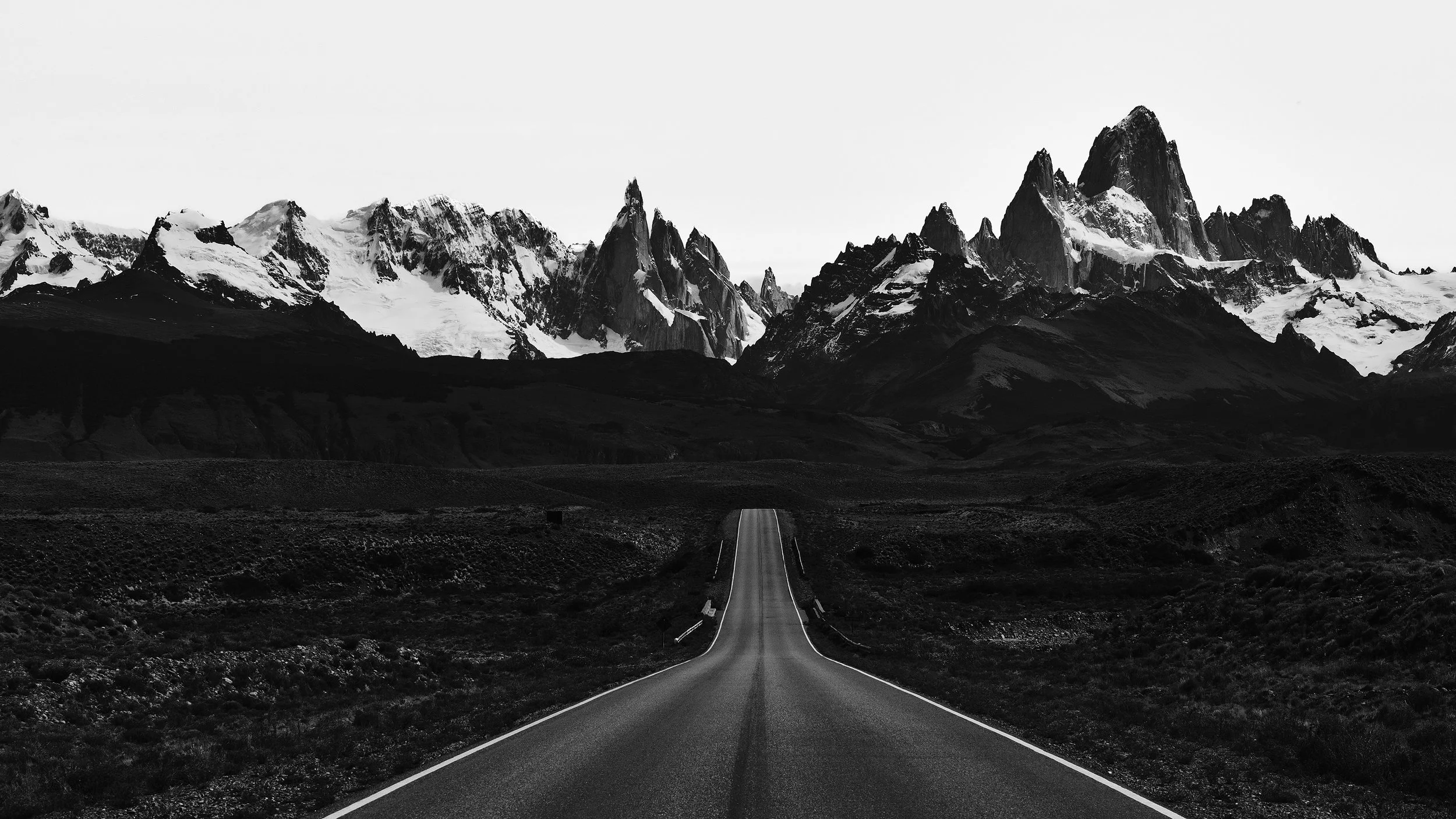
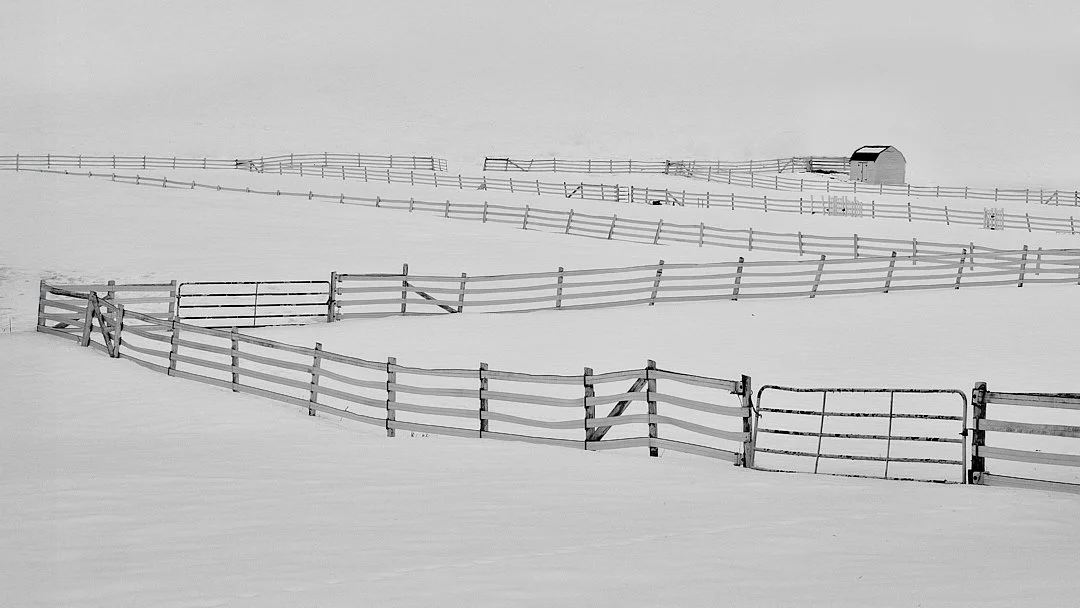
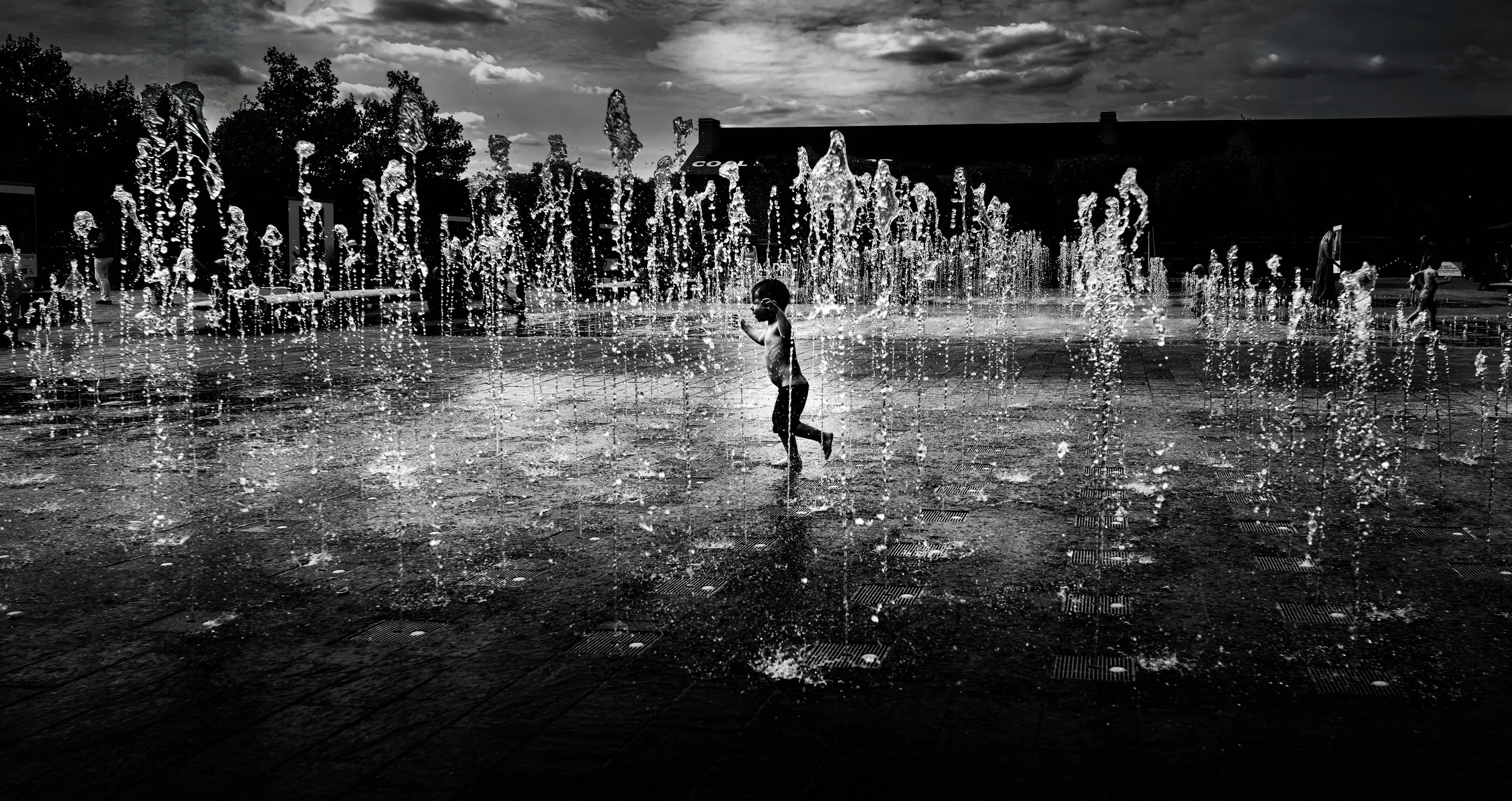
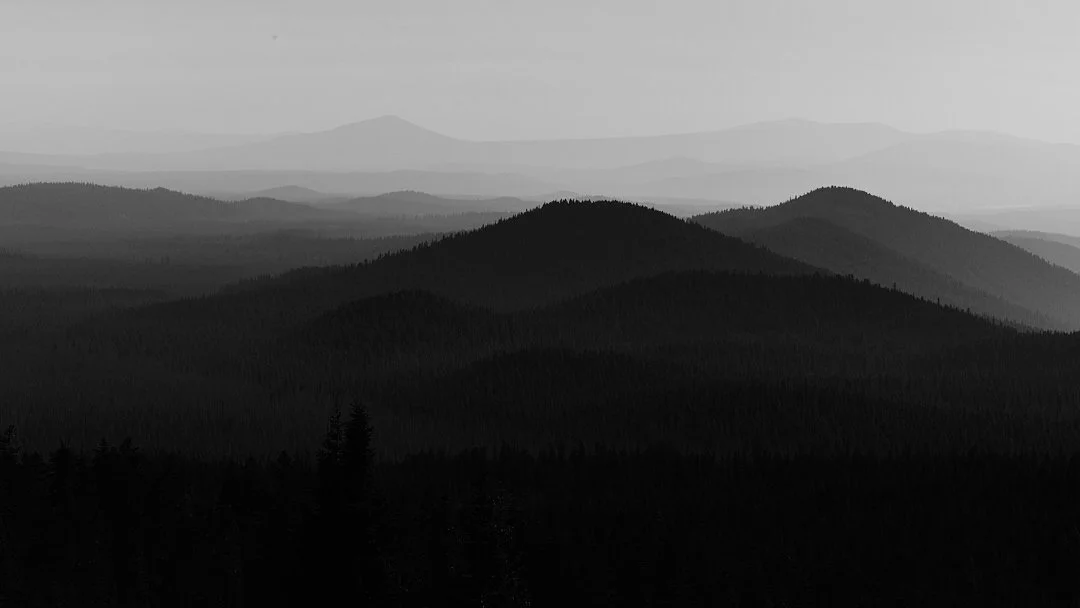
Horizontal (landscape) orientation emphasizes flow, balance, and the environment surrounding your subject.
Committing to one pushes you out of autopilot. You begin to compose differently, look differently, and move differently. Scenes that might have seemed unremarkable suddenly offer new possibilities when they must fit within a predetermined frame.
This boundary is especially effective in monochrome work, where structure often carries the emotional weight of the image. The chosen orientation becomes a quiet framework that shapes the story.
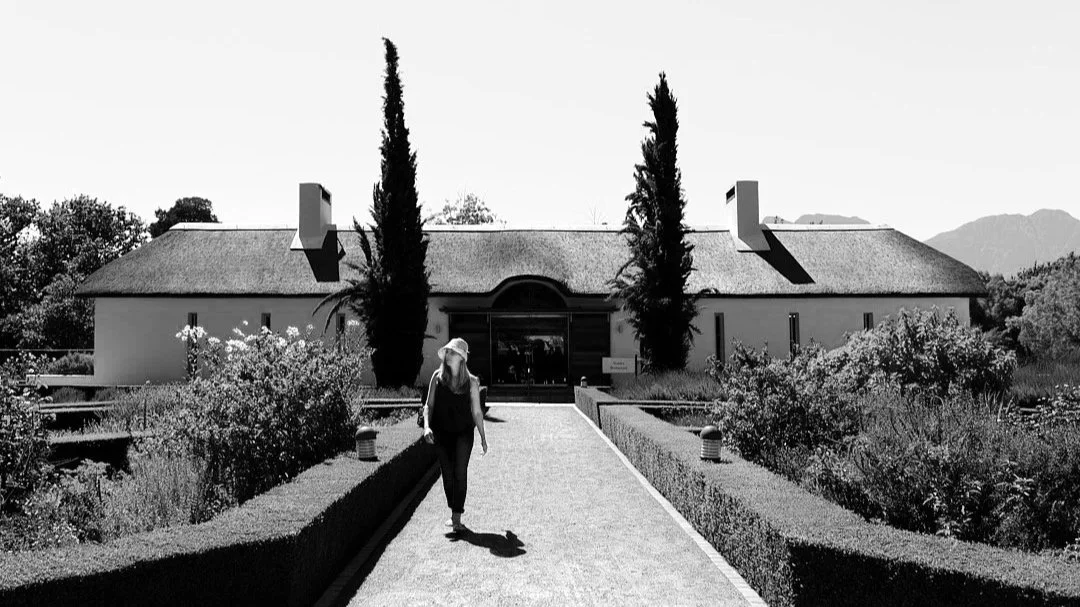
3. Photograph Within One Small Geographic Area
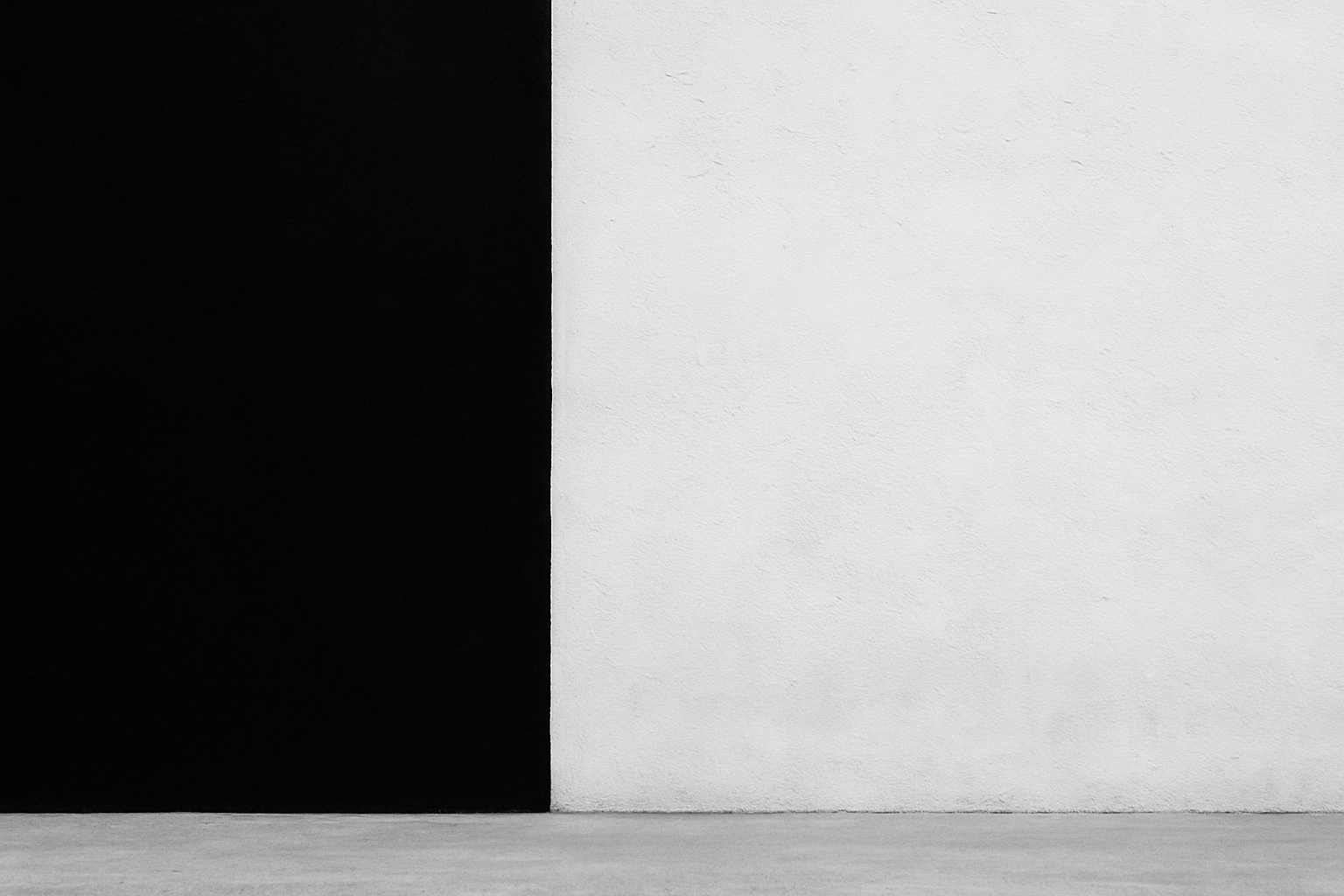
Restriction of space is one of the most transformative boundaries you can adopt. Choose a single street, a single block, a single room, or even a single wall and stay there.
At first, it feels limiting. Then something shifts.
When you can’t move on to the next promising location, you start to notice what’s actually there: subtle shifts in light, overlooked textures, small human gestures, reflections, patterns, moments you would normally rush past. Familiar places become richer. Mundane spaces become unexpected landscapes.
Working within a confined area trains your eye to look deeper instead of wider. The constraint becomes a meditation on patience and presence. And in monochrome, where nuance is everything, this depth of attention can change the way you shoot forever.
The Power of Creative Boundaries
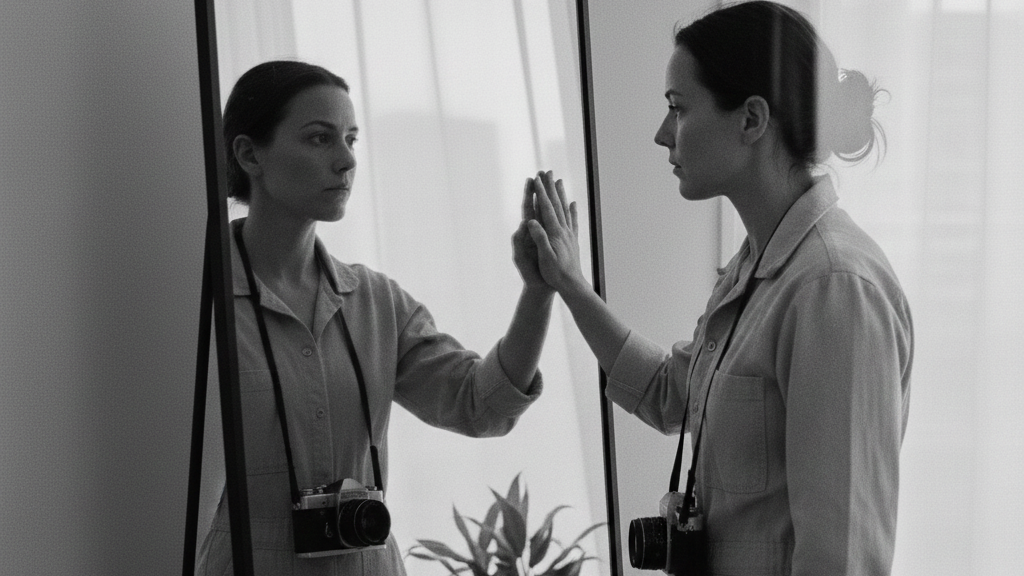
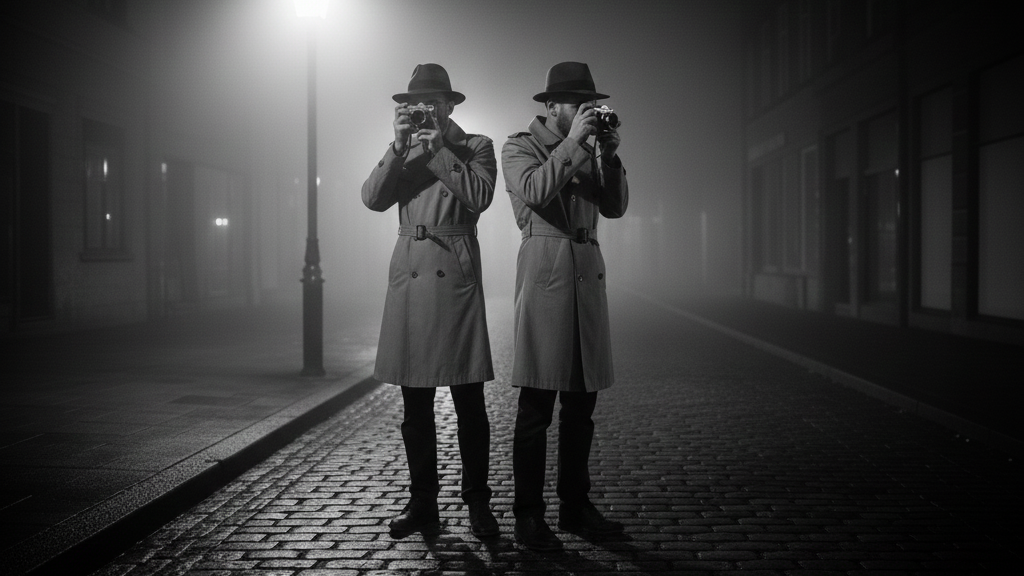
These three boundaries, one focal length, one orientation, one small space aren’t limitations. They’re invitations. Each one reduces the noise, simplifies the decision making, and strengthens the intentionality behind every frame.
When you impose boundaries, your vision becomes sharper. Your compositions become more thoughtful. And your work gains a sense of identity shaped not by endless options, but by deeper awareness.
Whether you’re looking to break out of a creative plateau or refine the way you see, these boundaries offer a simple, meaningful way to elevate your photography one deliberate choice at a time.