Should You Watch or Read Camera Reviews? Here’s What Actually Helps You Choose the Right Camera
The YouTubers and camera bloggers will hate me for saying this but the best way to know if a camera is right for you is to actually use it.
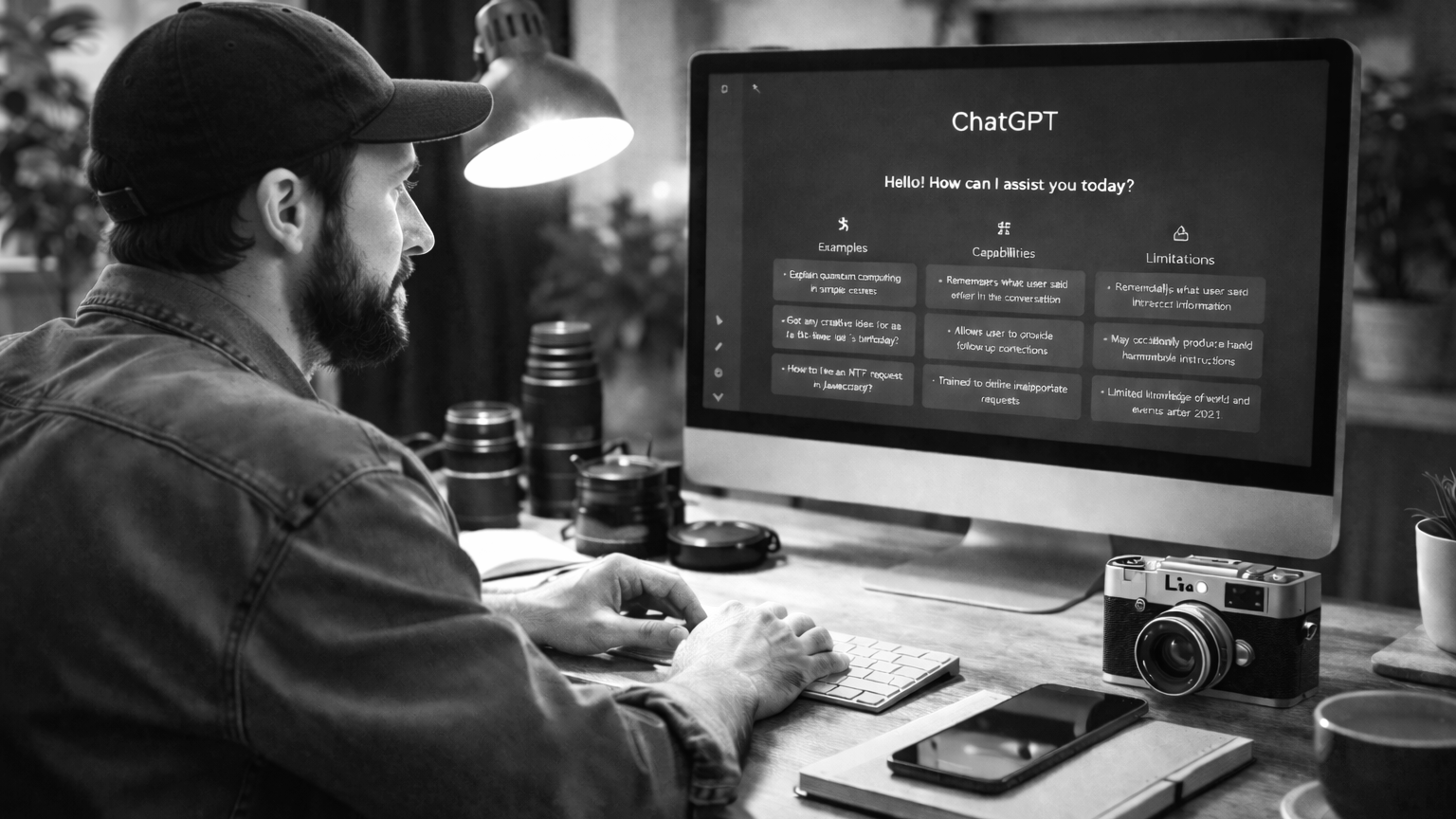
If you’re researching a new camera, there’s a good chance your search history looks something like: “best camera for street photography,” “camera reviews 2025,” “mirrorless camera comparison,” and “is blank worth it?” Modern photographers especially those shooting in black and white are surrounded by an overwhelming amount of review videos, blog posts, and spec breakdowns. Some are helpful, others are hype driven, and many contradict one another.
Let’s discuss it…
What’s wrong with camera reviews?
Don’t get me wrong, camera reviews have some value. They can help you:
Understand a camera’s key features
Identify potential weaknesses
Learn about menu systems, autofocus performance, battery life, and build quality
Compare cameras in the same category
People look up reviews because they want confidence before making a purchase. But confidence built on someone else’s experience isn’t the same as confidence built on your own.
Every reviewer brings their own preferences, shooting style, priorities, and habits. What feels like a deal breaker to one photographer might be irrelevant or even beneficial to another.
Reviews can tell you how they feel about a camera.
They can’t tell you how you will feel with it in your hands.
A Camera Is More Than Specs It’s a Physical, Emotional Tool
Specs look objective on paper, but photography is a tactile craft. Cameras feel different in real use, and that feeling directly affects your creativity especially in monochrome photography, where intuition and rhythm often matter more than megapixels.
You can’t judge these things from a video review:
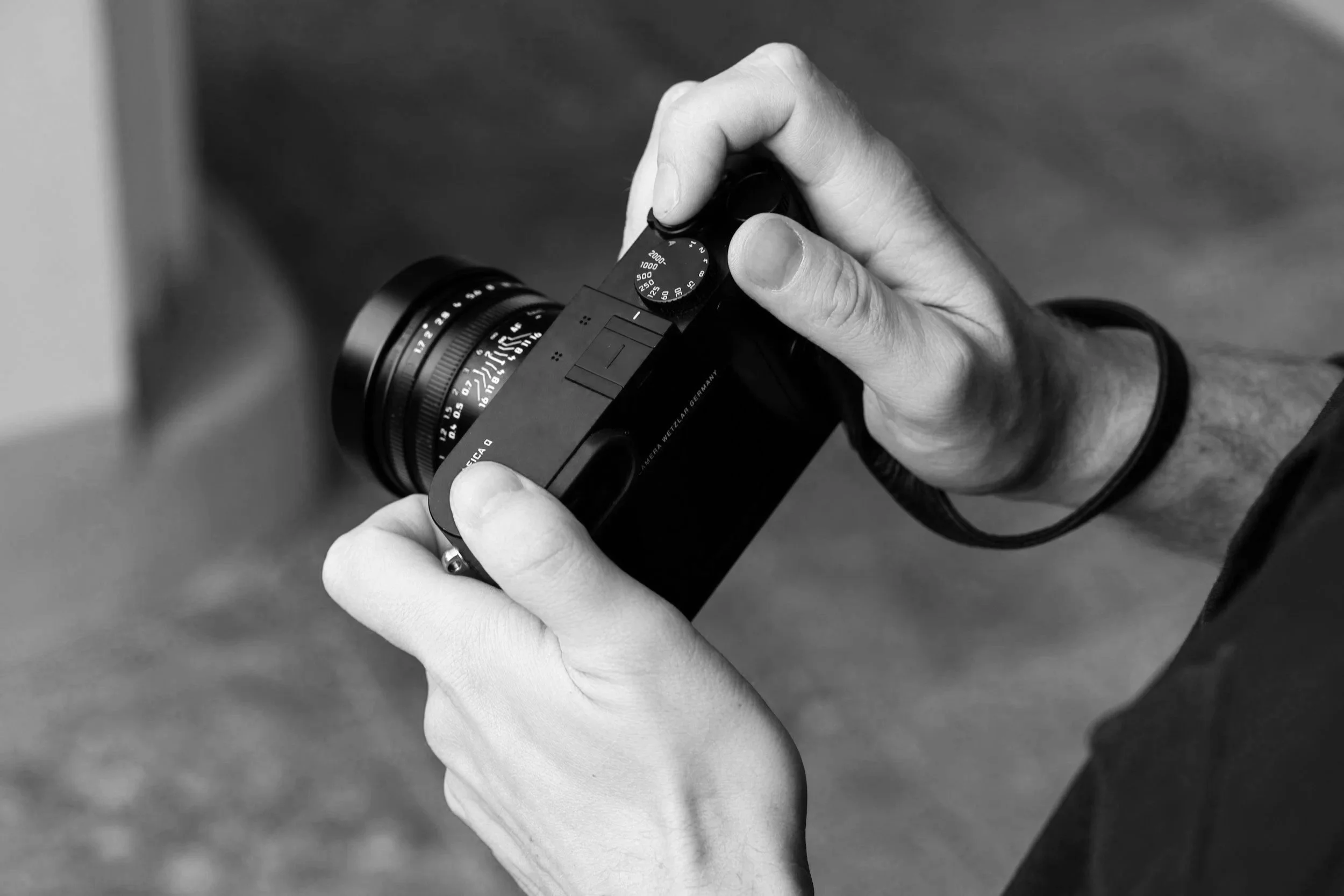
How the camera sits in your hand
The weight and balance with your preferred lens
The placement of dials and buttons
The responsiveness of the shutter
How the viewfinder affects your connection to the scene
Whether the camera encourages you to shoot or gets in your way
This is why two cameras with almost identical spec sheets can produce completely different experiences once you’re out on the street or working in low light.
Hands On Testing is The Most Reliable Way to Choose a Camera
If you want to know whether a camera is truly worth buying, the most effective method is extremely simple and extremely old school.
1. Visit a Camera Store
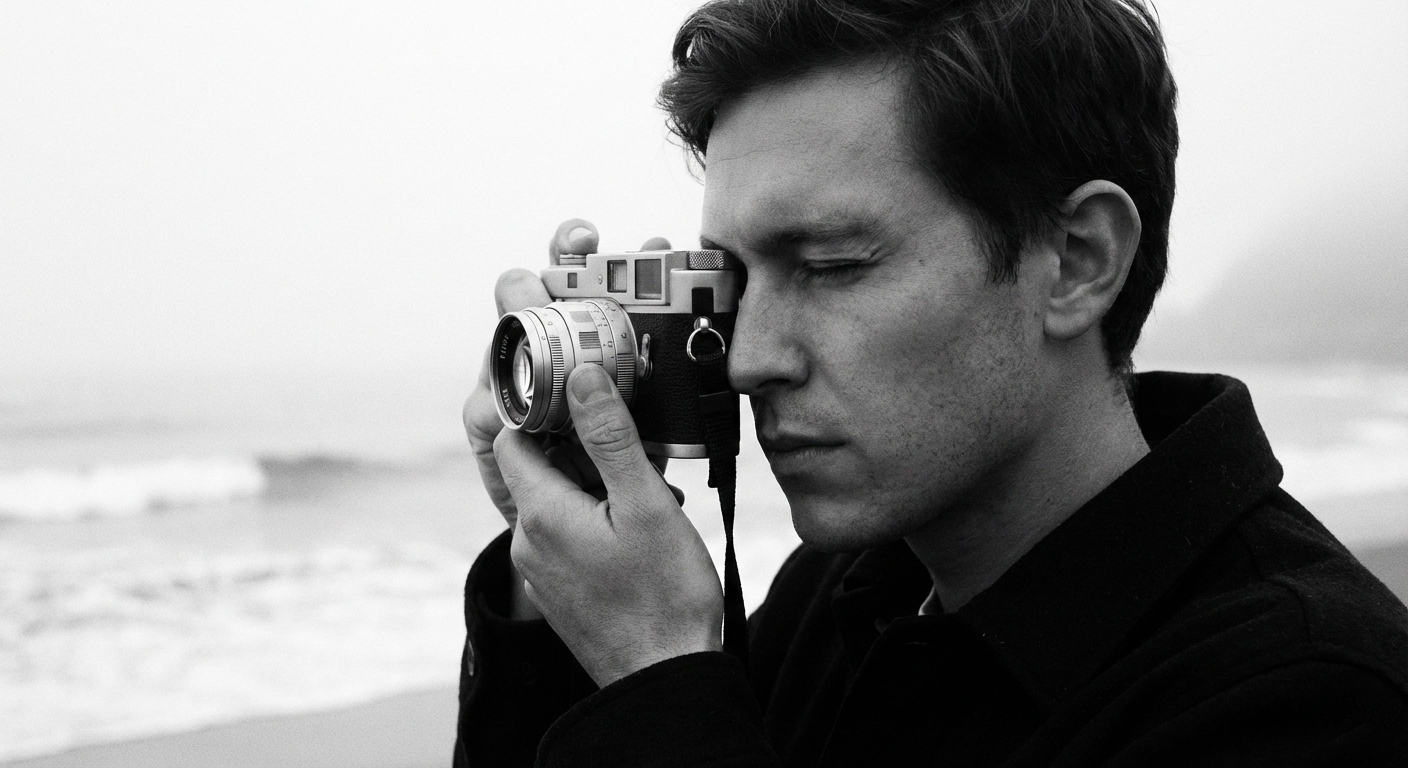
Holding a camera in person immediately reveals things no review can. Test how it grips. See if the controls feel naturally. Put it up to your eye and take a few frames. Many photographers make up their minds within 20 seconds of feeling a camera’s ergonomics.
2. Rent the Camera
If possible, rent it for a day or a weekend. Shoot the way you shoot, your subjects, your pace, your lighting conditions, your creative preferences. A reviewer's street test or studio test doesn’t necessarily reflect your workflow.
3. Pay Attention to Your Emotional Response
Do you find yourself wanting to pick it up? Does it slow you down in a way that helps you see? Does it complicate or enhance your process?
Photography isn’t just technical it’s emotional. The right camera removes friction and makes you want to create more. That feeling can’t be evaluated through YouTube.
Why This Matters Even More for Monochrome Photography
Black and white photography is unusually dependent on personal rhythm, intuitive composition, and how the camera helps you interpret light. The camera that “gets out of your way” for one photographer may feel limiting to another.
Choosing the right camera is less about specs and more about compatibility with how you see.
Reviews Aren’t Useless Just Not the Final Word
This isn’t a call to avoid reviews. They’re a great starting point. They help narrow the field and give you a sense of what’s worth trying.
But a review is someone else’s experience. Your purchasing decision should be based on your experience.
So… Should You Watch or Read Camera Reviews?
Let reviewers give you context, comparisons, and technical insight but realize that your time is better spent getting hands on with the camera and let the experience tell you the truth.
Because the only review that truly matters is the one you write with your own images.