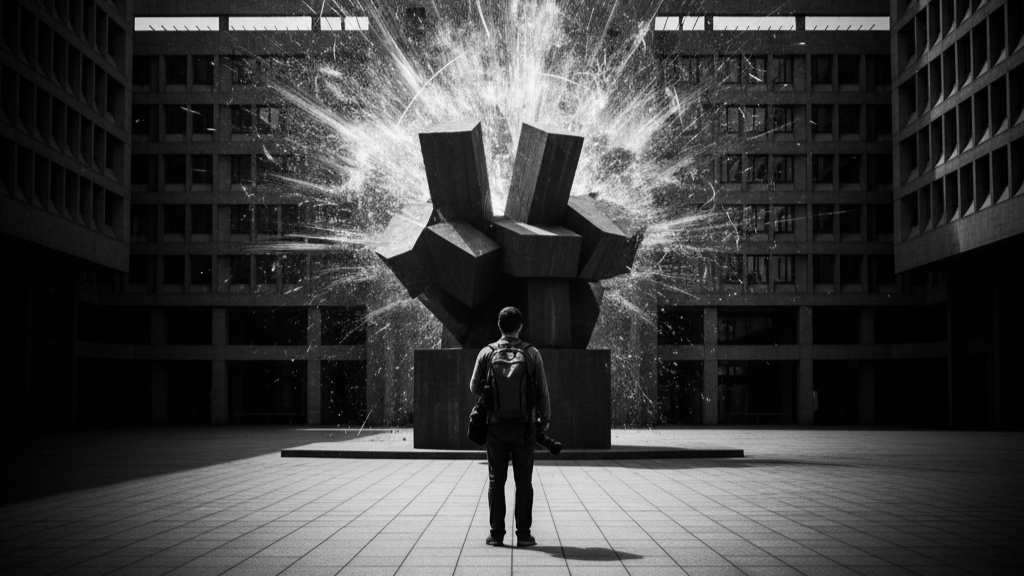
Balancing Act: Why Balance Matters More Than “Perfect Composition”
Most photographers talk about “composition,” but not enough talk about balance. And the funny thing is, balance is something you feel. You know when a photo feels right, even if you don’t know why. And you also know when something feels off… even if all the “rules” were followed.
Balance is that invisible force holding the frame together. When it’s there, the image feels stable, intentional, grounded. When it’s not, the viewer’s eye wanders with no place to land or worse, they lose interest entirely.
Balance is what quietly holds the image together. Let’s break this down simply.

What Is Balance in Photography?
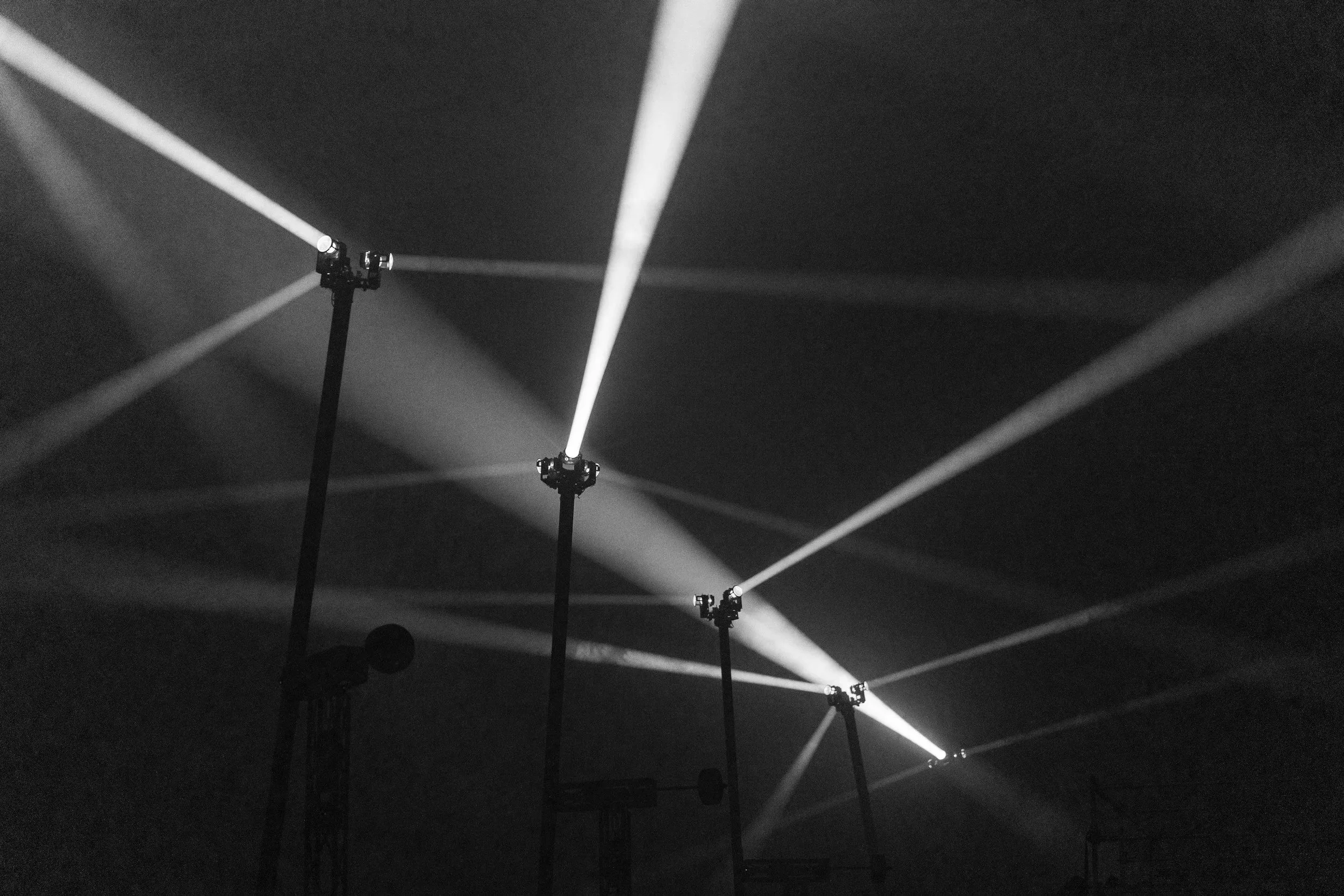
Balance is the relationship between the elements inside your frame. It is the way visual weight is distributed. Certain things naturally feel heavier. Think of deep shadows, high contrast, sharp textures, faces, text, bright hotspots, and bold geometry. Other elements feel lighter, such as soft gradients, open negative space, small shapes, distant objects, or anything with low contrast. The way you arrange these heavy and light elements determines whether your frame feels stable or like it is tipping over.
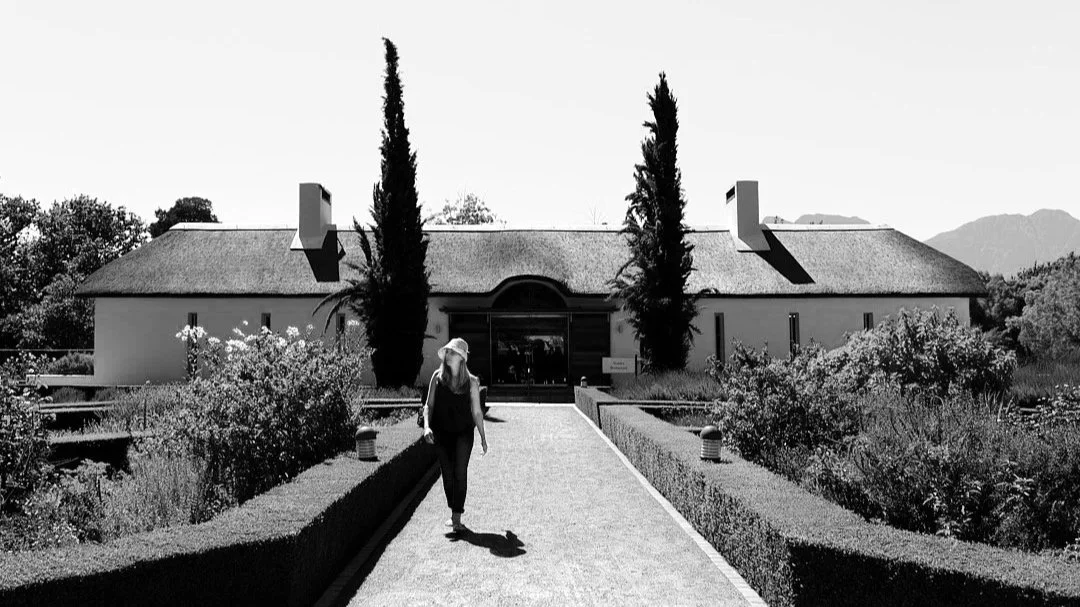
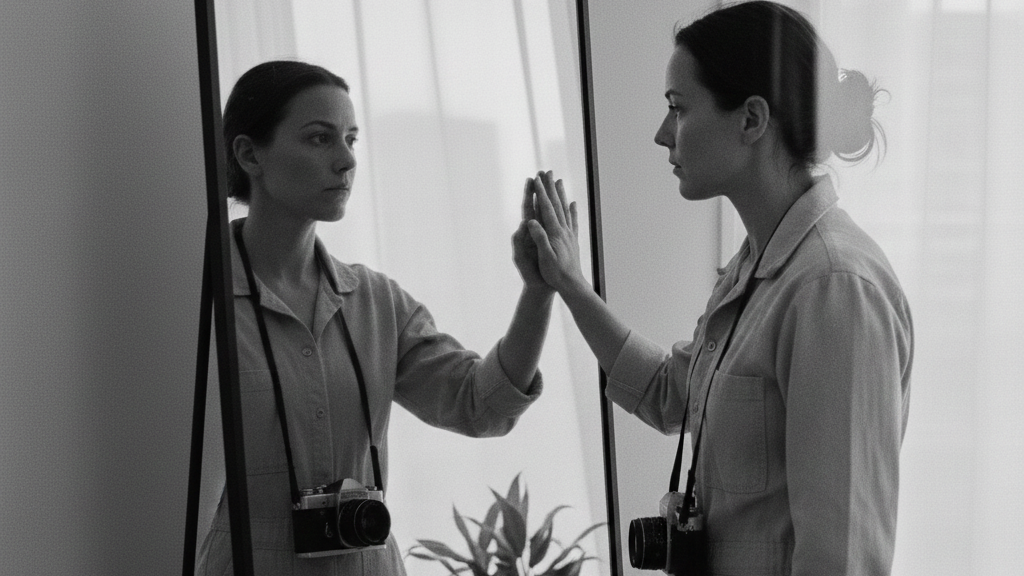
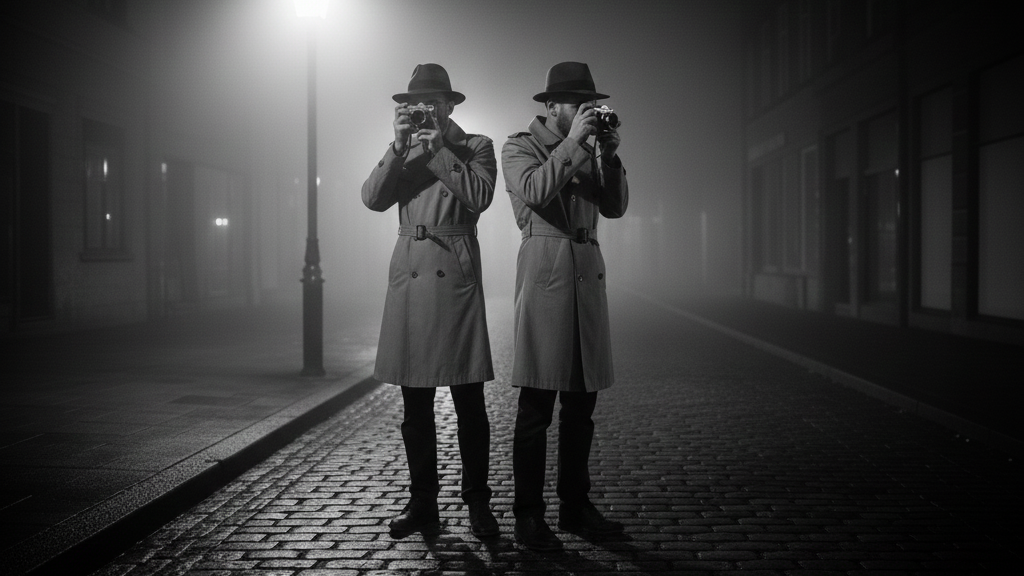
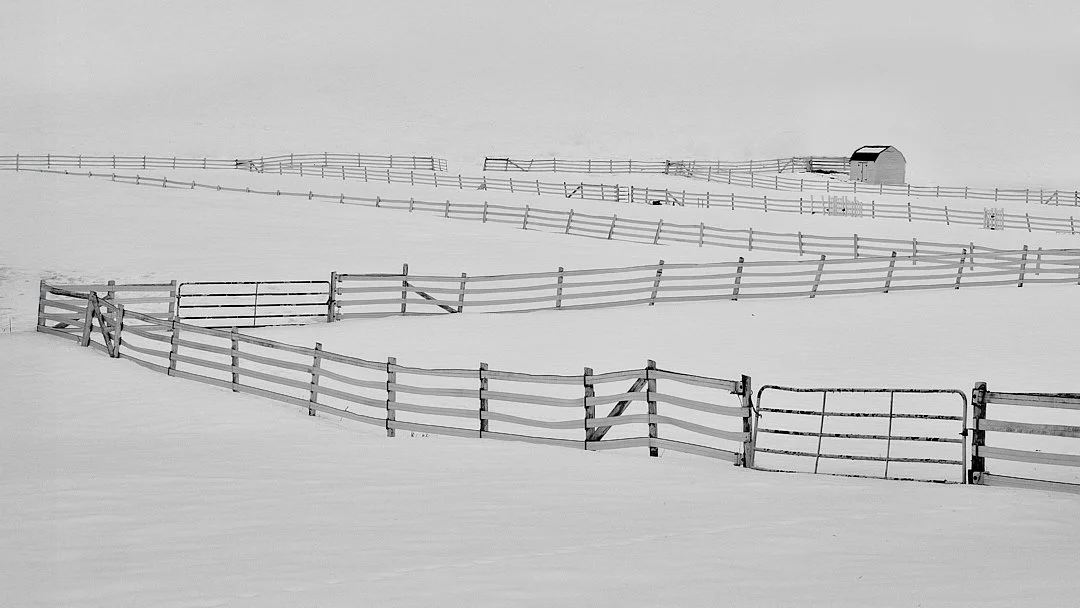
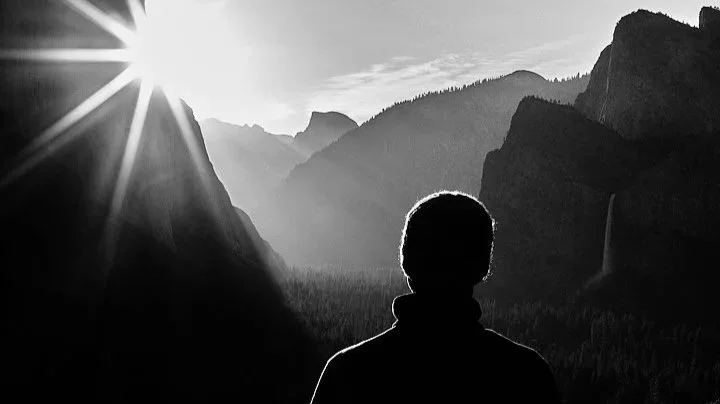
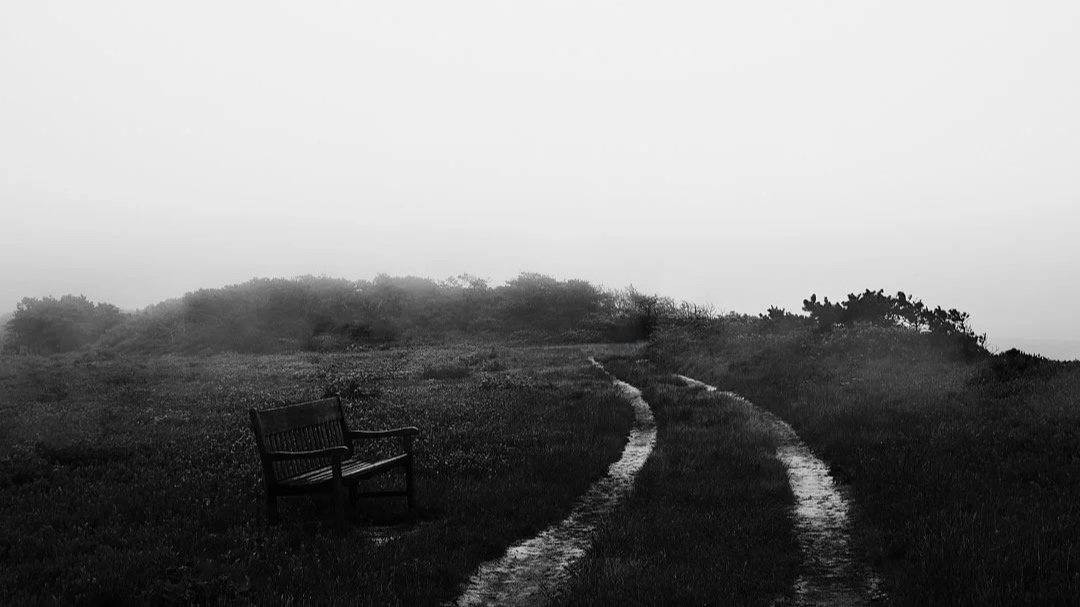
Balance is not the same as symmetry. A photograph can be perfectly balanced without placing anything in the center. A dark subject on the left can feel balanced by a bright patch of sky on the right. A heavy textured building can feel balanced by a wide open sidewalk. Balance is simply harmony among the parts of the frame.
Why Balance Matters
Photography is, at its core, the art of managing the viewer’s attention. A well balanced image gives the eye a path to follow. It tells the viewer where to look first, where to travel next, and where the visual journey ends. It feels intentional rather than accidental.
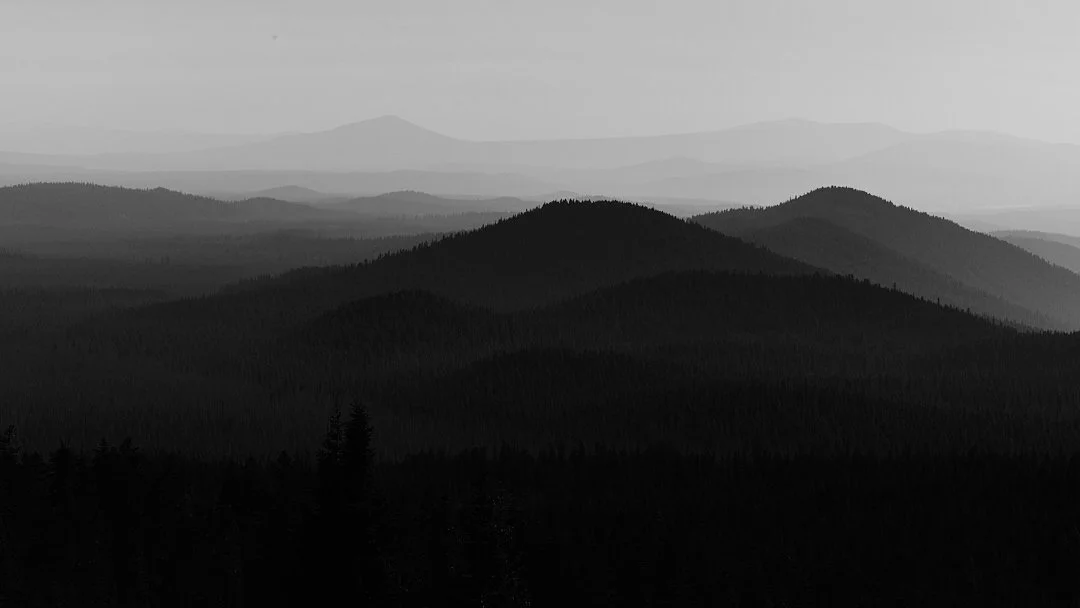
In monochrome photography, balance becomes even more important because you remove the safety net of color. With only tone, shape, contrast, and space to work with, any imbalance becomes more obvious. Too much darkness without relief feels heavy. Too much light without structure feels thin. A busy section can overwhelm an otherwise minimal frame. Balance is what keeps a simple photograph from feeling empty and a complex photograph from collapsing into clutter.
Balance is what holds a monochrome image together.
How To Use Balance In Monochrome Photography
When you shoot in monochrome, you are already thinking in terms of shape and tone, which makes balance easier to sense if you slow down and pay attention.
Start by squinting your eyes. Squinting removes detail and collapses the scene into blocks of light and dark. When you do this, you immediately see which areas of the frame are visually heavy and which areas feel empty or weightless. If the frame already feels lopsided in that reduced form, it will be even more noticeable in the final photograph.
Next, think of every element in the scene in terms of tonal weight rather than subject matter. Forget that you are photographing a person, a building, or a street. Instead, notice whether a shape is darker than its surroundings, whether a highlight is catching too much attention, or whether a textured wall is pulling the eye too strongly. Monochrome images rely on this kind of weight distribution, so train yourself to see tone before you see objects.
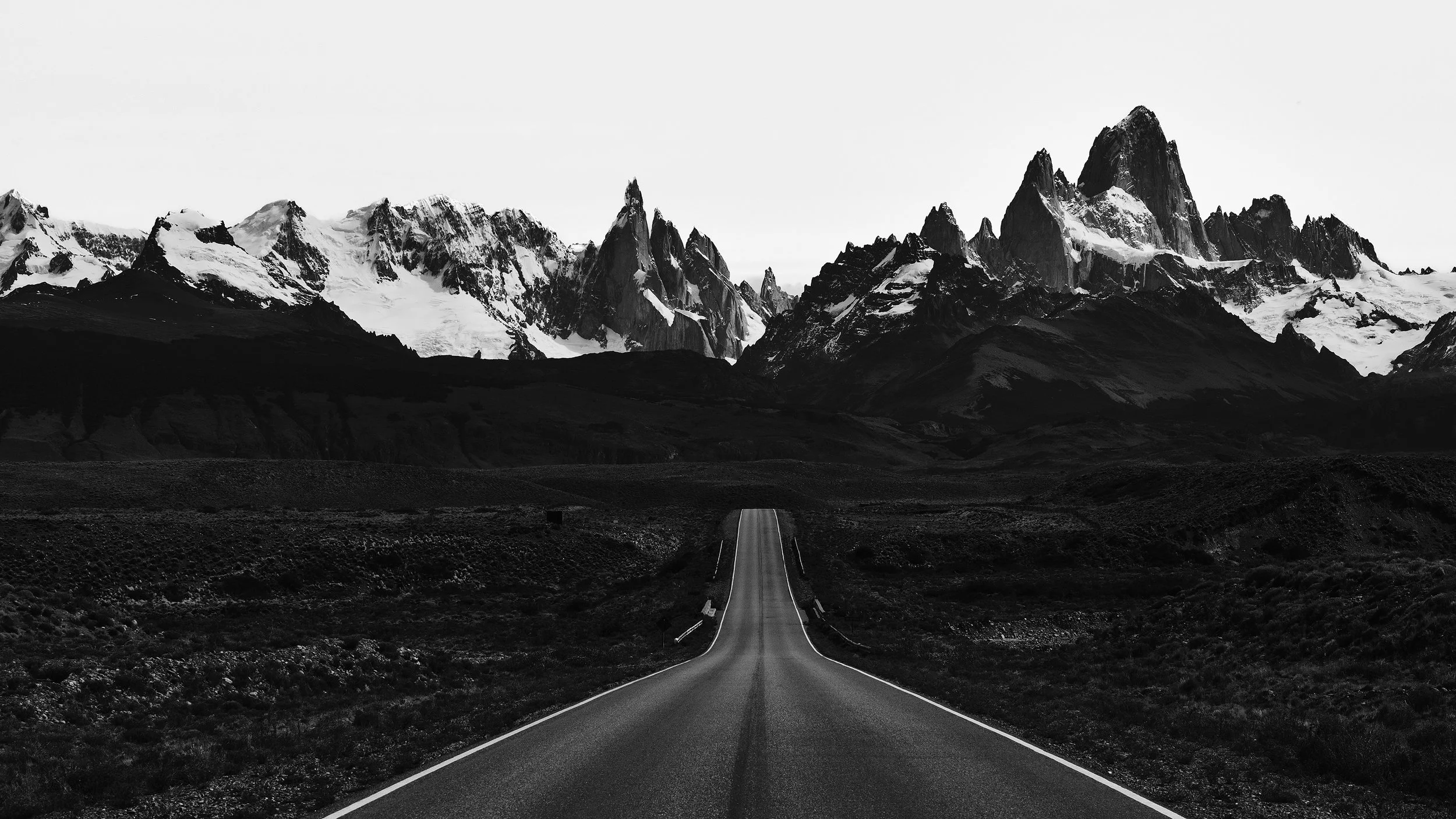
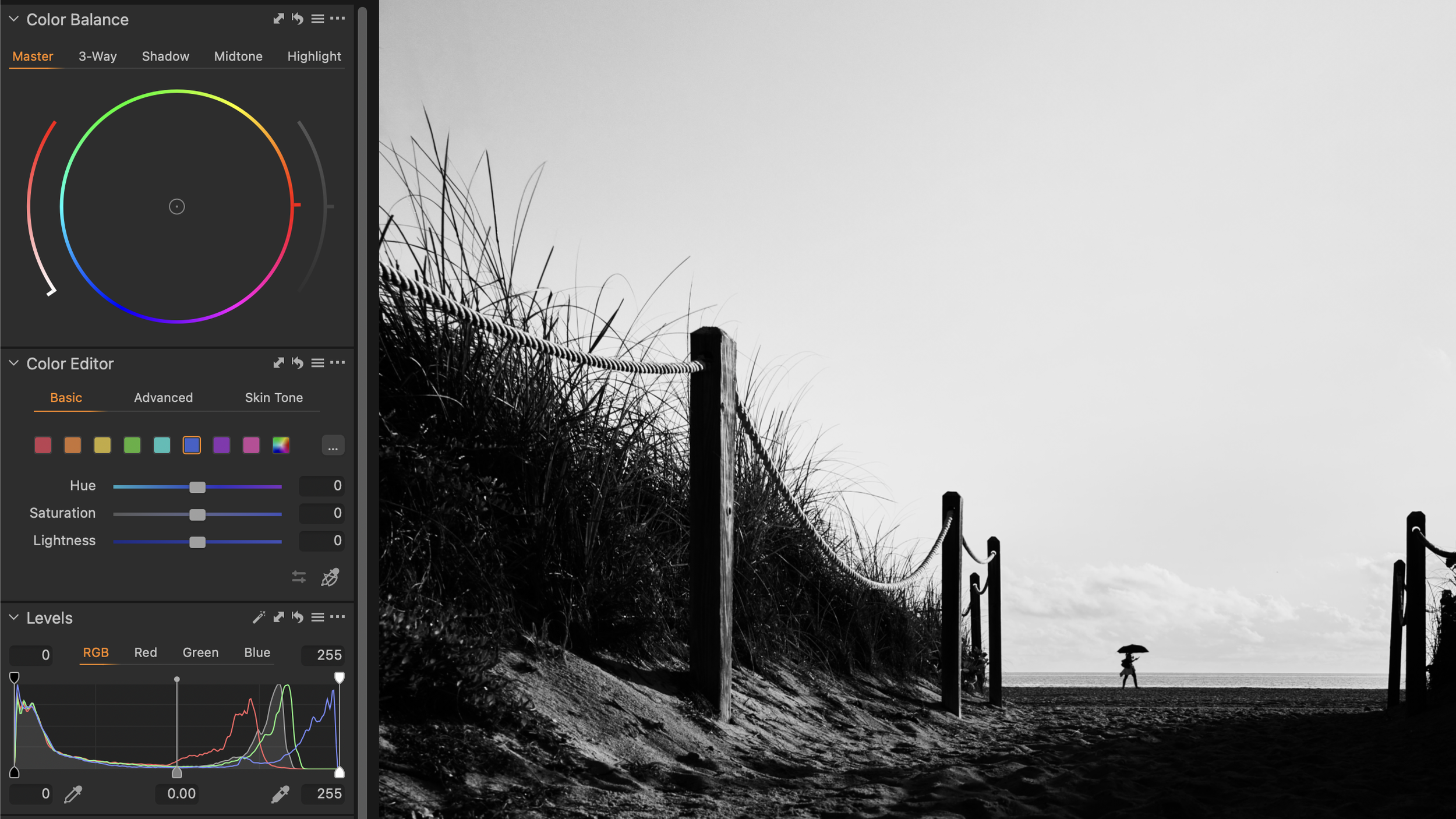
Use negative space as a counterweight. In black and white, open space is a powerful tool. A dense area of shadow can feel balanced if you place it against a clean area of mid tone or an open sky. Negative space is not empty. It is structure. It is the breath that prevents the rest of the image from feeling cramped.
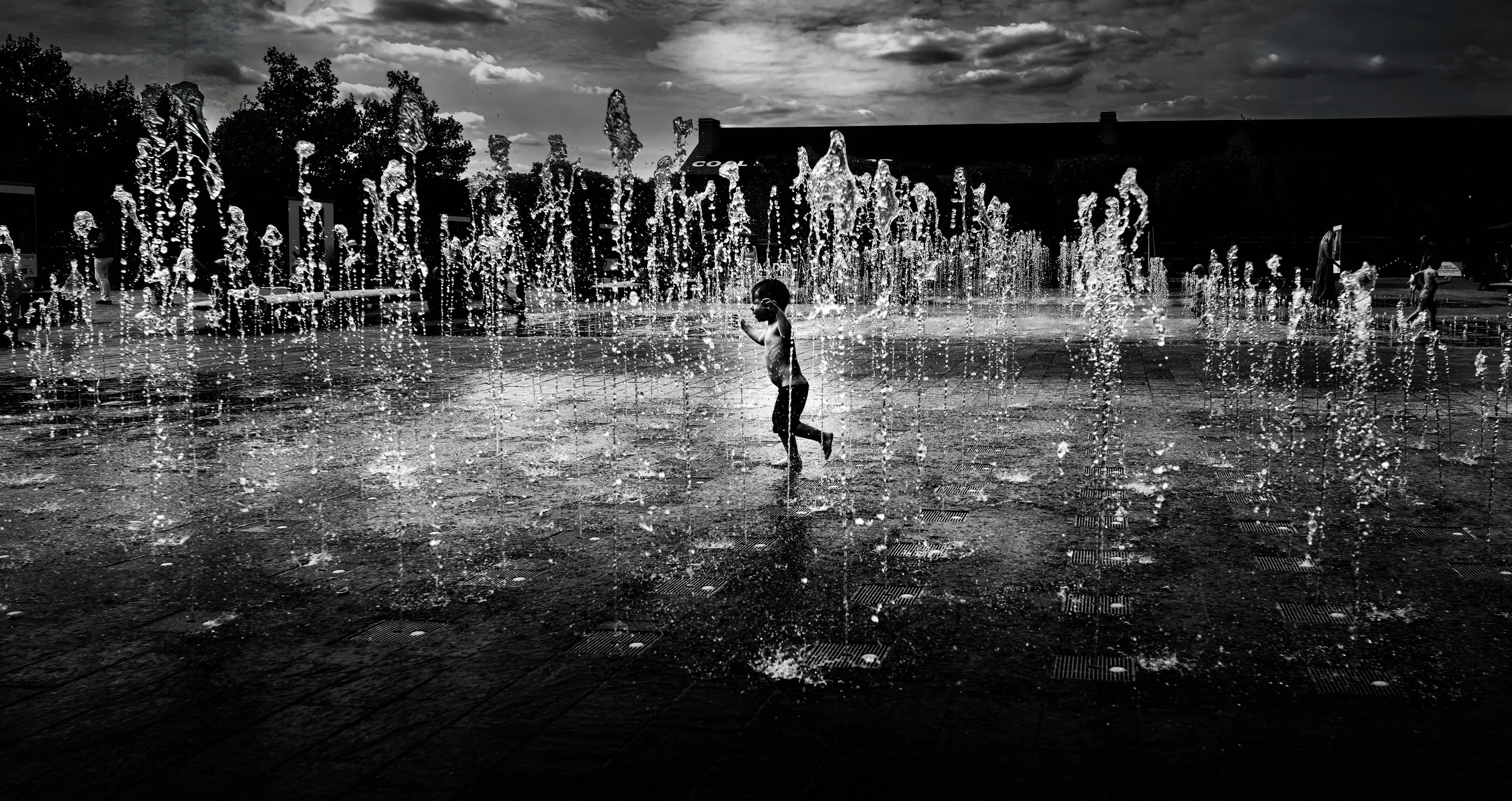
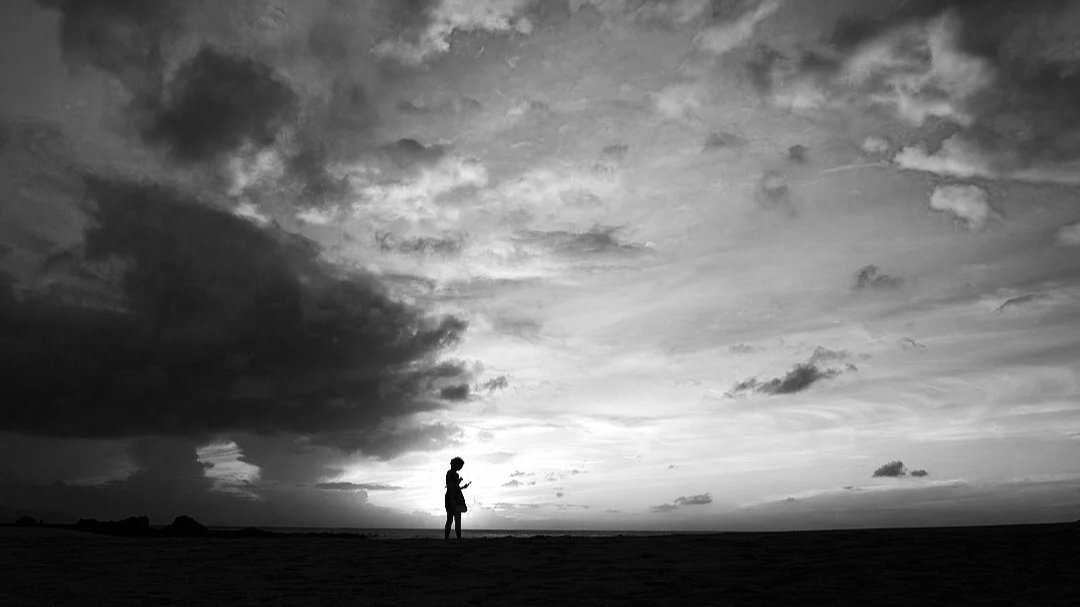
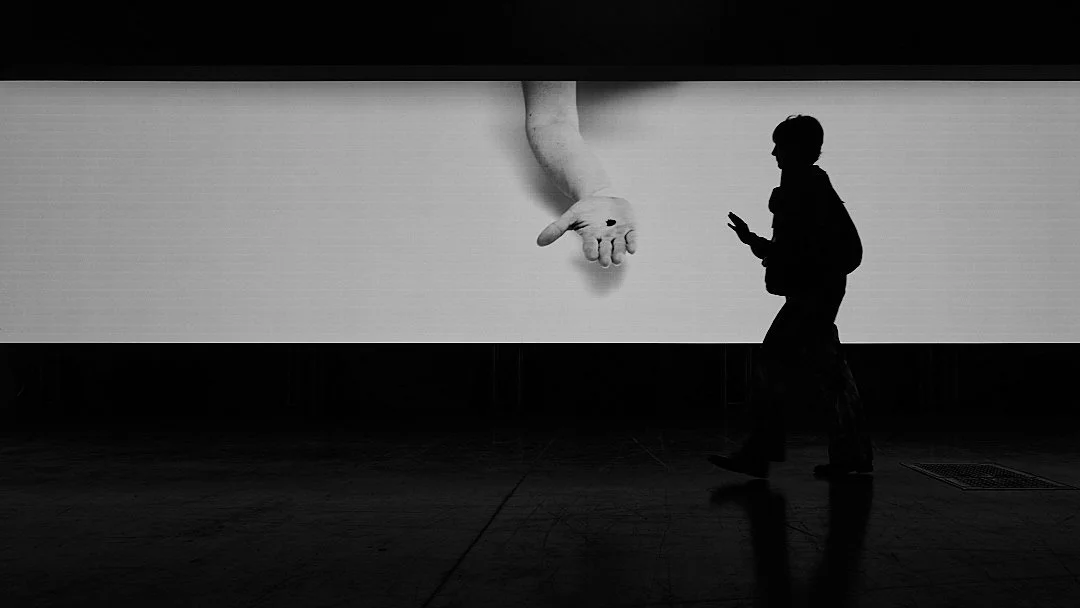
Remember that balance does not require symmetry. In fact, asymmetrical balance often feels more dynamic in monochrome. A small bright subject against a large dark background can feel perfectly stable if the relationship between the two tones creates the right visual tension. The key is to notice how each tonal area pushes or pulls against the others.
Finally, trust your instinct. Balance is something you feel more than you calculate. When you are composing a monochrome photograph, ask yourself whether anything feels like it is shouting too loudly, or pulling the eye too aggressively, or disrupting the flow of the frame. If something feels off, adjust your angle, shift your subject, or let more space in.
Balance is not perfection. It is intention. And in monochrome photography, that intention is what gives the image its power.