
Your Camera’s Light Meter is Wrong
If you’re still trusting your camera’s light meter to give you the "perfect" exposure for your black and white shots, you’re likely ending up with images that feel flat, grey, and frankly boring.
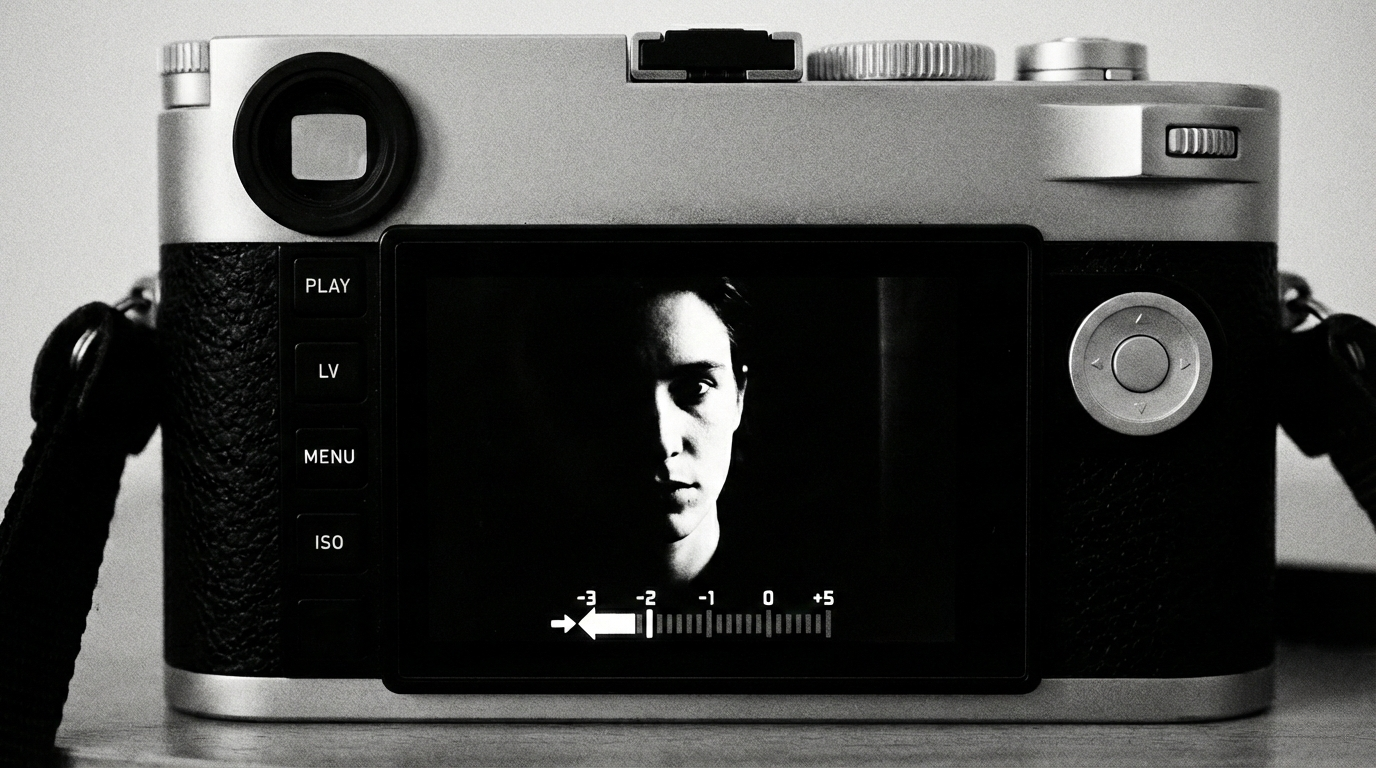
The problem isn’t your camera; it’s the math. Your light meter is programmed with one singular, boring goal: to turn the entire world into 18% Middle Grey. It wants to average out the deepest shadows and the brightest highlights until everything is "safe."
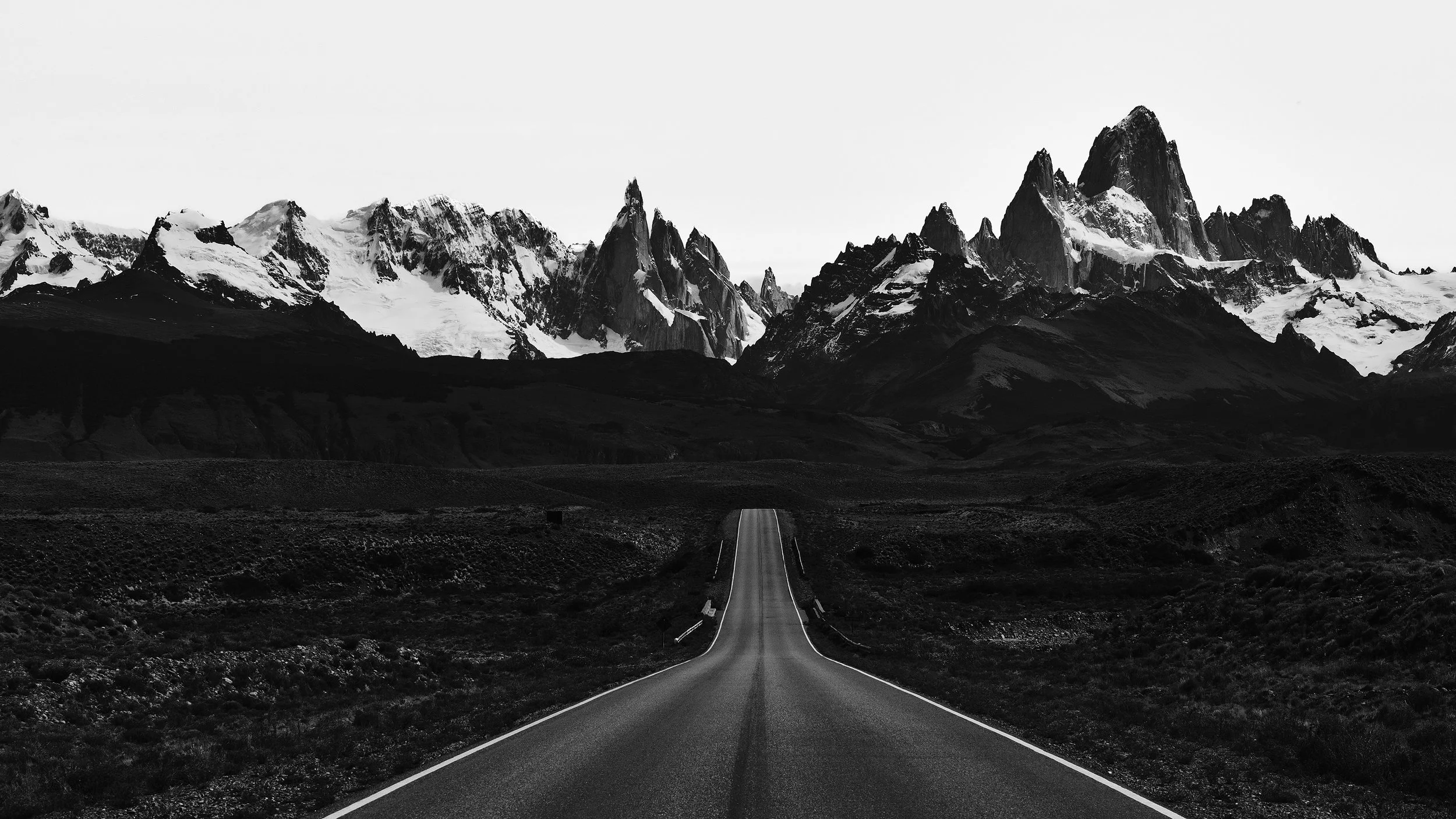
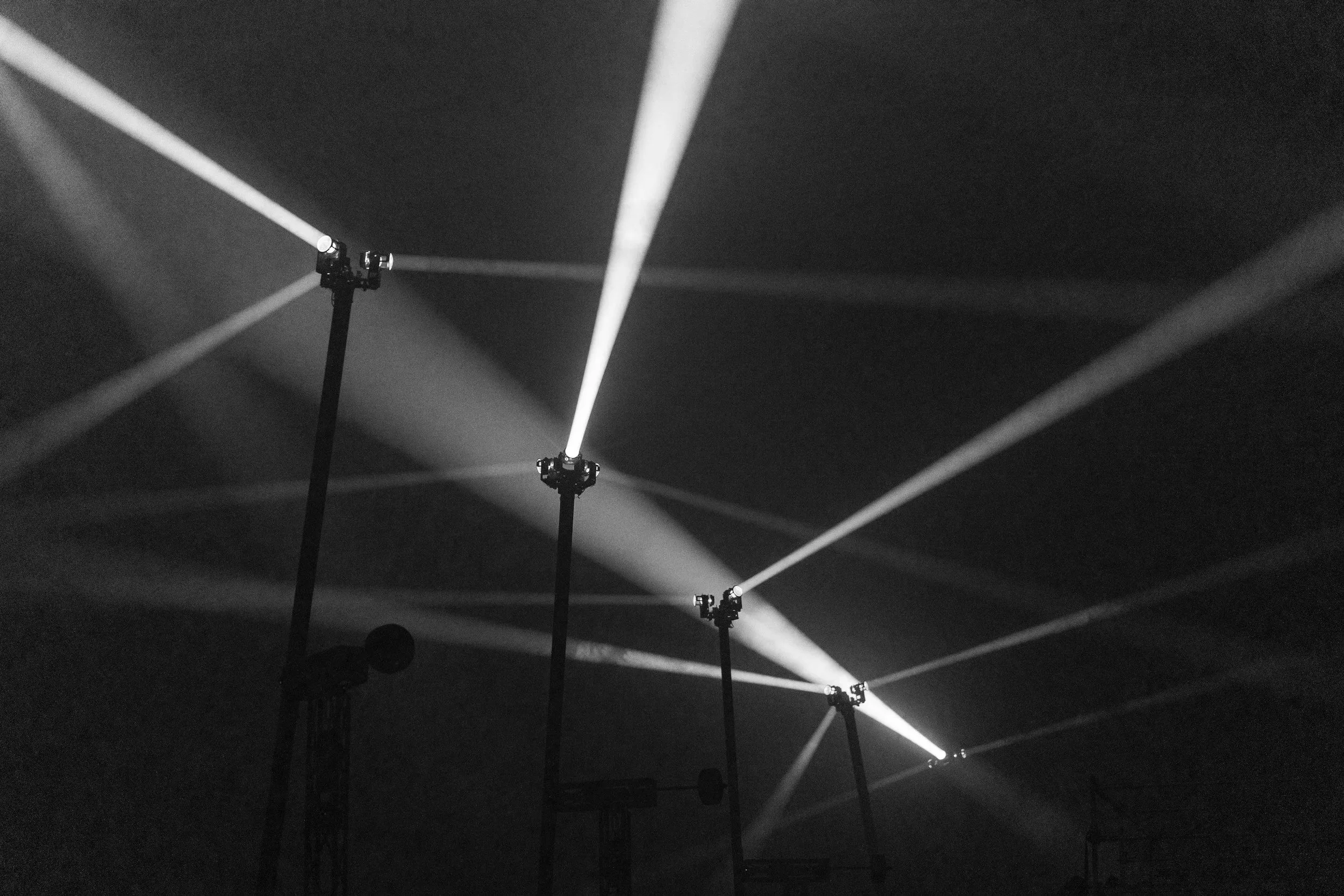
But in black and white, "safe" is the enemy of soul. The Mid Tone Trap When you shoot in color, middle-grey math works well enough because the colors provide the separation. But in monochrome, if everything is averaged to the middle, you lose the drama. You lose the punch. You lose the very thing that makes black and white powerful: the extremes.
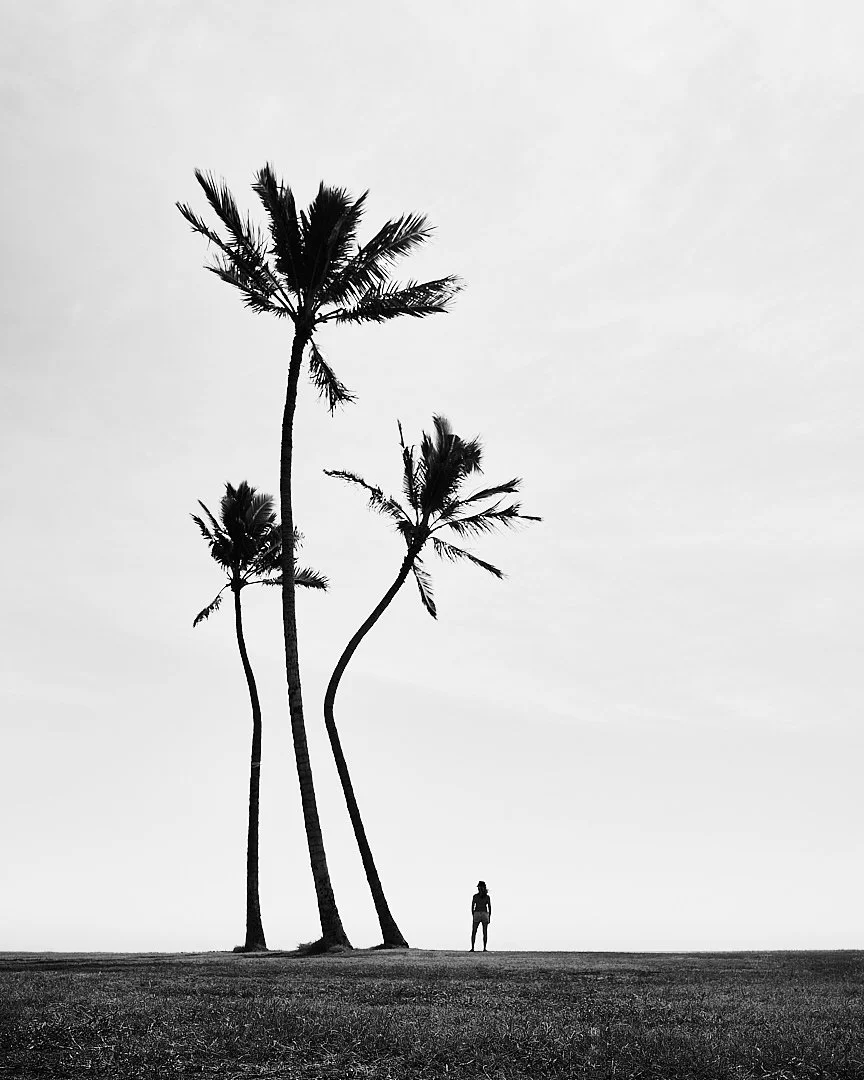
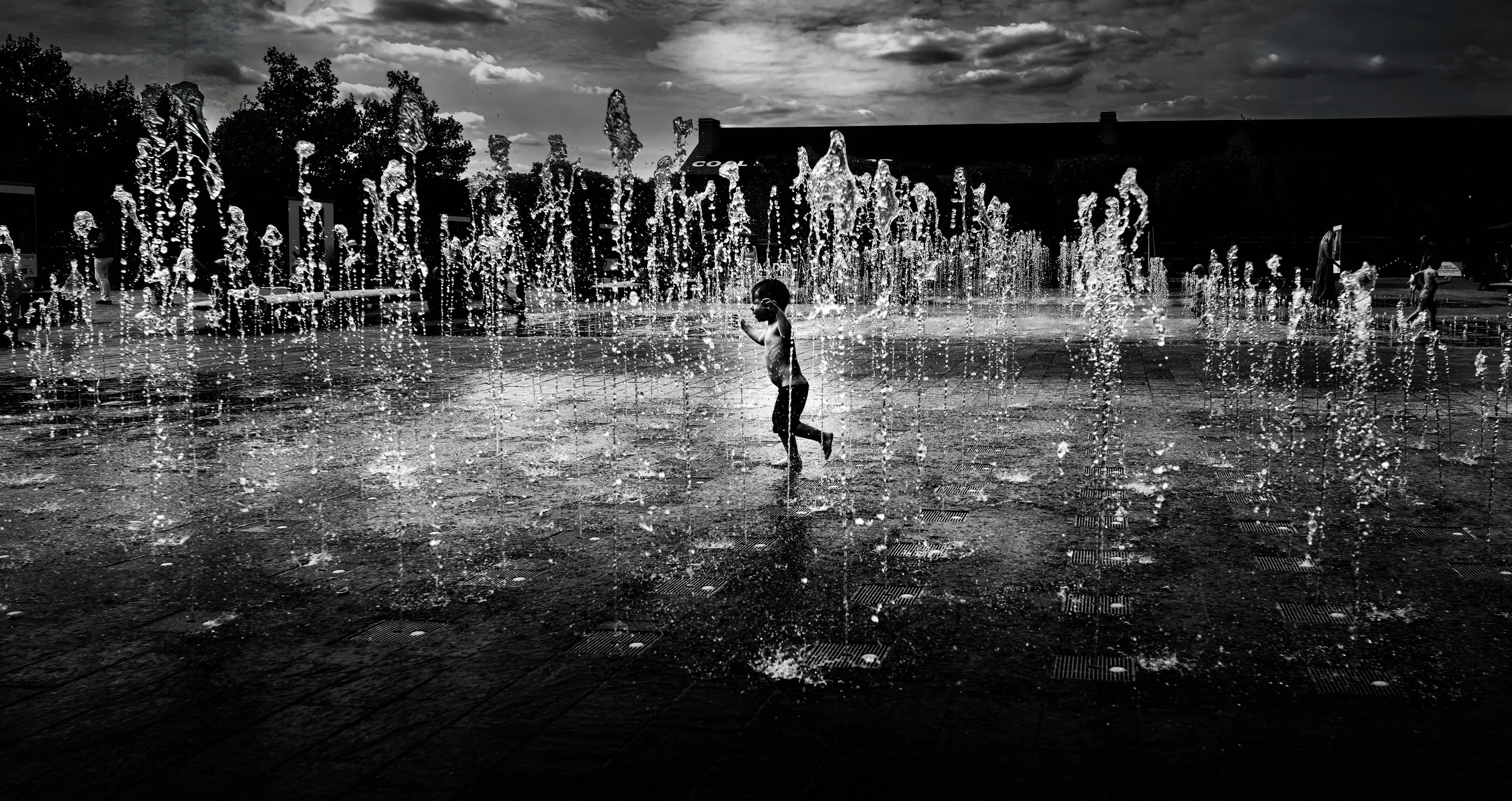
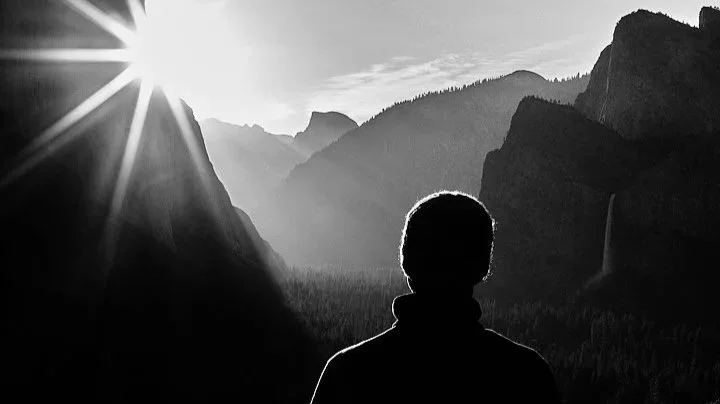
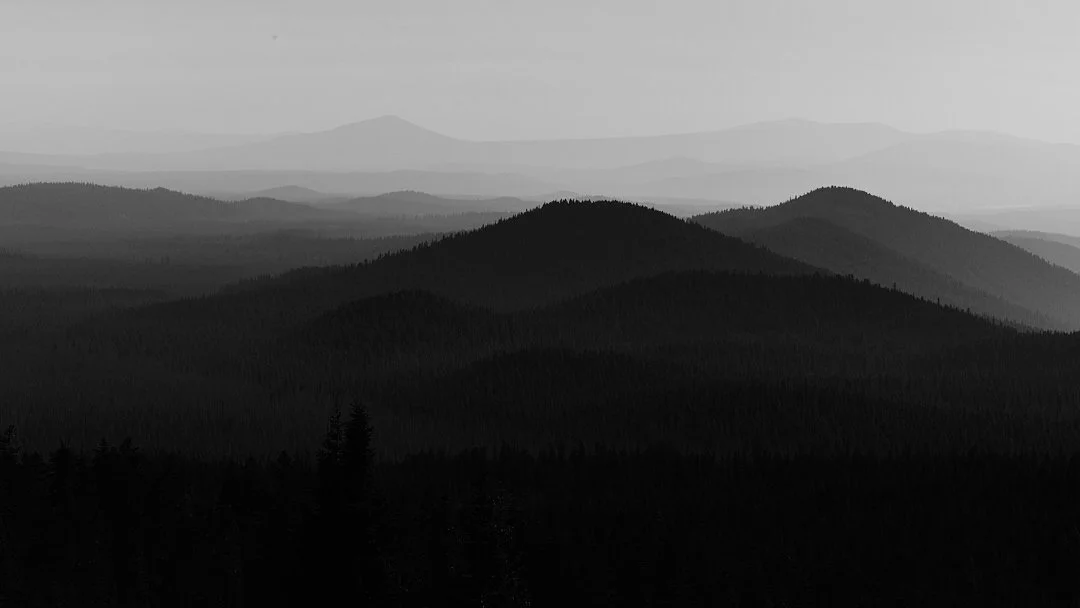
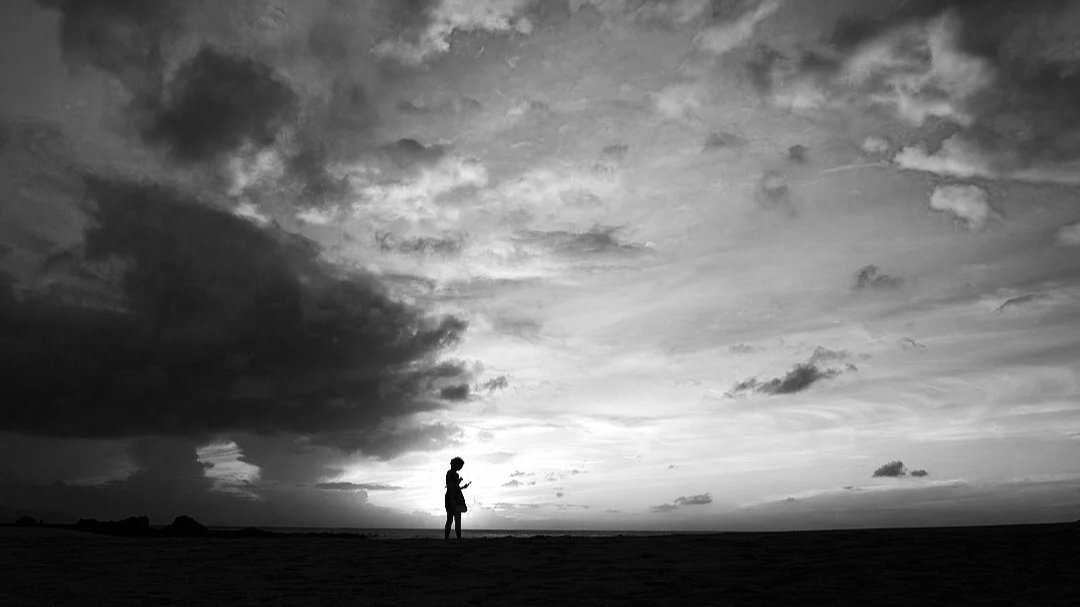
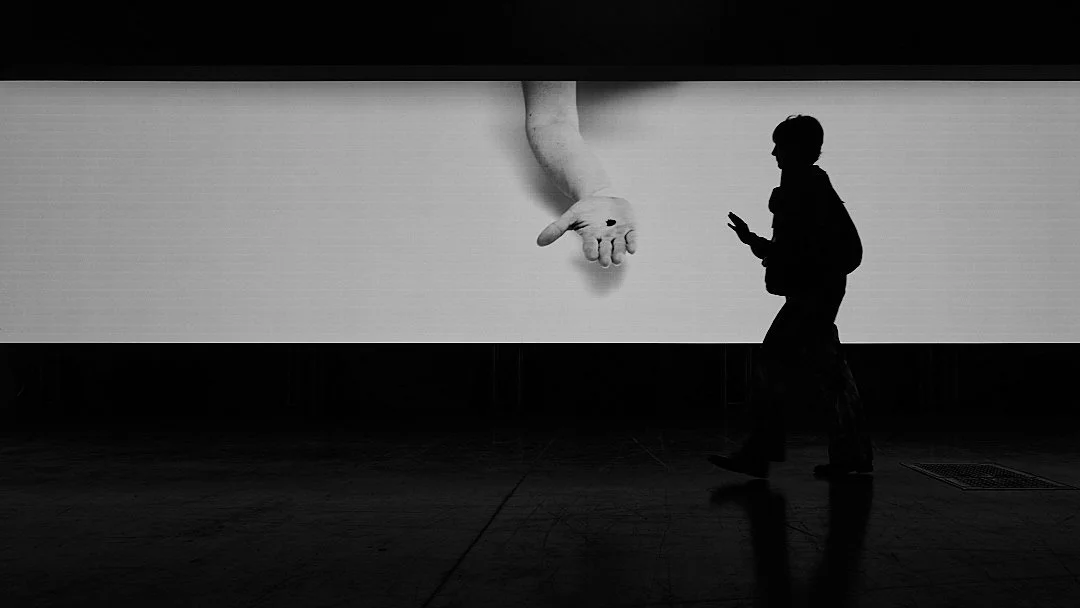
Your meter is "wrong" because it doesn’t know you want a silhouette. It doesn’t know you want the highlights to glow while the shadows fall into total darkness. It thinks you made a mistake, and it’s trying to "fix" it for you by making the blacks look like muddy charcoal.
Stop Averaging, Start Choosing
To get the shots that actually stop people in their tracks, you have to stop using "Evaluative" or "Matrix" metering as a crutch. You have to tell the camera what you care about, not what it thinks is balanced.
Here are two options to try.
Spot Metering: The Surgeon’s Tool
If you want that classic, high contrast look where a face emerges from a sea of black, Spot Metering is your best friend.
By metering off the brightest part of your subject’s face and letting everything else fall into shadow, you aren't just taking a photo; you’re carving with light. Spot metering allows you to tell the camera, "I don’t care about the background; I only care about the texture on this one specific surface." It’s the difference between a snapshot and a portrait that feels like a charcoal drawing.
Switch to Spot Metering and point it at the brightest part of your subject (like the side of a face or a rim lit shoulder). The meter will scream at you that the photo is "too dark," but that's the point. You’re exposing for the light and letting the shadows be shadows.
Center-Weighted: The Classic Soul
There’s a reason many film veterans never use anything else. Center-weighted metering prioritizes the middle of the frame but keeps an eye on the rest. It feels more "human" and less digital.
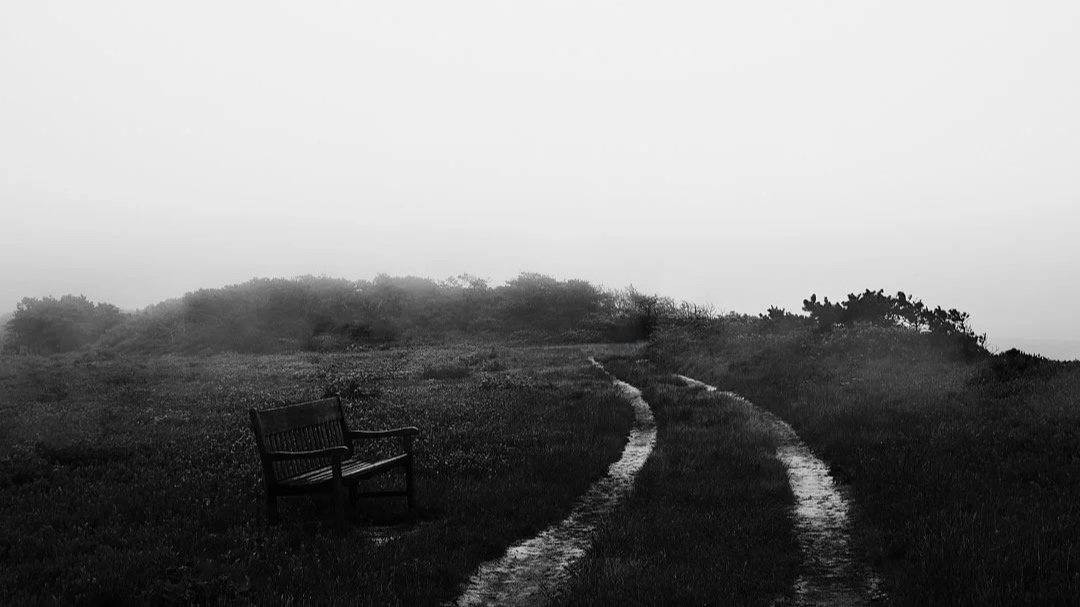
I find this mode perfect for street photography. It gives you that classic "Leica look" where the subject in the center is crisp and well-defined, but the environment around them still has enough detail to provide context. It’s balanced, yet intentional.
I almost always keep my exposure compensation dial at -1. Why? Because digital sensors are incredible at recovering shadow detail, but once a highlight is "blown" to white, it’s dead. Underexposing keeps the detail in your highlights and the drama in your blacks.
The Meter is a Tool, Not a Boss
The meter is a reference point, nothing more. If you want your work to feel like art instead of a technical exercise, you have to be willing to "break" the exposure.
Stop trying to make the bar sit in the middle. Start pushing it to the edges. Because the best black and white photos happen exactly where the camera’s light meter thinks you’re doing it all wrong.
IF YOU WOULD LIKE TO IMPROVE YOUR BLACK AND WHITE PHOTOGRAPHY TRY THE LESSONS BELOW.





A Beginners Guide