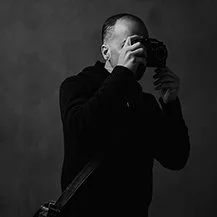
Photographer Spotlight: Robert Stacy
For Robert Stacy, the camera is not just a tool. It is a statement.
Some photographers are drawn to beauty. Robert Stacy is drawn to truth. A documentary and street photographer based in the humanist tradition, Robert has spent his career making images that challenge the status quo and insist on the dignity of the people in front of his lens. His influences read like a who's who of socially committed photography. Capa, Nachtwey, Mary Ellen Mark, Eugene Richards, Lynsey Addario.
His subjects are the ones that matter most and are under the most pressure right now. Women's rights, reproductive freedom, civil rights, homelessness, climate change. His current project takes him to Mongolia, where he is documenting how outside investment and cheap technology are threatening the country's indigenous nomadic way of life. We asked him about his process, his influences, and what keeps him going out the door every morning with a camera.
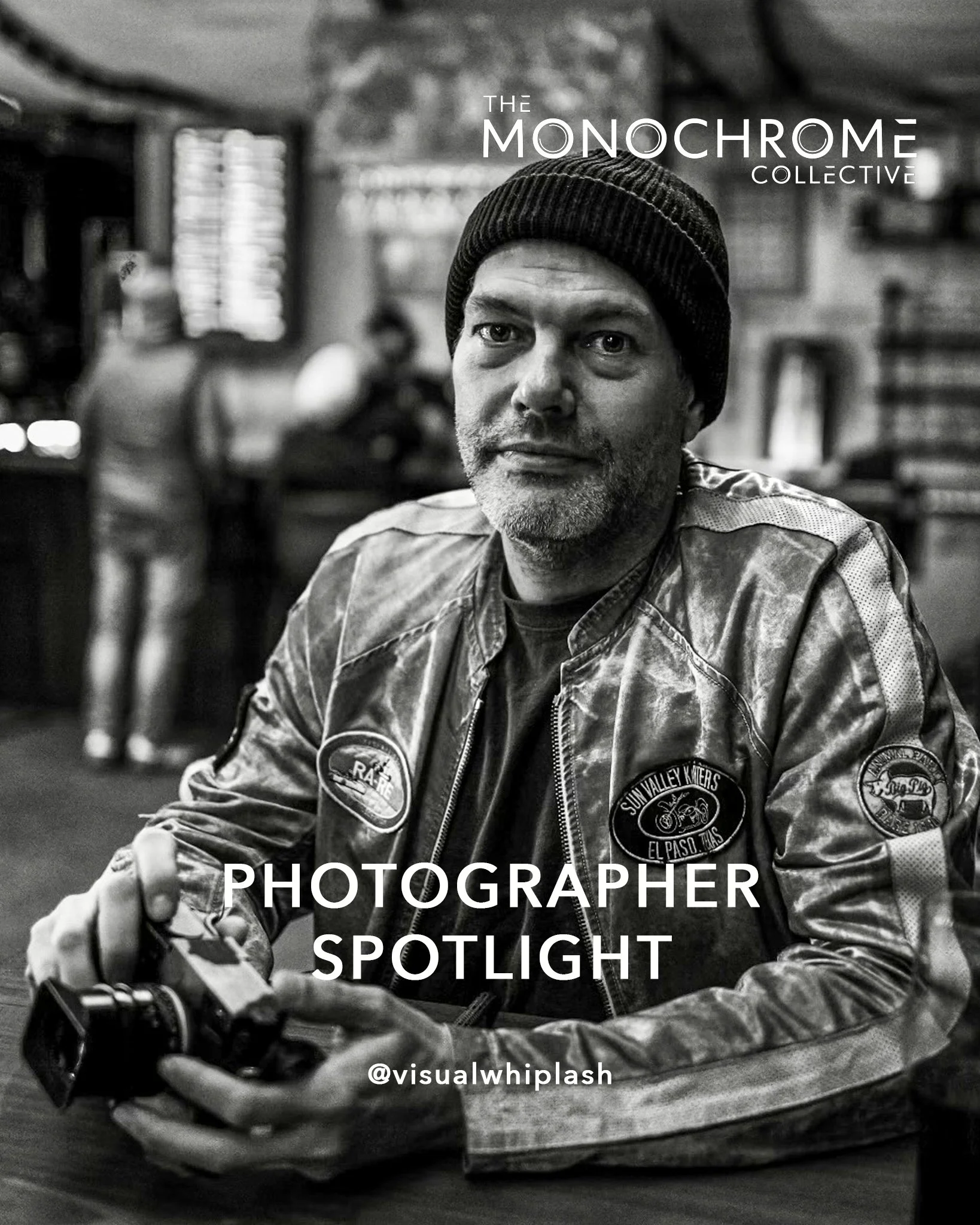
Today we are spotlighting Tokyo based photographer Robert Stacy.
Here is our interview:
Artistic Style
What draws you to photography?
I’ve wanted to use photography as an agent of social change. As a young child, around 9 or 10, I started poking around in libraries and looking a photo books of Robert Capa’s work, watching documentaries about Vietnam, and images from Eddie Adams, Nick Utt, Kent State, Marc Riboud, Leonard Freed. This, along with WWII stories from my Grandmother embedded within me a deep desire to use the camera as way to challenge the status quo and norms. I also want to use the camera to tell regular, everyday stories, share the lives of others, their experiences, and allow people to see themselves in others, or discover things about the world they didn’t know. So my work is a mix of documentary and street. The things I care about, women’s rights, women’s education, reproductive freedom, civil rights, racial equality, climate change, homelessness are under siege by algorithmic forces, and a number of governments, which is why photography of this kind matters to me more than ever.
How would you describe your style in three words?
Humanist, intimate, candid
What subjects or scenes are you most drawn to?
If you are a documentary photographer, there is no end of things that you could be focused upon at this moment. There is so much wrong with the world. I obviously struggle with how will I make a difference, being just one person. But I am currently working on a project about Mongolia: the focus is a visual exploration of how outside investment from mining, tourism, and the proliferation of cheap, accessible technology is changing the indigenous, nomadic practices of the country. Will they be able to be maintained, preserved, lost? Or only done in a performative context, with tourists staying in a yurt, putting on fur hats and riding a horse for an hour?
Is there a story behind your favorite photo?
It’s difficult to have a favorite photo, as each photo is a sliver of time, a moment, never to be recreated or experienced in the same way again. And even if there were one you could name, it would change over time. But that gets at something fundamental which is that photos appreciate or depreciate over time. I never fail to see an exhibition of work from an earlier period because while I am often interested in the photographer and their work, I am also simply interested in the time they photographed as well. What clothes did people wear, what technology did they use what kinds of cars did they drive, records, cassettes, 8 track?
What emotions do you try to capture in your work?
I simply want to capture people with dignity and honestly as I can. I want you to see the people I capture as people.
Creative Process
What gear do you shoot with?
For the most part, I shoot with manual focus rangefinders. I mostly use wider lenses: 24mm and 35mm
How much do you plan vs. shoot spontaneously?
I would have to say almost everything I do is spontaneous.
What’s one editing tool or trick that you use?
My other weakness is post processing tools – but I generally use lightroom to solve most of my problems.
Film or digital — and why?
I am generally a digital person because it is quicker and cheaper vs. film, though I love to shoot Provia 100 from time to time.
What’s something you’re currently working on improving?
Looking behind me. I always find that when I walk back opposite the way I just came that I always find something totally new that I didn’t see the first time.
Inspiration
Who or what inspires your photography?
I know other people have said something similar, but having a camera is a passport into other people’s lives, subcultures, experiences. I am inspired by the fact that tomorrow is a new day and there are going to be new people to meet, new conversations, and eventually new images. But the best part is that I really don’t have any idea what is going to happen, so each day is a surprise. That is enough to get me out of bed and onto the street for hours at a time, to the distraction of all else.
Any photographers or artists that influenced your style?
So many, but I would like to highlight a few, besides the ones I mentioned earlier: James Nachtwey, Mary Ellen Mark, Jill Freedman, Sebastio Salgado, Eugene Richards, Robert Frank, Werner Bischoff, Lynsey Addario
What’s one non photography source that fuels your creativity?
Travel and talking to people about their lives. It is a really good way to make you realize that everyone has a story to tell and that when you are photographing them you want to tell that story with dignity and responsibility.
If you would like to see more of Roberts work you can find him on foto @visualwhiplash or on his website robstacyphoto.com