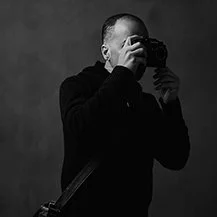
Learning to See: Part 2
Chasing the Light.
Alex went out again the following Saturday.
The camera display was set to black and white now, the way it had been left after Saturday night's tea had gone cold and the decision had been made to see things differently before pressing the shutter rather than after. The walk started the same way as the week before. Same street. Same direction. Different eyes.
This is part two. Chasing the light.
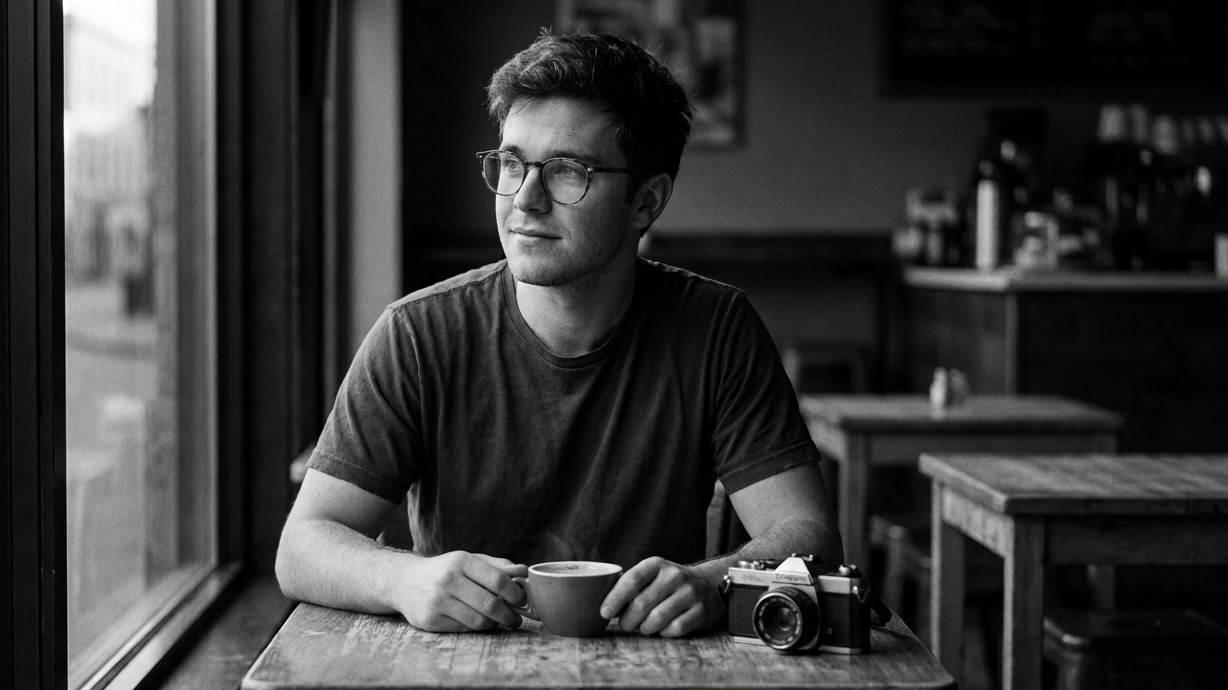
It happened almost immediately. A wall that had been just a wall the previous weekend now had something on it. The morning sun was hitting it at a low angle and the texture of the brick was suddenly doing something, ridges and shadows running across the surface in a way that hadn't registered before. Alex stopped. Raised the camera. The display showed exactly what the eye was seeing now, gray tones instead of color, and the wall looked like something.
He clicked the shutter.
Twenty minutes later it happened again with a chain-link fence throwing a grid of shadow across an empty parking lot. Then with the underside of a railway bridge where a shaft of light was cutting through the gloom at an angle that felt almost staged. Then with a puddle catching a streak of brightness from somewhere overhead.
Alex was seeing light now. Really seeing it. The thing from the week before, light as something separate from subject, light as the thing doing the work rather than just the thing that happened to be present, had clicked somewhere over the course of seven days without any single dramatic moment marking the change. It had just started happening.
There was only one problem, and it took most of the morning to notice it.
The wall was just a wall. The fence was just a fence. The puddle had nothing reflected in it worth seeing. Each frame had wonderful light and nothing else. Alex had gotten so locked onto finding the light that the light had become the entire point, and somewhere in that focus the question of what the light was supposed to be revealing had quietly disappeared.
This is a real stage and almost every photographer who has taken light seriously for the first time goes through some version of it. Once you can finally see light as a thing in itself, it becomes intoxicating. You start hunting for it the way you'd hunt for a person or a moment, and for a while that hunt feels like enough. The frames you bring home look more considered than the ones from the first outing. They are not flat the way last week's frames were flat. They have shape and contrast and a kind of seriousness. But hold them up next to each other and a different problem appears. Beautiful light falling on nothing in particular.
Alex didn't know this yet, not in those words, but felt something was off without being able to name it, and kept walking.
And then, near eleven o'clock, it arrived. The kind of moment a photographer waits weeks for without knowing they're waiting.
A man was sitting at a bus stop, alone, the morning light cutting across him at the same low angle that had been catching the brick walls and chain-link fences all morning, except now it was falling across an actual face. He had his hands folded and his head turned slightly away, looking down the empty street like he was waiting for something that might not come. The shadow from the bus shelter roof cut a hard diagonal line across his shoulder. Half his face was lit. Half was in shadow. It was, without any exaggeration, exactly the kind of frame that had been described in every photograph Alex had spent thirty minutes studying the week before. Light doing something to a subject. Not light alone. Not subject alone. Both, together, for as long as it would last.
Alex stopped walking. Raised the camera partway.
And froze.
It wasn't fear exactly. It was something closer to disbelief, the sense that this couldn't actually be the moment everyone talks about, not on a Tuesday morning at an ordinary bus stop two blocks from home. There was a half second of checking, recomposing, second-guessing the angle, wondering whether to get closer, wondering whether the man would notice and feel watched, wondering whether the light would hold for another thirty seconds while all of this got sorted out.
It didn't hold. A bus pulled up. The man stood, shifted into the shadow of the shelter, and got on. The door closed. The street was empty again, the light still beautiful, but with nothing left in it.
Alex stood there for a long moment, camera still raised, photographing nothing.
The walk home was quieter than the walk out had been. There was no folder of disappointing frames to sit with this time, no tea going cold over a hundred mediocre images. There was just one moment, clearly seen, clearly understood, completely missed. In some ways that was worse. The first outing had been a failure of seeing. This one was a failure of nerve, and that felt like a different kind of problem to carry home.
That evening Alex did something different from the week before. Instead of going back through frames looking for the one that worked, there weren't really any to sort through this time, Alex sat with the memory of the bus stop and tried to understand exactly where the hesitation had come from. It hadn't been indecision about the camera settings. The exposure would have been fine. It hadn't been a technical problem at all. It had been the simple shock of recognizing a real moment in real time and not trusting that recognition enough to act on it immediately.
Alex made a decision that was less about gear or light and more about behavior. Before going out again, instead of wandering and reacting to whatever appeared, Alex would pick one specific kind of frame to actively hunt for. Not light in general. Something more specific. A person in a doorway. A figure crossing a shaft of light. One precise thing to be ready for, so that when it showed up there would be no half second of disbelief standing between seeing it and capturing it.
The light had finally become visible. Now it was time to be ready when it found someone worth photographing.
Next week, Alex goes out with exactly that in mind.