Can kodak Make a Comeback?
For most of the 20th century, Kodak didn’t just sell film it sold memory. Its yellow boxes were shorthand for joy, travel, family, and time itself. Then came the digital tide, and Kodak, once the most recognizable name in photography, found itself adrift in a world it helped invent.
For a long while, the story seemed over. Film production slowed, then halted for several stocks. The factories in Rochester once buzzing with emulsion and chemistry grew quiet. The idea of Kodak as a creative force felt like a relic, a nostalgia brand rather than a living one.
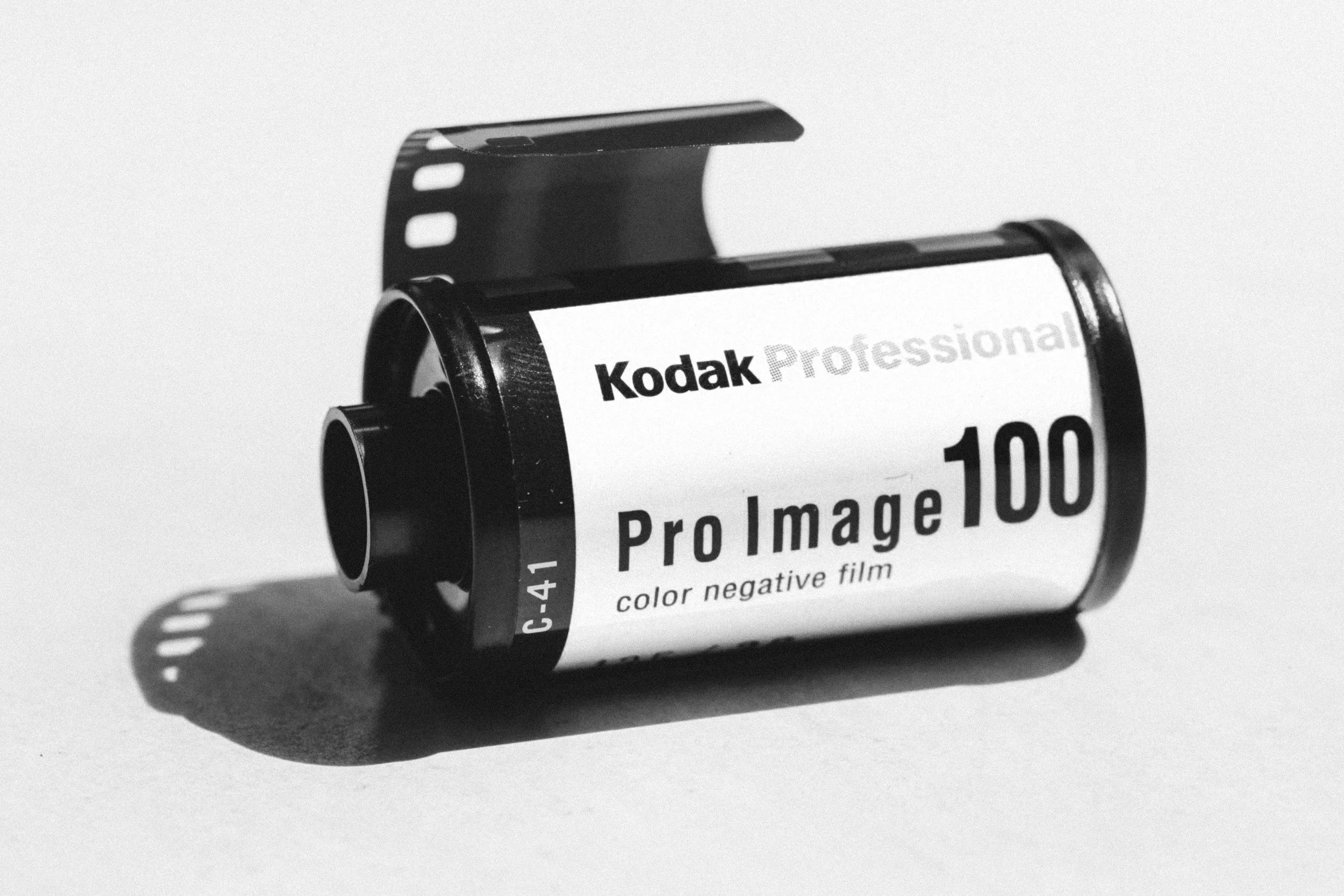
But in recent years, something unexpected has happened: Kodak is making film again. After years of dormancy, production lines that had gone dark are back online. Color stocks like Gold and Ektachrome have returned to shelves, and the company has even revived motion picture emulsions for filmmakers who never stopped believing in the tactile beauty of celluloid. In an age when everything is instant, the slow ritual of loading a roll and waiting for results has found a new generation of believers not just hobbyists, but artists who see film as a deliberate act of seeing.
This analog revival isn’t just about nostalgia; it’s about trust. Photographers trust Kodak film because it has a look that no filter can reproduce the warmth of Portra, the crisp blue gold balance of Ektachrome, the imperfection that feels human. The resurgence has been strong enough that Kodak has had to rehire workers, restart coating lines, and reinvest in production. There’s a quiet satisfaction in that: chemistry and craft returning to life in a digital age.
Still, Kodak’s comeback isn’t built on film alone. The company is also pivoting in a very different direction applying its century of chemical expertise to new frontiers, from advanced materials to pharmaceuticals. The same precision that once coated film layers now helps manufacture components for batteries and medical applications. It’s a strange evolution, but also a logical one: Kodak’s genius was never just in capturing images, but in mastering the science behind them.
Financially, the company’s footing remains fragile. It’s a balancing act nostalgia on one side, reinvention on the other. But what’s compelling about Kodak’s story now isn’t certainty; it’s persistence. The company that once defined the “decisive moment” is learning how to live beyond it, how to endure.
Maybe Kodak’s comeback isn’t about reclaiming dominance, but about rediscovering purpose. In reviving its film, it’s also reviving something harder to measure a sense of continuity between past and present, between chemistry and art, between memory and making.
And in a world that scrolls endlessly, perhaps that’s the most remarkable kind of comeback there is.