Photography Rules: tools for seeing? or cages for creativity?
We talk about the “rules” of photography as if they were born with the camera. The rule of thirds, leading lines, balance these ideas get passed around like sacred truths. But the truth is, most of them didn’t come from photography at all. They were borrowed.
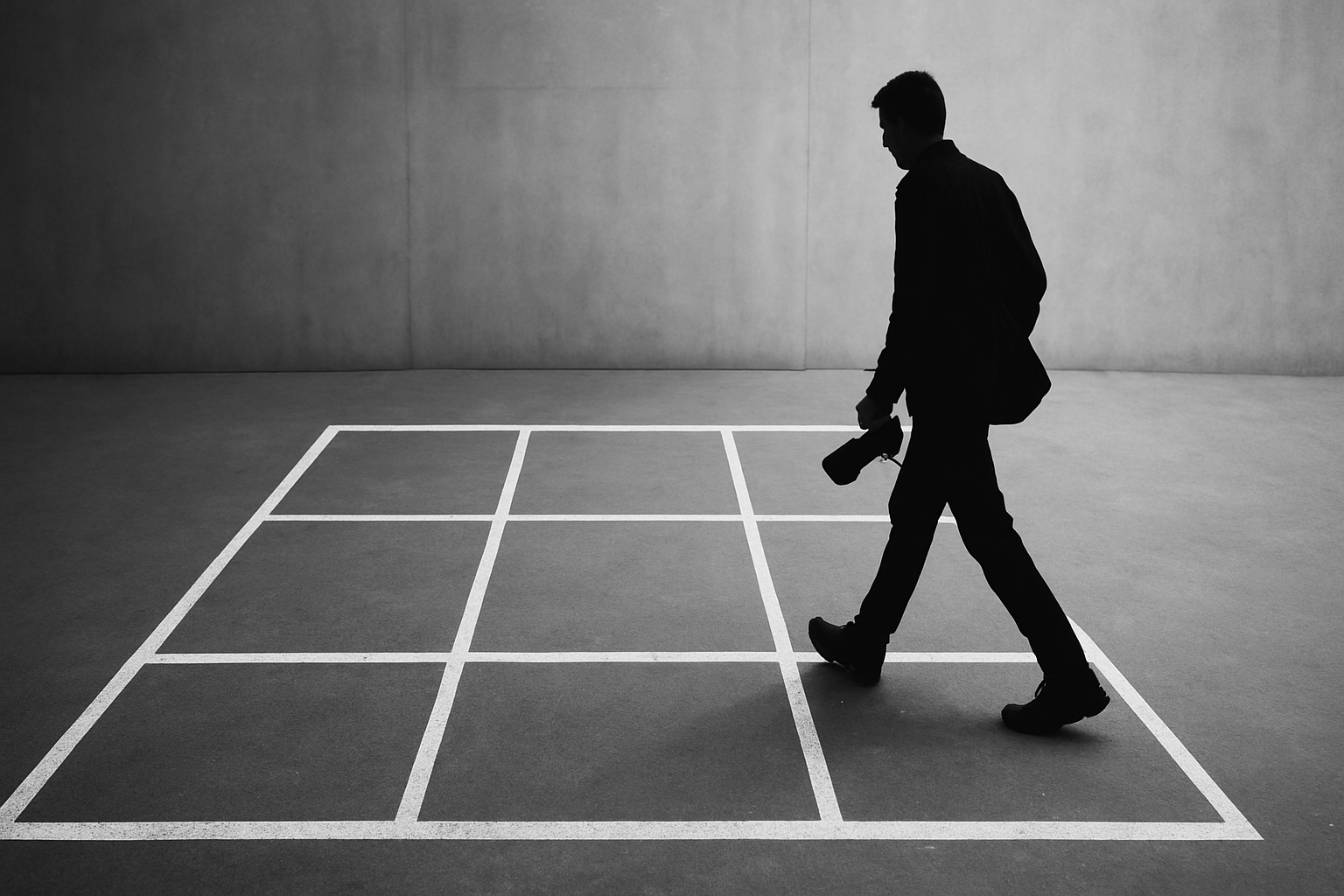
When photography first appeared in the 19th century, it was the new kid trying to fit in with painting. Painters had already spent centuries studying proportion, harmony, and composition. The art academies of the time had manuals filled with instructions on how to arrange a scene to make it pleasing to the eye. Photographers, looking for a way to be taken seriously, copied those ideas. The “rule of thirds,” for example, came straight from classical painting. It wasn’t a law just a simple guideline that helped create balance in a frame. Over time, it became dogma.
As photography grew up, some started to push back. The early modernists and experimental artists people like László Moholy Nagy and Man Ray didn’t care about the golden ratio. They wanted to find a language that belonged to photography itself. They played with blur, abstraction, strange angles, and shadow. The image didn’t have to be perfect anymore. It just had to be alive.
Today, we still have our own rules. Digital cameras and editing software brought their own form of perfectionism: clean lines, smooth tones, and technical precision. On social media, a “good” photo often means one that looks like thousands of others. It’s not so different from those 19th century painting manuals just with better resolution.
Maybe the point isn’t to throw out the rules entirely, but to understand where they came from. They were tools for seeing, not cages for creativity. Once you know their origins, you can decide which ones still serve you and which ones you can safely leave behind.