
The Storytelling Lie: Why Your Photos Don't Need a Narrative
Every photo needs a story or so we're told. Here's why the most powerful monochrome images aren't stories at all. They're visual poems.
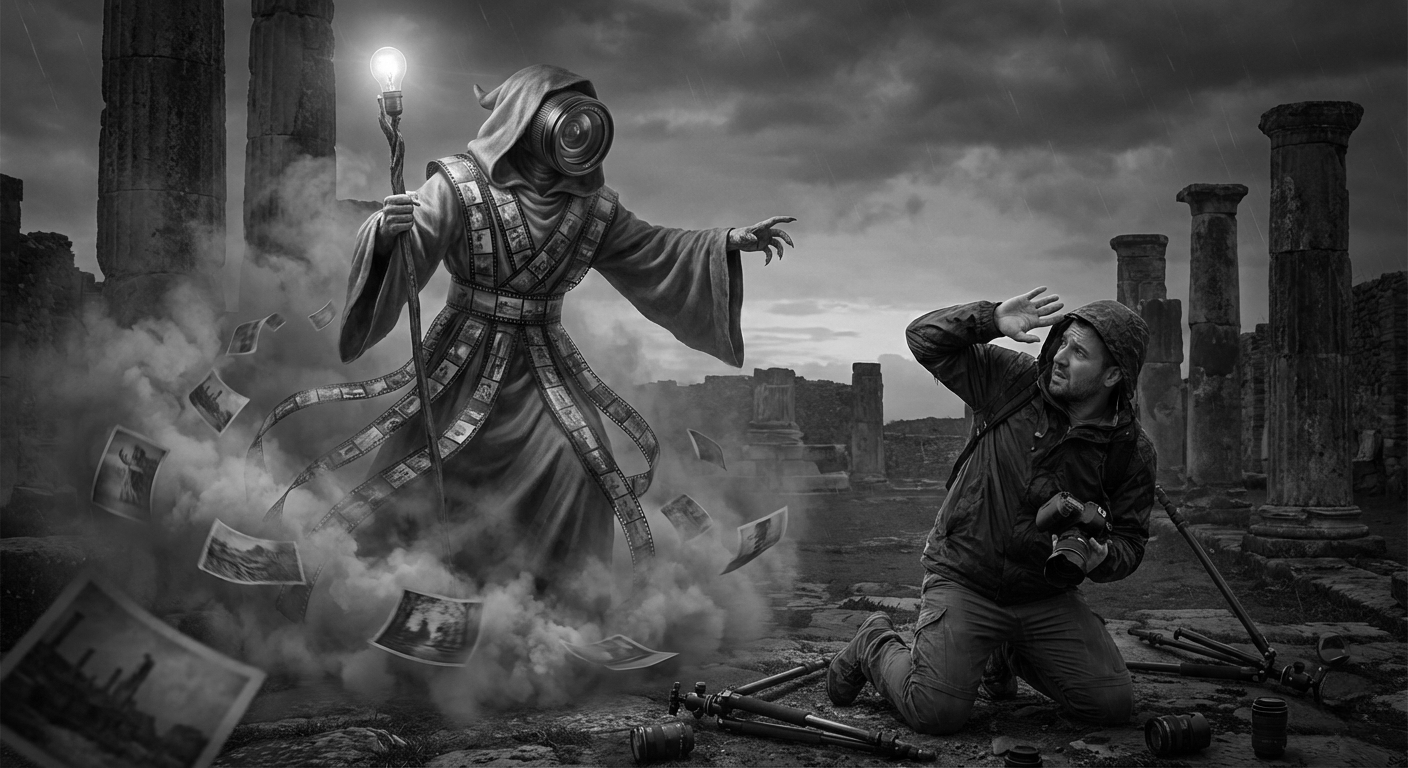
If you spend any time on photography YouTube, Instagram, or in workshops, you’ve heard the mantra. It’s repeated with religious fervor: "Every photograph must tell a story."
We are told that a good image has a beginning, a middle, and an end. It needs characters, conflict, and resolution, all trapped within four borders and a fraction of a second.
Let’s be honest: This advice is exhausting. And worse, it’s limiting.
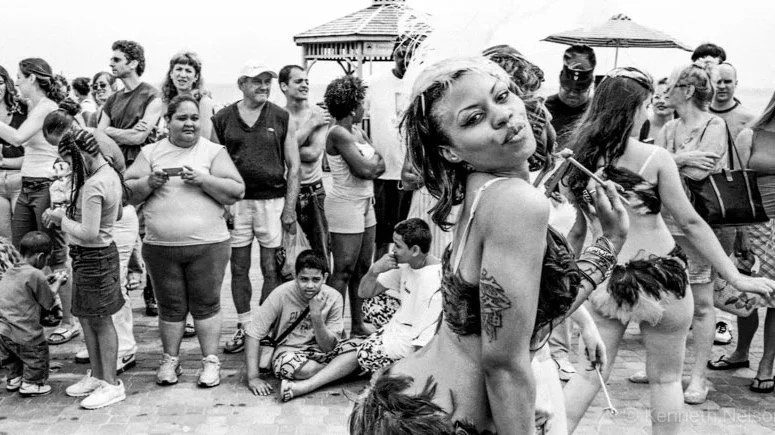
The pressure to "tell a story" often leads to contrived, obvious images. It turns photography into a riddle where the viewer has to figure out "what's happening." But photography is not literature. It’s a visual medium, not a verbal one. And by forcing every image to be a novel, we ignore the power of visual poetry.
The Stillness of the Frame
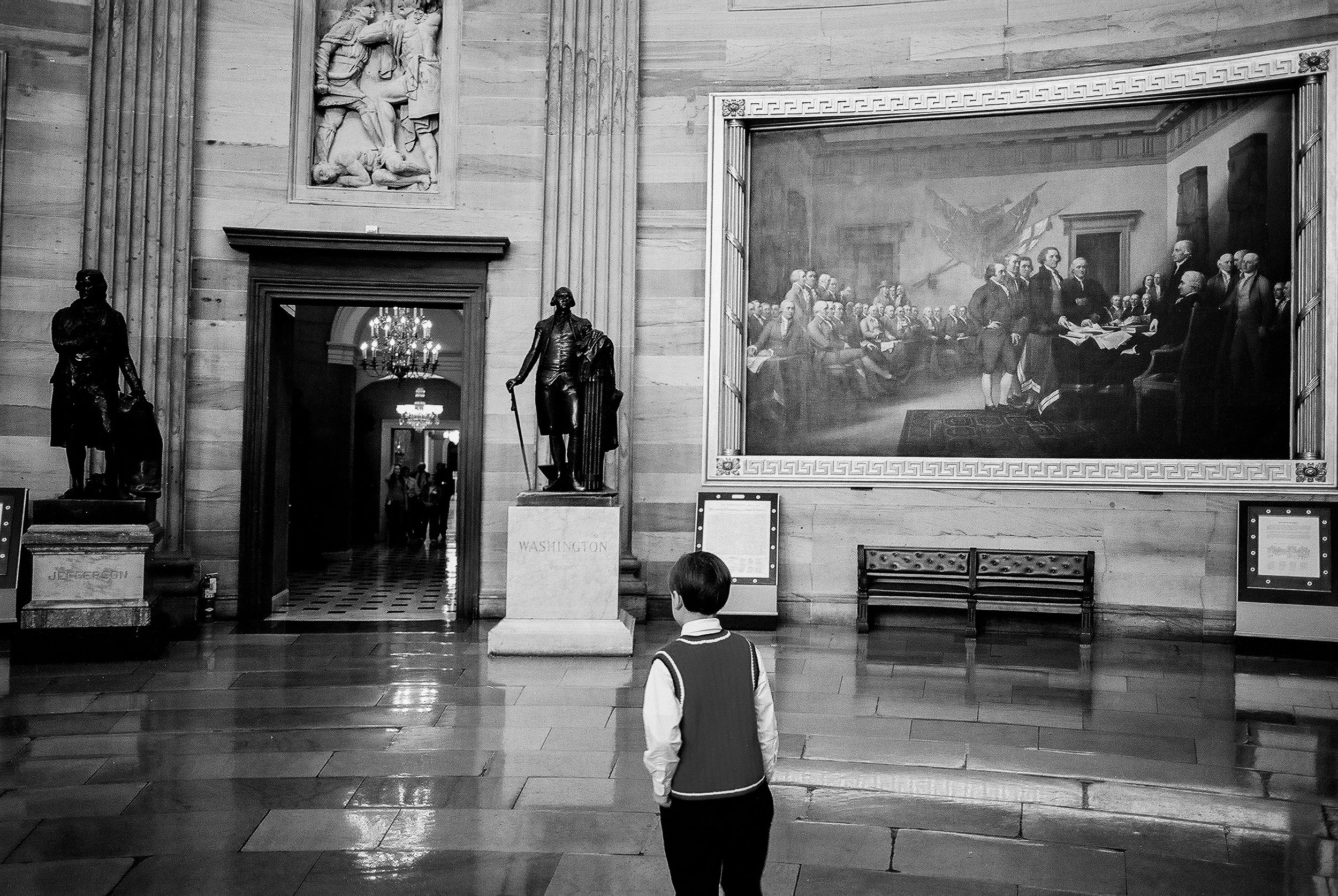
A movie tells a story. A novel tells a story. They have the luxury of time. A photograph is an isolated instant torn out of context. To demand that a single frame carry an entire narrative arc is often asking too much of the medium.
Don’t get me wrong. A photojournalistic image that captures a decisive narrative moment is powerful. But that is only one type of photography.
If Not a Story, Then What?
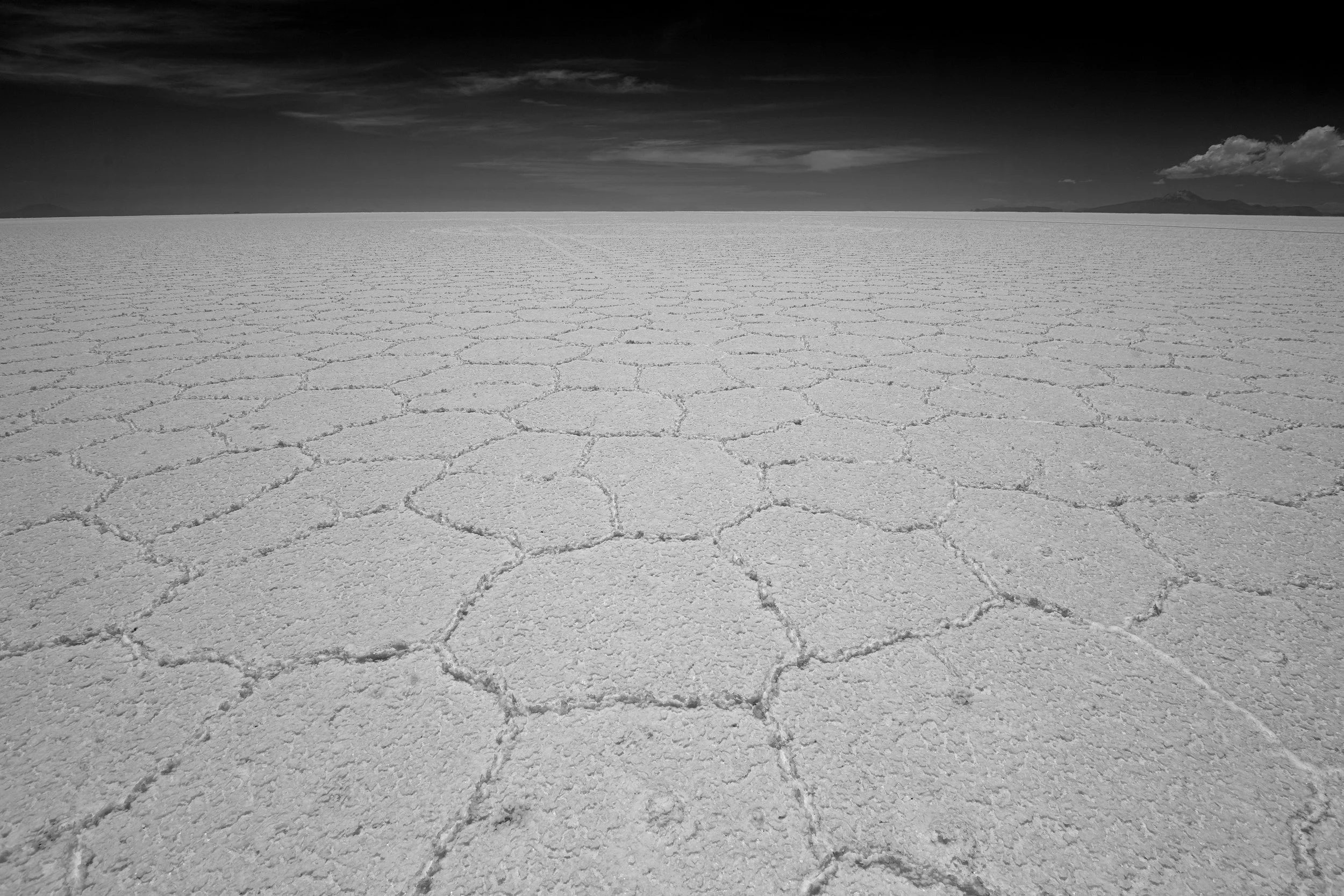
If you look at some of the greatest black and white imagery in history think of the abstractions of Minor White, the architectural studies of Lucien Hervé, or the textural landscapes of Ansel Adams, where is the "story"?
There isn’t one. And that’s the point.
These images aren't asking you to read them; they are asking you to feel them.
Sometimes a photograph isn't about "what happened."
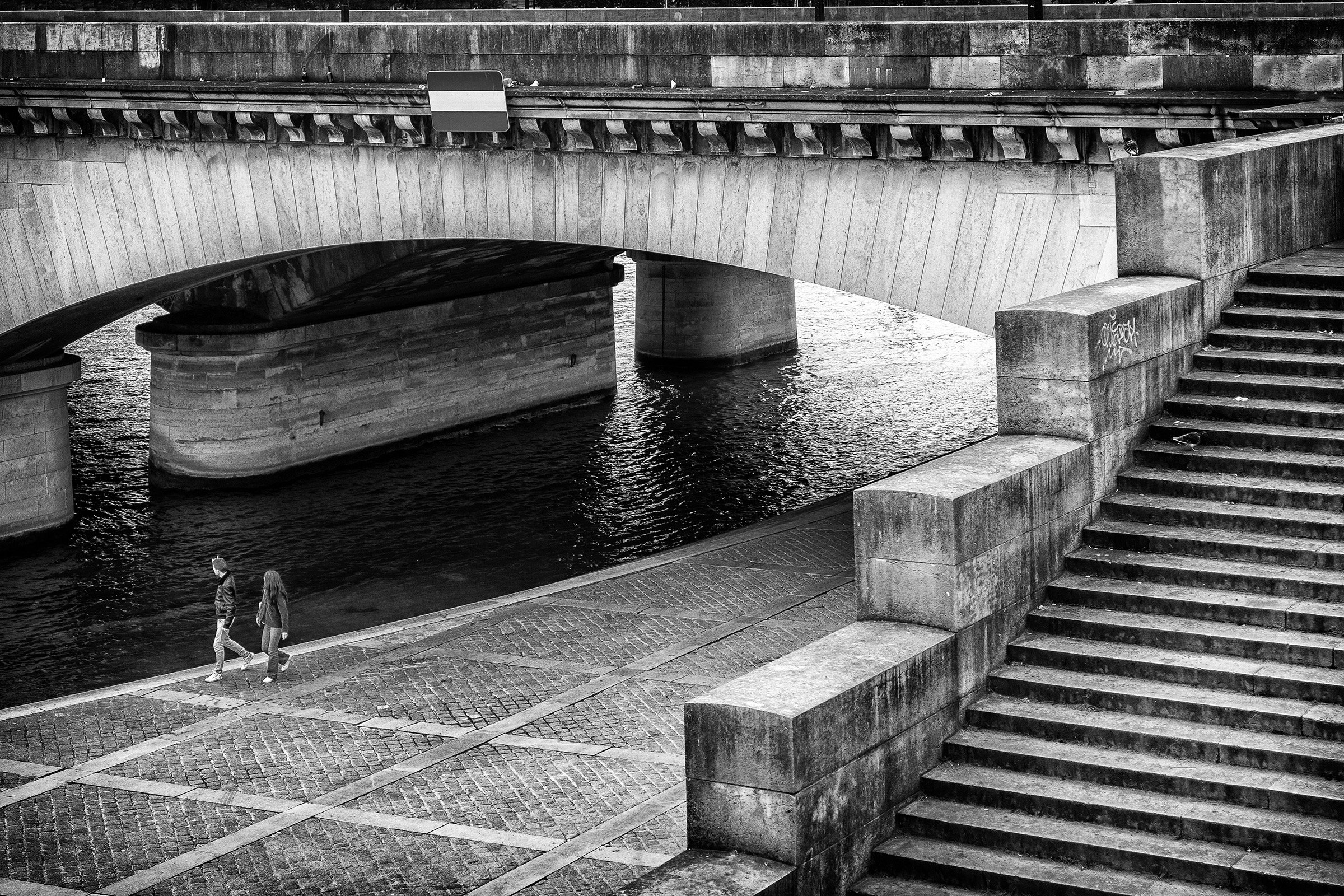
Sometimes it's just about the rhythm of light falling across a concrete wall.
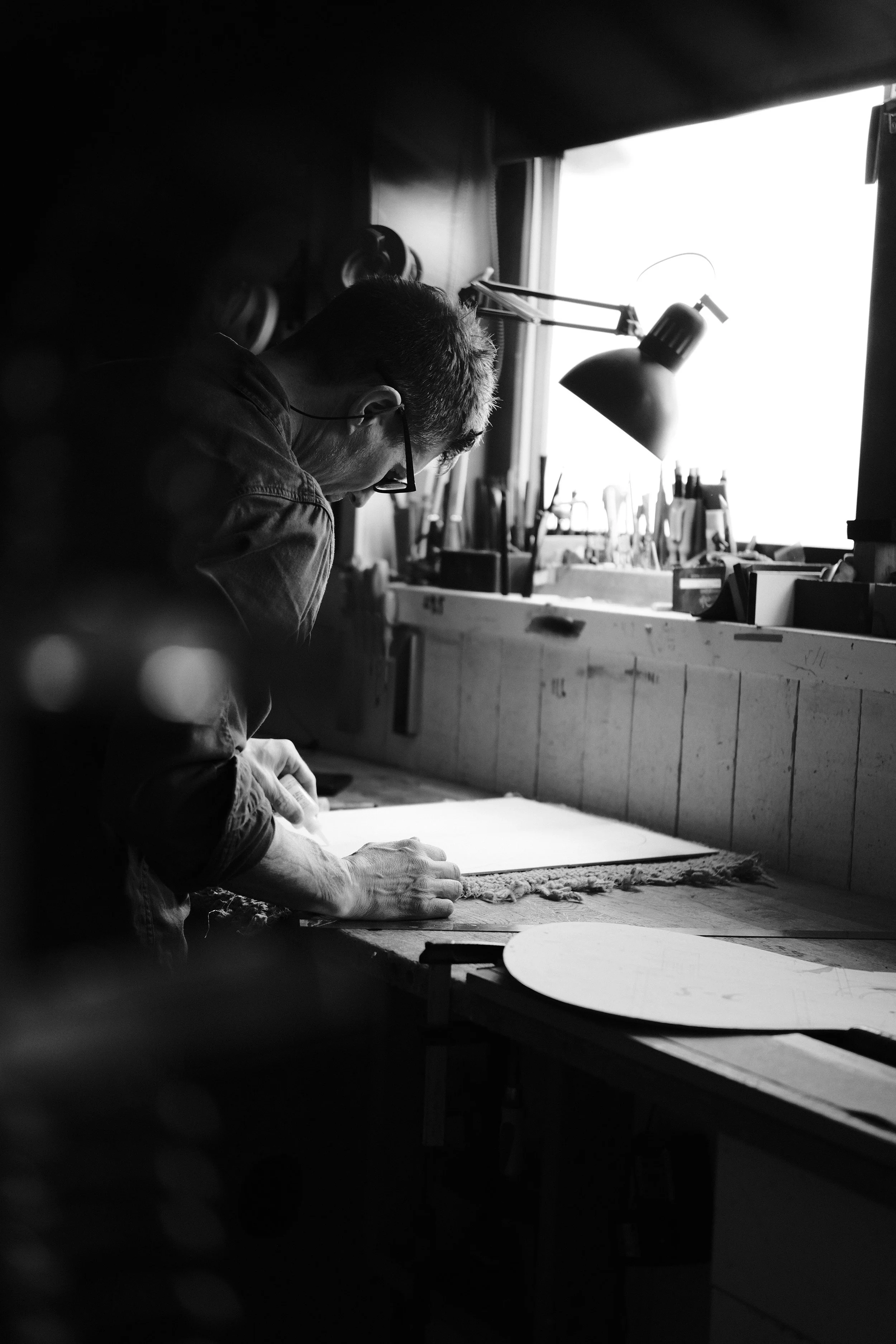
Sometimes it's just about the texture of old skin against a smooth surface.
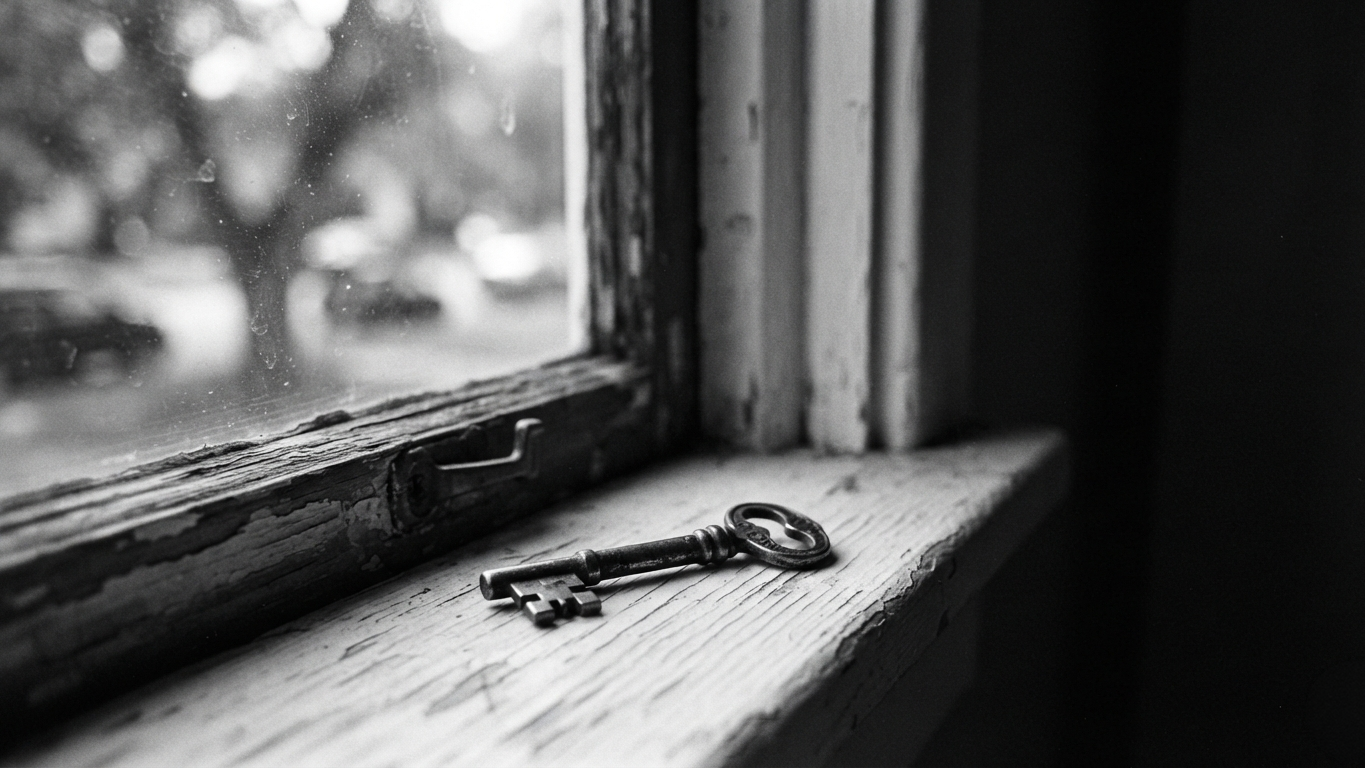
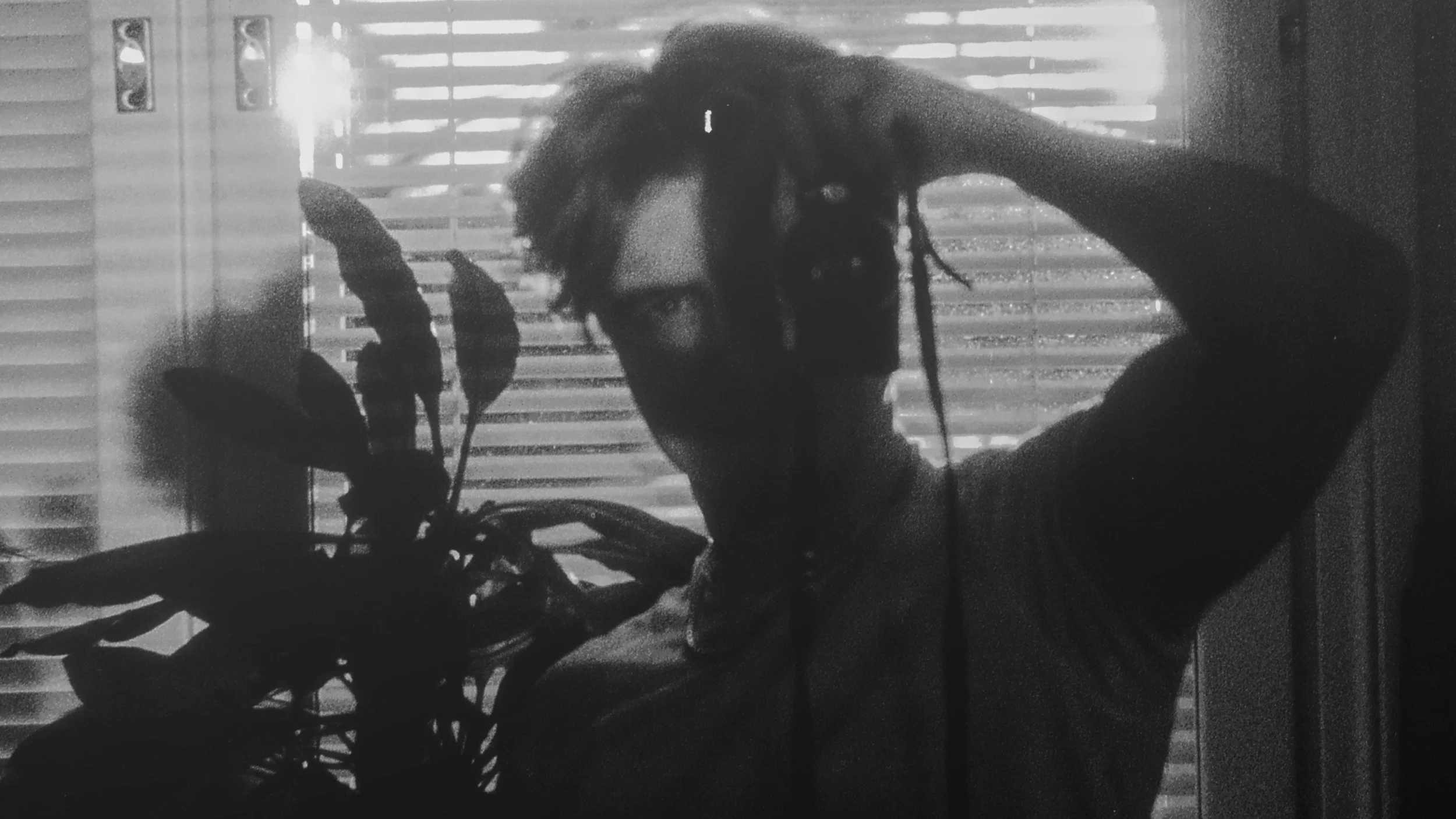
Sometimes it's just about a mood, a sense of melancholy, quiet, or awe that defies a clear plotline.
Photography as Music
Think of your photography less like a book and more like music. Does a beautiful instrumental piece of jazz need to "tell a story" to move you? No. It hits you on a visceral level without words.
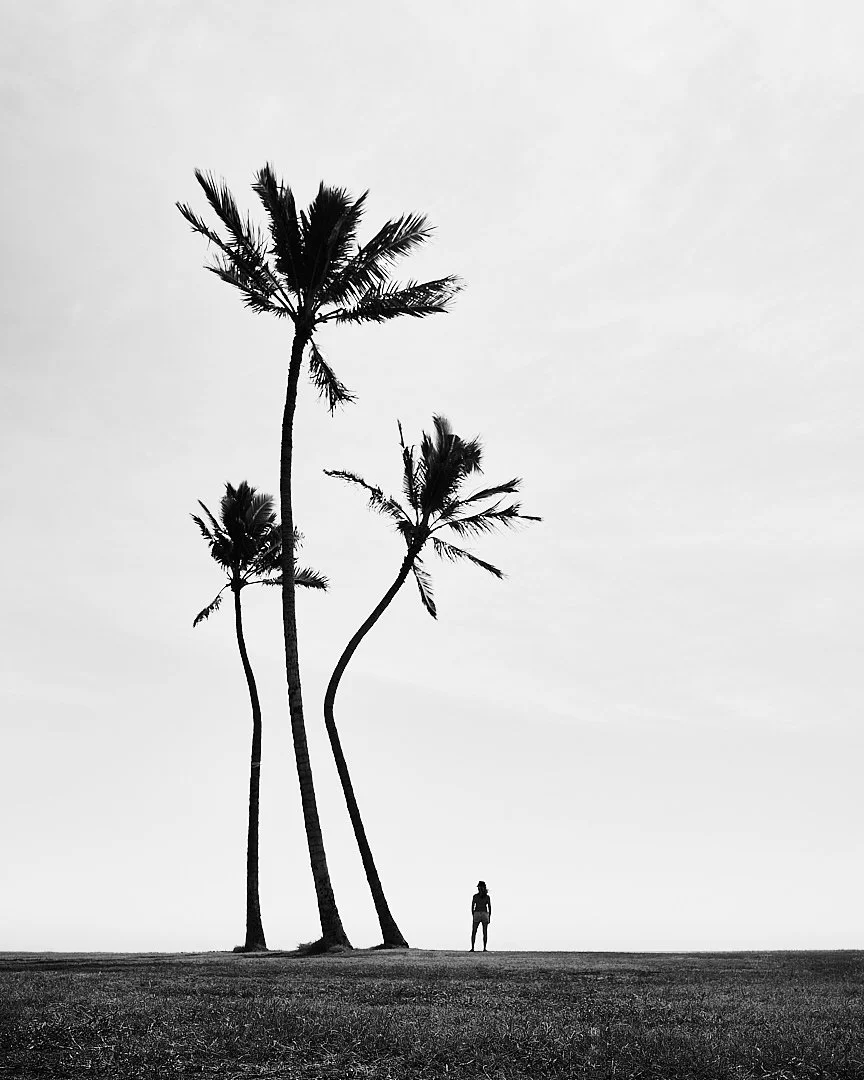
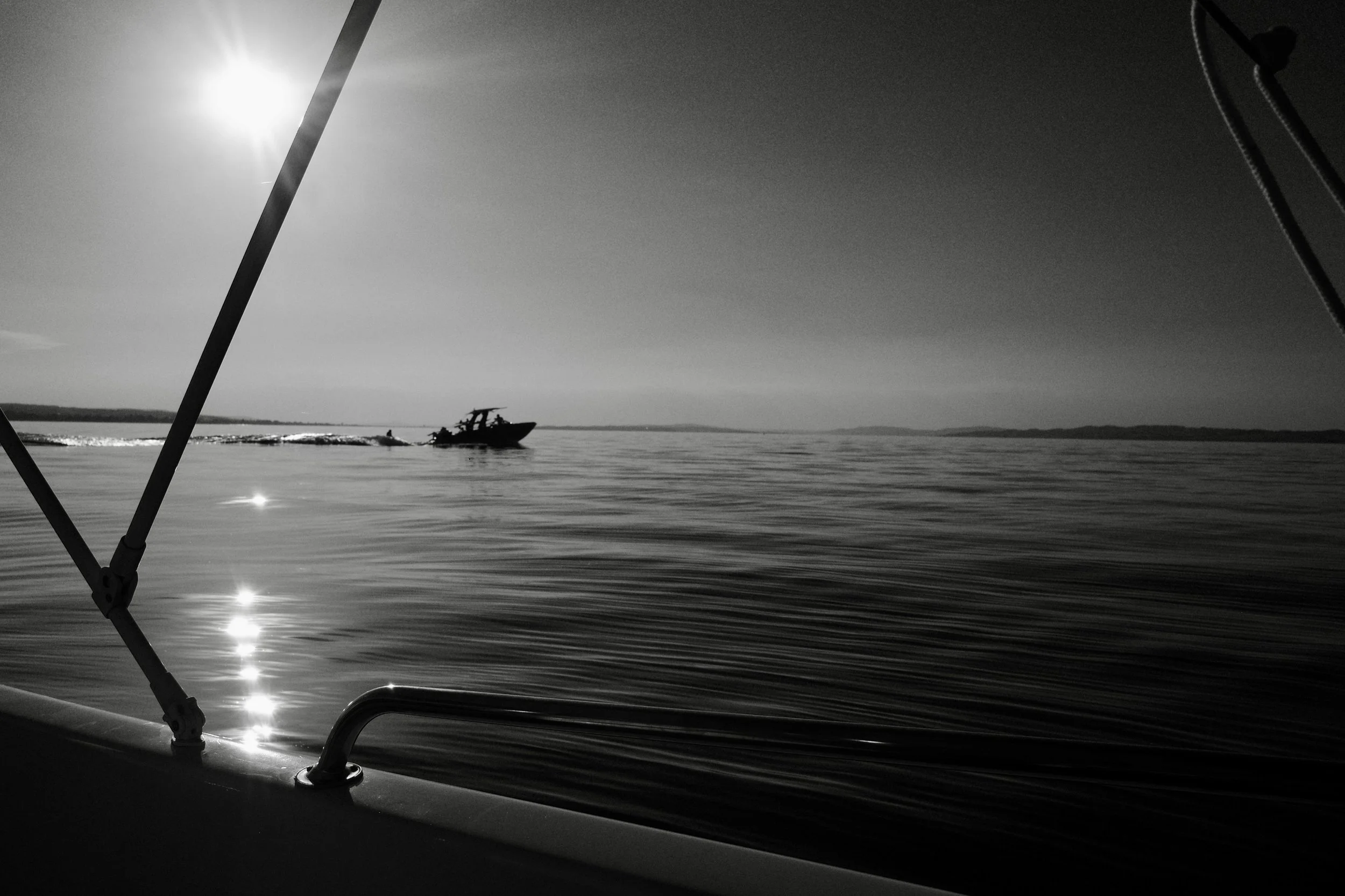
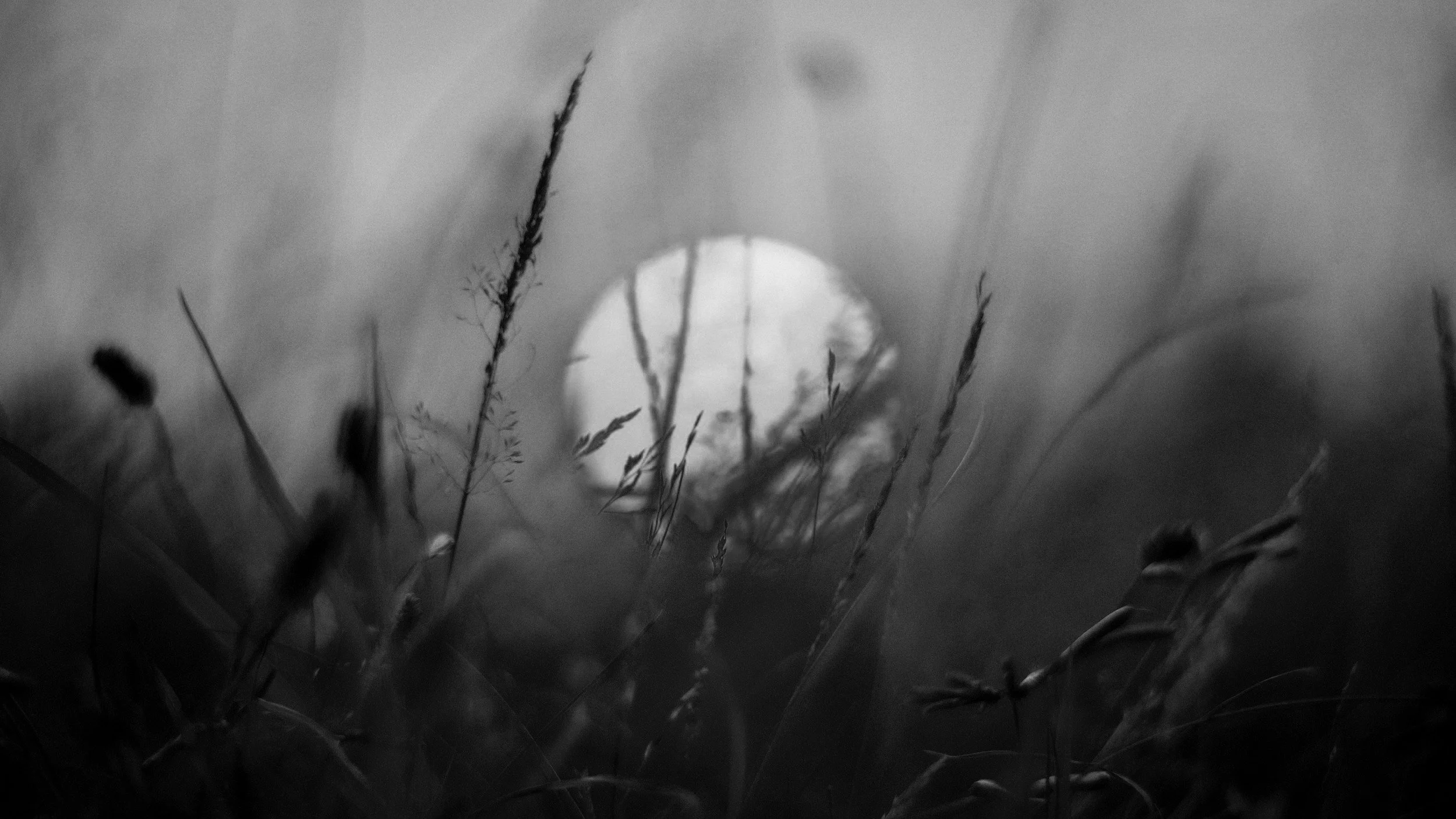
Black and white photography, stripped of the distraction of color, is uniquely suited for this. It excels at capturing tone, form, and atmosphere. When you stop worrying about the narrative, you are free to obsess over the visual.
Liberate Your Lens
The next time you're out shooting, give yourself permission to ignore the story.
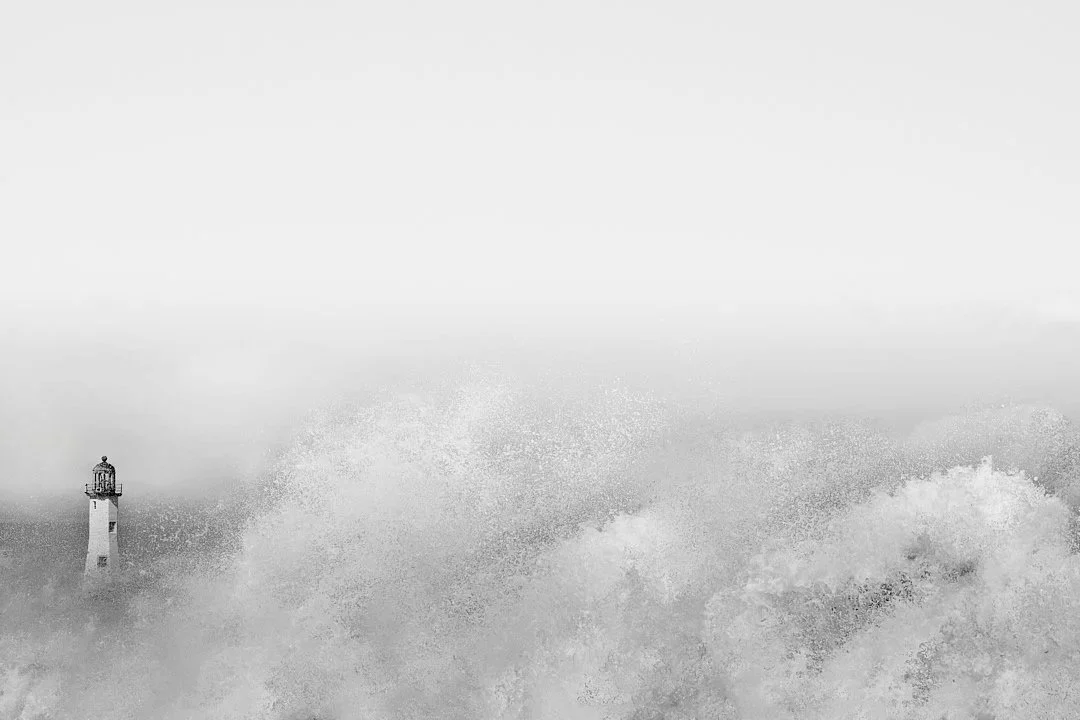
If you see a shadow shape that just looks incredible, shoot it. If you love the way the fog is wrapping around a streetlight, shoot it. Don't ask yourself, "What does this mean?" Ask yourself, "How does this look, and how does it feel?"
If the image stops you in your tracks, that’s enough.
IF YOU WOULD LIKE TO IMPROVE YOUR BLACK AND WHITE PHOTOGRAPHY TRY THE LESSONS BELOW.






A Beginners Guide To Black And White Photography