
Nikon's Shifting Landscape: Unpacking the Z7 II's New Value
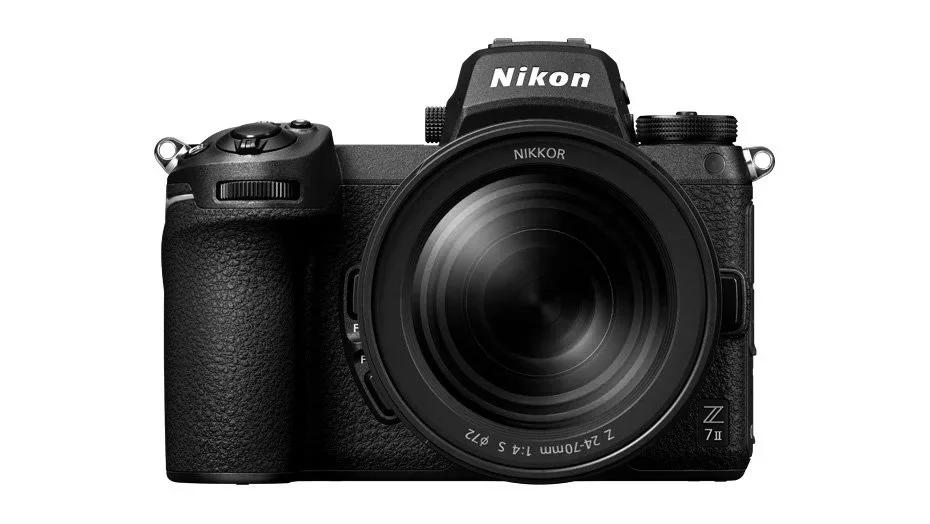
The D850 just got more expensive. Here's why that quietly makes the Nikon Z7 II one of the most compelling full frame options for monochrome photographers right now.
The tools we choose, the instruments through which we funnel our vision, are always evolving. Sometimes, this evolution is loud and attention grabbing. Other times, it's a subtle recalibration of value, a quiet realignment in the market that, for those of us paying attention, presents a unique opportunity. This week, we're seeing just such a shift within Nikon's lineup, and it's one worth considering for our monochrome pursuits.
Here’s the news
The highly regarded Nikon D850 has recently become more expensive. This isn't a minor bump; it's significant enough to alter the landscape for anyone looking at a high-resolution Nikon body. Interestingly, this price increase on the D850 coincides with a healthy discount on the Nikon Z7 II. Currently, the Z7 II is available for $2,196.95, which is $300 below its original retail price. What truly makes this a talking point is that the Z7 II now undercuts the D850 by roughly $200, creating an effective $500 saving if you choose the mirrorless option over the DSLR.
For us, this means the Z7 II offers a 45.7MP sensor, matching the D850's resolution, but with the added benefits of modern mirrorless technology. Think in-body image stabilization for sharper handheld shots, a sophisticated electronic viewfinder for precise exposure and focus preview, improved low-light performance, and the advantages of Nikon’s Z-mount glass. All these features contribute to a more refined and adaptable shooting experience, especially when we're meticulously crafting those tonal ranges and capturing the subtle details that define strong black and white work.
THE Monochrome Collective TAKE:
When we strip away color, we lean harder on light, shadow, texture, and form. A camera like the Z7 II, with its high-resolution sensor, stable platform (thanks to IBIS), and accurate electronic viewfinder, becomes more than just a piece of tech; it's an extension of our artistic intent. The precision it offers allows us to truly focus on the essence of the scene, to sculpt light and darkness with greater confidence. It’s a compelling argument for embracing the future, not just for the technical advantages, but for how those advantages serve the timeless art of monochrome.
IF YOU WOULD LIKE TO IMPROVE YOUR BLACK AND WHITE PHOTOGRAPHY TRY THE LESSONS BELOW.
























A Beginners Guide To Black And White Photography