
Monochrome Lessons from Wes Anderson
His films are a riot of color but strip it away and you'll find the most disciplined eye in cinema. What Wes Anderson quietly teaches black and white photographers.
When we think of the film director Wes Anderson we immediately think of color. We think of the saturated yellows of Moonrise Kingdom or the confectionery pinks of The Grand Budapest Hotel. He is one of the few living directors whose use of color palettes is instantly recognizable.
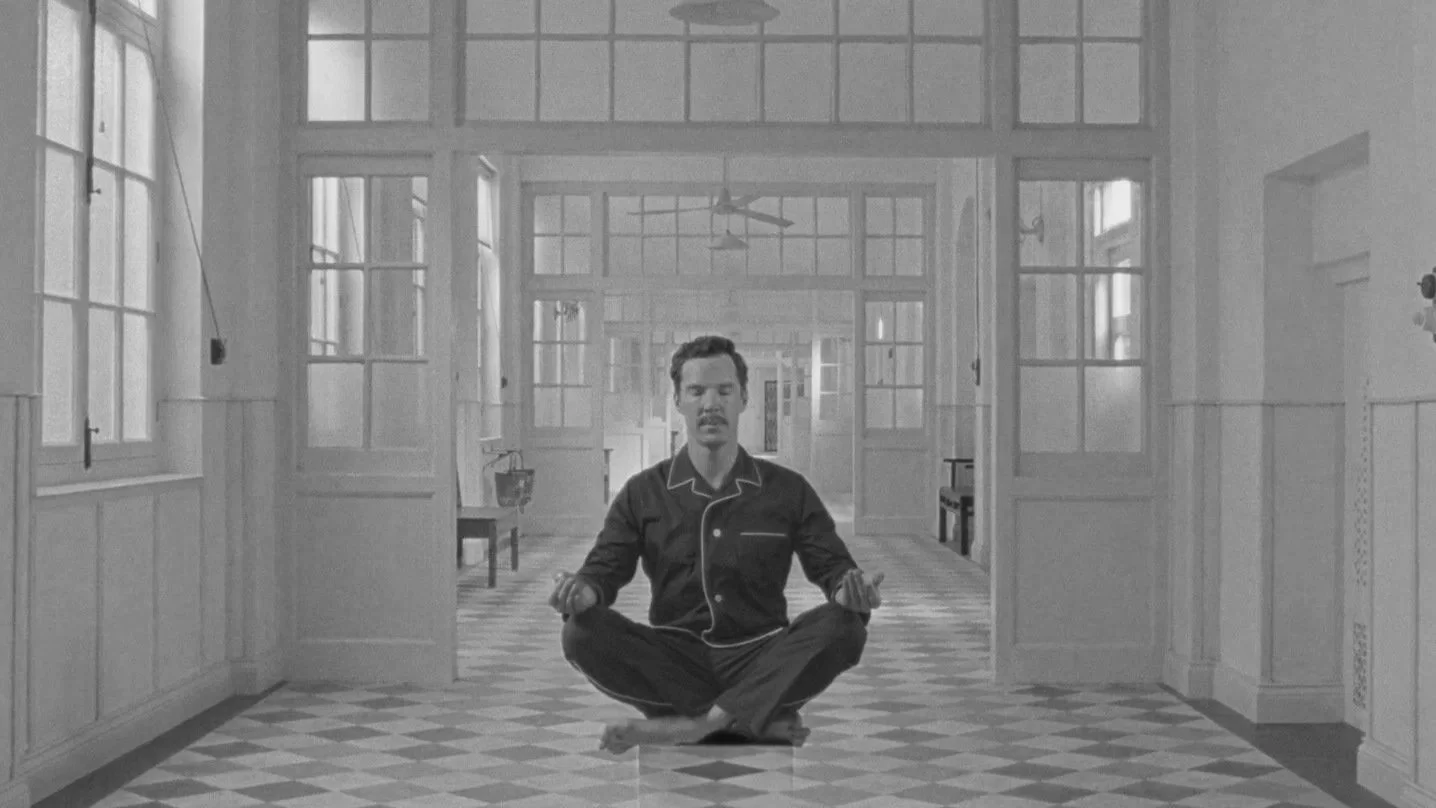
It seems strange then to suggest that black and white photographers should study his work. Why look at the master of color to improve your monochrome game?
Because if you mentally desaturate a Wes Anderson frame you realize that the color is just the final layer of paint on an incredibly rigid structure. Underneath those pastels lies a rigorous approach to geometry texture and total intentionality that is pure gold for the black and white photographer.
Here is what we can learn when we look past the color.
The Beauty Symmetry
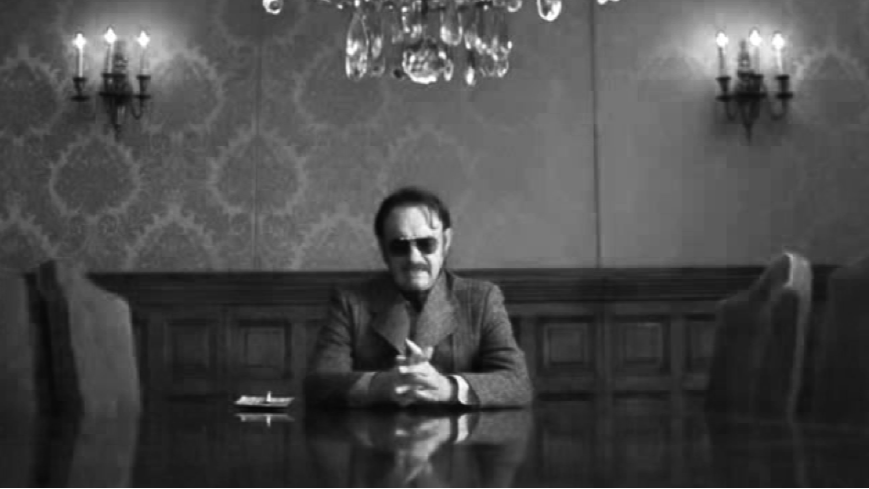
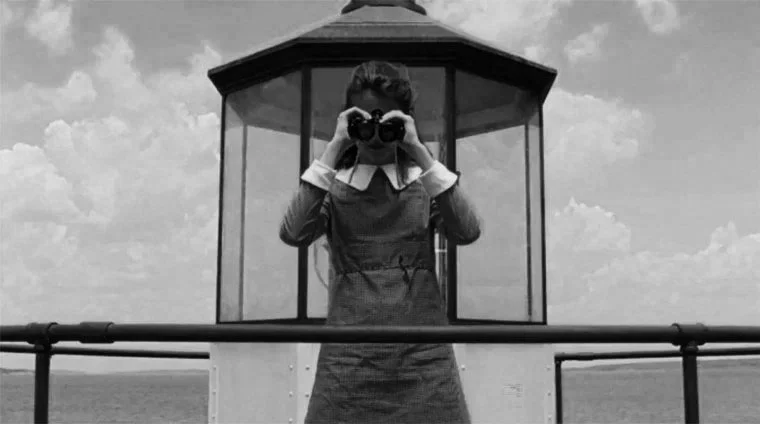
Anderson is famous for his obsessive use of center framing and perfect symmetry. He ignores the rule of thirds almost entirely. He builds frames that feel like theatrical stages or dioramas.
In color this symmetry feels whimsical. In black and white it becomes graphic and architectural. Without color to guide the eye composition becomes the only way to establish hierarchy in a frame. Anderson teaches us to stop being afraid of putting our subject dead center. He shows us how to use the environment to build a literal box around the subject to contain them.
The Lesson
Look for scenes in the real world that have inherent balance. A perfectly centered doorway or a lone tree on a symmetrical hill becomes incredibly powerful in monochrome because the geometry is laid bare.
The Obsession with Texture
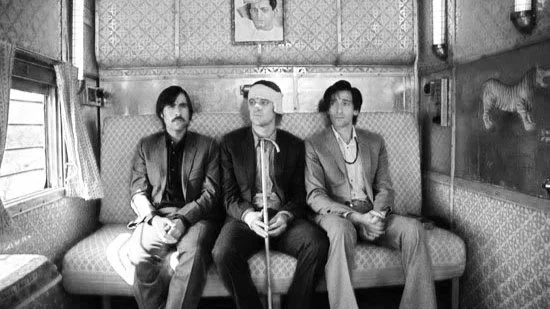
Anderson’s worlds are tactile. You feel like you can reach through the screen and touch the corduroy jackets in Fantastic Mr. Fox or the felt wallpaper in The Royal Tenenbaums. He uses intense, flat lighting that highlights the surfaces of objects.
When you remove color you lose the ability to separate objects by hue. You must separate them by texture and contrast. A red apple against a green sweater might look the same in gray scales unless you emphasize the waxy skin of the fruit against the wool fiber of the clothing.
The Lesson
Anderson treats every object as a specimen. When shooting black and white use light to rake across surfaces. Make the viewer feel the grit of the pavement or the softness of a cloud. Texture is your new color.
The Total Control of the Frame
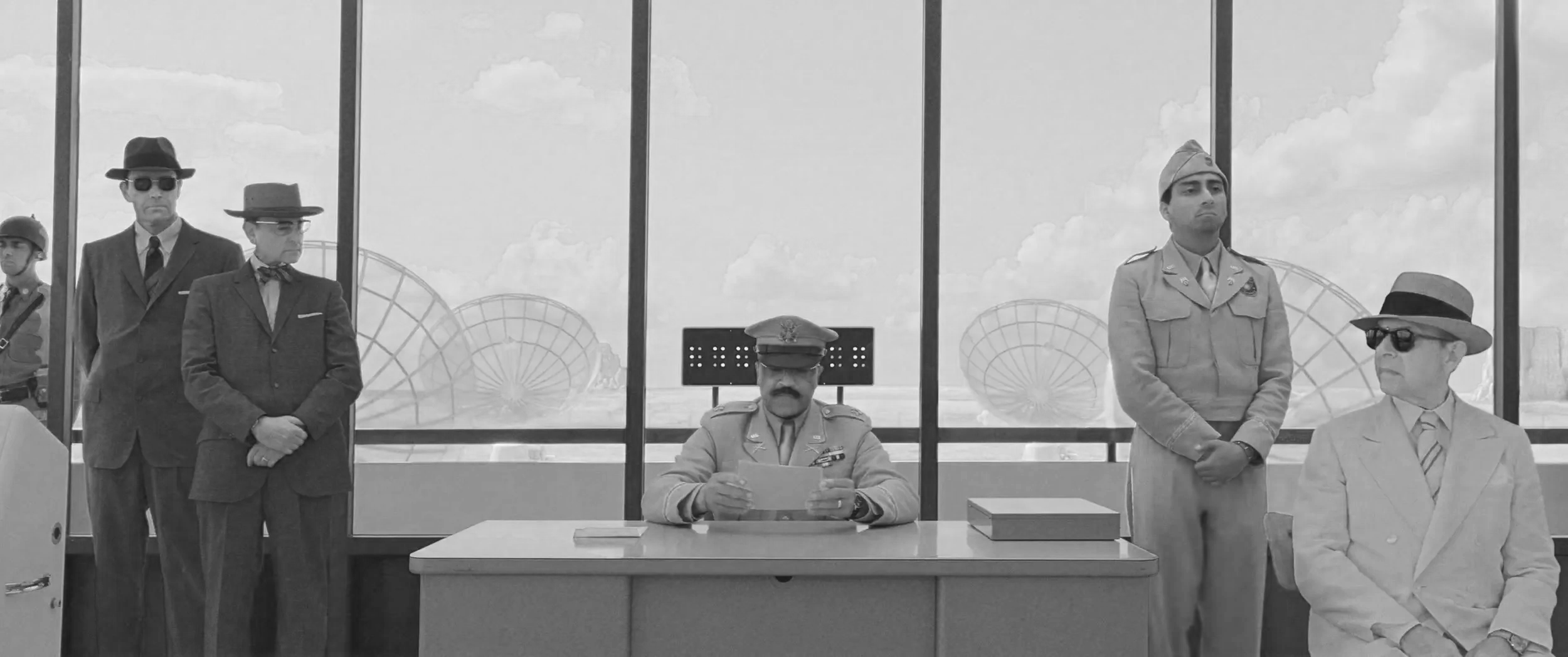
The most important lesson from Anderson is intentionality. There are no accidents in his movies. If a pencil is on a desk it is a specific type of pencil placed at a specific angle. He does not capture reality; he curates it.
Black and white photography is already an abstraction of reality. We are already choosing to remove a vital element of the world. Anderson teaches us to lean into that construction. Because his frames are so cluttered with curated objects they would be chaotic if not for his rigorous organization.
The Lesson
Be ruthless about what you include in your edges. Before you press the shutter scan the corners of your frame. If an element does not contribute to the graphic structure or the emotional tone remove it. Black and white thrives on simplicity and order.
Now What
The next time you watch a Wes Anderson movie try to watch it not for the story or the colors but for the skeleton of the images. Notice how hard the lines are working. Notice how every object has a purpose.
He teaches us that style is not just about a color grade. Style is about a relentless adherence to a specific way of seeing the world.
IF YOU WOULD LIKE TO IMPROVE YOUR BLACK AND WHITE PHOTOGRAPHY TRY THE LESSONS BELOW.


























A Beginners Guide To Black And White Photography