
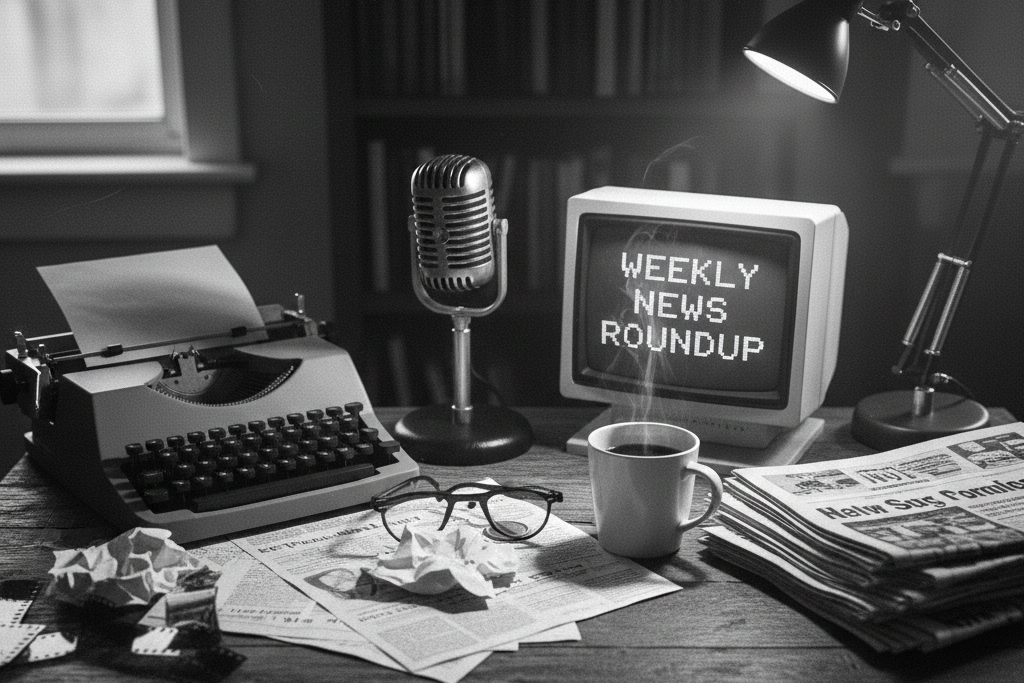
Weekly News Roundup
Ricoh's game changing firmware update, the defining images of the Winter Olympics, and everything else that mattered in photography this week.
Welcome to your weekly dose of all things black and white. From Ricoh's massive firmware update to the defining photos of the Winter Olympics, here are the biggest stories in photography this week.
Ricoh GR IV Shutter Speeds
The headline for most street photographers this week was Ricoh’s release of firmware version 1.11. As we reported earlier, this update brings the high-speed electronic shutter to the standard GR IV.
For the monochrome enthusiast, this is all about tonal control. The ability to shoot at f/2.8 in harsh, midday sun without an ND filter means you can maintain that creamy bokeh and shallow depth of field while still preserving detail in the brightest highlights a crucial win for those of us who live for high contrast street work.
Precision Under Pressure
At the Winter Olympics in Cortina d’Ampezzo, AP photographer Jacquelyn Martin captured the defining images of Lindsey Vonn’s downhill crash. Using extreme shutter speeds and a meticulously planned position, she froze a split second moment that the rest of the world missed.
Martin’s work is a masterclass in form and silhouette. In monochrome, sports photography is stripped of the distracting colors of sponsor logos and bright jerseys, leaving only the raw tension of the athlete's body against the landscape. It’s a reminder that when the action is chaotic, the simplicity of black and white can often tell a more powerful story.
The Return of the Compact
The latest data from CIPA (Camera & Imaging Products Association) confirms a massive 30% surge in compact camera sales. While DSLRs continue their decline, "lifestyle" compacts like the Ricoh GR and Fujifilm X100 series are fueling an industry resurgence.
This "retro revival" isn't just a trend; it's a shift toward intentionality. Monochrome photographers have long favored compact, unobtrusive tools that allow them to blend into the environment. The industry's pivot back to dedicated, tactile cameras suggests a growing audience for the "slow photography" movement that defines our community.
Exhibition Spotlight
In the fine art world, artist Cindy Stillwell announced her new installation, which features 16mm black and white film hand developed using plant based eco developers.
This is the "Keeper of the Craft" spirit in action. Stillwell’s use of sunflowers and hollyhocks to create developer for her film stock reminds us that monochrome isn't just a digital filter, it’s a physical, tactile medium. It encourages us to look at our "studio" processes more deeply and consider the chemistry behind the grain.
IF YOU WOULD LIKE TO IMPROVE YOUR BLACK AND WHITE PHOTOGRAPHY TRY THE LESSONS BELOW.




Featured Articles
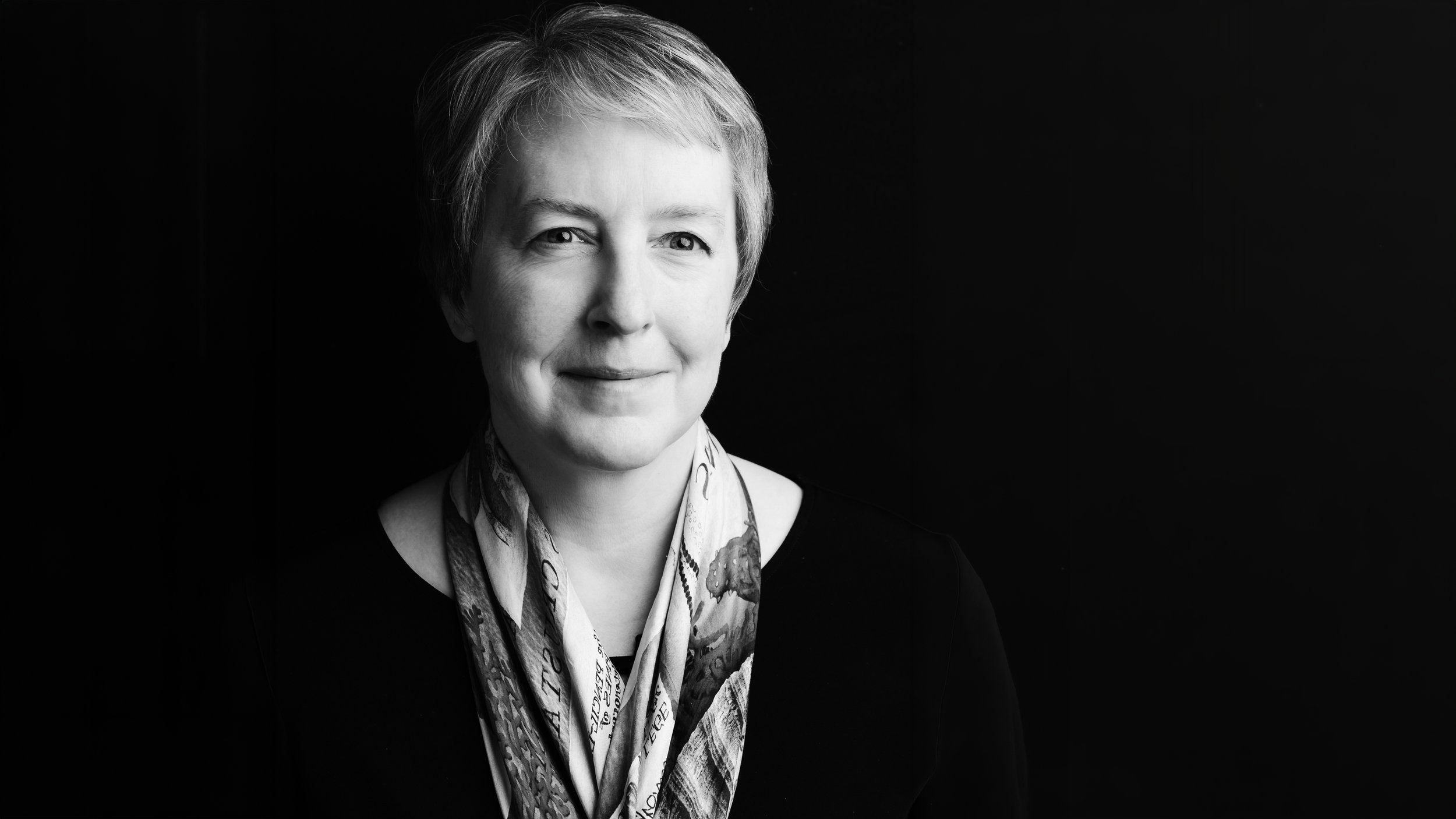
Flora van Wageningen picked up a camera in her late thirties, restless and bored with the city she had settled in, and gave herself five years to master the craft and see her surroundings differently. She keeps returning to landscape and abstract work, and lately she has been questioning whether astrophotography needs color at all, since what the eye actually sees under a dark sky is far more subtle than the saturated images most people share online. We asked her about a spontaneous night under the Milky Way with her cousin, and why she is trying to slow down rather than chase comparison.
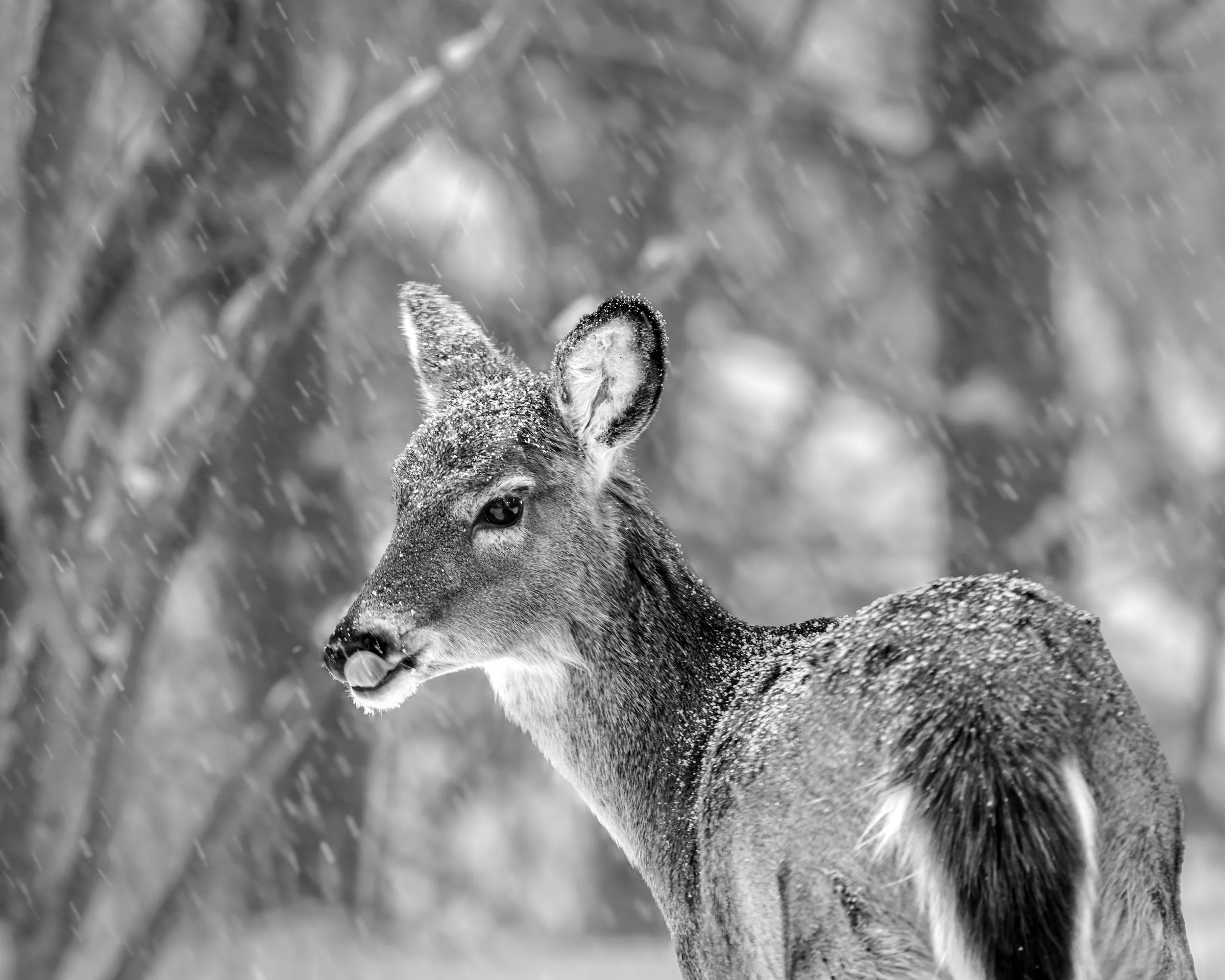
Mark Archibald bought six acres of fallow farmland twenty five years ago and spent decades planting trees, scattering acorns on walks, and letting the land slowly return to woods. Now deer come close enough to photograph from his own sunroom, camo netting hung over open sliding doors, waiting for a fawn to wander through the falling snow.
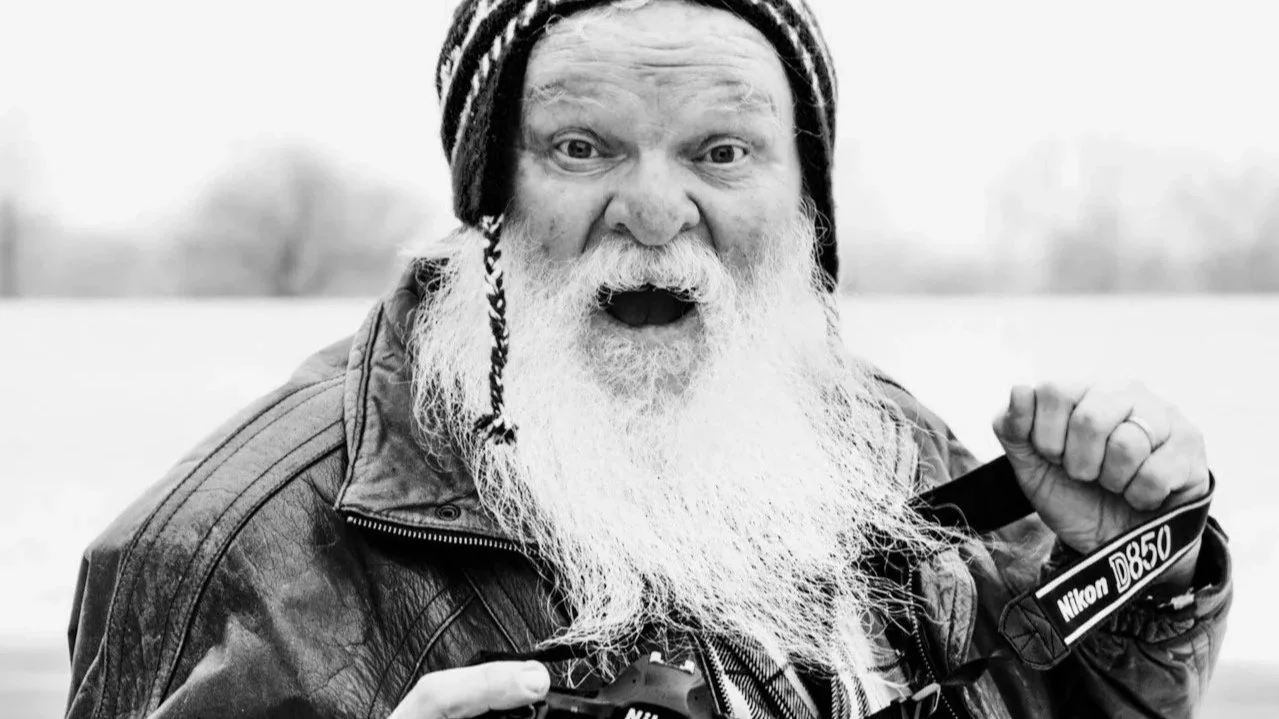
Roger Ballen did not become significant because he turned fifty. He became significant because fifty happened to be the point where decades of sustained, serious engagement with the craft finally caught up with him. Here is why compelling photography genuinely takes years to arrive, and why that is not discouraging news.
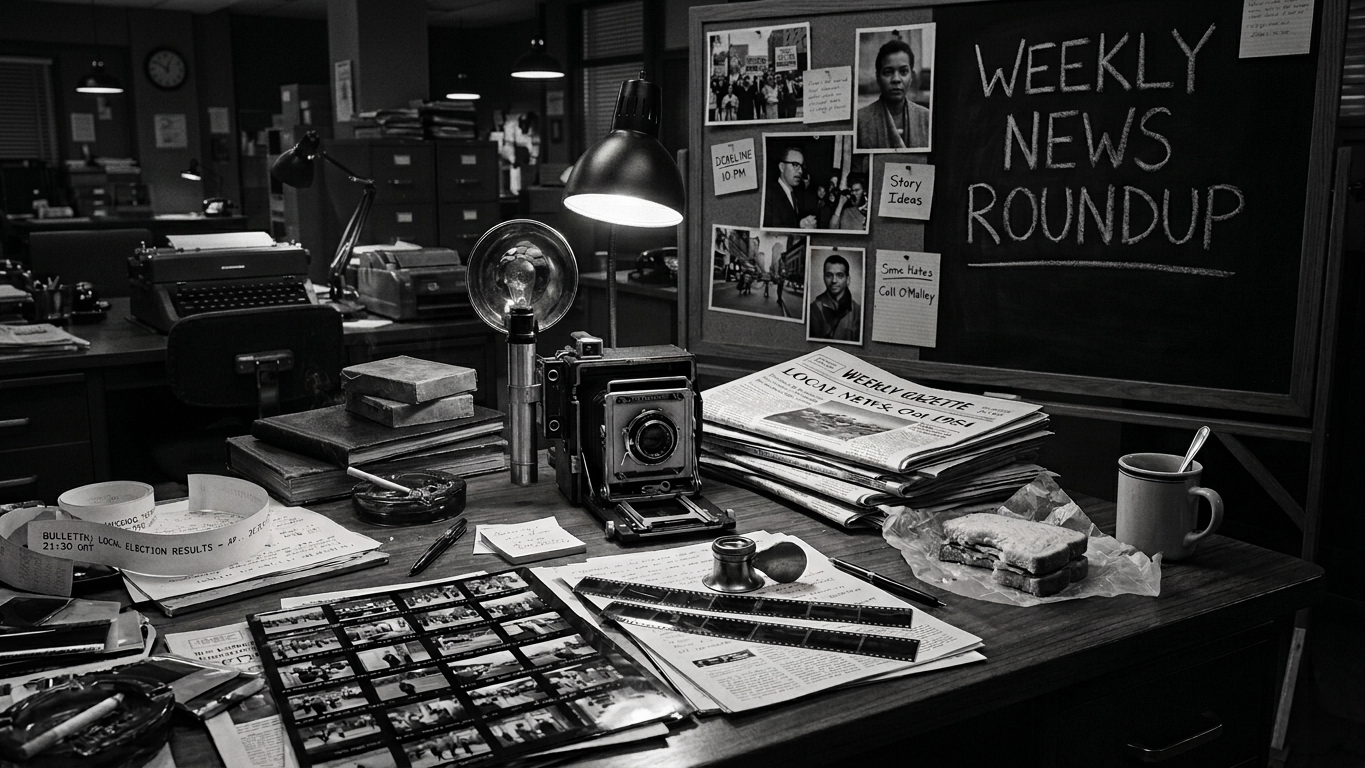
A genuinely varied week. VSCO had to clarify how photographers actually get paid for its ambitious billboard project, GoPro's latest earnings confirm the going concern warning from a few weeks ago was not overstated, the Sony FX5 slips another month, a legendary surf photographer has died, and a trail camera captured something that has never been documented in that part of the world before.
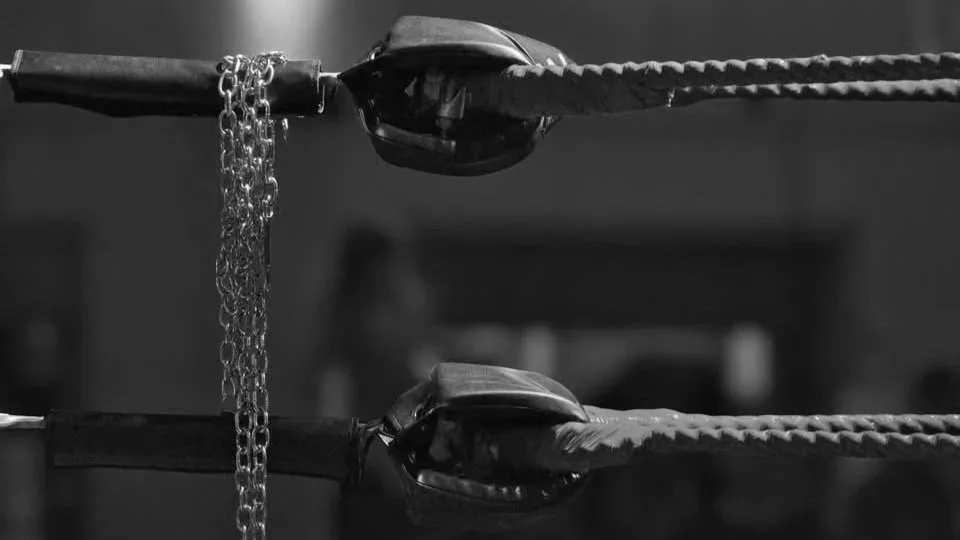
Ty Nelson picked up a camera because he loved wrestling, and started shooting the action the way most beginners do. What he found instead, over years of showing up to a banquet hall in Joliet, was something closer to a long running story he was quietly documenting one show at a time. This is the night that story ended.
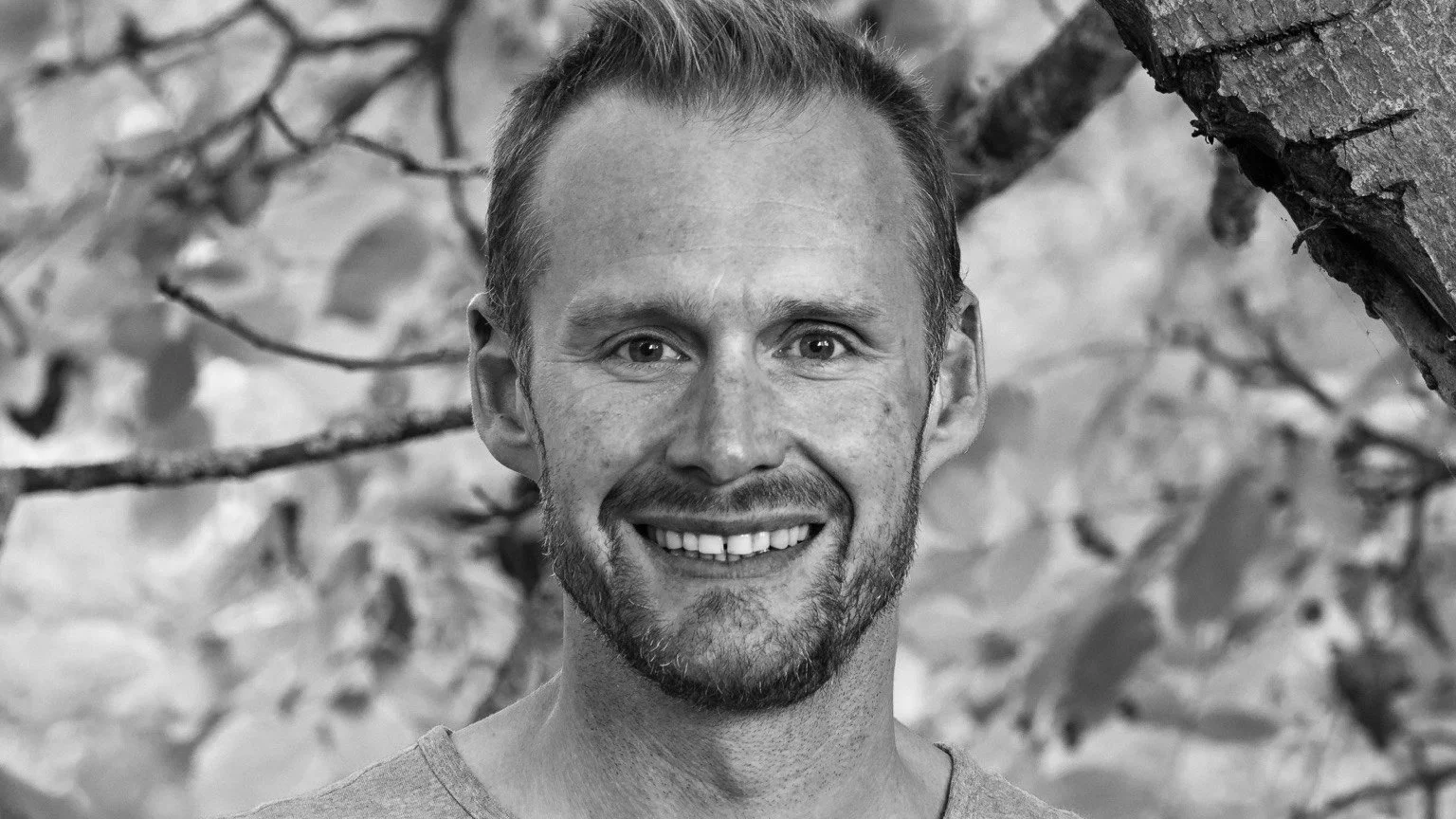
Damian Ward is drawn to woodland and solitary trees, especially in winter when the branches are bare, in a landscape he describes as beautiful but not dramatic. He shoots almost entirely with vintage manual focus lenses, sets his camera to black and white before he ever presses the shutter, and rarely touches a RAW file. We asked him about flow, minimal editing, and the moment he stopped trying to make everything perfect.
You know the feeling. The photograph you spent real effort and real feeling on gets a quiet response, while something you almost did not post becomes the one everyone reacts to. Here is what that gap is actually telling you, and when it is worth listening to.
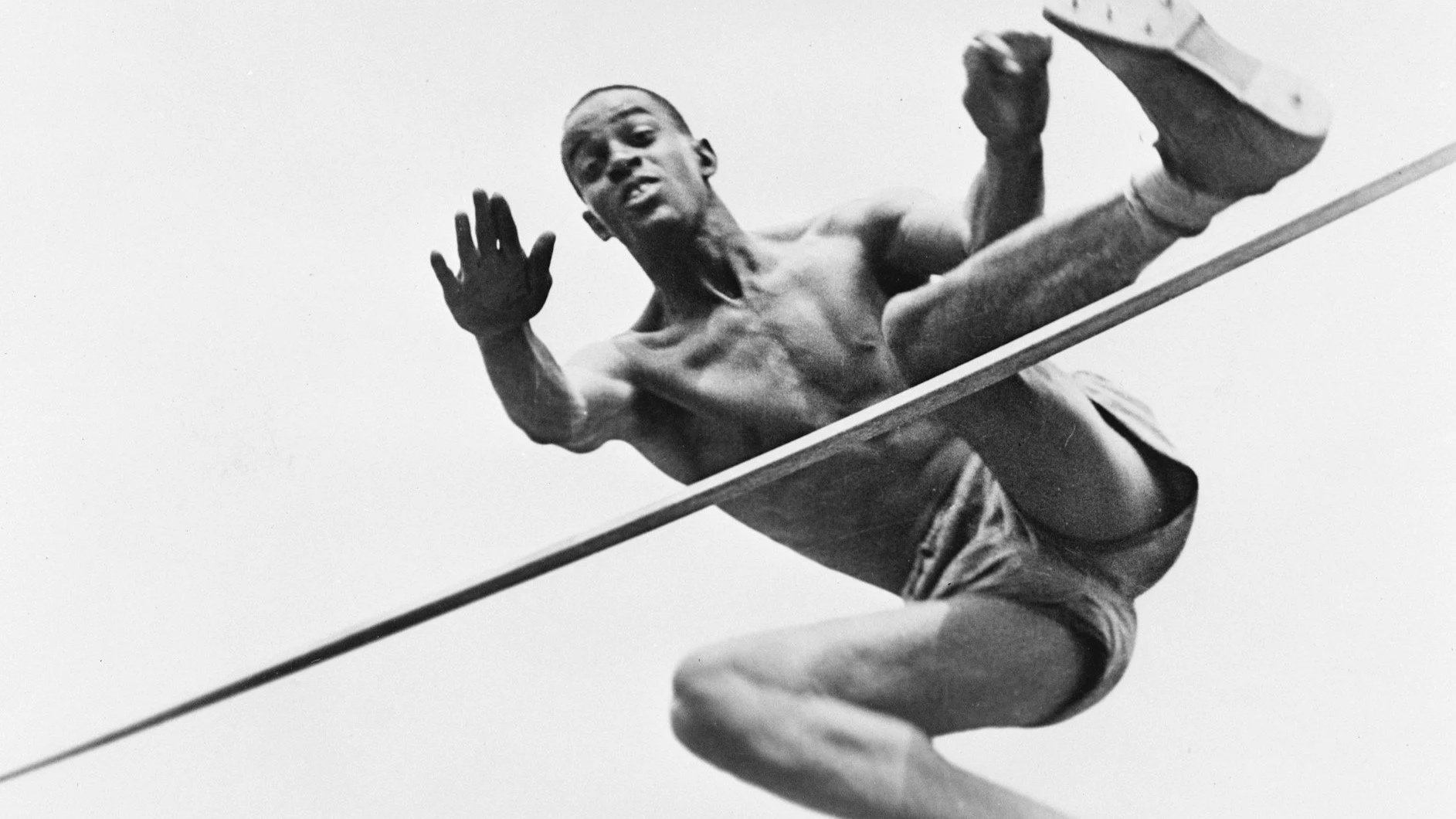
You know the feeling before you have even left the house. A quiet sense that today needs to produce something good. Wanting to make good work is not the problem. The invisible bar you are unconsciously measuring yourself against is.
A total solar eclipse crosses the Arctic, Iceland, and Spain on August 12, and a new app promises to let photographers actually watch it instead of hiding behind a viewfinder. Colorado wildlife photographers are pushing back hard on a proposed annual fee. A decade long documentary project reframes how we see women serving life sentences. And two new affordable lenses land for very different systems.
We spend a lot of time here talking about being deliberate, studying light, naming what you see, slowing down before you shoot. This is the other side of that coin. Does intuition have a place in photography, and if it does, where does it actually come from?
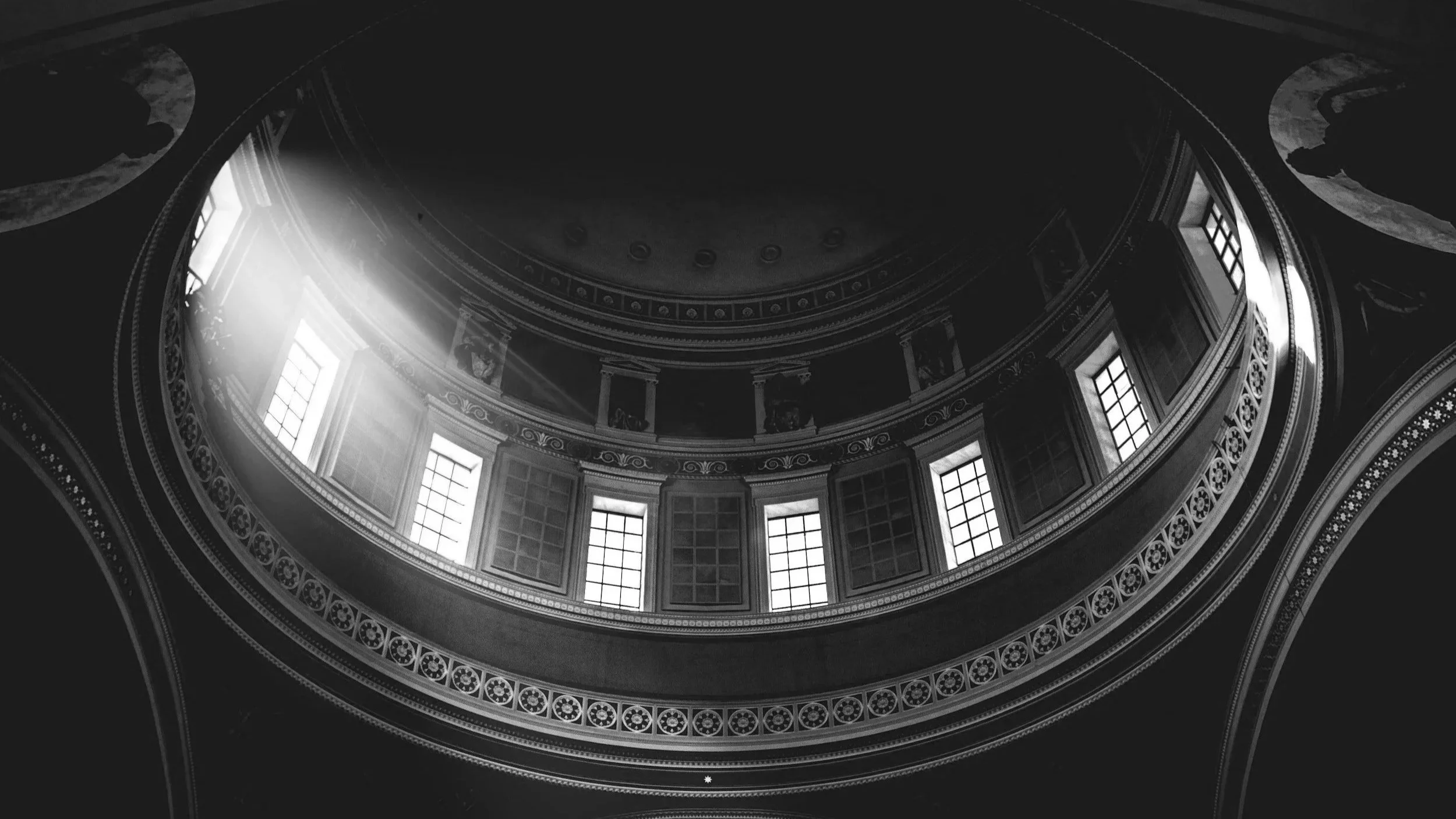
An architect spends years thinking about how light will move through a building before a single stone gets laid. A photographer usually gets an afternoon to figure that same thing out from scratch. Here is what architects already know that can close that gap.
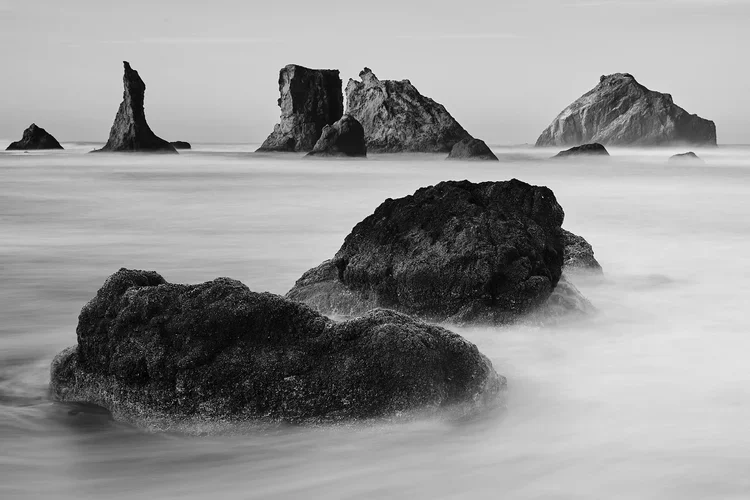
Most photographs put the viewer on the outside, looking in, the way you might look through a window at something happening on the other side of the glass. Some photographs do something different. They collapse that distance completely. Here is how to make your images do that.
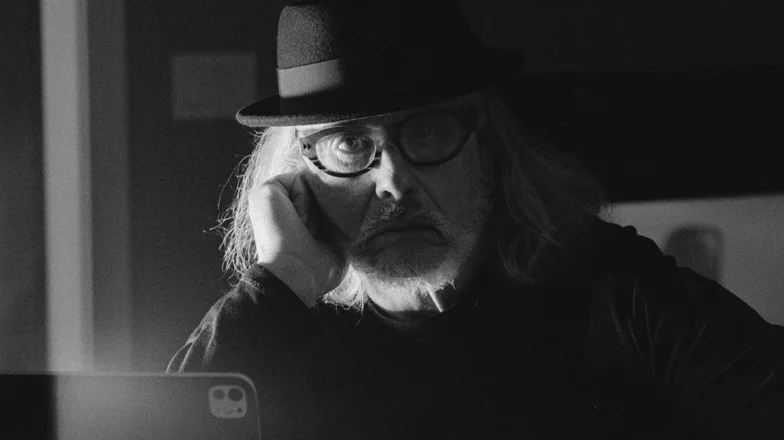
Edward Boches was pulled into photography by John Filo's 1970 image of a woman kneeling over Jeffrey Miller at Kent State, the entire story of a moment held in a single frame. He has spent his career chasing that same rawness, documenting amateur boxers, oyster farmers, Boston's homeless community, and neighborhoods in transition, always in collaboration with his subjects. We asked him about the Yankee fan who flipped him off, then handed him twenty dollars, and why he still hunts for moments instead of waiting for them.
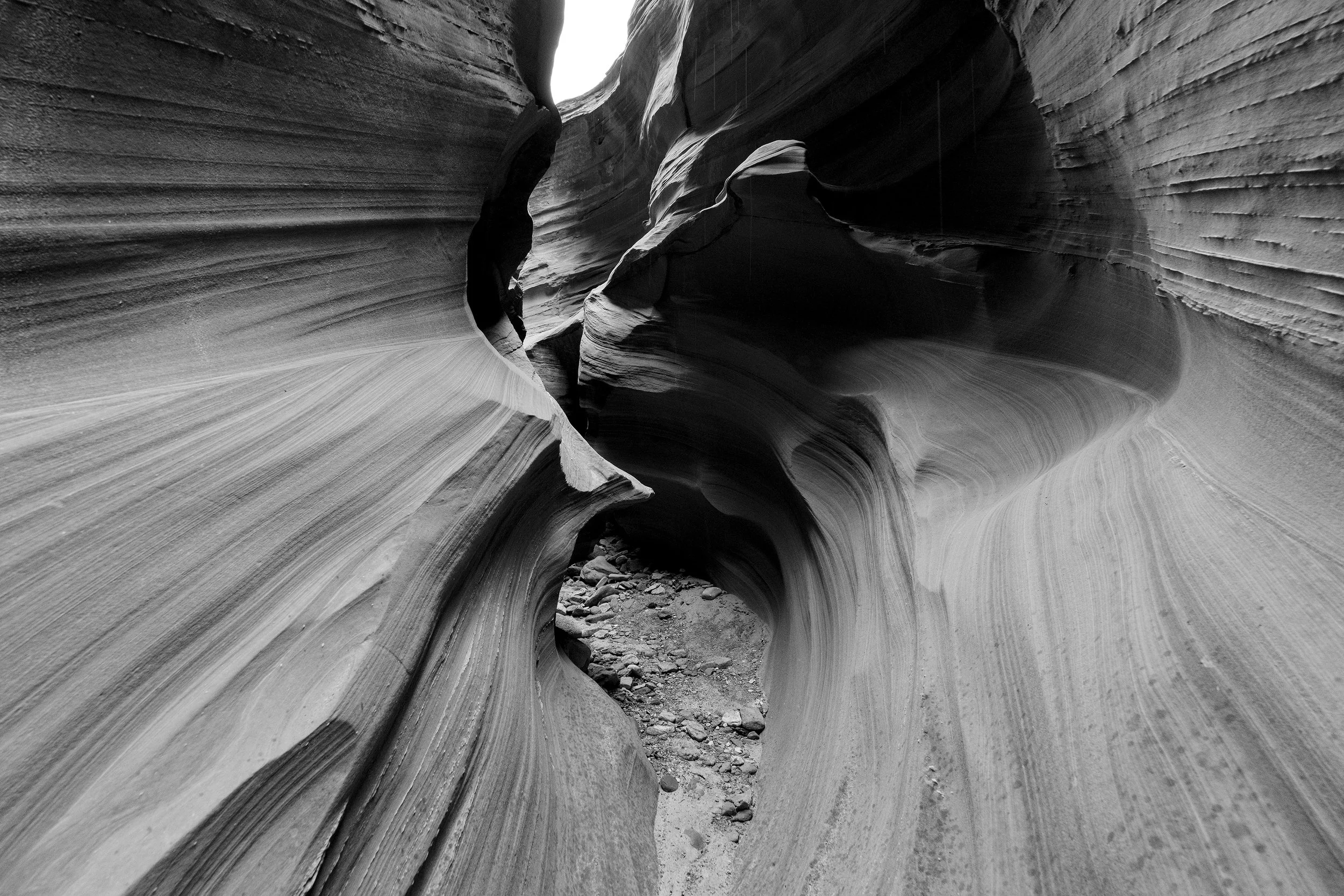
The Milky Way never showed. Two nights of clouds over the Vermillion Cliffs erased the whole reason for the trip. A dinner table tip about a quieter canyon and one last morning before flying home turned the loss into the shot that actually mattered.
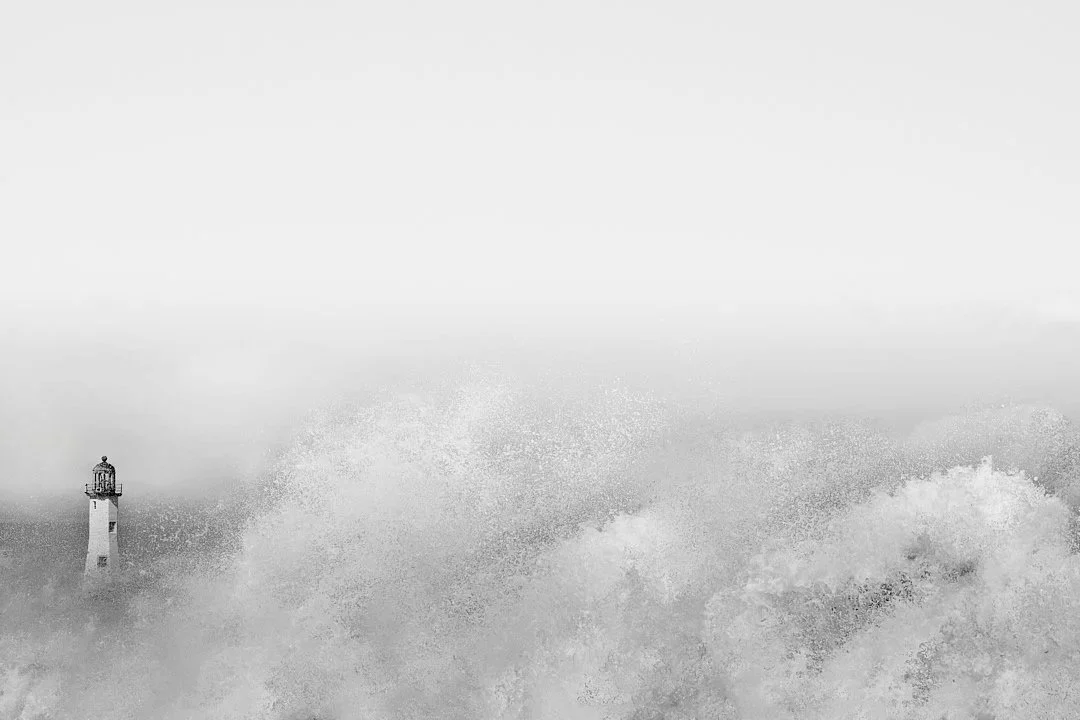
Rain starts, fog rolls in, or the snow finally begins, and most people pack up and head for the car. That instinct is costing you the best light of the day. Here is why the messiest part of the weather is worth staying for.
A heavier week than most, worth sitting with rather than skimming past. A retired tourist has spent three months behind bars for photographing a train, Sony has made a formal offer to acquire Tamron, a group of tourists sparked real backlash for a photo shoot at Auschwitz, and a wildlife photographer documented one of the rarest sights in the ocean, alongside a new exhibition and a fresh piece of lighting gear.
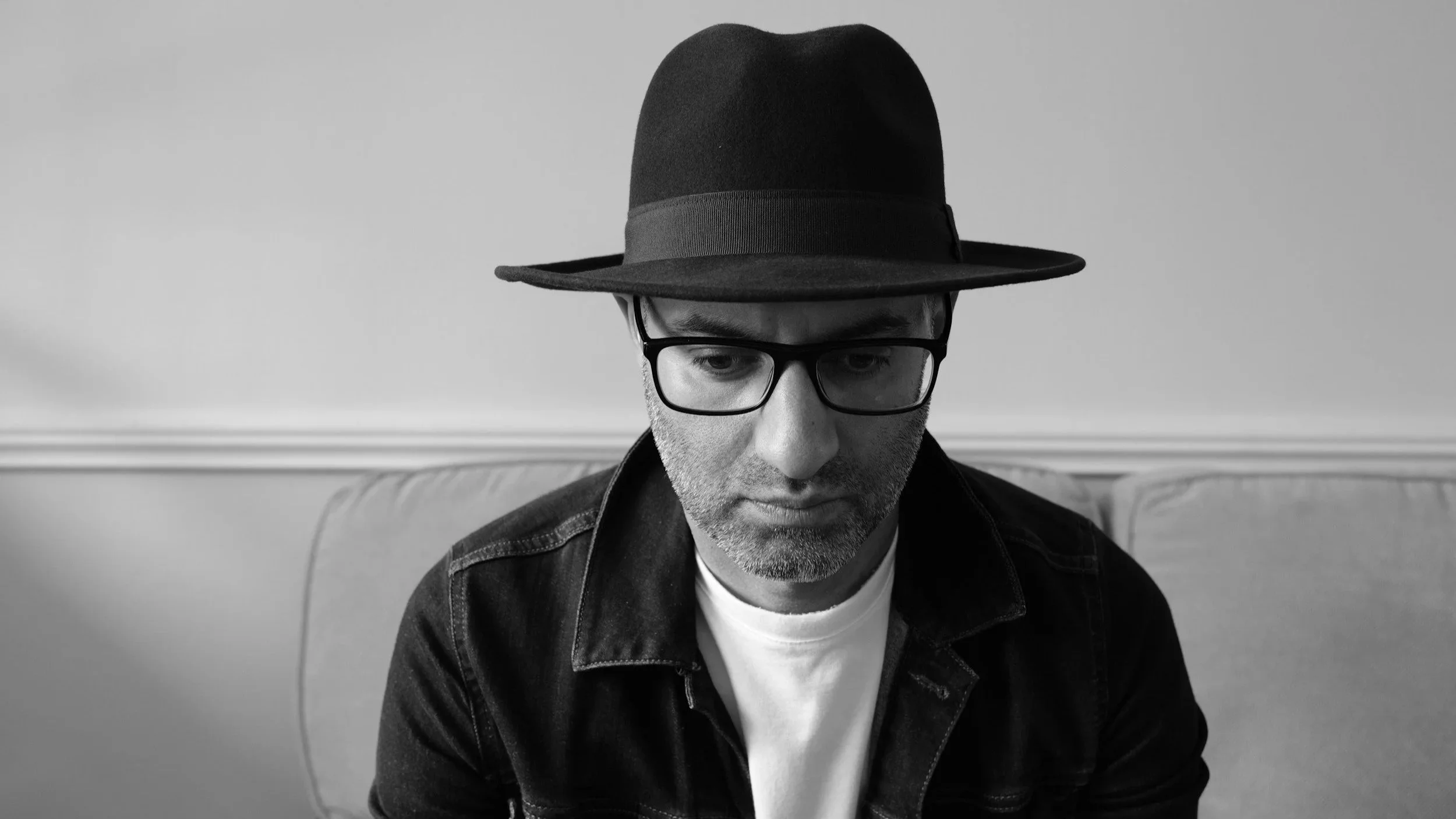
Every genre we've written about so far involves pointing a camera outward, at light, at strangers, at a place. Self portraiture reverses the entire relationship. Here is why that reversal is harder than it sounds, and why it might be worth taking seriously anyway.
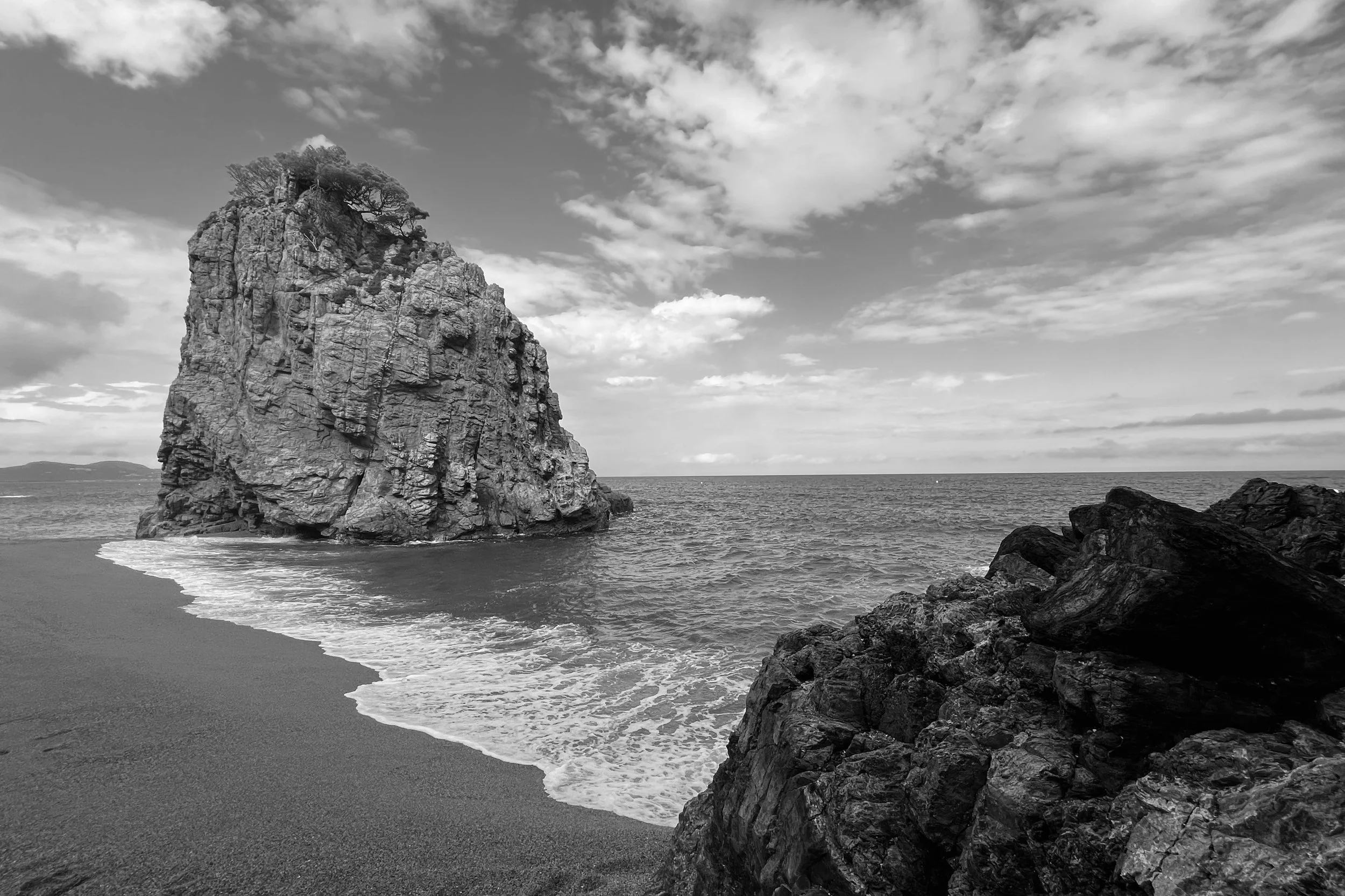
Every week we feature one photograph from the Collective and invite honest feedback from the community. No names attached, no backstory beyond what the photographer was trying to achieve. Just the image, open for genuine critique.
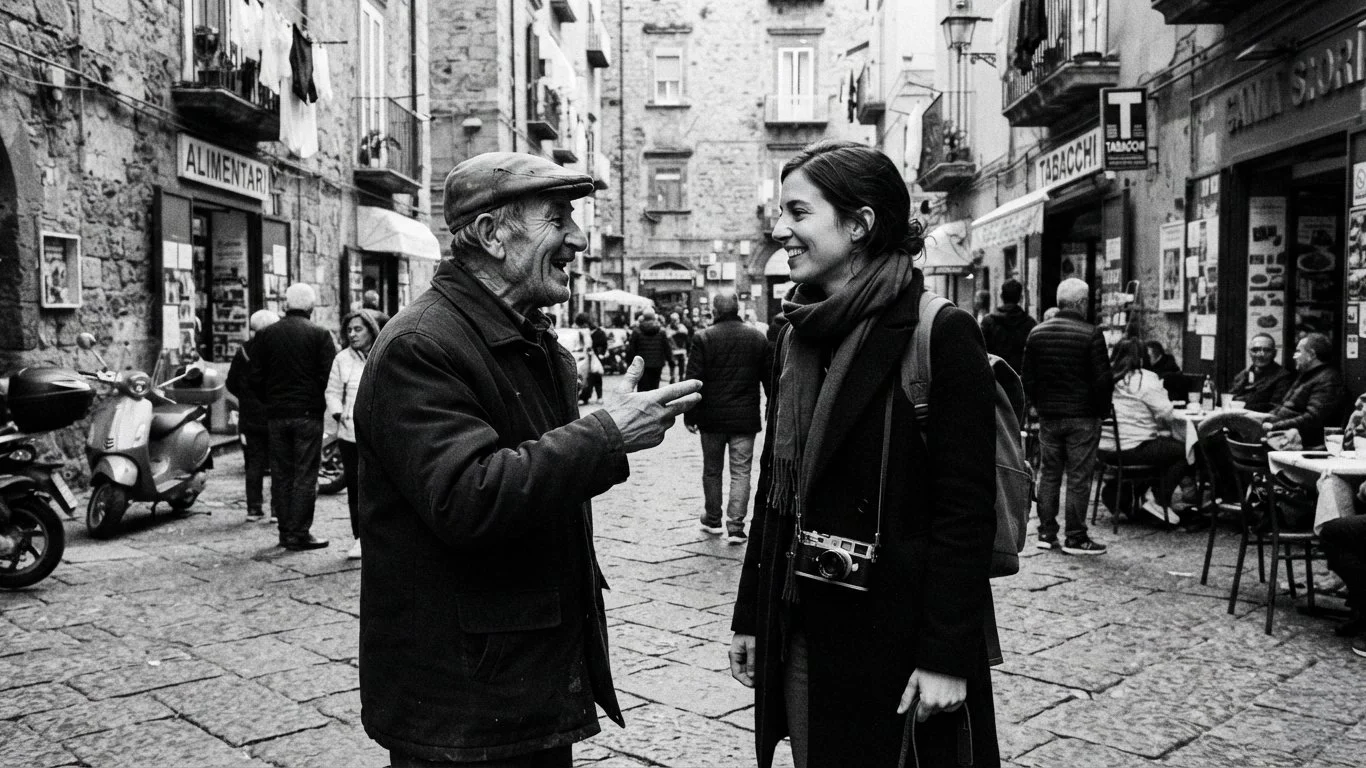
Several of the strongest photo stories we have published here happened because a photographer had someone local vouching for them. A fixer is the formal version of that relationship, and it is far more accessible than most photographers assume.
We wrote before about why committing to a project produces depth that reactive shooting almost never reaches, and promised a follow up with somewhere to actually start. Here it is, along with a real look at how one photographer's project came together one visit at a time.
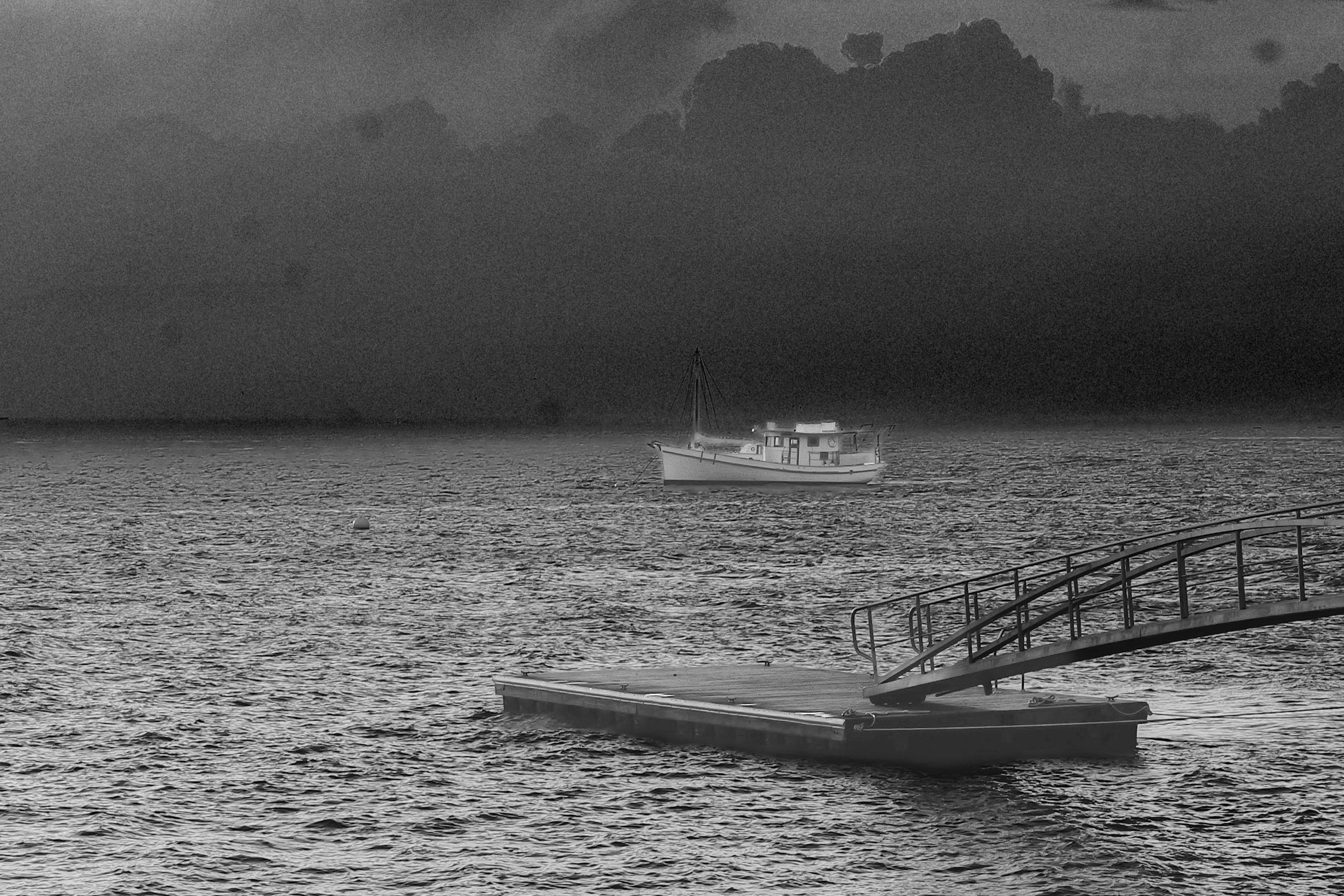
David Clark has a modest summer home on a small island in Maine, and he has spent years trying not to make the average tourist photo there. When fog rolled in over the water one day, his first instinct, a diffuse sun shot, didn't jazz him at all. It was the frame he almost dismissed, a white trawler moored beside a dock, that turned into something worth the work.
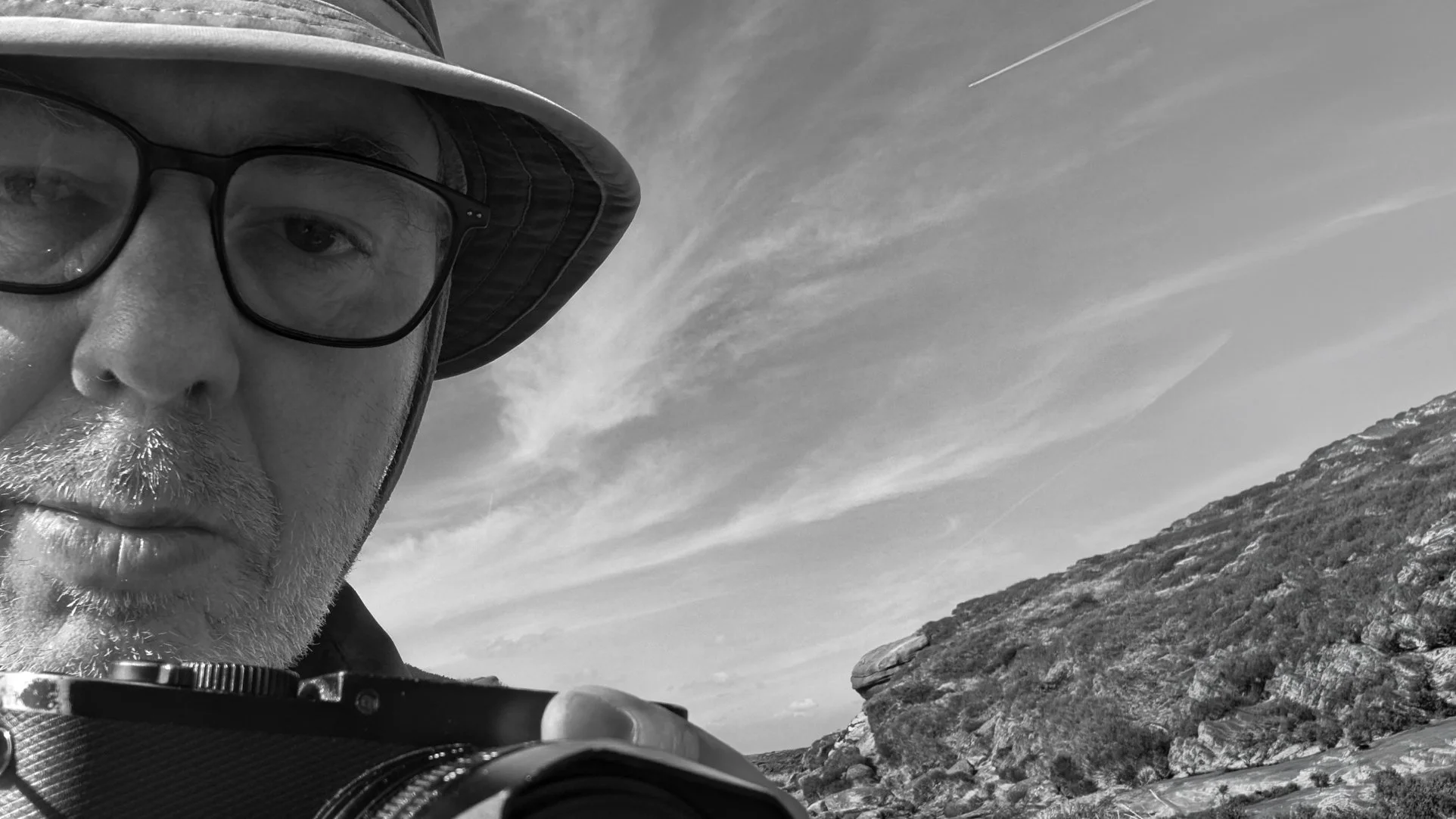
Andrew Griffiths has been photographing since he was four or five years old, carrying a bakelite Brownie camera through the Pennine hills long before his mother ever bothered loading it with film. He shoots the whole river catchment now, from moorland headwaters down to the crowded center of Manchester, almost always with a single fixed lens Leica Q and never a plan. We asked him about storytelling over single images, the darkroom he still misses, and the piece of advice he wishes someone had given him at the start.
A Ukrainian military photographer captured the exact moment a drone strike detonated, tourists at Yellowstone risked their lives walking across a boiling hot spring for a photo, new research raises real concerns about AI editing and wildlife photography, and Godox rounds out the week with two genuinely interesting budget releases.
Alex spent a week trying to find the right words, the right approach, the right script for asking a stranger to be photographed. None of it worked until Alex stopped trying to find the right words at all.
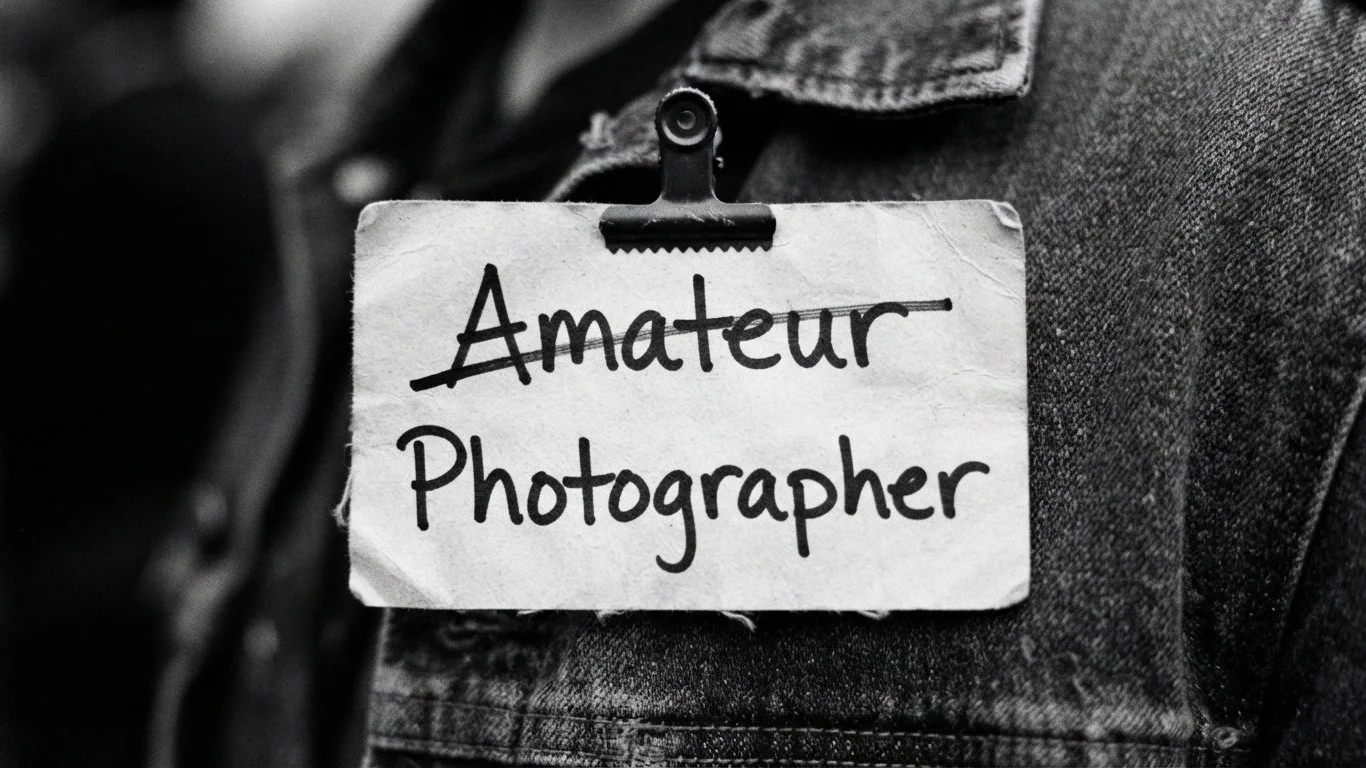
So many photographers use the word right there in their social media bio. Amateur. It's meant as a disclaimer, a way of managing expectations before the images even speak for themselves. The word was never supposed to carry that weight, and neither should you.
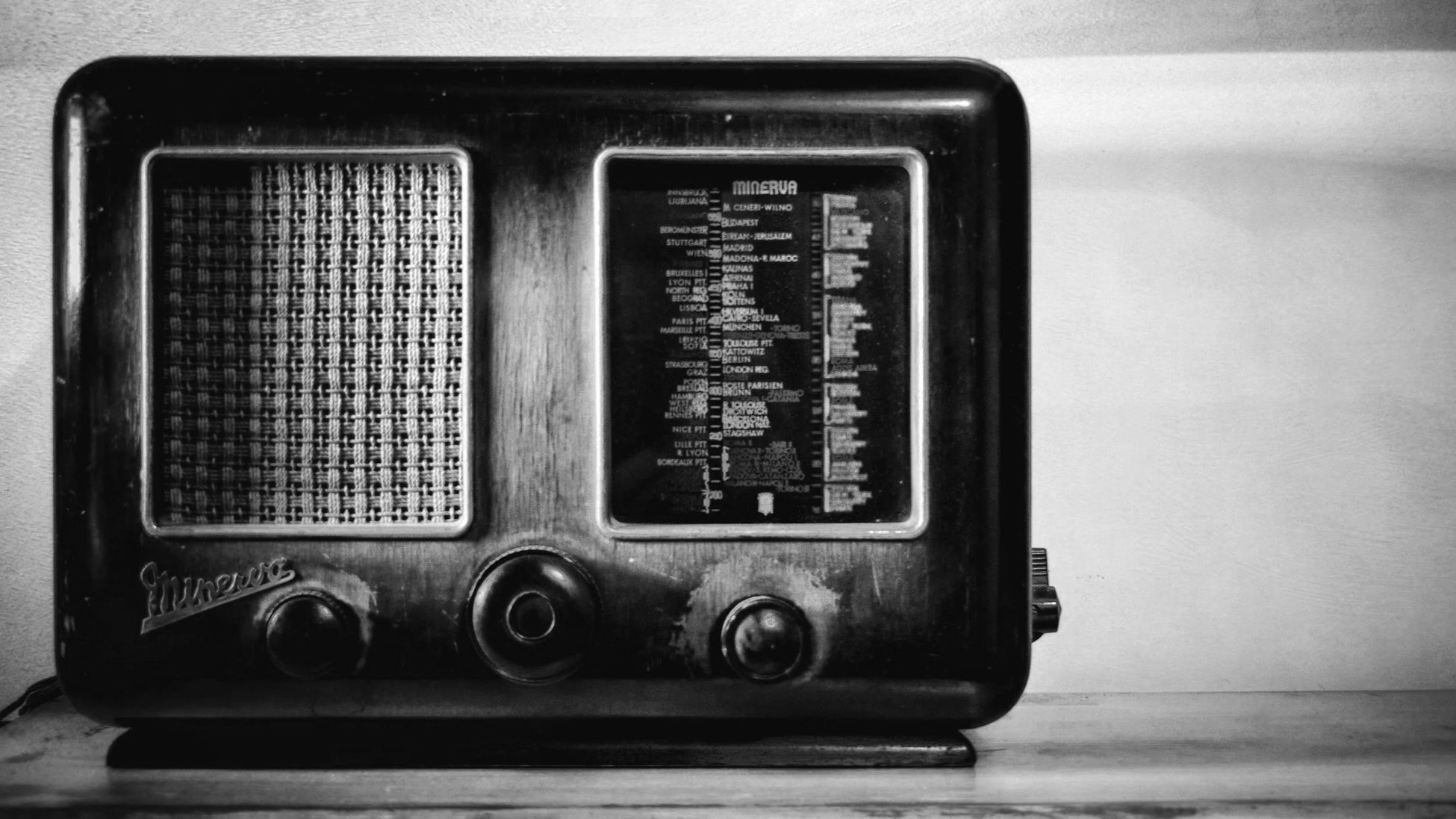
We already wrote about the noise inside your head, the kind that keeps you from seeing anything worth photographing in the first place. This is about the other noise. The kind sitting right there in the frame, competing with your subject for the exact same attention you're asking a viewer to give it.
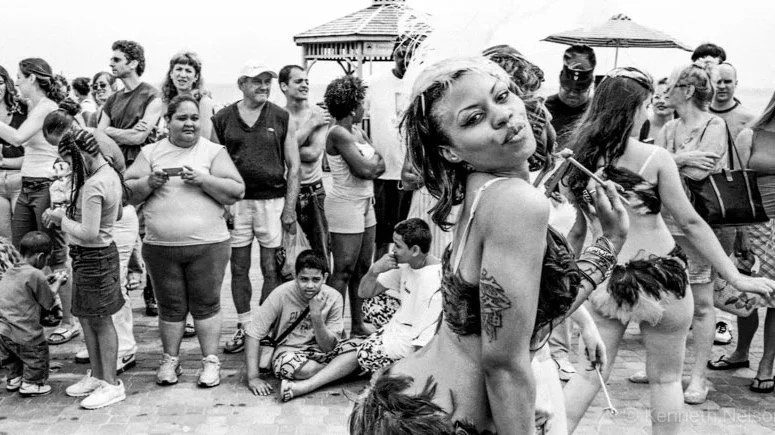
Kenneth Nelson had one goal on June 26, 2004. Document the Mermaid Parade. Then the music found him first, and it never really let go. Eighteen years and more than six thousand photographs later, he is still trying to figure out which single face captures what happens on that boardwalk.
A genuinely rich week. We lost a pioneering photojournalist, a Dorothea Lange archive has been made public for the first time, a photographer is suing a well known artist over alleged image appropriation, and a new biography uncovers a photographer whose second career was espionage.
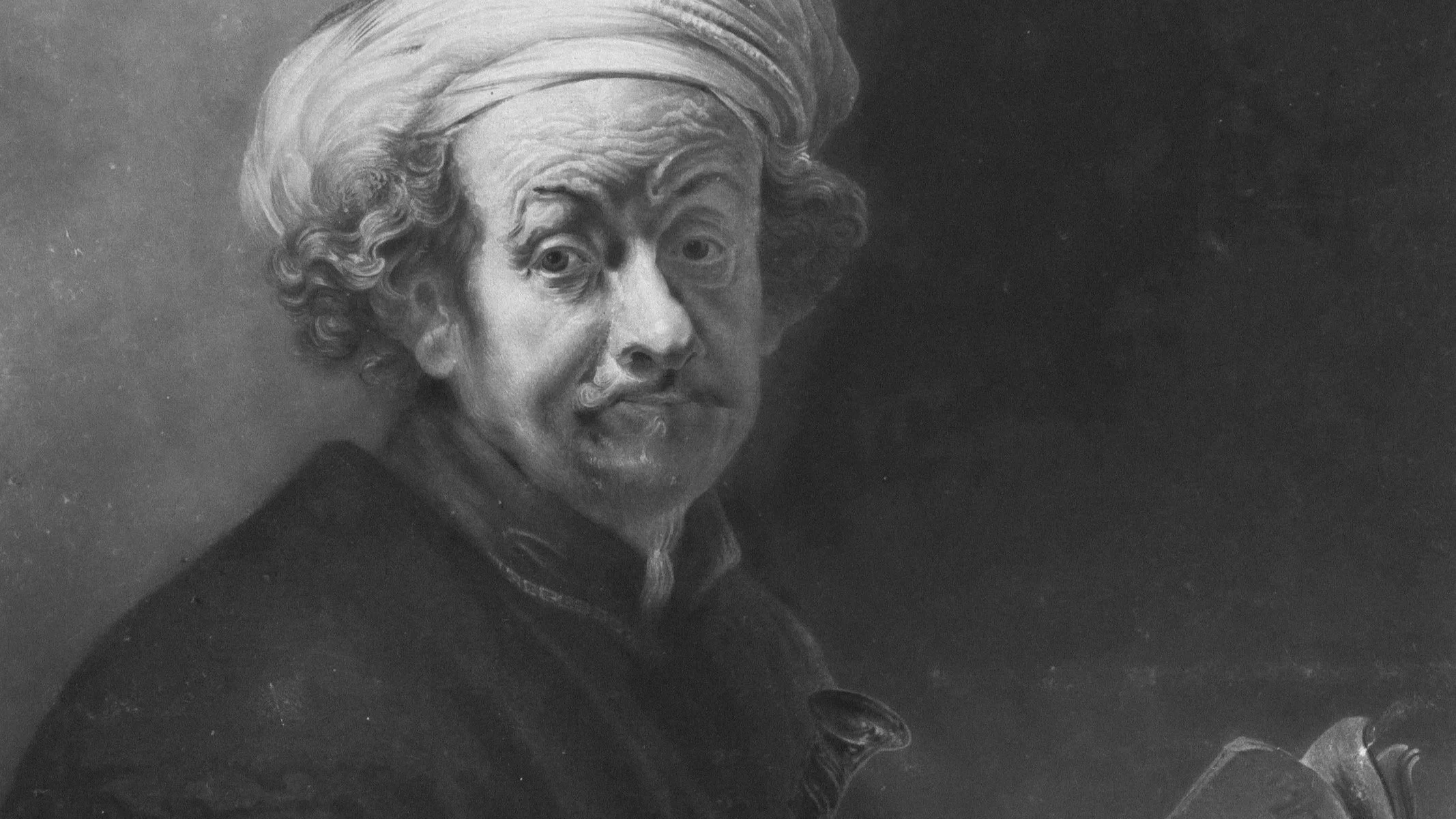
Long before anyone pointed a camera at a face, painters were solving the exact problem every portrait photographer still faces. How do you make a flat surface hold the weight and depth of a real human face using nothing but light and shadow. Rembrandt solved it so well that photographers are still using his name for it.
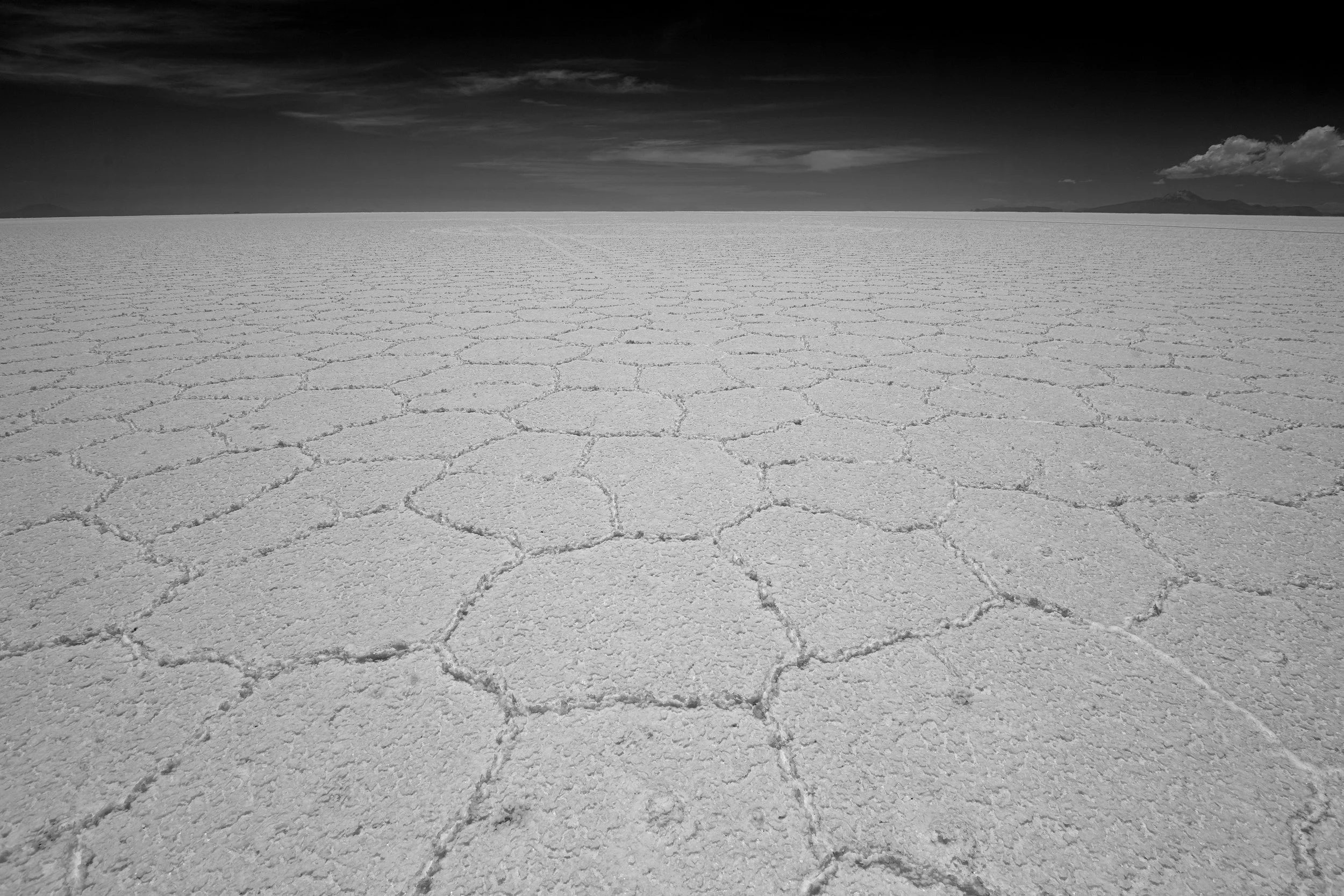
Rakesh Subramanian doesn't remember which book first put the Bolivian salt flats in his head. He just remembers the feeling, and how many years he carried it before his wife's fortieth birthday finally made the trip real. He injured his back crossing the border, felt the altitude at nearly sixteen thousand feet, and walked out into it anyway, both cameras in hand, every single time they stopped.
 The Monochrome Collective
Darren Pellegrino is a working photographer and the founder of The Monochrome Collective. He believes that black and white photography is not a style, it is a discipline. One that forces you to see light, shadow, and composition with absolute clarity. The Monochrome Collective was built for photographers who share that obsession and who are ready to trade the algorithm for real creative connection.
A Beginners Guide To Black And White Photography