
The Monochrome Minute
The Monochrome Minute is an article series to help you master the art of black and white photography. Whether you’re a beginner exploring light and shadow or an experienced shooter refining your style, our posts offer guidance on seeing in monochrome, capturing mood, and creating images that truly stand out.
Featured Articles







ORIGINAL ARTICLES
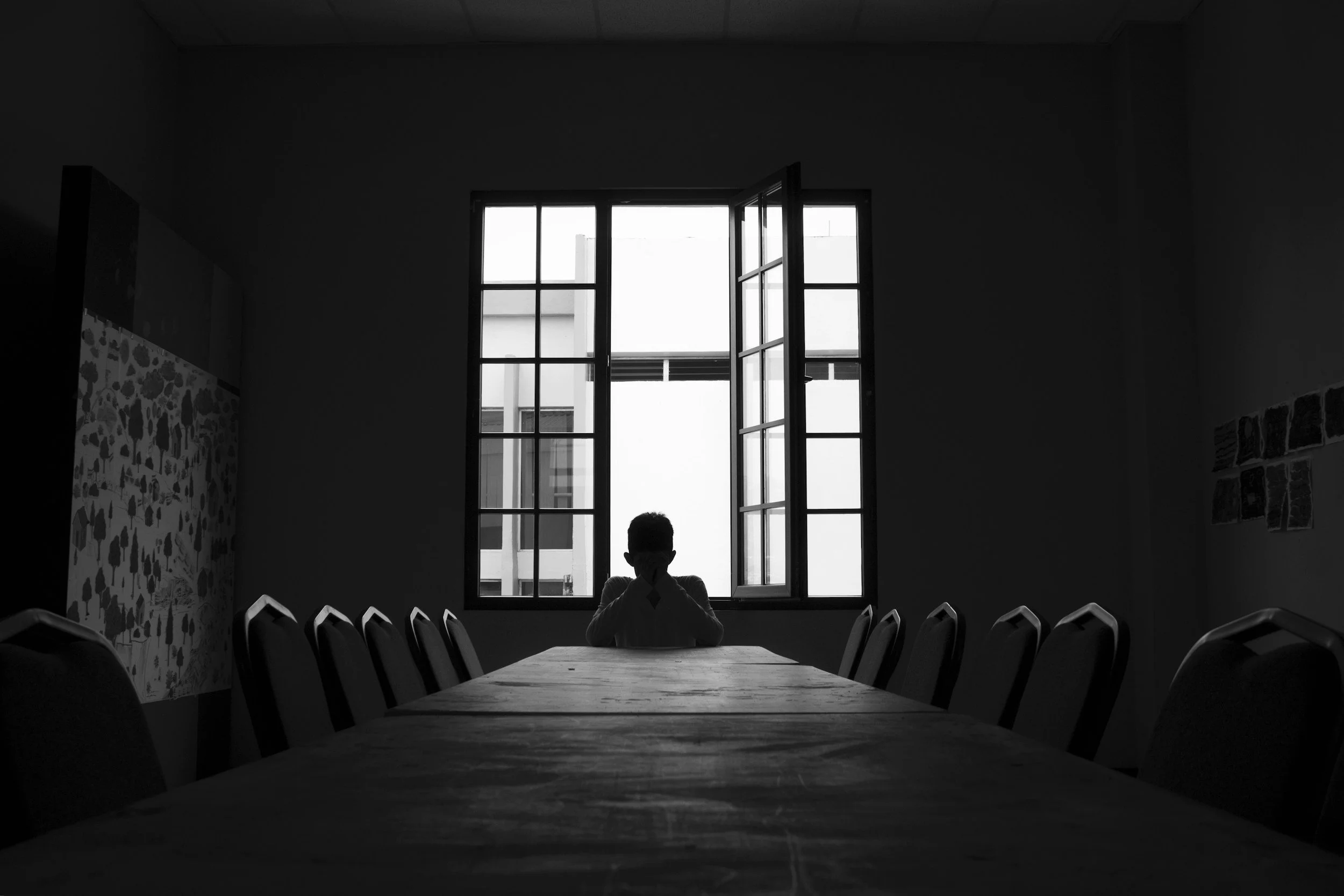
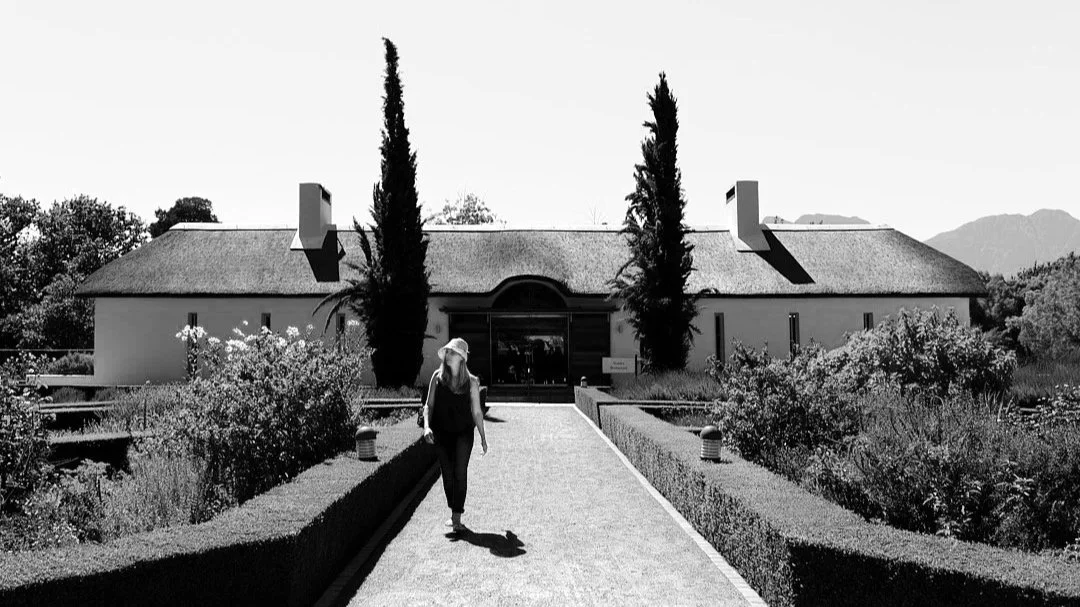
“I'm just not feeling creative”
It happens to all of us, from seasoned pros to enthusiastic amateurs. You look at your camera, your gear, or a blank canvas, and... nothing. The spark is gone. The world, through your lens, feels dull, repetitive, and uninspiring. When this feeling hits that heavy, uncreative rut it’s important to remember that it is temporary.
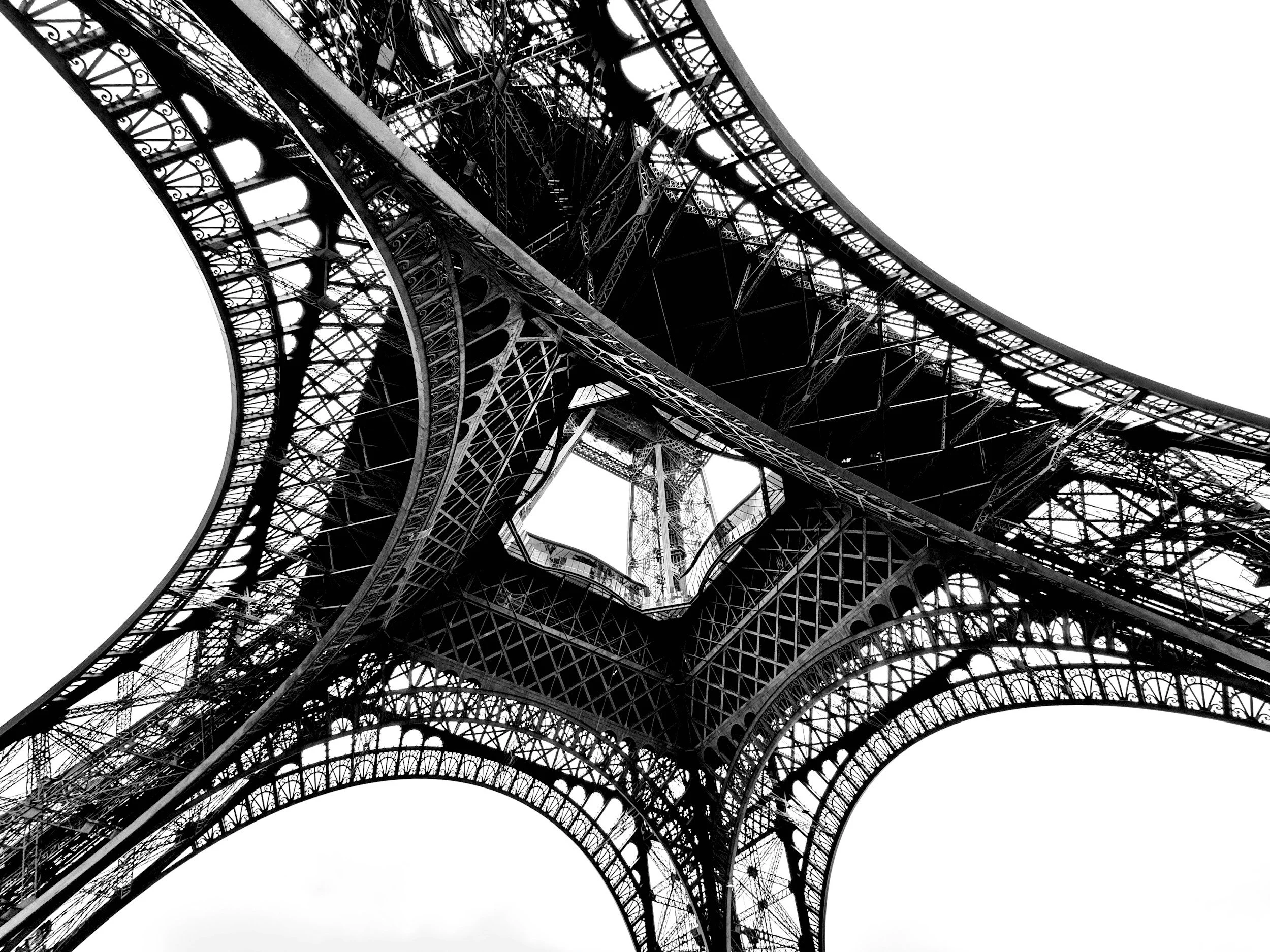
Paris Photo 2025 Recap: Key Highlights from the World’s Premier Photography Fair
Paris Photo 2025 brought together the world’s best in photography, from historical masterpieces to cutting-edge digital work. Highlights included the rise of posthumous prints, Sophie Ristelhueber’s striking installation, and Jack Davison’s intimate portrait marathon. With greater diversity and innovative digital projects, the fair reaffirmed photography’s global influence and evolving creative potential.
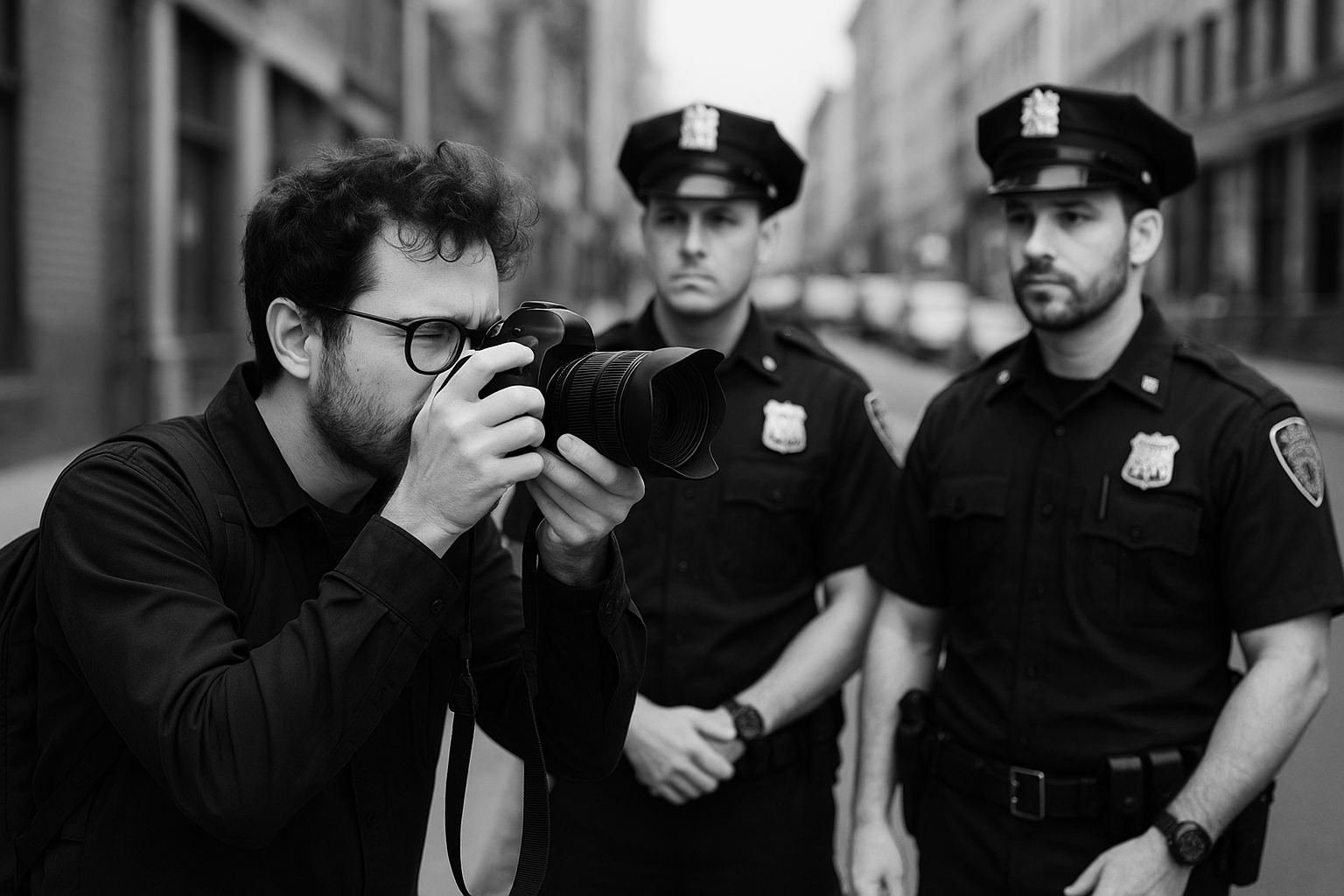
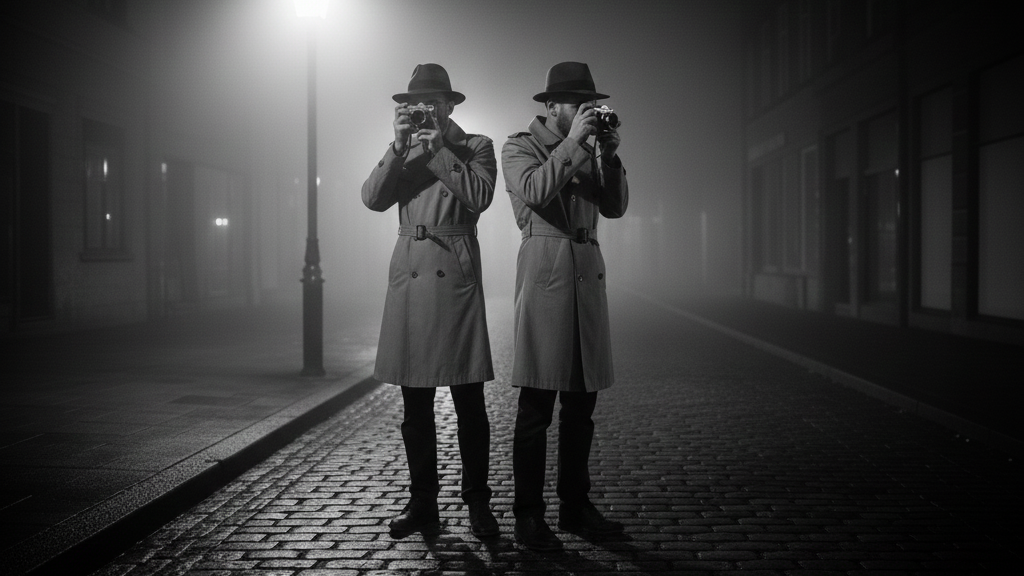
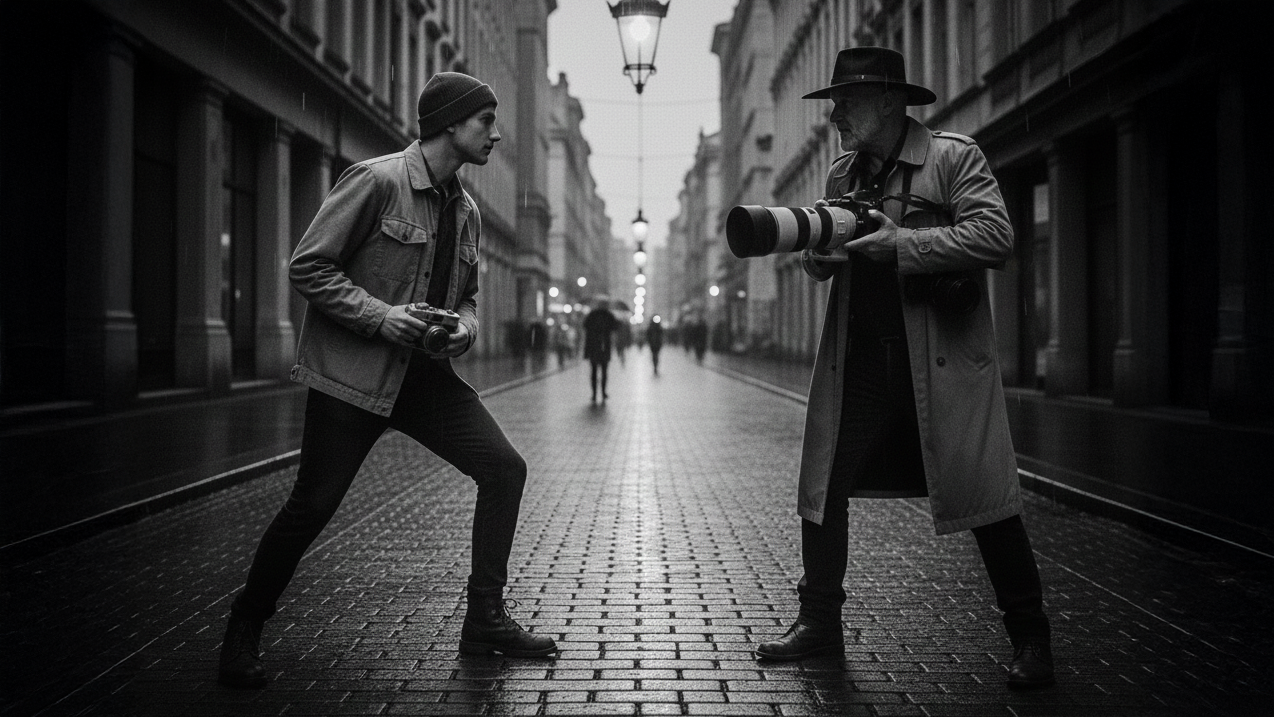
Street Photography Can Get You in Trouble Here’s How to Avoid
Street photography is thrilling but it can also draw unwanted attention. Learn the key strategies to stay safe, respect your subjects, and keep capturing the moments that matter without running into trouble.
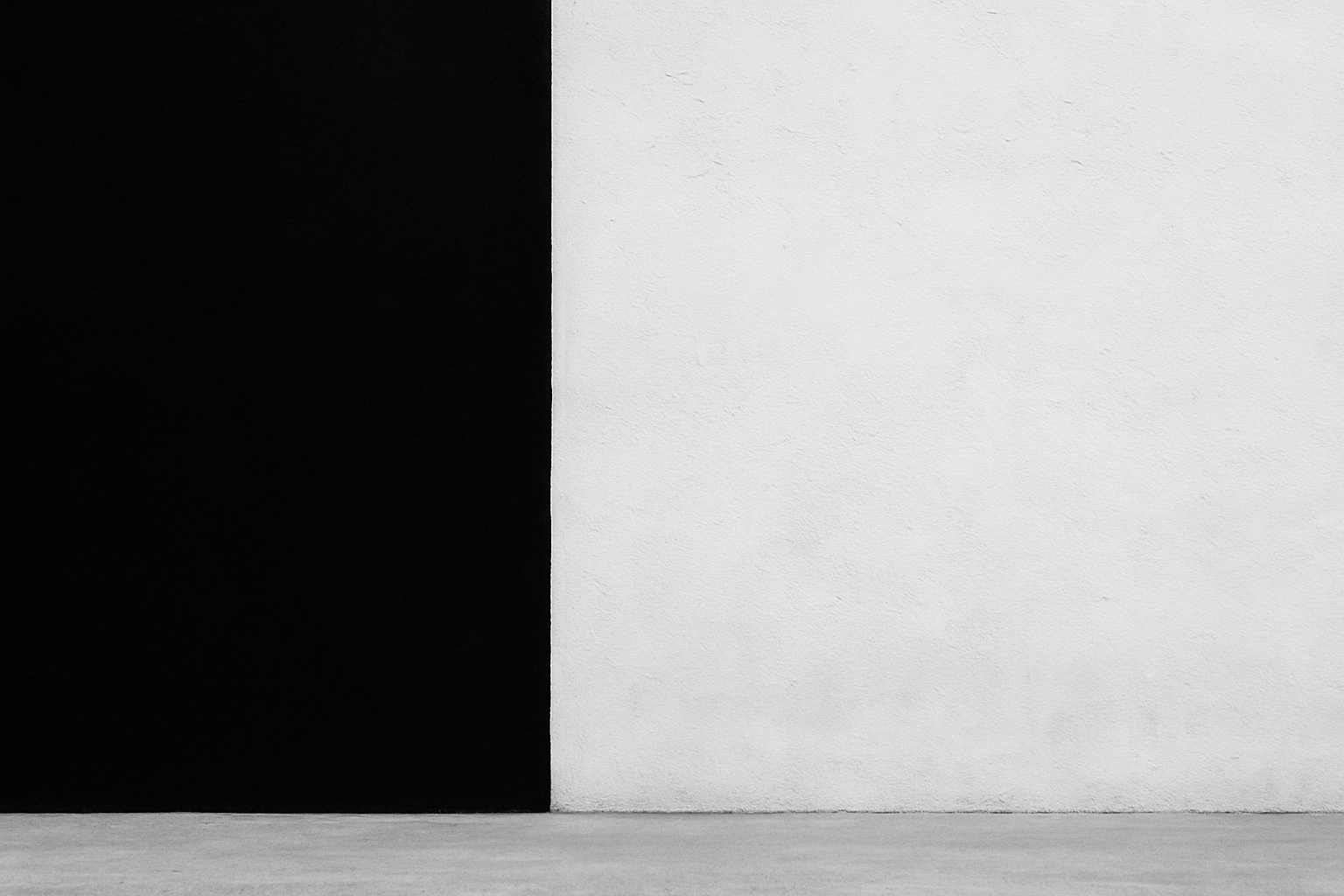
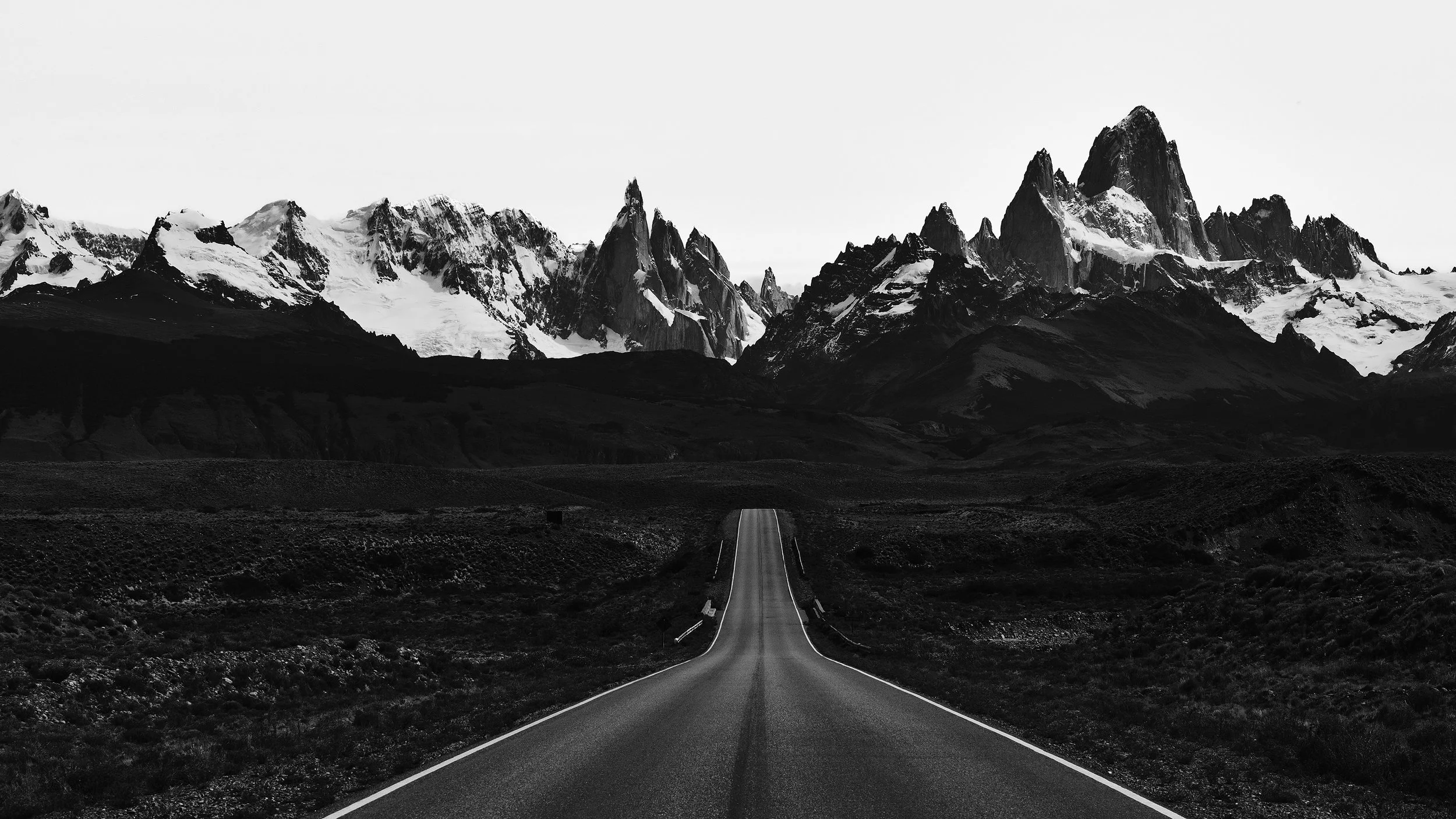
3 Creative Boundaries That Can Elevate Your Photography
Sometimes doing less is the key to seeing more. By imposing simple creative boundaries like shooting with one focal length, committing to a single orientation, or staying within a small geographic area you can sharpen your vision, deepen your compositions, and elevate your monochrome photography.
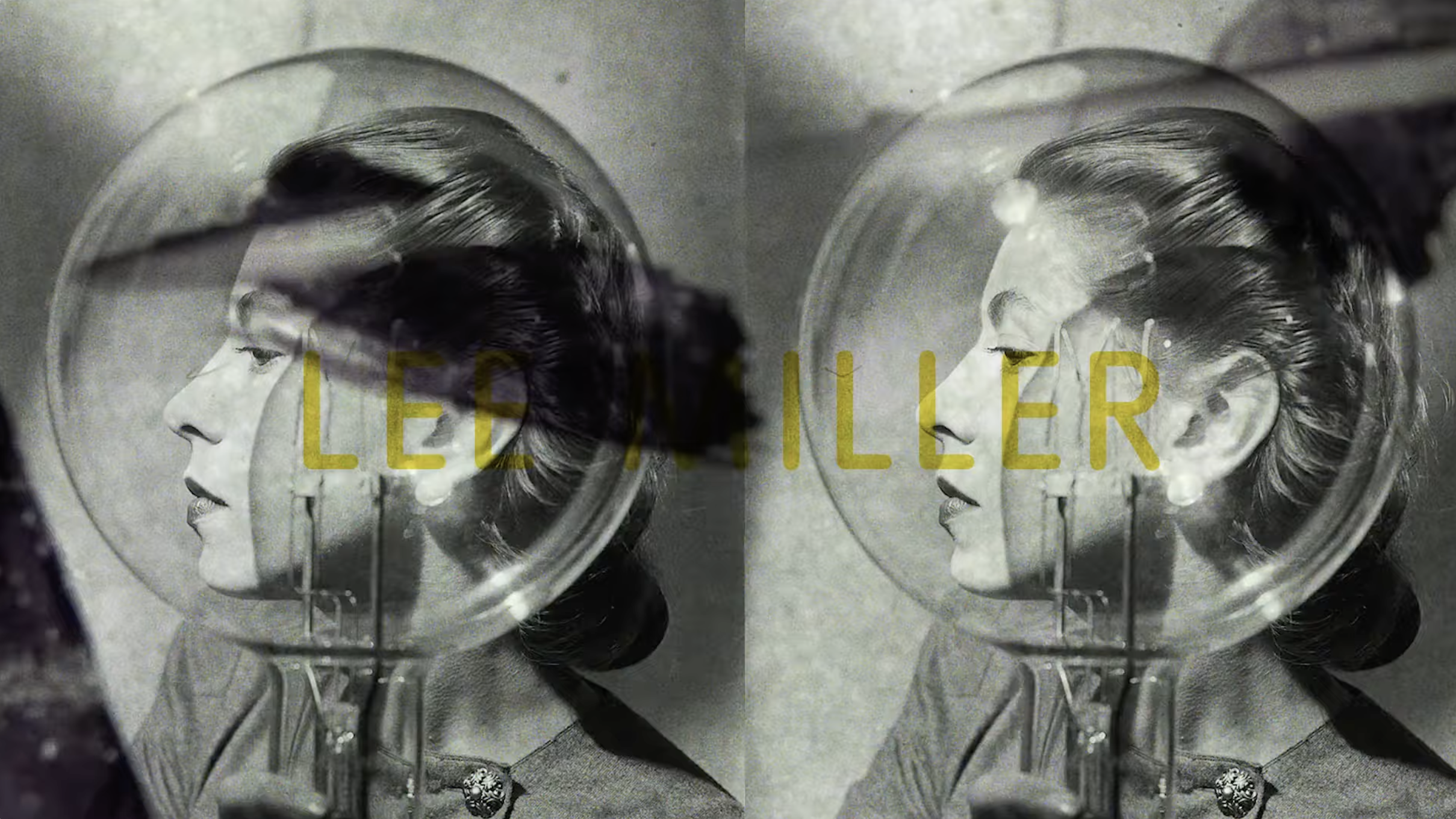
Exhibition: Visionary Photographer Lee Miller
Lee Miller was never just one thing model, surrealist, war correspondent, artist. Her work cuts across eras and expectations, revealing a photographer who constantly reinvented herself to match the world she was witnessing. With a major exhibition now on view at Tate Britain, there’s no better moment to revisit her astonishing range, from surrealist experiments in Paris to uncompromising images of wartime Europe. This post explores her legacy and why this exhibition matters.
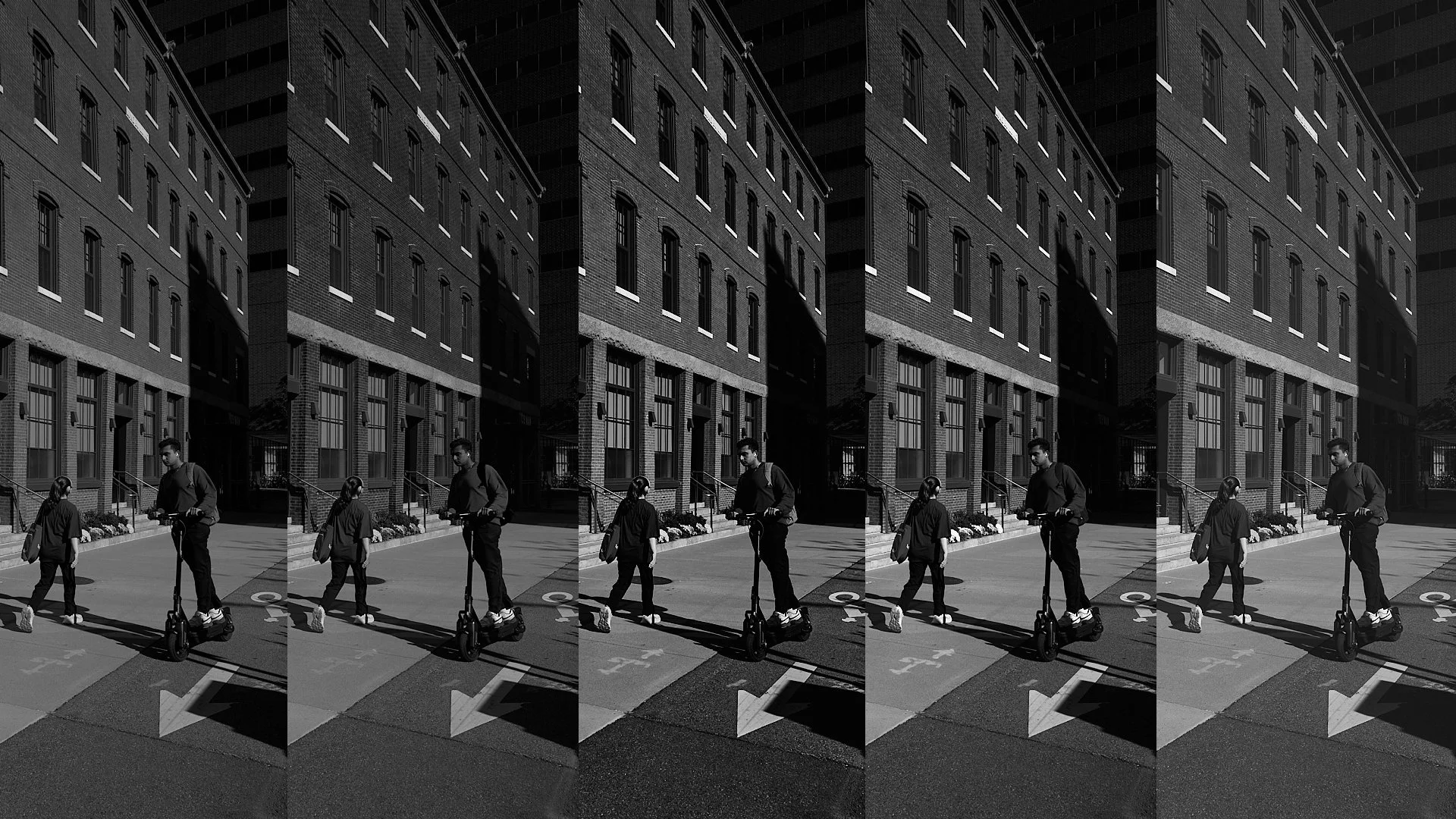
5 Ways to Edit Your Monochrome Images
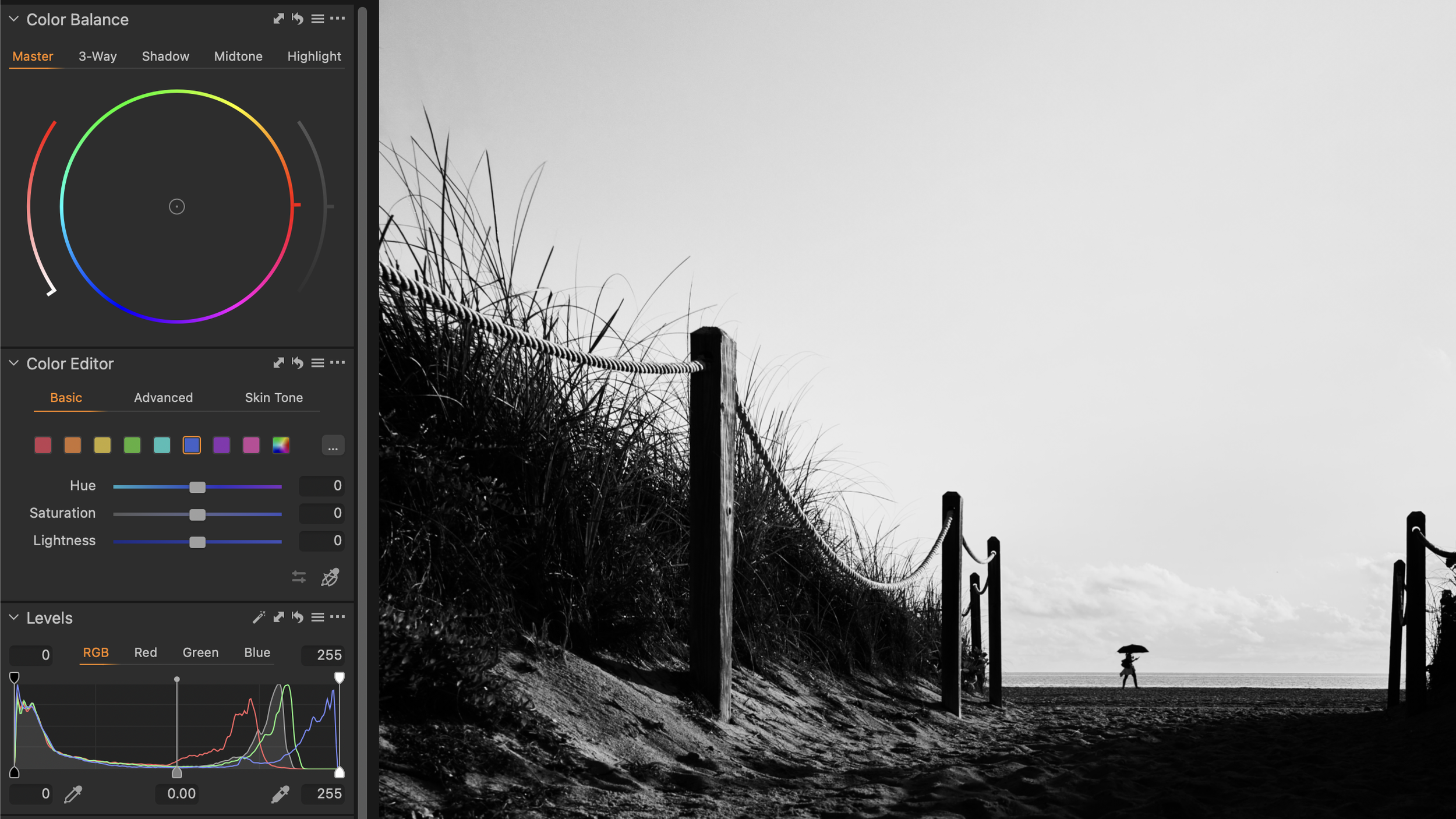
Converting a color photograph to black and white is more than a simple desaturation it’s about shaping tone, texture, and mood. In this post, we explore five powerful methods for editing your monochrome images in Lightroom and Capture One, from quick adjustments to film-inspired transformations, giving you full creative control over your black-and-white photography.
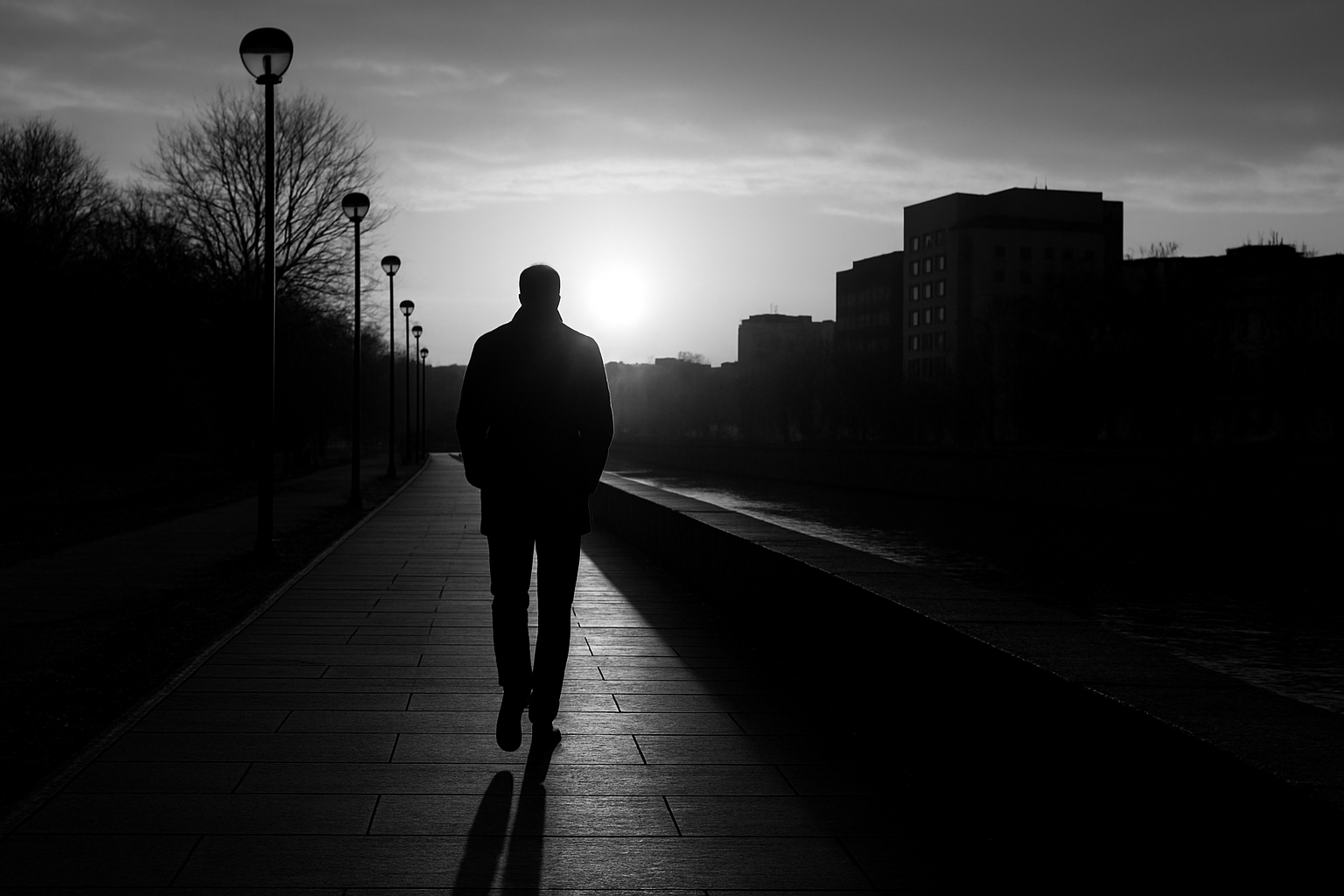
Does Golden Hour Matter for Monochrome Photography?
Golden hour is famous for its warm tones but in black and white, warmth doesn’t matter. This post explores how the light of sunrise and sunset still shapes tone, depth, and mood in monochrome photography even without color.

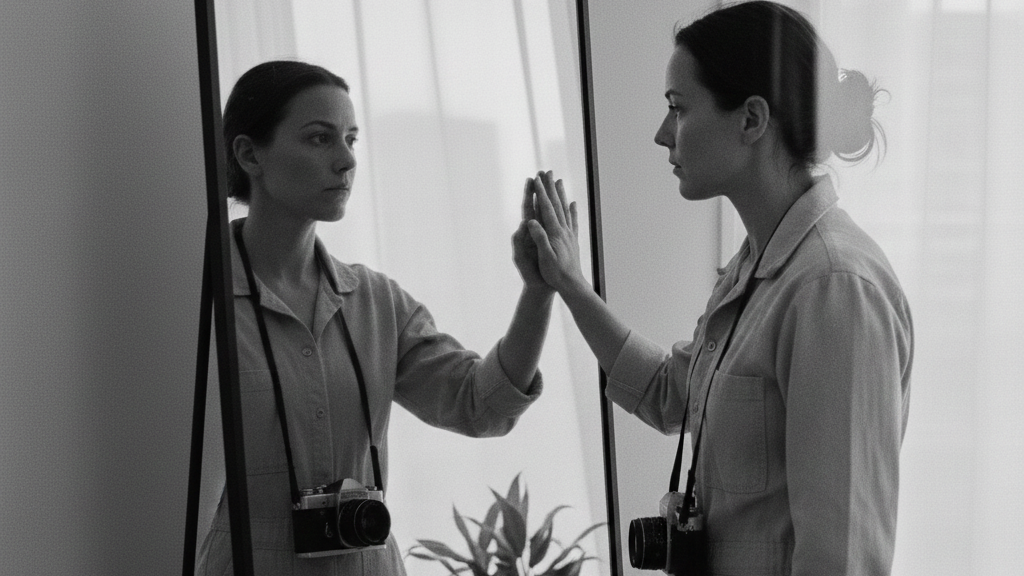
Photography Rules: tools for seeing? or cages for creativity?
The rules of photography weren’t born with the camera they were borrowed from painters. Knowing where they came from helps us understand when to use them, and when to move beyond them.
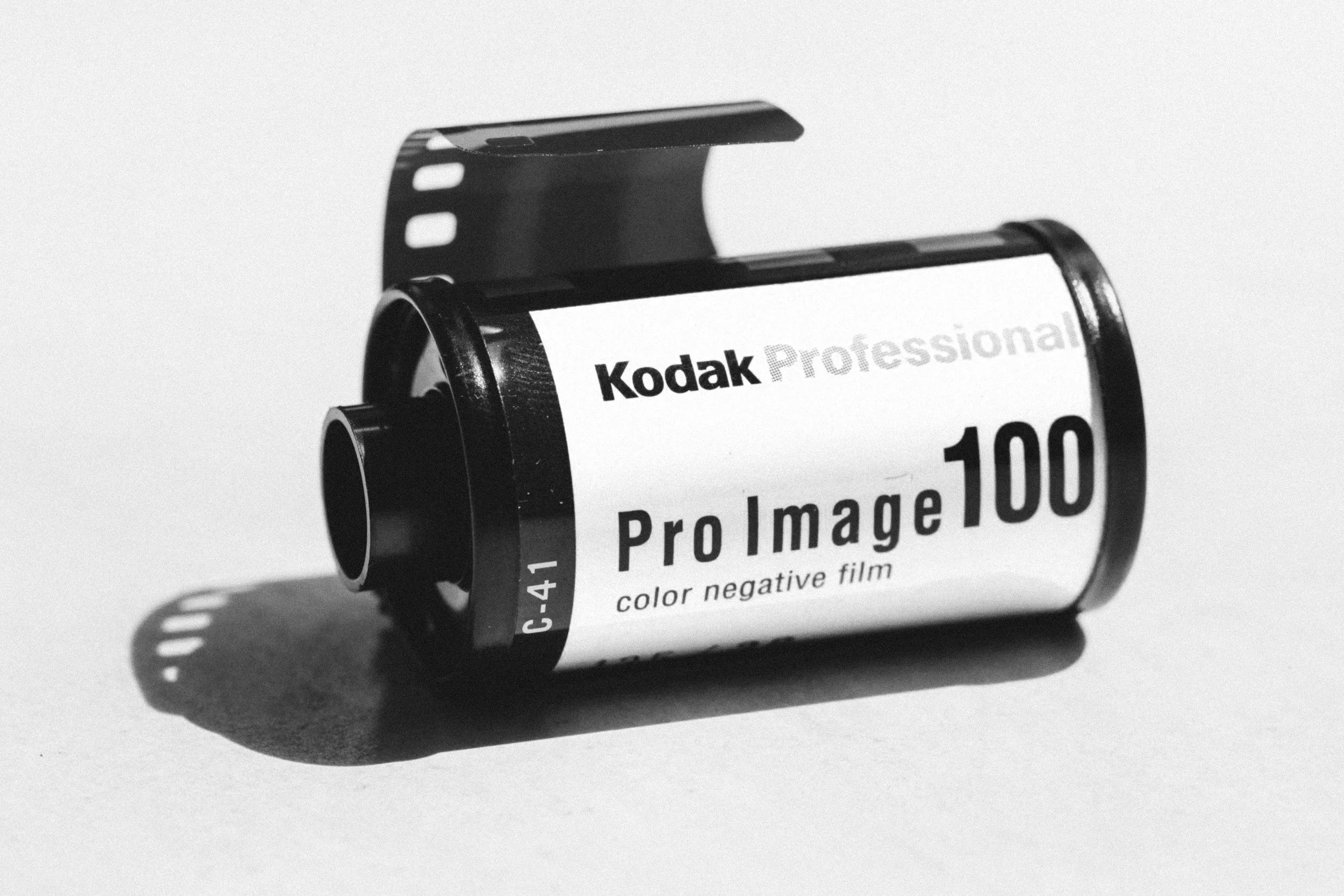
Can kodak Make a Comeback?
Kodak is making film again and trying to make sense of its place in a digital world. From the hum of reawakened coating machines in Rochester to new ventures in advanced materials and pharmaceuticals, the company’s comeback is both nostalgic and forward-looking. It’s less a return to glory than a testament to resilience.
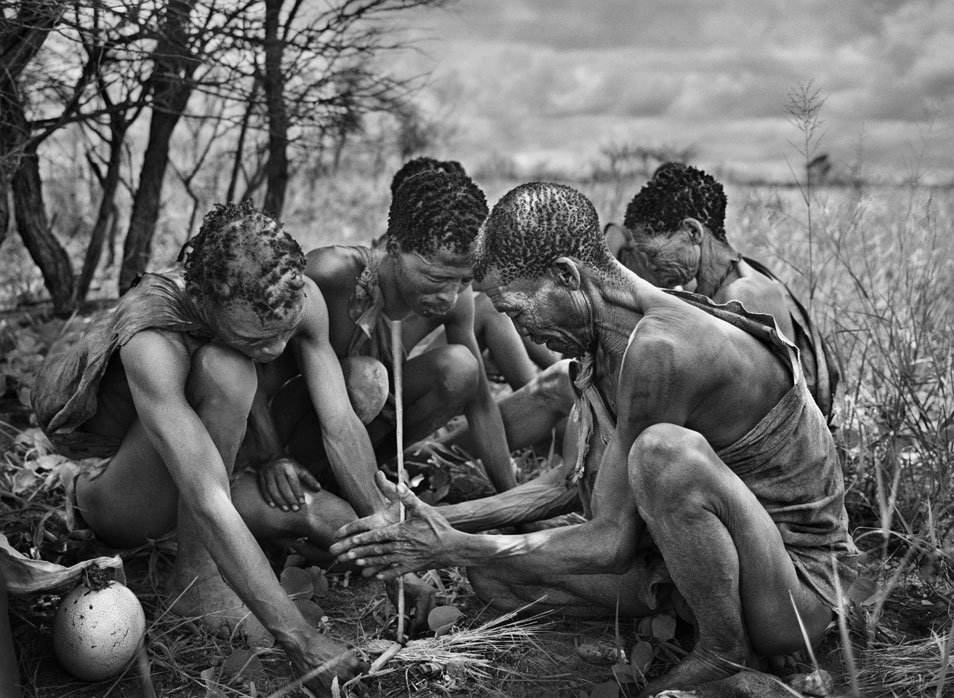
“The More I See, The Less I Need”
Sebastião Salgado, one of the world’s most celebrated documentary photographers, believed that clarity in photography comes not from adding more, but from seeing deeply and stripping away the unnecessary. His black-and-white images, from Workers to Genesis, show that meaning emerges in what is left behind. For Salgado, the more we observe, the less we need and in that simplicity, the truest message is revealed.
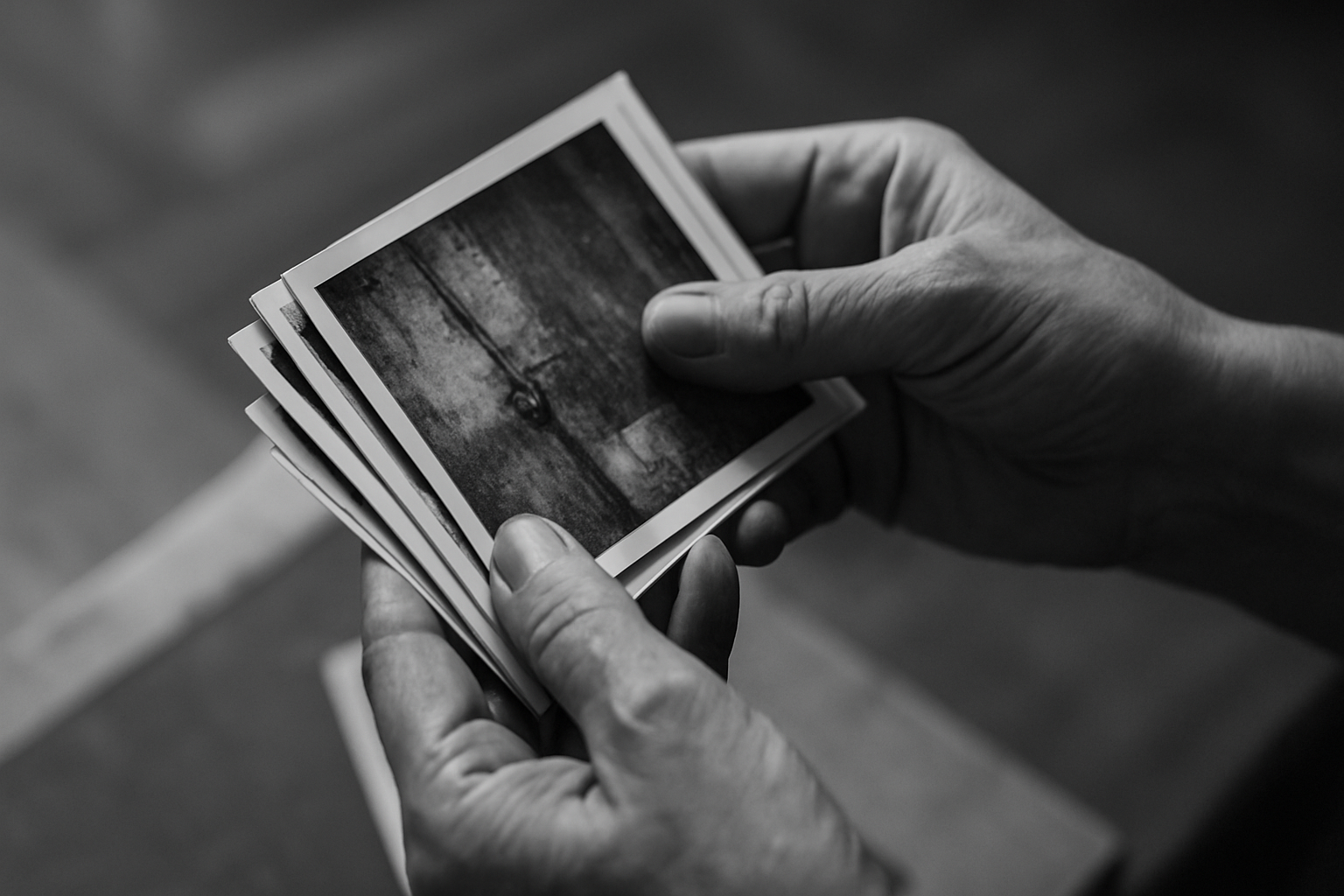
Preserving What Matters in a World That Scrolls
In a world that scrolls endlessly forward, even beauty becomes temporary. We create, we share, and then we watch our work sink beneath the next wave of newness. But preservation isn’t nostalgia it’s an act of care. To look back is to remember why we began, and to keep alive the quiet things that time tries to erase.
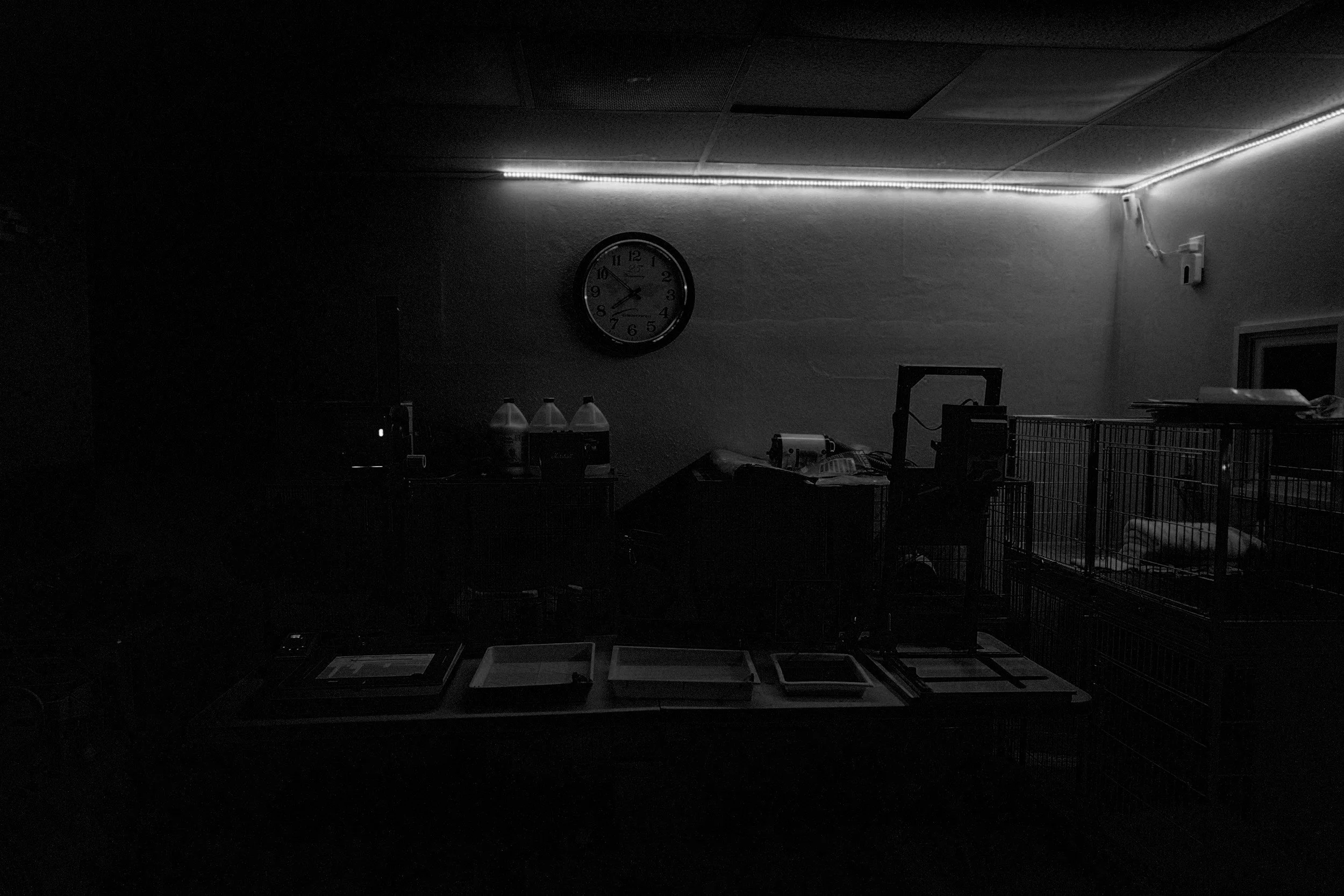
Lessons from the Darkroom
The darkroom taught more than chemistry it taught patience, presence, and the art of slowing down. Even in the digital age, those lessons remain. To see deeply, you must print, wait, and work by feel. Photography may have left the darkroom, but the darkroom never really left photography.