
The Great Monochrome Debate
Light gives a photograph its soul. Composition gives it its bones. The truth is, you can't have one without the other.
In the world of the Monochrome Collective we often find ourselves debating the technicalities of our craft. One of the most common questions that comes up in our workshops and online forums is whether light or composition is the more important element in black and white photography. It is a fascinating topic because unlike color photography where a vibrant sunset can sometimes save a poorly framed shot monochrome leaves us with nowhere to hide. We are left with only the bare essentials of the visual language. When you strip away the hues and the saturations you are essentially looking at the skeleton of an image. So which of these two pillars deserves more of your attention?
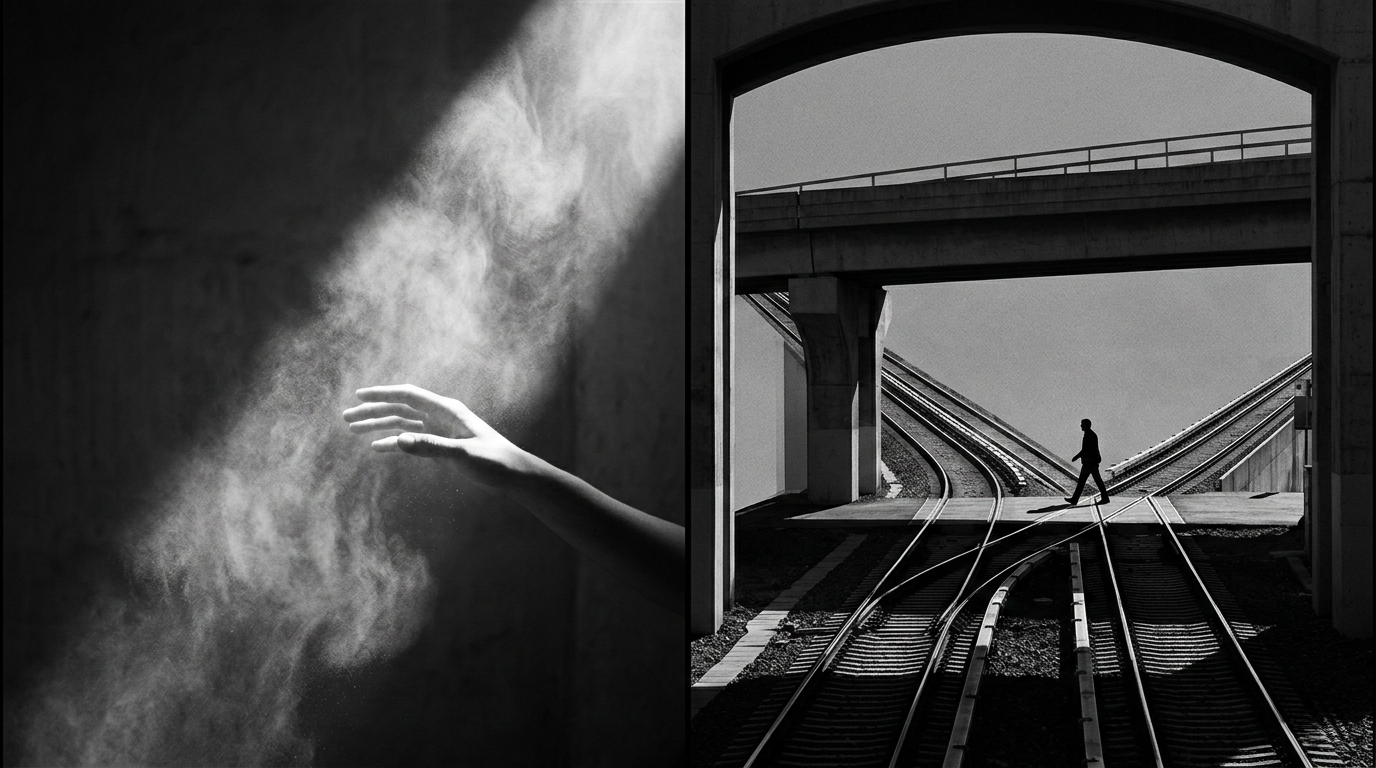
The Case for Light
There is a famous saying in our community that photography is simply the act of writing with light. Without light there is literally no image. In black and white photography light takes on a much more significant role because it is responsible for creating every single tone in your frame. It is the tool that defines the shapes and highlights the textures and provides the necessary contrast to make a subject stand out.
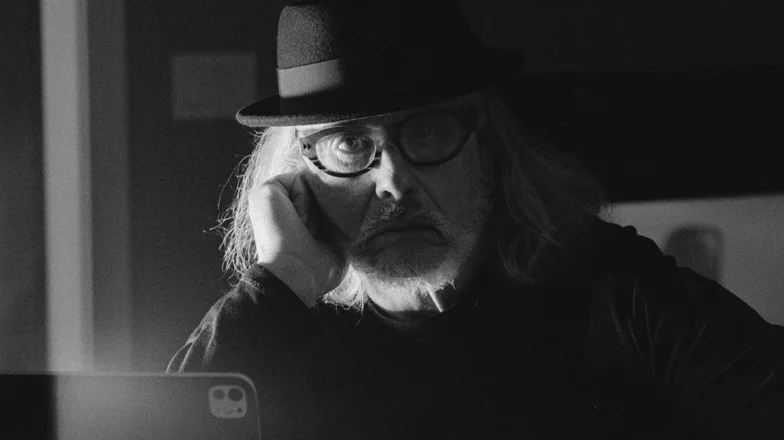
Think about a classic portrait. If the light is flat and even the face can look like a gray blob with no depth or character. But if you introduce a strong side light you suddenly see the texture of the skin and the structure of the bone and the intensity in the eyes. In this scenario light is not just a technical requirement; it is the storyteller. It creates the mood and the atmosphere. High contrast light can create a sense of drama and mystery while soft and diffused light can evoke feelings of peace and nostalgia. Many masters of the craft believe that you should find the light first and only then worry about where to place your camera. They argue that a perfectly composed shot with boring light will always be a boring photo while a simple composition with extraordinary light can become a masterpiece.
The Argument for Composition
On the other side of the debate we have the purists who believe that composition is the true heart of photography. Composition is the arrangement of elements within your frame and it is how you guide the eye of the viewer. Without a strong composition even the most beautiful light can feel chaotic and purposeless.
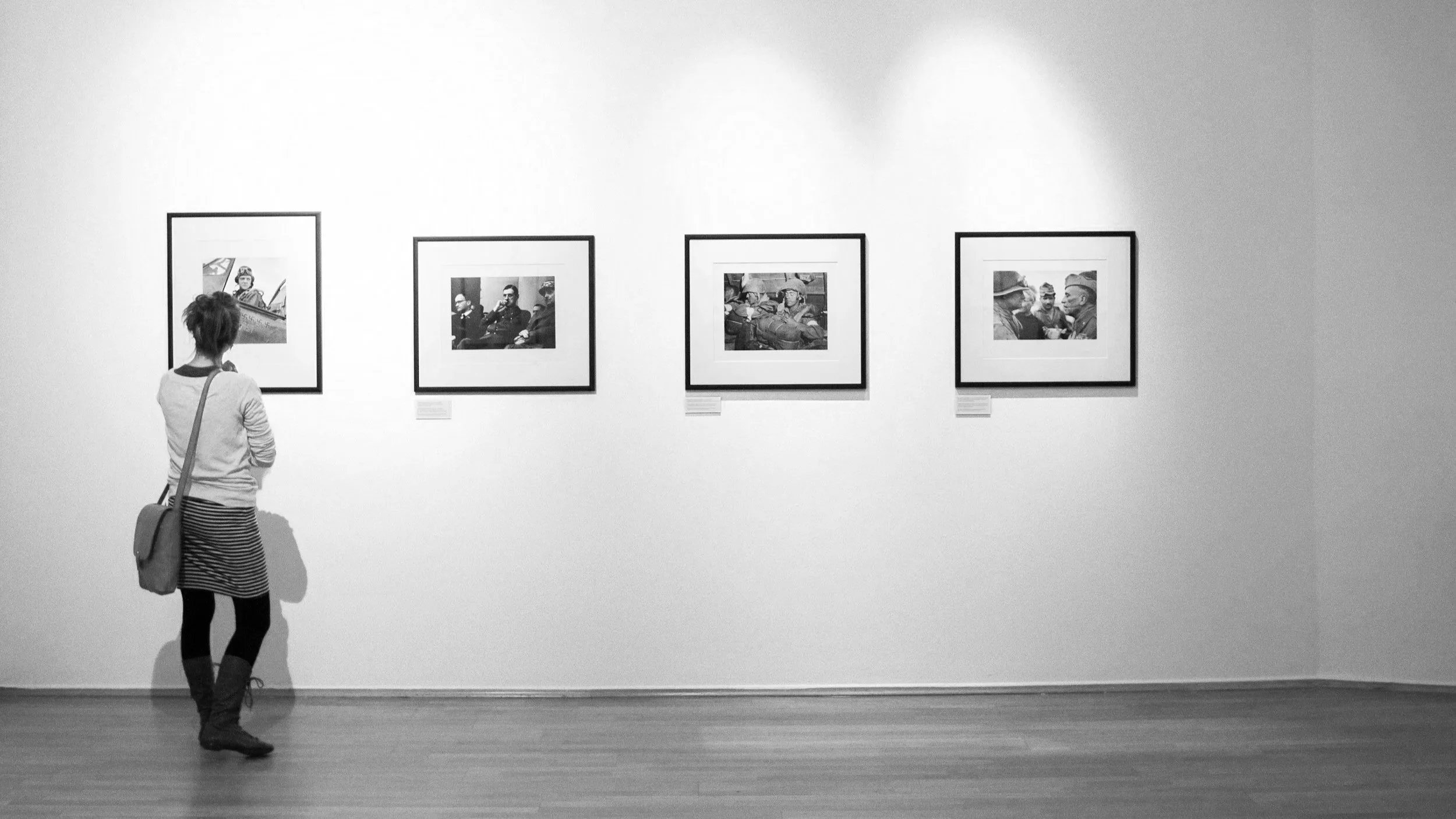
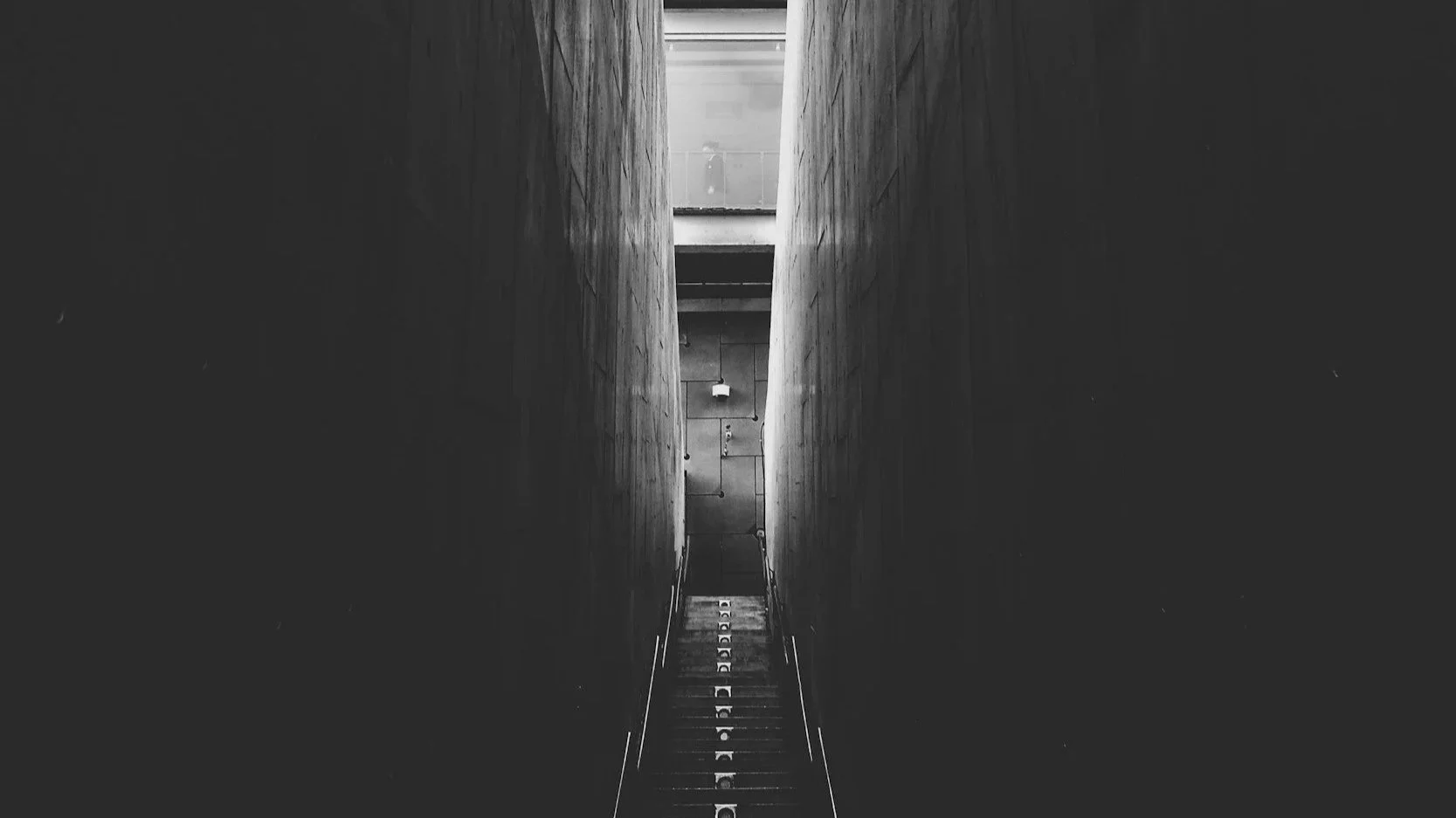
In monochrome photography composition becomes even more critical because there are no colors to separate the foreground from the background. You have to rely on lines and shapes and patterns to create a sense of order. A strong leading line can pull a viewer into a scene while the rule of thirds can create a sense of balance and harmony. Composition is the intellectual part of the process where the photographer makes a conscious decision about what to include and what to leave out. It is the structure that holds the image together. Many street photographers for example will argue that the decisive moment is entirely about composition. It is about the geometry of a person arm matching the angle of a building in the background. If the composition is off the story falls apart regardless of how the light looks.
The Inseparable Relationship
While it is fun to pick a side the reality is that light and composition are deeply intertwined. In black and white they actually perform the same job: they create visual separation. In a color photo you can separate a red apple from a green leaf because of their different hues. In a monochrome photo you must use light to create a highlight on the apple and composition to place it against a darker part of the leaf.
Light actually informs your composition. You might choose to frame a shot specifically to include a dramatic shadow or a patch of bright sunlight. In this way the light is acting as a physical element in your composition just like a tree or a person. Conversely your composition can change how we perceive the light. By getting closer to a subject you might change the angle of the reflection or the depth of the shadows. The two elements are constantly dancing together. One provides the soul and the emotion while the other provides the structure and the logic.
How to Balance Both
So how do you actually apply this to your work? The best approach is to stop seeing them as separate entities and start seeing them as a single cohesive unit. When you are out with your camera try to follow a simple mental checklist.
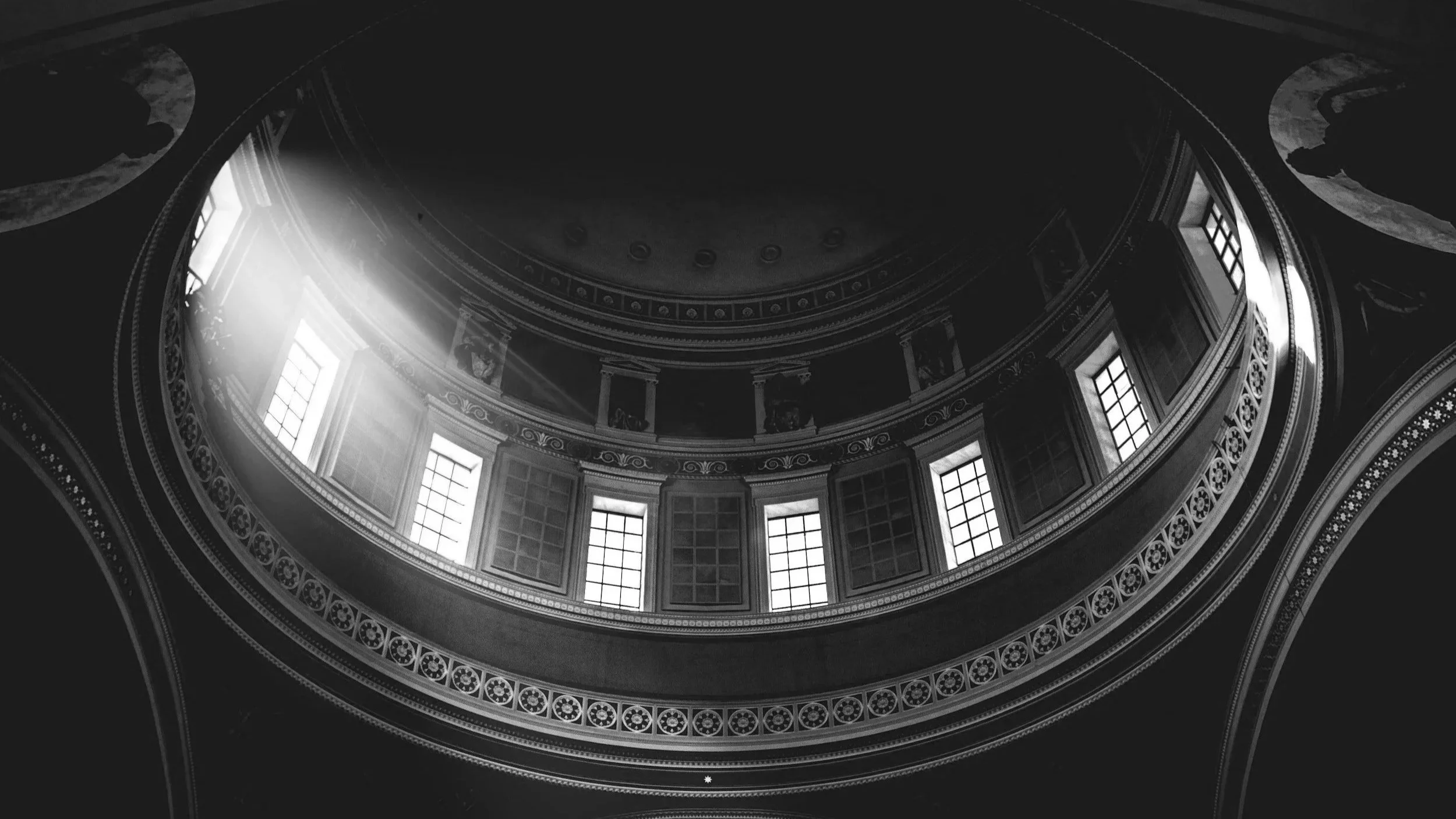
First look for the quality of the light. Is it harsh or soft? Where is it coming from? Once you have identified the light start thinking about how you can use composition to emphasize it. If you see a beautiful ray of light coming through a window do not just take a photo of the light itself. Look for an object or a person that you can place within that light using the rules of composition. Use leading lines to point toward the highlight or use negative space to make the light feel more powerful.
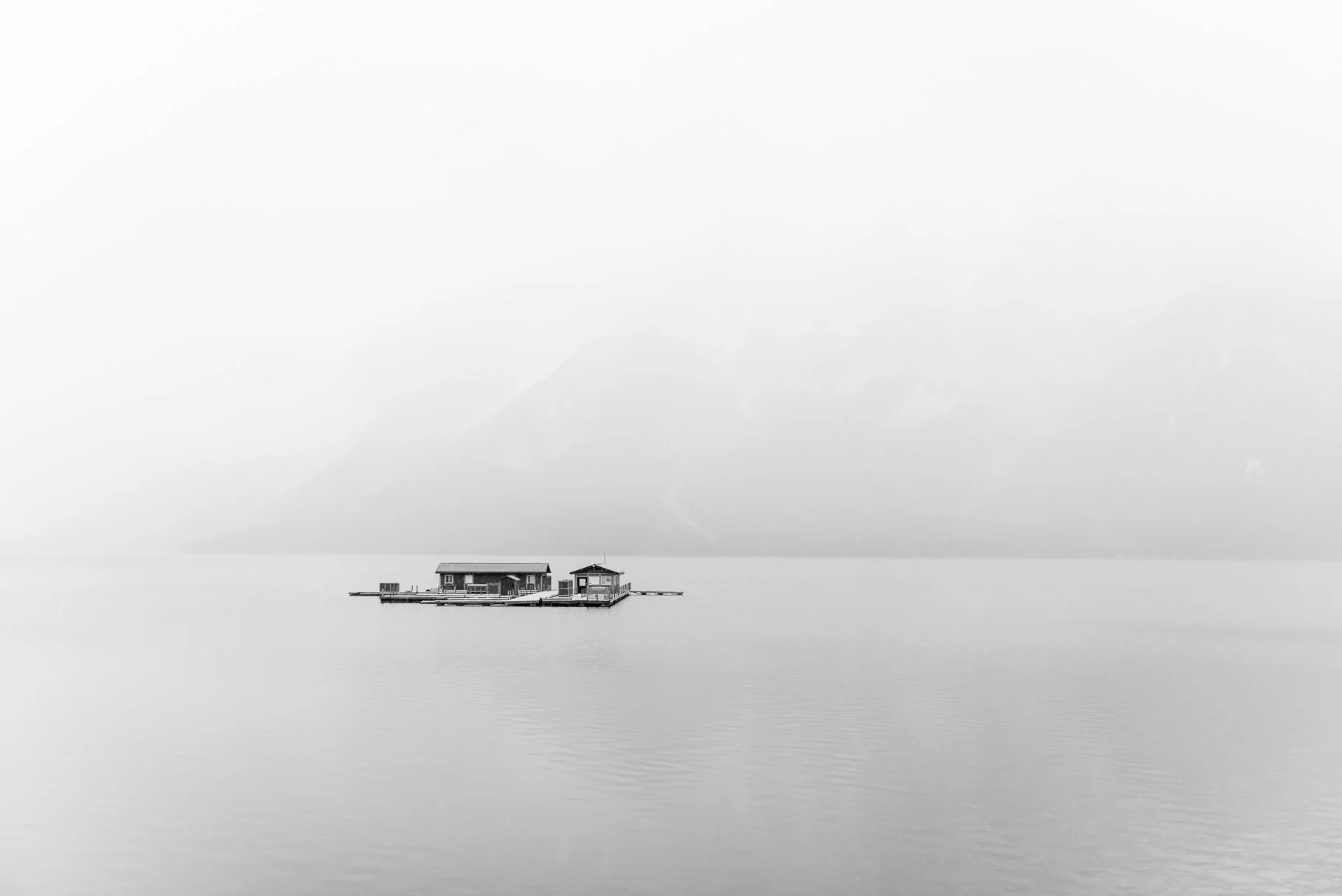
The most successful monochrome images are the ones where the light and the composition are working toward the same goal. If you want to tell a story of loneliness you might use a wide composition with a lot of empty space and a single and cold light source. If you want to tell a story of energy and chaos you might use a tight and busy composition with multiple and flickering light sources. The key is intentionality.
Final Thoughts
In the end neither light nor composition is truly more important than the other. They are the two halves of a whole. Light is the paint and composition is the canvas. You cannot create a painting without both. However if you are a beginner we often suggest focusing on composition first because it teaches you how to see the structure of the world. Once you understand the geometry of a frame you can then begin to layer in the complexities of light and shadow.
Black and white photography is a lifelong journey of learning how to see. By studying the relationship between light and composition you are training your brain to look past the surface of things. You are learning to see the world in terms of its essential forms and its underlying energy. Whether you are a light first or a composition first photographer the most important thing is that you keep shooting and keep experimenting. The more you practice the more you will realize that the magic happens in that perfect moment where the light and the lines finally meet.
Ready to see the world differently? The Monochrome Method is a complete video course with lessons and assignments designed to help you craft compelling black and white images and build a portfolio that's unmistakably yours. Start Learning Today.
IF YOU WOULD LIKE TO IMPROVE YOUR BLACK AND WHITE PHOTOGRAPHY TRY THE LESSONS BELOW.
















A Beginners Guide To Black And White Photography