
What You Miss When You Try to Shoot Like Someone Else
Copying gets you to the starting line. What happens after that is the interesting part.
Think about learning to cook. When you are starting out you follow recipes. You do exactly what the recipe says. You measure everything carefully. You follow the steps in order. And gradually you learn how things work. Why you add the acid at this point. What happens to the onions if you give them more time. How the heat affects the texture. The recipe is teaching you something real and valuable.
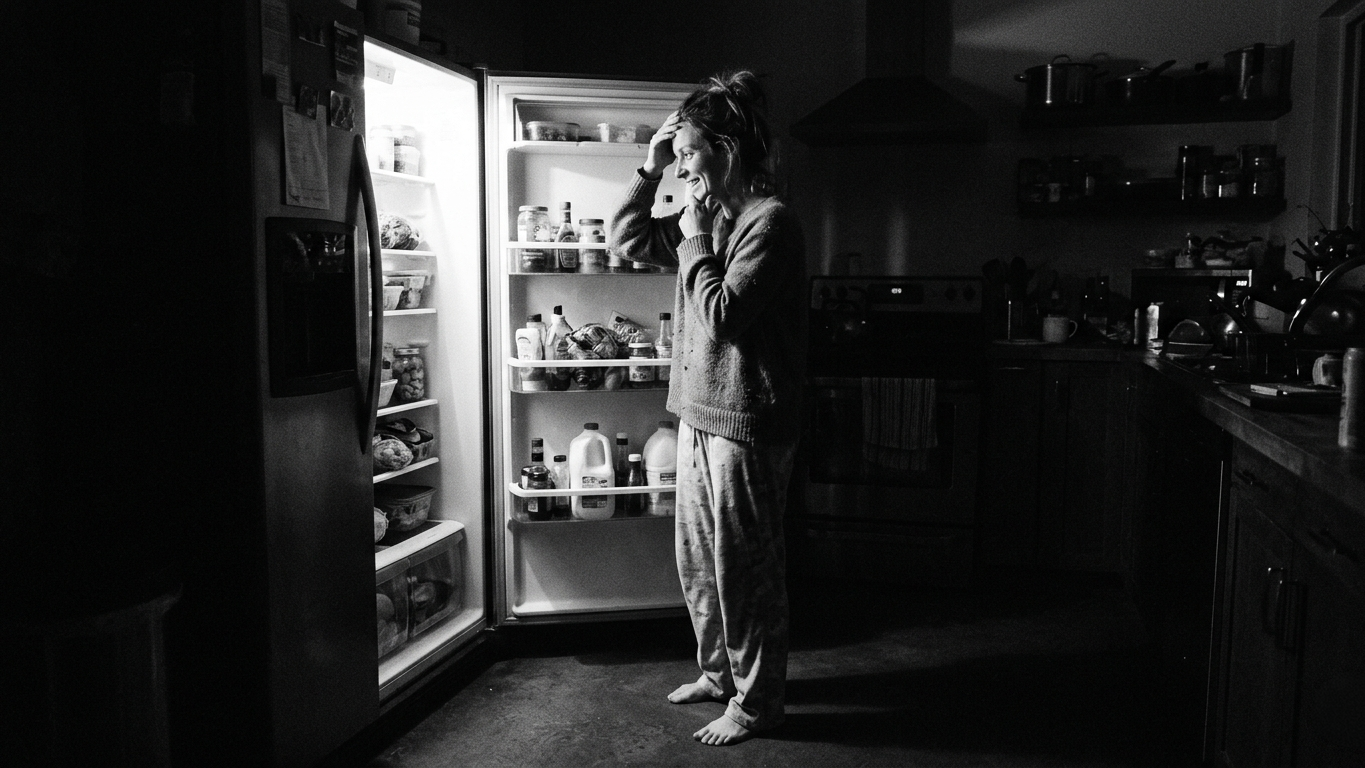
But here is the thing. The cook who only ever follows recipes never finds out what they would actually make if they just opened the fridge and started cooking from whatever was there. They never discover that they have a thing for a particular combination of flavors that nobody else seems to put together. They never have the experience of making something completely their own and thinking where did that come from. The recipe is a ceiling as much as it is a foundation. At some point you have to cook without one and see what happens.
Photography works exactly the same way.
Copying is where most of us start and that is fine
When you see a photograph that genuinely moves you the natural response is to want to understand how it was made. You study it. You think about where the photographer was standing and what time of day it was and what they were waiting for. And then you go out and try to make something similar. That is not a failure of creativity. That is how you learn. The attempt to replicate something you admire teaches you things about light and timing and composition that admiring from a distance never could.
So copying as a starting point is not the problem. Staying there is.
What you are actually doing when you copy
When you go out with someone else's photograph in your head as the target you are essentially answering a question that someone else asked. You are trying to see what they saw. Find what they found. Respond to the world in the way they responded to it.
And while you are doing all of that you are walking straight past the things that would have stopped you if you had been paying attention to your own instincts instead. The scene that catches your eye for a reason you cannot immediately explain. The quality of light that does something to you personally even if it would not make a great reference image. The moment that has nothing to do with the style you are chasing but that feels true in a way you cannot quite articulate.
Those are your things. Not anyone else's. And you missed them because you were looking for something else.
The stuff you find by accident is often the best stuff
Here is something most photographers discover eventually. Some of their most personally meaningful images were not planned at all. They happened when something caught their attention that they were not expecting and they responded to it before they had time to think about whether it fitted any particular style or reference.
That is not luck. That is what happens when you are paying attention to your own experience rather than trying to execute someone else's vision. The image comes from you. From your specific history and your specific way of moving through the world and your specific response to what is in front of you right now. And that makes it yours in a way that a well executed imitation can never be.
There is also a specific kind of joy that comes with it. The joy of discovering something about yourself through the act of making a photograph. Realizing you have a thing for a particular quality of winter light. Or that you keep being drawn to the space between people rather than the people themselves. Or that what you actually love to photograph has almost nothing to do with what you thought you loved to photograph when you were still following someone else's recipe.
That kind of self discovery does not happen when you are copying. It happens when you are genuinely looking.
The influence does not go away
None of this means you should stop looking at other photographers work. Looking at great photography is one of the best things you can do for your own eye. The photographers you admire have shaped how you see and that influence is in your work whether you are consciously trying to replicate it or not.
The difference is between using influence as fuel and using it as a destination. When it is fuel it feeds your eye and your instincts and then gets out of the way when you are actually shooting. When it is a destination it is the thing you are navigating toward and everything you encounter along the way that does not point in that direction gets ignored.
Put the reference image down when you go out. Take what your influences have taught you. Leave the recipe at home. Open the fridge and see what you actually make.
You might surprise yourself. And that surprise is one of the better things photography has to offer.
Ready to see the world differently? The Monochrome Method is a complete video course with lessons and assignments designed to help you craft compelling black and white images and build a portfolio that's unmistakably yours. Start Learning Today.
IF YOU WOULD LIKE TO IMPROVE YOUR BLACK AND WHITE PHOTOGRAPHY TRY THE LESSONS BELOW.




A Beginners Guide To Black And White Photography