
Take the Cliché Photograph
A million people have taken that photograph. Why You Should Take it anyway.
You have heard the advice. Do not take the cliché photograph. Do not set up your tripod at the same overlook where a thousand photographers have stood before you. Do not make the image everyone has already seen. Find a fresh angle. Look for something new. Push past the obvious and find what nobody else has found.
It is reasonable advice. There is nothing wrong with it. Originality matters and the impulse to see beyond the obvious view is a good one to cultivate.
But it is incomplete. And the part it leaves out matters more than most people acknowledge.
The photograph nobody talks about
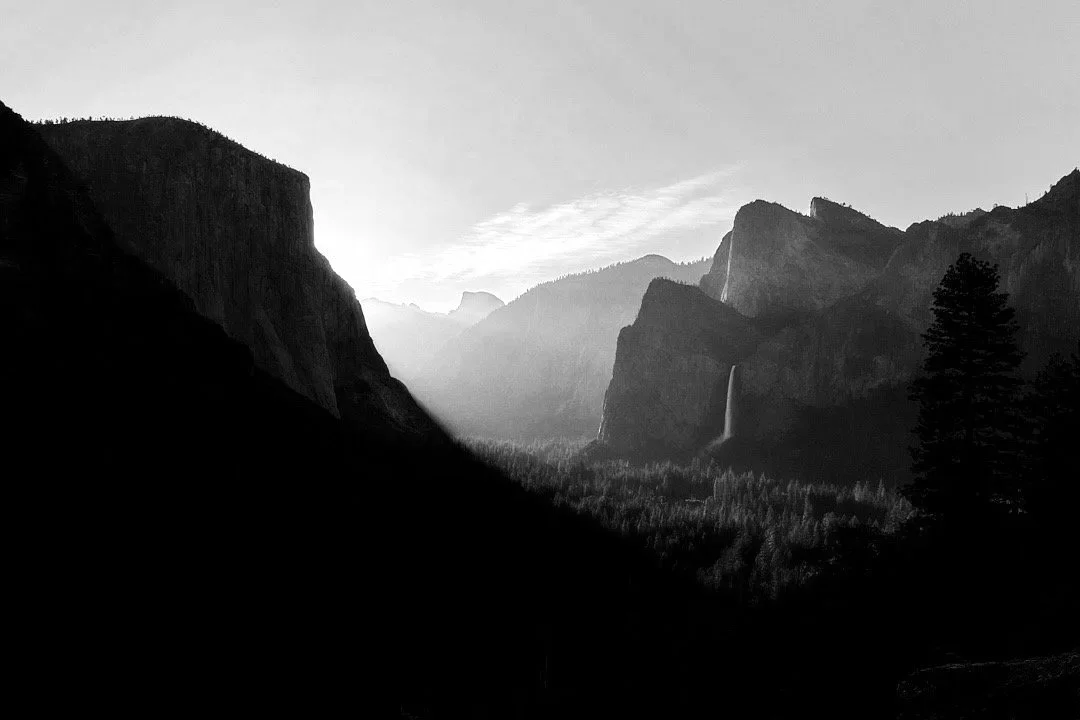
When photographers talk about the cliché shot they are talking about the output. The image. Whether it adds something new to the visual record of a place. Whether anyone who has already seen a thousand photographs of Yosemite Valley from Tunnel View needs to see yours as well.
That is the wrong question. Or at least it is not the only question.
The right question is what the experience of making that photograph means to you. Not to the collective archive of images that already exist. Not to the photography community's ongoing project of finding fresh perspectives on familiar places. To you. The person who drove there or hiked there or saved up to get there. The person who stood at that railing and looked at that view for the first time.
Because here is the thing. That view has been photographed a million times. But you have never seen it before. And that is not a small thing.
Tunnel View
I have seen hundreds of photographs of Tunnel View at Yosemite. Maybe thousands. El Capitan on the left. Bridalveil Fall on the right. The valley floor stretching away into the distance. Half Dome somewhere in the middle distance depending on the light and the season. It is one of the most photographed views in the world and the photographs are everywhere. Books, magazines, Instagram, gallery walls. I knew exactly what it looked like before I ever went.
And when I stood there I raised my camera and took the photograph anyway.
Not because I thought I was going to make something that had never been made before. Not because I had found a new angle or a fresh perspective or something that all those other photographers had missed. But because now I was there. The light was doing what it was doing on that specific morning. The cold was the cold I was standing in. The scale of the place, which no photograph I had ever seen had fully prepared me for, was something I was experiencing in my own body for the first time.
That photograph is mine. It looks like a lot of other photographs of the same place. It also looks like nothing else because I made it and I was there and that morning happened to me and not to anyone else.
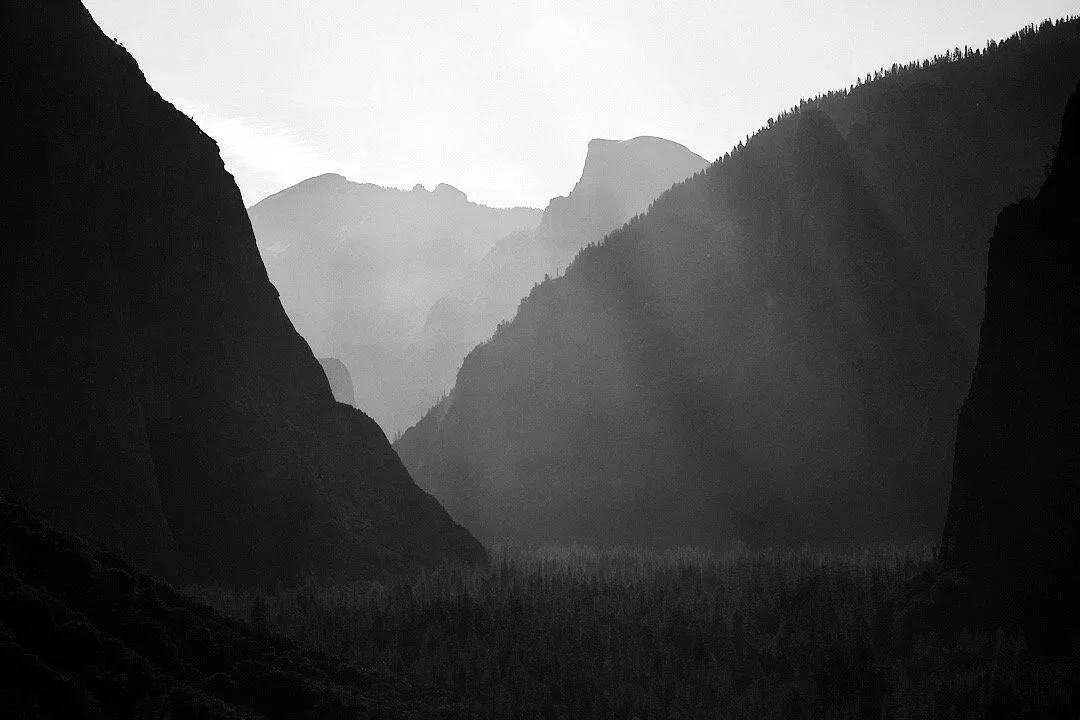
The experience is the point
The people who tell you not to take the cliché photograph are optimizing for the image. They want photography to contribute something new. That instinct is admirable in its way. But it puts the photograph ahead of the photographer. It treats the making of the image as a problem to be solved rather than an experience to be had.
Photography is not only a contribution to a visual archive. It is a way of being present in the world. Of paying attention. Of marking the fact that you were somewhere and saw something and it mattered enough to you to raise a camera. The cliché photograph does all of those things as fully as the original one does.
The view from Tunnel View is a cliché because it is genuinely extraordinary. That is why a million people have photographed it. Refusing to photograph it because others already have is a strange kind of inverted snobbery that privileges originality over honesty. And honesty in photography, the truthful record of what you saw and felt and experienced, is more important than originality.
Take both photographs
None of this is an argument against looking for something new. Go ahead and take the classic shot and then keep looking. The cliché is the beginning of the visit not the end of it. Once you have made the photograph you came to make you are free. You have honoured the experience that brought you there. Now you can wander and look and see what else is there that has nothing to do with the famous view.
The unique photograph and the cliché photograph are not in competition. One is the reason you came. The other is what you find when you stay longer than the obvious shot requires.
But take the cliché. Stand where everyone else has stood. Make the photograph that a million people have made. Because yours is the one you were there for. And that is enough.
Ready to see the world differently? The Monochrome Method is a complete video course with lessons and assignments designed to help you craft compelling black and white images and build a portfolio that's unmistakably yours. Start Learning Today.
IF YOU WOULD LIKE TO IMPROVE YOUR BLACK AND WHITE PHOTOGRAPHY TRY THE LESSONS BELOW.





A Beginners Guide To Black And White Photography