
How to Look at a Photograph
You have been looking at photographs your whole life. Here is how to actually read them.
Most photographers spend enormous amounts of time learning how to make photographs. Techniques, settings, gear, composition rules, editing workflows. The making side of photography has an almost infinite amount of content dedicated to it.
Almost nobody talks about how to look at a photograph.
Which is strange because looking carefully at photographs is one of the most direct routes to improving your own work. The eye that knows how to read an image is a better eye in the field. Every question you learn to ask of someone else's photograph becomes a question you can ask of your own before you press the shutter. The skill of looking and the skill of making are the same skill approached from different directions.
So here is how to actually do it.
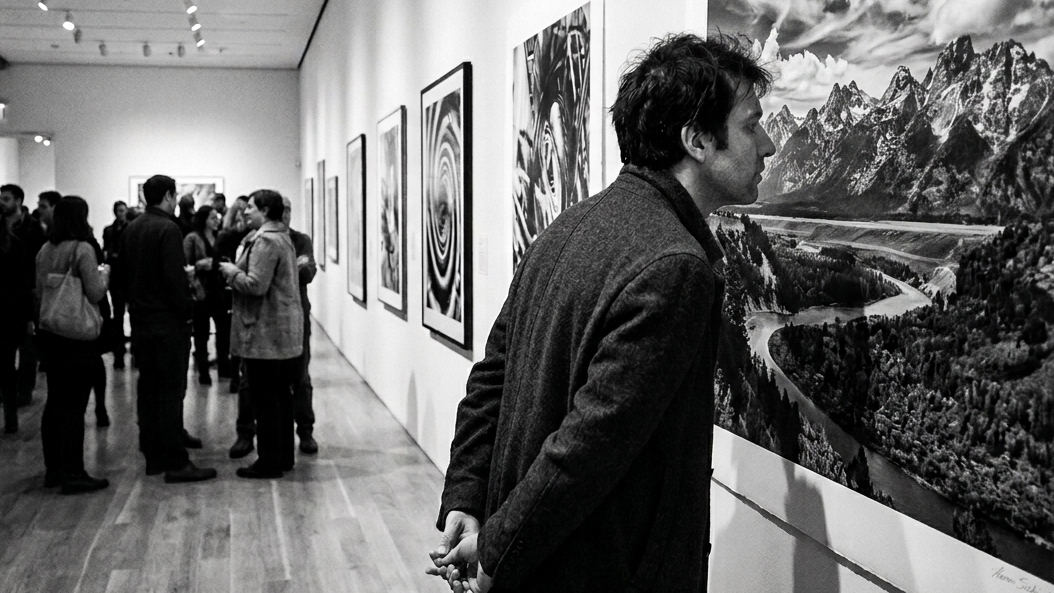
Start with your gut
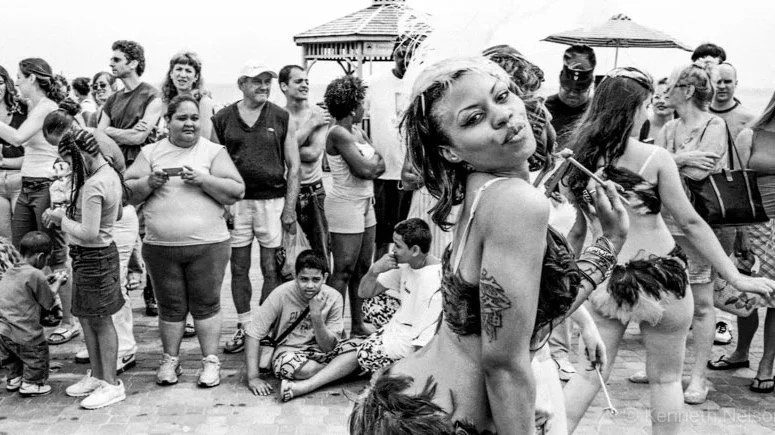
Before you analyze anything just notice what happens in the first few seconds. Where does your eye go first. This is not accidental. The photographer made decisions, consciously or not, that directed your attention to a specific place. The brightest point in the frame. The area of highest contrast. The human face if there is one. The leading line that pulls you in from an edge. Your eye went there first because something in the image told it to.
Then notice where your eye goes next. Does it follow a line through the frame or does it jump between elements. Does it settle somewhere or keep moving restlessly. An image with good visual flow guides the eye through the frame in a way that feels natural and satisfying. An image with poor flow makes your eye work too hard or gives it nowhere to rest.
Then ask yourself how the image makes you feel. Not what you think of it technically. How it makes you feel. Peaceful. Tense. Curious. Uneasy. Sad. Then try to identify the specific elements producing that feeling. Is it the light. The subject. The emptiness of the frame. The expression on a face. The feeling in a photograph is not accidental and tracing it back to its source is one of the most useful things you can do as a photographer learning from other people's work.
Reverse engineer the technical decisions
Once you have had your gut reaction start asking how the photograph was made. Not to obsess over settings but to understand intent. Every technical decision a photographer makes is an expressive decision. The settings are not just mechanical choices. They are the means by which the photographer shaped what you are seeing.
Where is the light coming from. Is it hard light with strong defined shadows or soft light that wraps around the subject. Hard light creates drama and graphic impact. Soft light creates intimacy and mood. Neither is better. Both are choices with consequences and understanding those consequences in someone else's work teaches you to make them more deliberately in your own.
Is the background sharp or blurred. A blurred background separates the subject from its environment and focuses attention. A sharp background places the subject within a specific context and makes the environment part of the story. Ask why the photographer made that choice and whether it served the image.
Is motion frozen or blurred. A frozen moment gives you precision and clarity. Blurred motion gives you a sense of time passing and energy in the frame. Alexey Titarenko built an entire body of work around the expressive power of long exposure blur. When you see motion in a photograph ask what it is doing to the meaning of the image.
Read the composition
Composition is how the photographer organized everything in the frame. This is where most of the intelligence of a photograph lives and where looking carefully pays the biggest dividends.
Ask where the subject sits in the frame. Centered subjects feel formal and confrontational. Off-center subjects create tension and breathing room. Neither is right or wrong. Both say something different and the choice reveals something about what the photographer was trying to communicate.
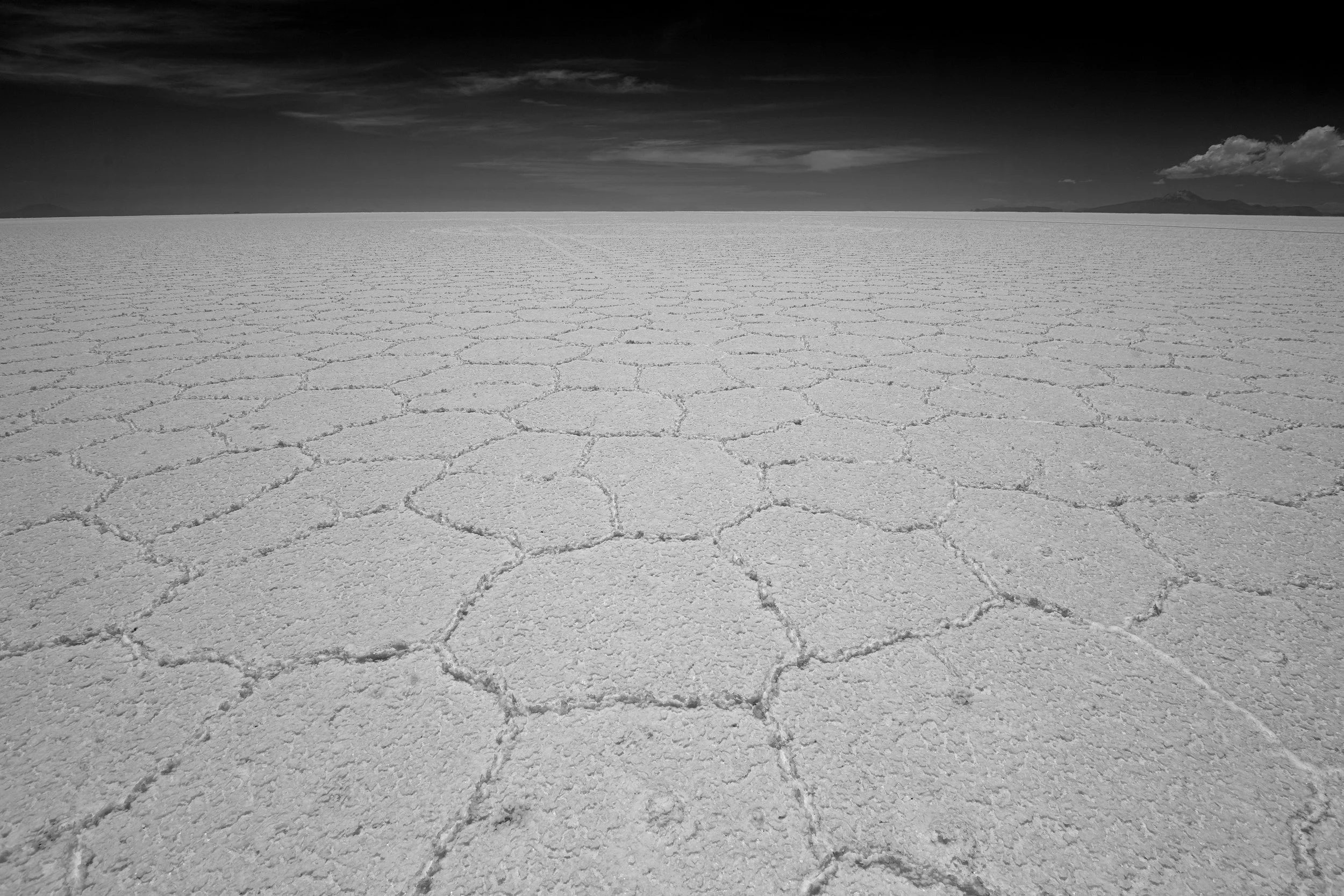
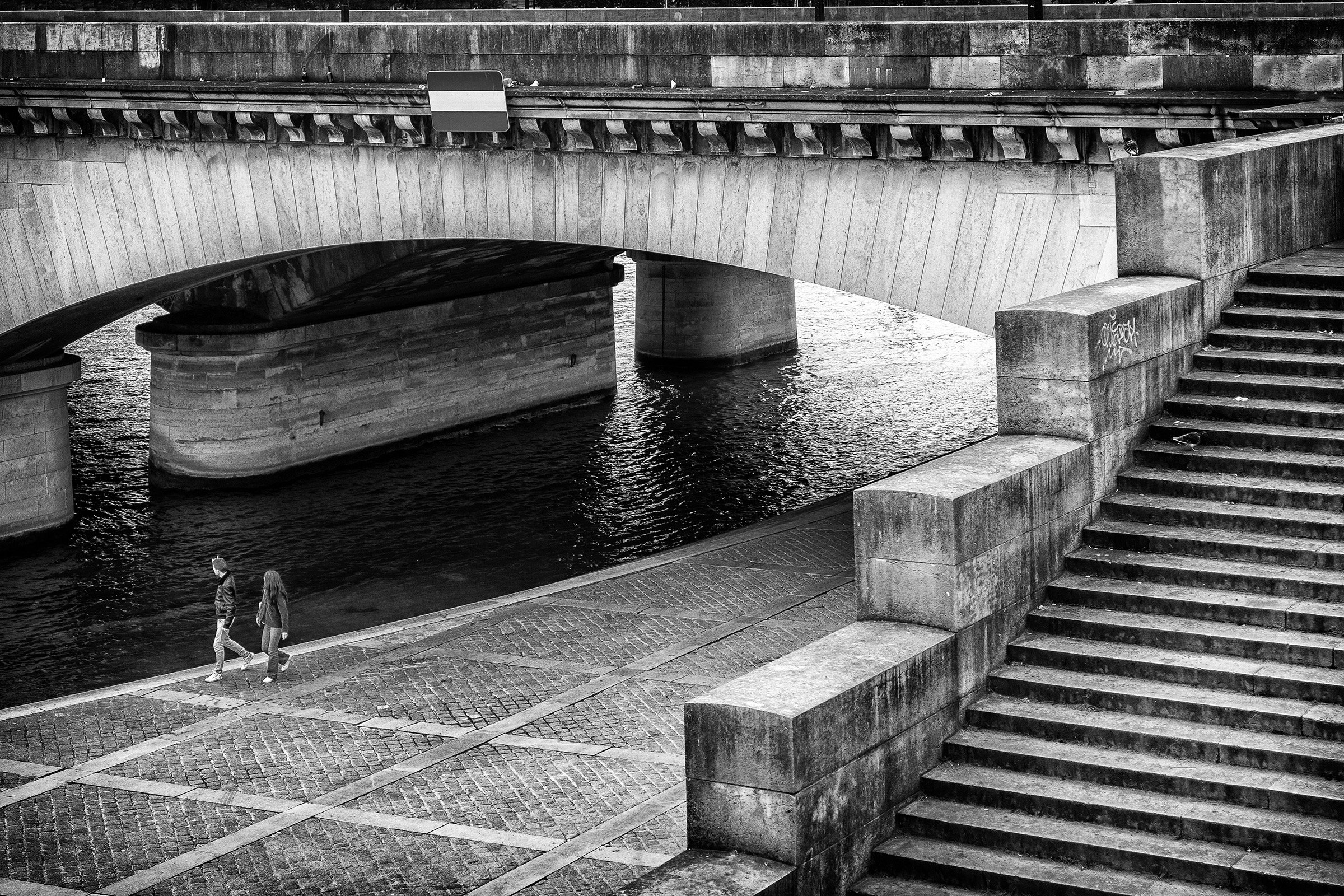
Look for leading lines. Roads, fences, shadows, walls, rivers. Lines that draw your eye into the frame or toward the subject. The best compositions use the geometry of the scene to do work that the subject alone cannot do.
Then look at the edges. This is where most people stop paying attention and it is where a lot of compositions fall apart. What is happening in the corners. Are there distracting elements at the periphery that compete with the subject. Are there merges where the subject appears to collide with a background element in a way that flattens the image. Did the photographer use the edge of the frame to cut something in a way that creates tension or did they cut it in a way that just feels sloppy. The edges of a photograph are as deliberate as the center and reading them carefully teaches you to watch your own edges in the field.
Ask about perspective. Where was the photographer standing. Were they at eye level or shooting from below or above. A low angle gives a subject power and presence. A high angle reduces it. Eye level creates equality between photographer and subject. These are not arbitrary. They are expressive choices that shape how you feel about what you are looking at.
Ask what the image is about
This is the most important question and the hardest. There is a difference between what a photograph shows and what it is about. Every photograph shows something. Not every photograph is about something.
A photograph of a person on a street shows a person on a street. A great photograph of a person on a street might be about loneliness or resilience or the particular quality of urban anonymity or the way light falls on a human face at a specific time of day and changes everything. The subject is what is in the frame. The meaning is what the image is saying about the subject or about something larger than the subject.
Learning to ask this question of other people's work trains you to ask it of your own. And when you start asking it of your own work before you press the shutter something changes in the photographs you make.
Apply it to your own work
All of this only fully pays off when you turn the same attention toward your own images. Take a photograph that almost worked and ask exactly why it did not. Not vaguely. Specifically. Was the light doing something you did not notice in the moment. Was there a distracting element at the edge of the frame that you missed. Did the focus land in the wrong place. Did you shoot from the obvious angle when a different position would have changed everything.
Check your edges before you press the shutter. Most photographers look at the center of the frame and trust their peripheral vision to handle the rest. The edges are where compositions fall apart and catching them before you shoot is a habit worth building deliberately.
And when you share your work ask for specific feedback rather than general approval. Not is this good but what is the light doing in this image. Not do you like it but does the composition give the eye somewhere to go. Specific questions get specific answers and specific answers are the ones that actually teach you something.
The habit worth building
Pick one photograph a day from a photographer you respect and give it five minutes. Not a glance. Five deliberate minutes asking the questions above. Where does the eye go first. What is the light doing. What are the edges doing. What is this image about. What would I do differently and why.
Do that for a month and your eye will be different at the end of it. Not dramatically. Quietly. The way eyes change when they have been paying attention to the right things for long enough.
The photographs you make are only as good as what you can see. And what you can see is shaped by how carefully you have been looking.
Ready to see the world differently? The Monochrome Method is a complete video course with lessons and assignments designed to help you craft compelling black and white images and build a portfolio that's unmistakably yours. Start Learning Today.
IF YOU WOULD LIKE TO IMPROVE YOUR BLACK AND WHITE PHOTOGRAPHY TRY THE LESSONS BELOW.




A Beginners Guide To Black And White Photography