
Does Being Creative Mean Being Original?
The idea that creativity requires originality is causing a lot of unnecessary anxiety. Here is why the definition is wrong and what to replace it with.
Here is an assumption so embedded in how we talk about photography that it almost never gets examined. To be creative is to produce something new. Something that has not existed before. Something nobody has thought of. If you are not making work that is genuinely original, work that has no precedent and could not be confused with anyone else's, then you are not really being creative. You are just repeating what has already been done.
This belief causes a specific and recognizable anxiety in photographers. You see an image you love and your first thought is someone has already done this. You arrive at a location and think a thousand people have photographed here before me. You develop a style and feel like a fraud because you can name the photographers it resembles. You hesitate to share work because it does not feel new enough. You wonder whether anything you make actually counts as creative at all.
This anxiety is real. The definition causing it is wrong.
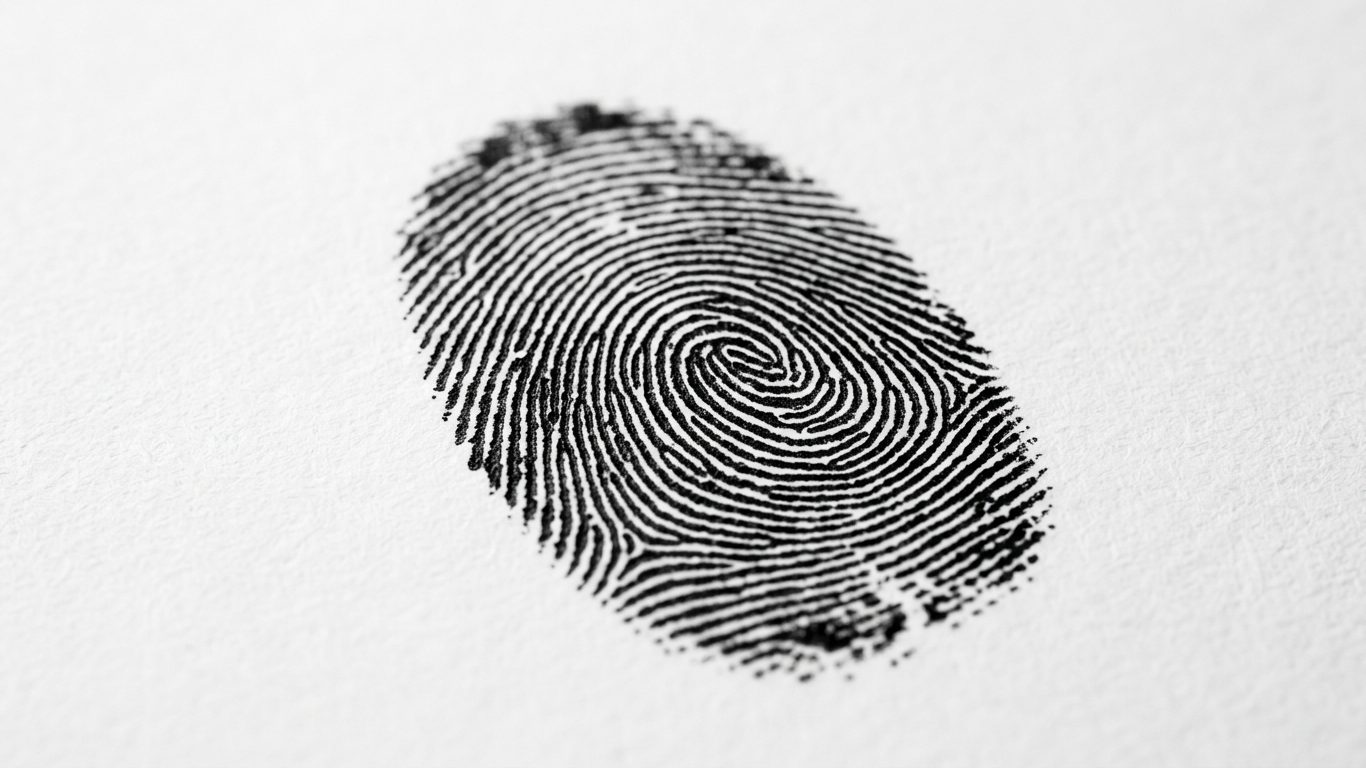
The problem with novelty as the standard
If creativity genuinely requires novelty then almost nothing qualifies. Every photograph of a street has been taken before. Every portrait uses light in ways that have been used before. Every landscape composition has precedents. Every black and white treatment echoes someone who came before. The decisive moment, the long exposure, the close portrait, the empty street at night, all of it has been done. If the test for creativity is whether something is genuinely new to the world then the answer for almost all photography almost all of the time is no.
Which means either photography is not creative or the definition is wrong.
“The definition is wrong.”
P-creativity and why it matters
In the 1990s a philosopher and cognitive scientist named Margaret Boden introduced a distinction that is genuinely useful here. She drew a line between two kinds of creativity. H-creativity, or historical creativity, is what most people mean when they use the word. An idea or a work that is genuinely new to the world. Something nobody has produced before. This is the glamorous kind. The invention, the breakthrough, the work that changes a field.
But Boden argued that there is a more fundamental kind. She called it P-creativity, or psychological creativity. An idea is P-creative if it is new to the person who had it, regardless of whether anyone else has had it before. The student who independently works out a philosophical argument that Kant already made is being genuinely creative. The process was real. The discovery was real. The fact that it had precedents does not diminish what happened in that mind.
Boden's argument is that P-creativity is actually the more significant of the two. H-creativity, the historically new thing, is extremely rare. P-creativity is what most actual creative work consists of and it is what most creative development depends on. You cannot get to the genuinely new without accumulating a great deal of the personally new along the way.
For photographers this reframing is liberating. You are not failing to be creative because others have photographed this street before. You are being P-creative every time you make a genuine connection between your way of seeing and the specific reality in front of you. Every time the photograph you make could not have been made in quite the same way by anyone else because it comes from your specific combination of experience, attention, and sensibility.
That is not a consolation prize version of creativity. That is what creativity actually is in practice for almost everyone who makes anything.
What creativity might actually mean
A more useful definition of creativity is the act of making connections that did not previously exist in your specific mind and expressing them in a way that is genuinely yours. Not new to the world necessarily. New to you. Made from your specific combination of experiences, observations, influences, and sensibilities in a way that could not have come from anyone else in quite the same form.
By this definition creativity is not about novelty. It is about authenticity. The photograph is creative not because nobody has ever photographed this street before but because nobody has ever photographed it with your history, your eye, your specific way of being present in the world. The street is the same. The camera is similar to a thousand other cameras. The creative act is the particular encounter between your consciousness and that specific moment. That encounter is always unique even when the subject is familiar.
This is also why influences are not the enemy of creativity. Every photographer is shaped by other photographers. The work we admire trains our eye. The compositions we have looked at for years inform the compositions we reach for. This is not a failure of originality. It is how creative sensibility actually develops. You absorb influences, combine them with your own experience and perception, and something that is genuinely yours emerges from that process. The question is not whether you have influences. The question is whether you have digested them so completely that what comes out is authentically your own.
The Monochrome Triangle
I want to use my own recent work as an example because I think it illustrates this honestly.
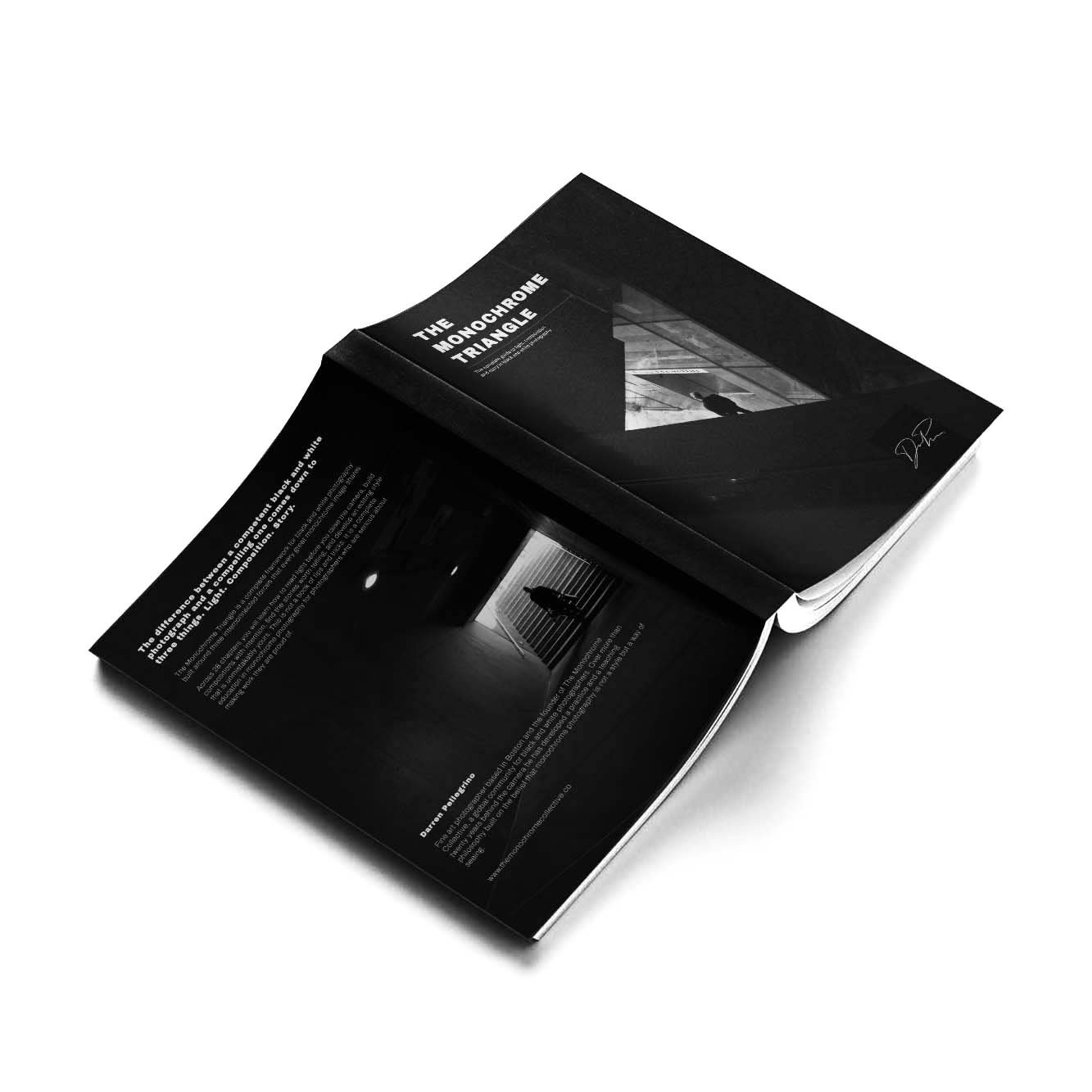
My new book is called The Monochrome Triangle. The framework at the center of it describes three elements that I believe work together in every compelling black and white photograph. Light, composition, and story as an interdependent system rather than separate technical considerations.
Did I invent light? No. Did I invent composition? No. Did I invent story as a concept in photography? Absolutely not. Every one of these ideas has been discussed and written about for as long as photography has existed. There is nothing in the Monochrome Triangle that is new to the world.
What I did was make a connection between these three things in a specific way that helped me understand my own work more clearly. I developed a framework for thinking about concepts that already existed and found that the framework changed how I saw and how I shot. That process was genuinely creative in the P-creative sense. It was new to me. It emerged from my specific experience as a photographer working in black and white over many years. And the framework that came out of it is mine in the way that matters, not because I invented the ingredients but because the combination and the way I put it together came from my own thinking and no one else's.
If I had waited until I had something genuinely new to say, something that had no precedents anywhere in the history of photography writing, I would still be waiting. And the photographers who might find the framework useful would have nothing.
The anxiety is not a sign of failure
The photographers who struggle most with the anxiety around originality are usually the ones who care most about their work. People who do not care about photography do not lie awake wondering whether their images are sufficiently original. The anxiety is evidence of seriousness not inadequacy.
But it is worth examining the belief underneath the anxiety because that belief is doing real damage. It is stopping photographers from making work, from sharing work, from developing frameworks and ideas and approaches that are genuinely theirs even if the raw materials are familiar. It is creating a standard that almost no photographer in history has actually met and then using that impossible standard to measure ordinary creative practice against.
Boden's insight is that the personally new is not a lesser version of the historically new. It is where all creative work begins. The photograph that is genuinely yours, made from your specific encounter with the world in a way that reflects your particular way of seeing, is a creative act regardless of how many photographs of similar subjects exist in the world.
Go make the work. It does not have to be new to the world. It has to be new to you. That is enough. That has always been enough.
Ready to see the world differently? The Monochrome Method is a complete video course with lessons and assignments designed to help you craft compelling black and white images and build a portfolio that's unmistakably yours. Start Learning Today.
IF YOU WOULD LIKE TO IMPROVE YOUR BLACK AND WHITE PHOTOGRAPHY TRY THE LESSONS BELOW.




A Beginners Guide To Black And White Photography