
You Have Not Lost Your Inspiration. You Have Lost the Signal.
Inspiration does not disappear. It gets buried. Here is what is burying yours and what to do about it.
Every photographer has felt it at some point. You go out with your camera and nothing clicks. The streets feel empty. The light feels ordinary. You come home with images that disappoint you and a vague sense that something you used to have is gone. You tell yourself you have lost your inspiration.
You have not. But before we get to that, it is worth being clear about what inspiration actually is, because most photographers confuse it with something else entirely.
Inspiration and motivation are not the same thing
Motivation is what gets you out of the house. It is the decision to go, the discipline to show up, the desire to make photographs at all. Motivation answers the question of whether you will do the thing.
It is the accumulated weight of everything you find meaningful, operating quietly in the background every time you raise the camera.
Inspiration is different. It is not a feeling that arrives from outside. It is the accumulated weight of everything you find meaningful, operating quietly in the background every time you raise the camera. It is the reason you are drawn to a particular quality of light rather than another. The reason certain faces stop you in the street while others do not. The reason your photographs look like yours and not like someone else's. Inspiration is not what makes you want to go out and shoot. It is what makes the shooting mean something when you get there.
Think about it this way. Motivation is getting in the car and starting the engine. Inspiration is knowing which road to take and why the journey matters. You can be highly motivated and drive in circles for hours. You can also be genuinely inspired but unable to get out of the driveway. The best work happens when both are present at the same time.
Now here is the important part. Unlike motivation, which genuinely does come and go depending on your energy, your schedule, and your circumstances, inspiration is remarkably stable. The things you find meaningful on a Tuesday are the same things you find meaningful on a Thursday. Your history does not change overnight. The accumulated weight of your experiences, your values, your way of seeing the world does not disappear because you had a bad week.
So why do photographers talk about losing inspiration as if it were a tide that goes in and out?
What you are losing is the signal, not the source
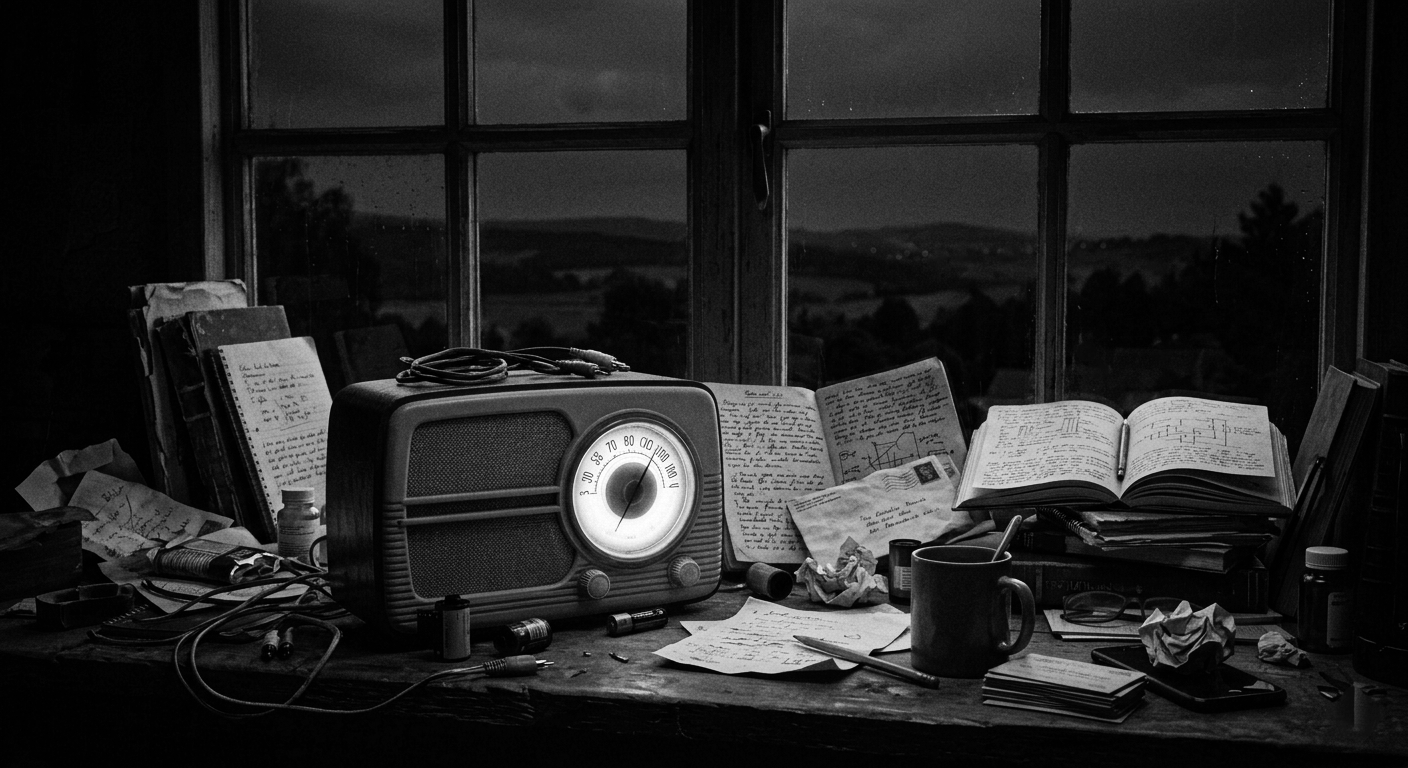
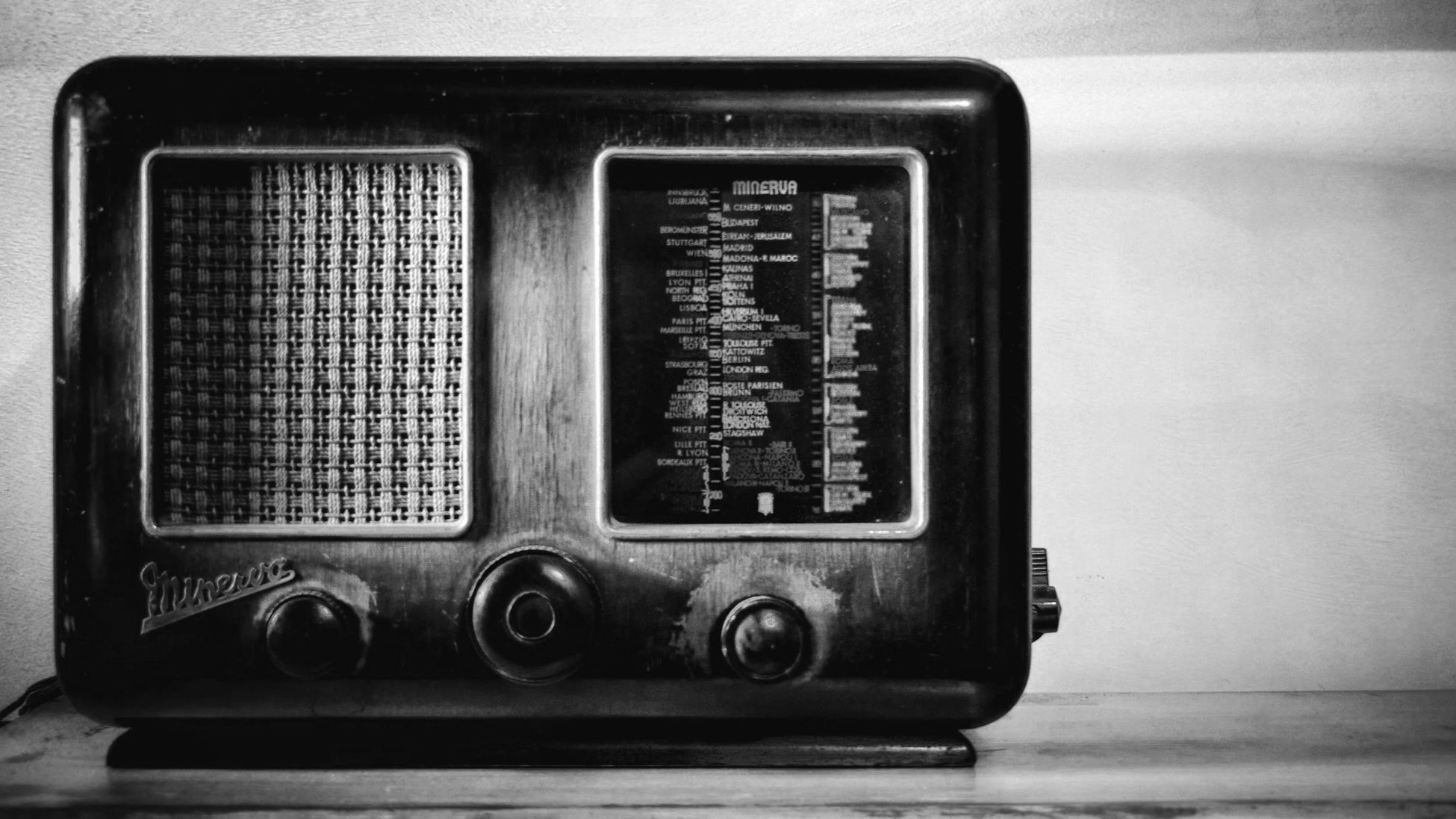
Think of your inspiration as a radio signal. It is always being broadcast. The transmitter never goes off air. But sometimes there is too much static between you and the signal and you cannot receive it clearly. The broadcast has not stopped. You just can’t tune in.
That static comes from several places and it is worth knowing which kind is interfering with your reception.
The static of daily life
Stress, fatigue, distraction, the relentless noise of obligations and screens and other people's urgency. All of these create interference between what you care about and your ability to feel it clearly. When your mind is full of everything else there is simply no space for the quiet signal of your own sensibility to come through.
This is not a creativity problem. It is an attention problem. The inspiration is there. But your attention is elsewhere and it cannot be in two places at once.
The fix here is not to find new inspiration. It is to reduce the static. Even an hour of genuine quiet, a walk without your phone, a morning without social media, a slow cup of coffee with no agenda, can be enough to let the signal come through again. You are not looking for inspiration. You are clearing the frequency.
The static of repetition
If you photograph the same streets every day something gradually happens. Familiarity starts to work against you. You stop seeing because you think you already know what is there. The inspiration is still present but your perception has gone lazy. You are no longer looking. You are remembering.
This is why travel or a change of environment can feel like inspiration returning when it was never really gone. You are just looking freshly again. The new place forces you to pay attention because you cannot rely on memory to fill in the details. Everything has to be actually seen rather than assumed.
You do not always need to travel far to break this pattern. Shoot at a different time of day. Take a different route. Photograph something you have never photographed before. Impose a constraint that forces you to approach the familiar from a new angle. A 50mm only day if you always shoot wide. An hour with no people if you always shoot street. The constraint is not the point. The fresh seeing it forces is the point.
The static of comparison
This one is particularly corrosive. Spending too much time looking at other people's work, particularly the relentless curated highlight reel of social media, can make your own sense of what matters feel small or irrelevant. The inspiration is still there underneath but it gets buried under self-doubt and the feeling that everything has been done before, done better, done by someone with a better eye and a better camera in a more interesting place.
Comparison does not just undermine confidence. It distorts your perception of your own work. When you spend hours looking at the best images from thousands of photographers you start to measure your ordinary output against their exceptional output. It is not a fair comparison and it never was. But the feeling it produces is real and it is one of the most effective ways to silence your own signal.
The answer is not to stop looking at other photographers work. Great photography is essential nourishment for any serious photographer. But there is a difference between looking with curiosity and looking with envy. One feeds you. The other starves you. Pay attention to which mode you are in and be honest about when looking at other work is helping and when it is hurting.
Tuning back in
The common thread in all three kinds of static is that inspiration is not lost. It is obscured. The work is not to find something new. It is to remove what is blocking what is already there.
A few things that help.
Go back to the photographs that made you want to be a photographer in the first place. Not the technically perfect ones. The ones that moved you. They will remind you why you started and what you actually care about, which is a more direct route back to your signal than anything else.
Write about your photography rather than just making it. Describe what you are drawn to and why. Ask yourself what you are trying to say with your images. The act of putting it into words forces clarity about what matters to you and that clarity is the signal coming through.
Shoot without any intention of keeping the images. Give yourself permission to make bad photographs. The pressure of needing every outing to produce good work is its own form of static. Remove the pressure and the signal often returns on its own.
And finally, trust that the signal is still there. The photographers who struggle most with what they call lost inspiration are usually the ones who are most deeply committed to the work. People who do not care about photography do not mourn the loss of their creative spark. The fact that you feel the absence so sharply is itself evidence that the source is still live.
You have not lost your inspiration. You have lost the signal. The difference matters because one is permanent and one is not.
Ready to see the world differently? The Monochrome Method is a complete video course with lessons and assignments designed to help you craft compelling black and white images and build a portfolio that's unmistakably yours. Start Learning Today.
IF YOU WOULD LIKE TO IMPROVE YOUR BLACK AND WHITE PHOTOGRAPHY TRY THE LESSONS BELOW.






A Beginners Guide To Black And White Photography