
A Photo Story: The Island That Taught Me to See People
A week in Havana with Peter Turnley. Six American photographers. And the most willing portrait subjects in the world.
David Clark started taking photographs at ten years old. Black and white film. Many decades ago. Like a lot of photographers of his generation life got in the way, work and family pulling the camera further and further into the background until it was barely there at all. Then three years ago he retired. His wife encouraged him to find something he loved and put himself fully into it.
Photography was the obvious answer. He bought a Sony A7RV and started over.
He has been making up for lost time ever since.
Why Cuba
David had always been drawn to Cuba without having been there. The stories of the people, their warmth and openness, their resilience, the particular quality of life on the island. When he heard that photographer Peter Turnley was leading a workshop there the decision was straightforward. Cuba had always appealed to him as a place and portrait photography was the area of his work he felt least developed in. The workshop promised both.
Turnley is a significant figure in documentary and portrait photography whose work has appeared in publications around the world for decades. The workshop he led brought six American photographers to Havana for a week of intensive portrait work in the streets, neighborhoods, and cultural institutions of the city.
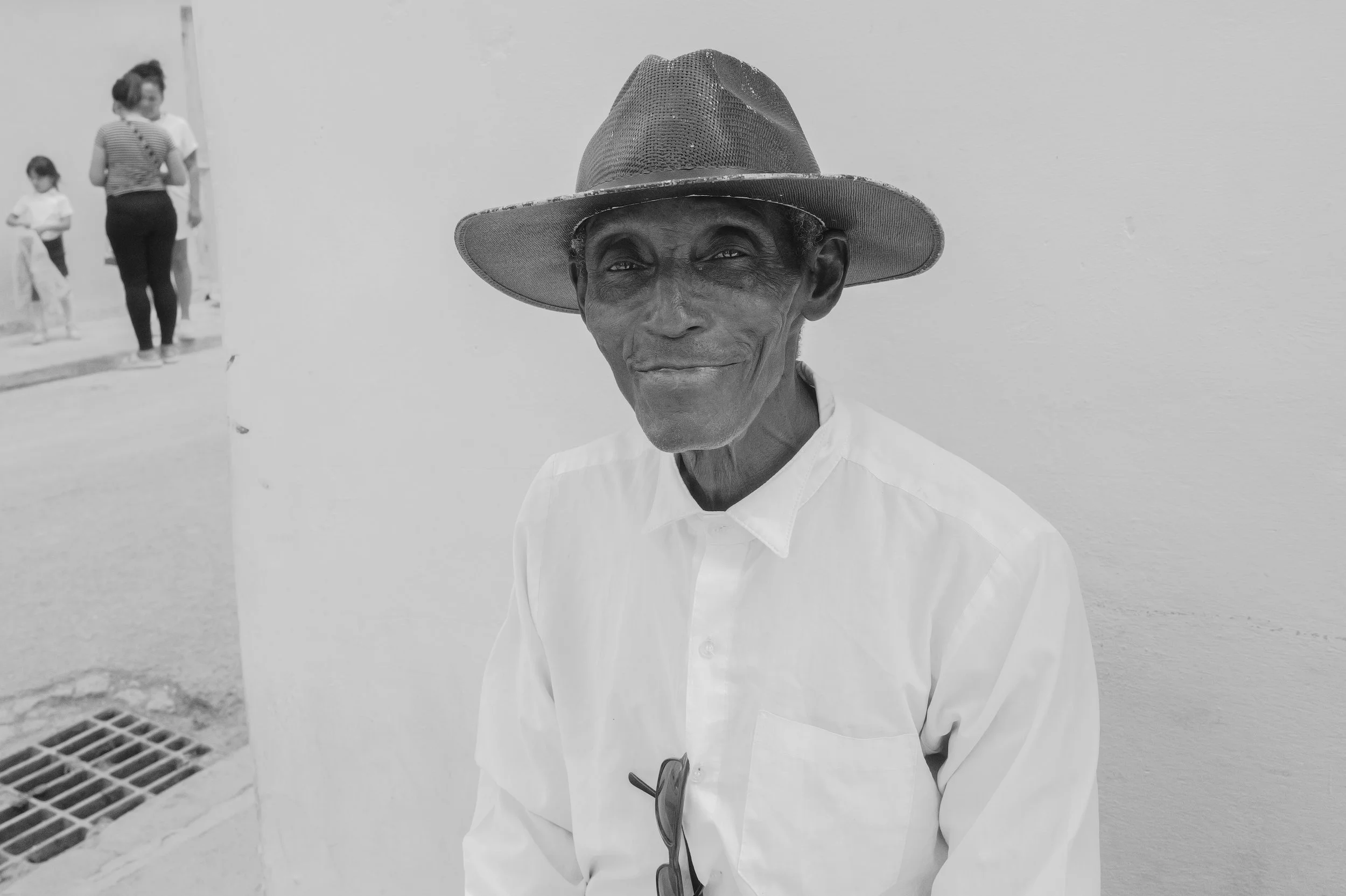
What struck David immediately was the nature of the teaching. There was almost no technical guidance. No discussions of settings or focal lengths or lighting ratios. The workshop focused entirely on experiencing the people of Cuba and attempting to catch their spirit in images. Close quarters. Wide angle. Black and white. The instruction was about being present and being brave rather than being technically correct.
It worked.
The people
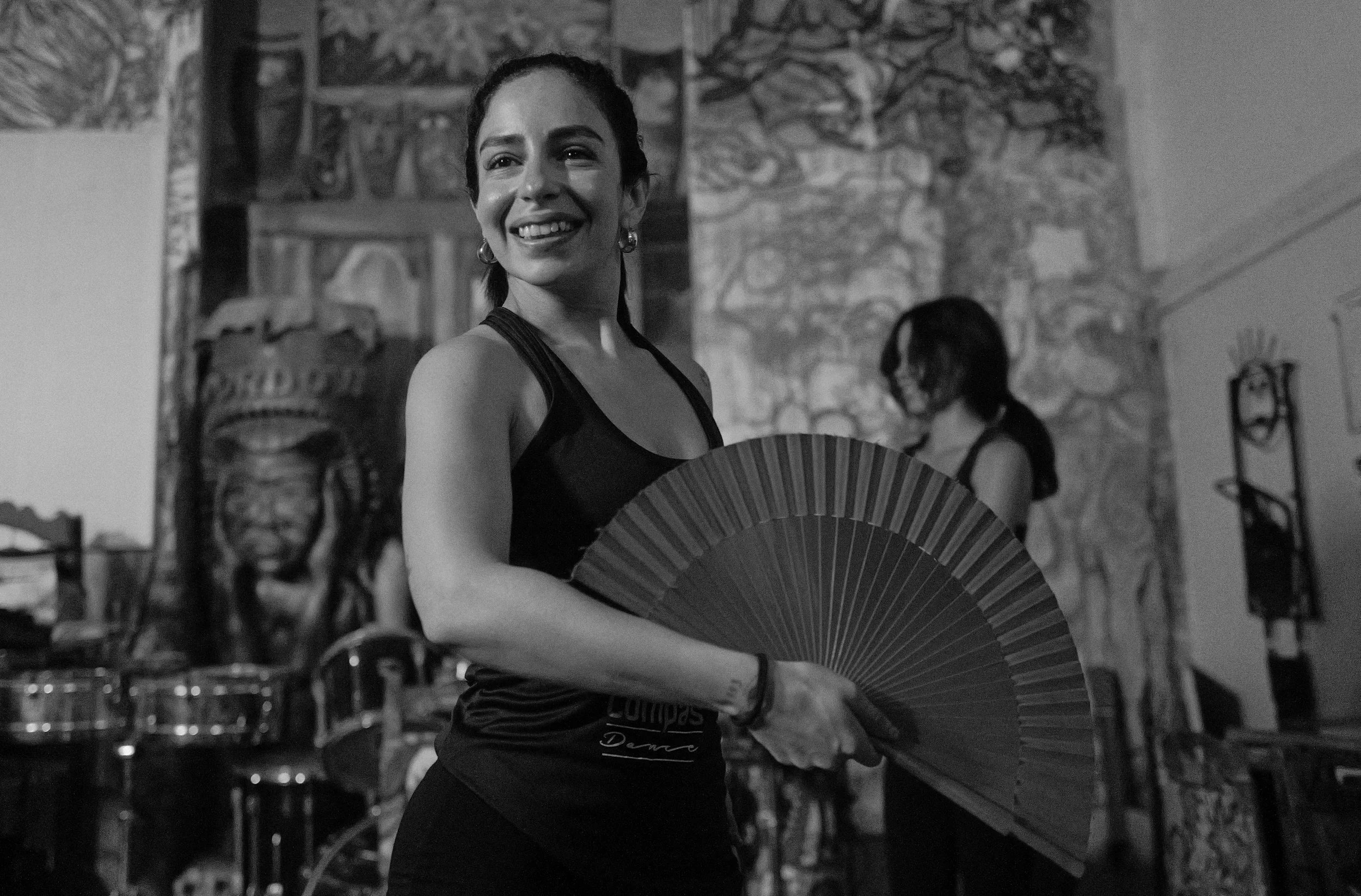
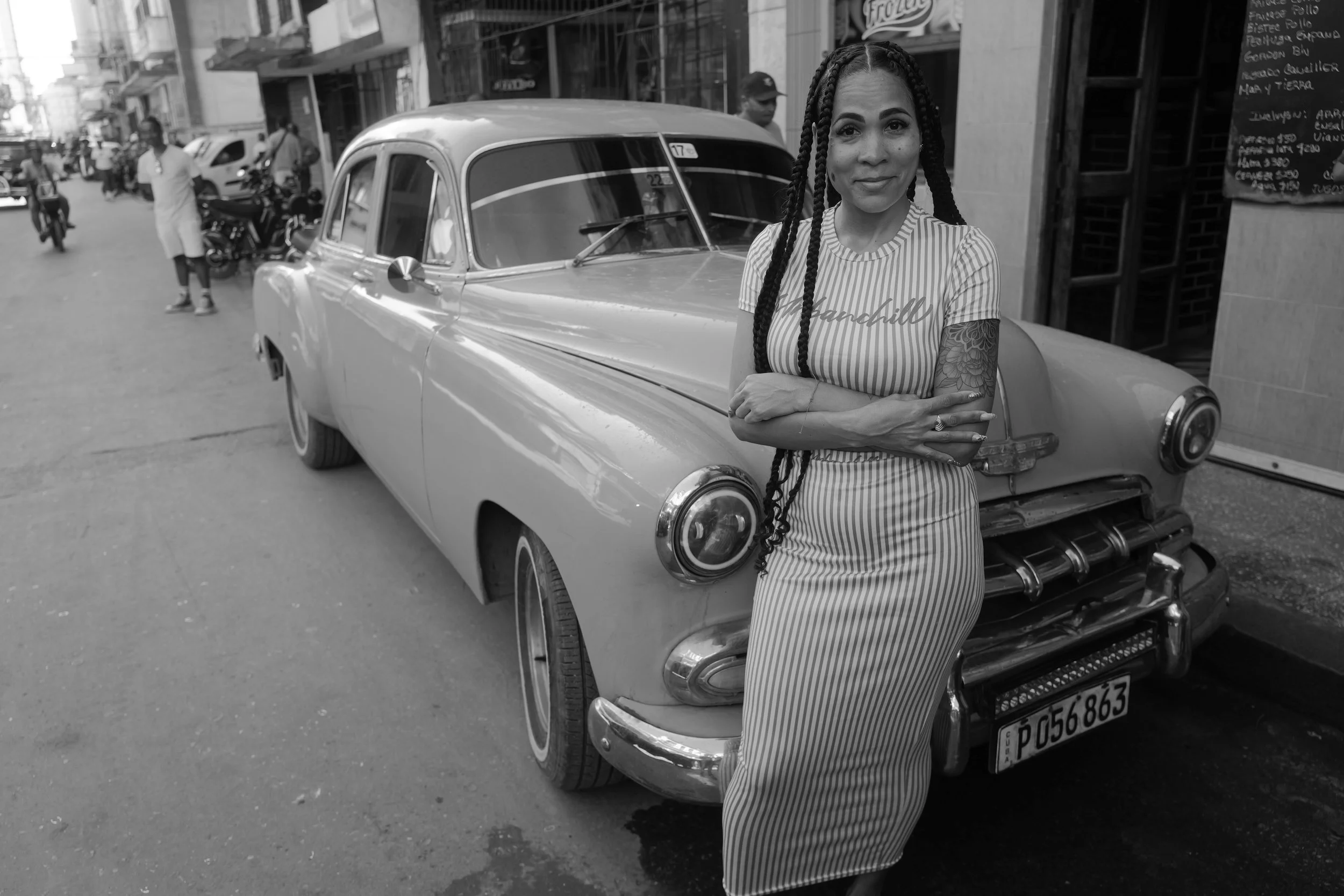
The range of subjects the workshop covered was wide. Workers and residents from cross sections of Havana neighborhoods. Farmers on a tobacco farm outside the city. A local dance company. A ballet rehearsal. Street scenes from multiple districts. The variety was part of the point. Cuba, despite its considerable difficulties, maintains a vibrant arts scene and a population whose emotional openness in front of a camera is remarkable.
David does not speak Spanish. He learned enough to ask permission before photographing anyone, a basic courtesy that opened more doors than he expected. Most people said yes. A few said no and he honored that without hesitation. The conversations were brief. The connections were not.
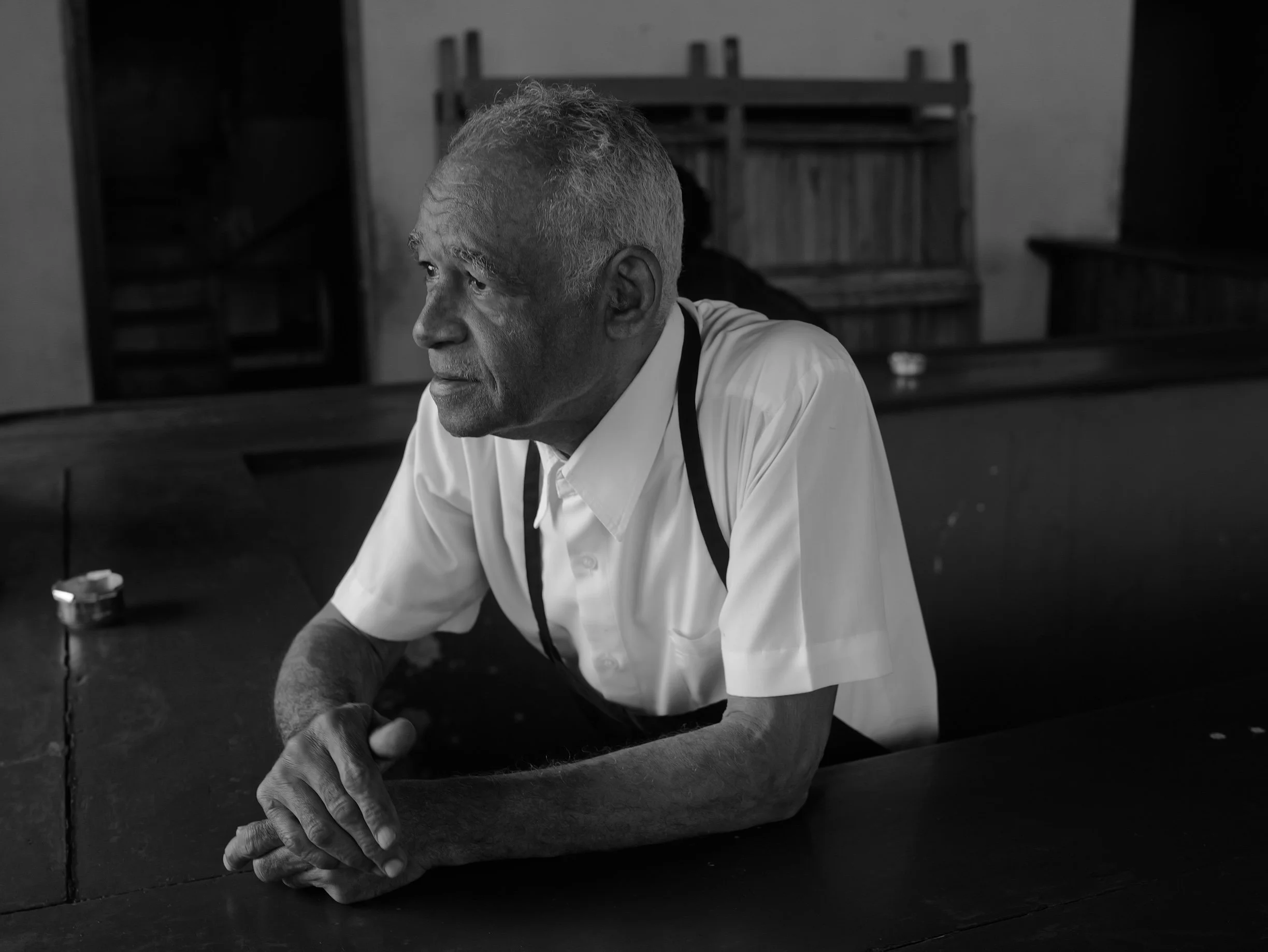
The Cuban people, he says, were literally ideal subjects for portraiture. They are emotionally open and that openness is in the photographs. You can see it. The faces in his images are not performing for the camera. They are simply present in a way that many photographers spend years trying to coax from their subjects and David found naturally on the streets of Havana because the people there gave it freely.
The hardest Photograph
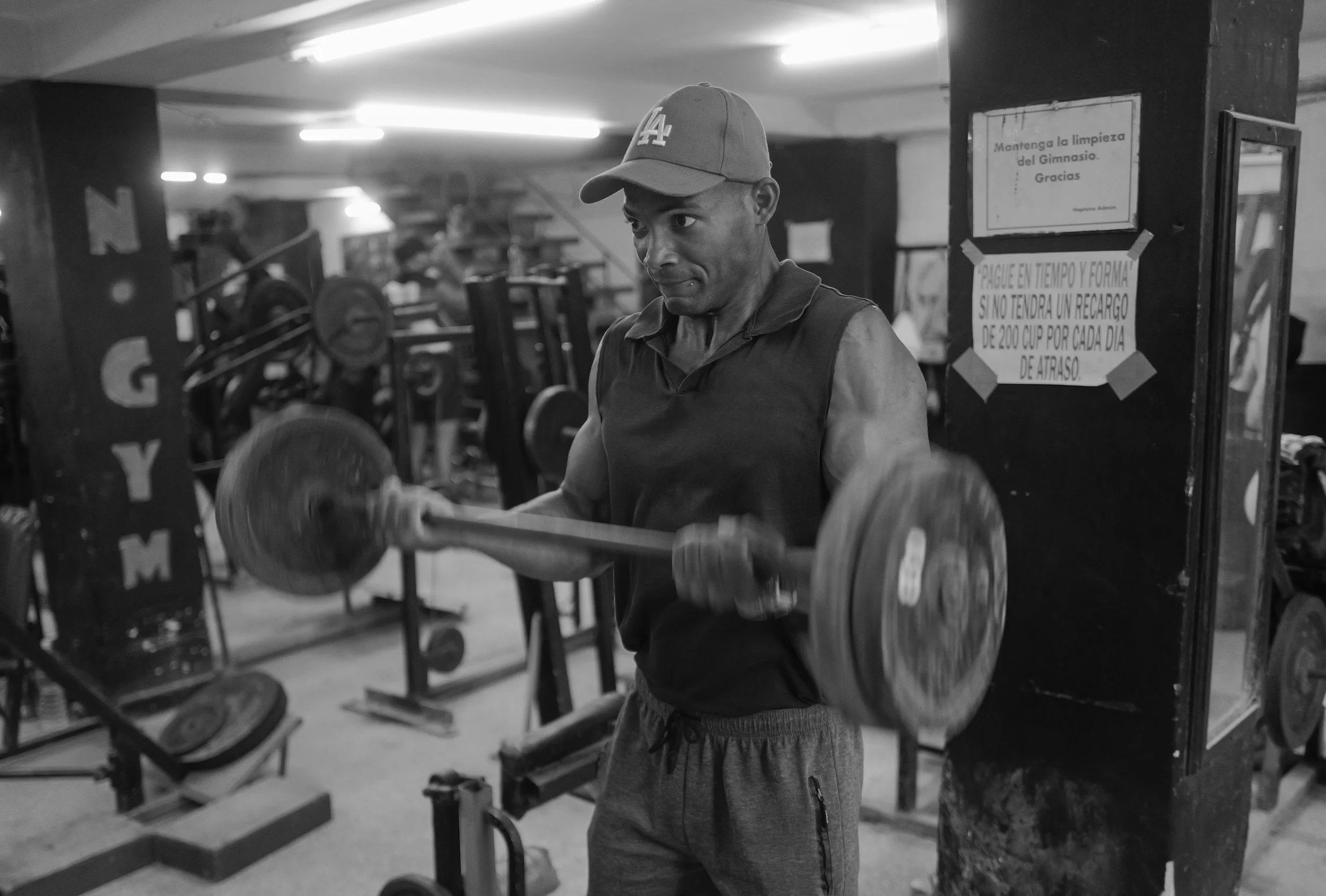
The image that required the most from him technically was made in a gymnasium. The space was small and crowded, the light was low, and the subjects were in constant motion. He used that motion deliberately. A long enough exposure to blur the weights being lifted while keeping the subject's face still. The blur became part of the image rather than a problem to be solved. It is the kind of photograph that requires you to stop fighting the conditions and start working with them.
Peter Turnley's encouragement through the difficult moments was direct and memorable. David shot thousands of frames across the week and was disappointed by many of them. Turnley kept saying the same thing. It just takes one. And he was right. When David had time to properly go through the images he found more than a few he was genuinely happy with. The ratio of successes to attempts was not what he had hoped for in the field. The final edit told a different story.
Manuel Almenares
One of the unexpected gifts of the week was meeting Manuel Almenares, a young Cuban photographer introduced to the workshop by Turnley. They met him at a workshop session and visited him at a gallery. Almenares is entirely self taught and works almost exclusively on black and white film. His street work and his series on children playing along the Malecon, the famous Havana waterfront, are immediately and obviously the work of someone with a genuine and personal vision.
David bought two prints. One street photograph and one from the Malecon series. The encounter was the kind of thing that only happens when you are fully in a place rather than passing through it. A workshop creates that kind of immersion. You are not a tourist with a camera. You are a photographer trying to understand something. That different posture opens different doors.
What the week gave him
David came home from Cuba with more than photographs. He came home with confidence in portrait work that he had not had before. Before Havana he focused mainly on street scenes, landscapes, and architecture. The human face at close range was territory he had mostly avoided. Turnley's workshop and the extraordinary willingness of the Cuban people to be seen changed that.
He is a New York photographer now in full. The city gives him something new every day. In summer he moves to an island in Maine where the light and the pace are completely different and the photographic challenges change entirely. Travel adds another layer. He is, as he puts it, addicted. He has so much learning left to do and he knows it and it makes him happy.
That is not a bad place to be.
You can check out more of Davids work on foto @memirrorless
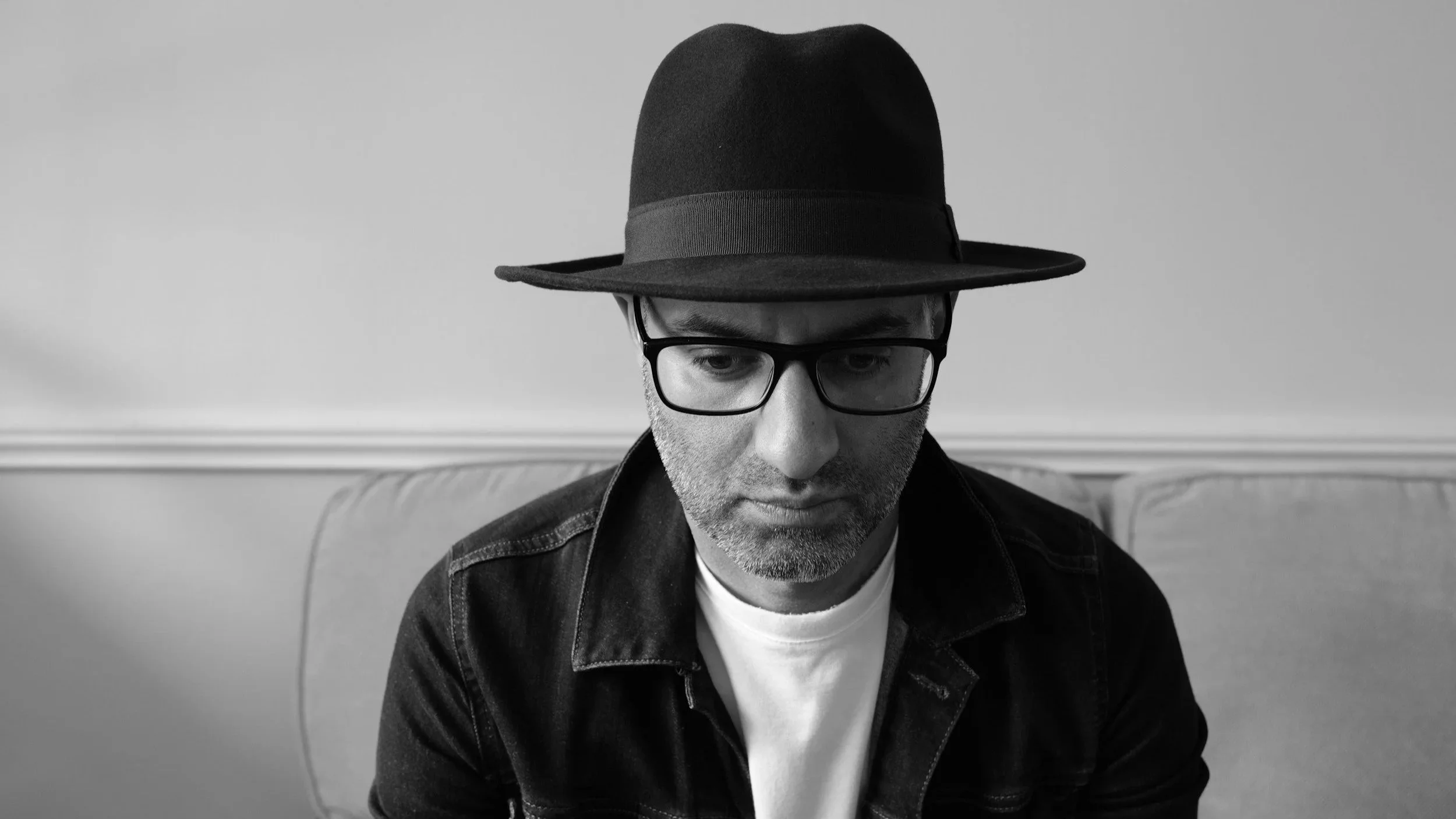
David Clark is a New York based photographer who began shooting black and white film at age ten. After a long career and a longer interruption, he returned to photography seriously three years ago following retirement. His practice spans street photography, portraiture, landscape, and architecture across New York City, coastal Maine, and wherever travel takes him.
Ready to see the world differently? The Monochrome Method is a complete video course with lessons and assignments designed to help you craft compelling black and white images and build a portfolio that's unmistakably yours. Start Learning Today.
IF YOU WOULD LIKE TO IMPROVE YOUR BLACK AND WHITE PHOTOGRAPHY TRY THE LESSONS BELOW.





A Beginners Guide To Black And White Photography