
Seven Reasons to Actually Upgrade Your Gear
Wanting the newest thing is not a reason. Here are seven that are.
The photography industry runs on upgrade anxiety. Every new camera announcement comes with a list of improvements designed to make whatever you are currently shooting feel inadequate. Better autofocus. Higher resolution. Improved dynamic range. A new sensor architecture that renders everything before it obsolete. The message is always the same. What you have is not enough. What is coming next will fix that.
Most of the time this is noise. The camera you own is almost certainly capable of producing better work than you are currently getting from it and the gap between your current results and your potential results has very little to do with the sensor generation. Buying a new camera because it is new and exciting and you want it is a completely human impulse and there is nothing wrong with acknowledging it. But it is not a reason to spend a significant amount of money. It is a feeling. Feelings pass. Credit card statements do not.
That said there are legitimate reasons to upgrade your gear. Not many but they exist. Here are seven of them worth thinking about honestly before you make a decision.
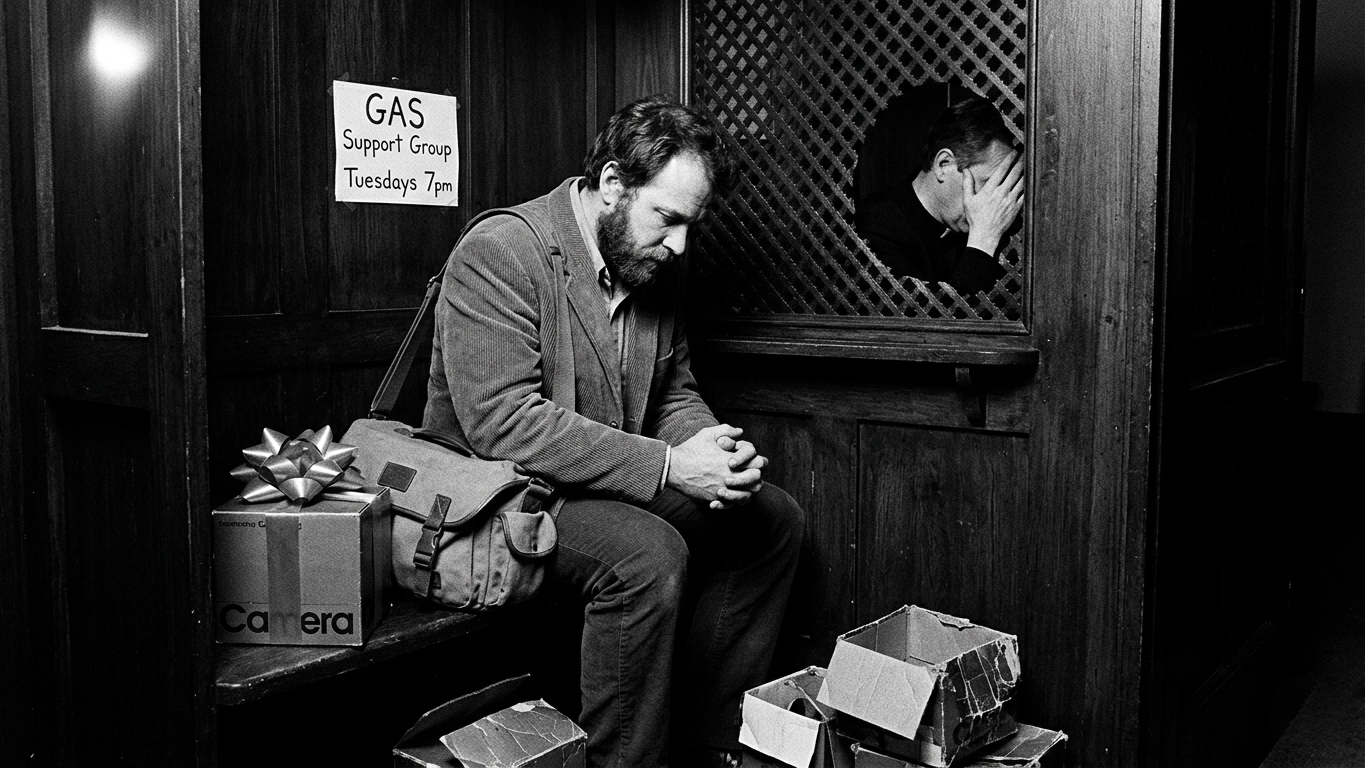
1. The ergonomics are working against you
This one almost never gets discussed and it should. The way a camera feels in your hand affects everything downstream. How long you shoot. How comfortable you are in difficult situations. Whether you actually take it with you when you leave the house or leave it behind because picking it up feels like a chore.
A camera that fits your hand well and puts the controls where your fingers naturally fall disappears when you are shooting. You stop thinking about operating it and start thinking about the photograph. A camera you are physically fighting never fully disappears. If you find yourself consistently hesitating to pick the camera up because it is uncomfortable to hold or awkward to operate that is a real and legitimate problem. Ergonomics are not a luxury consideration. They are a practical one.
2. Your gear is making you self conscious in situations that matter
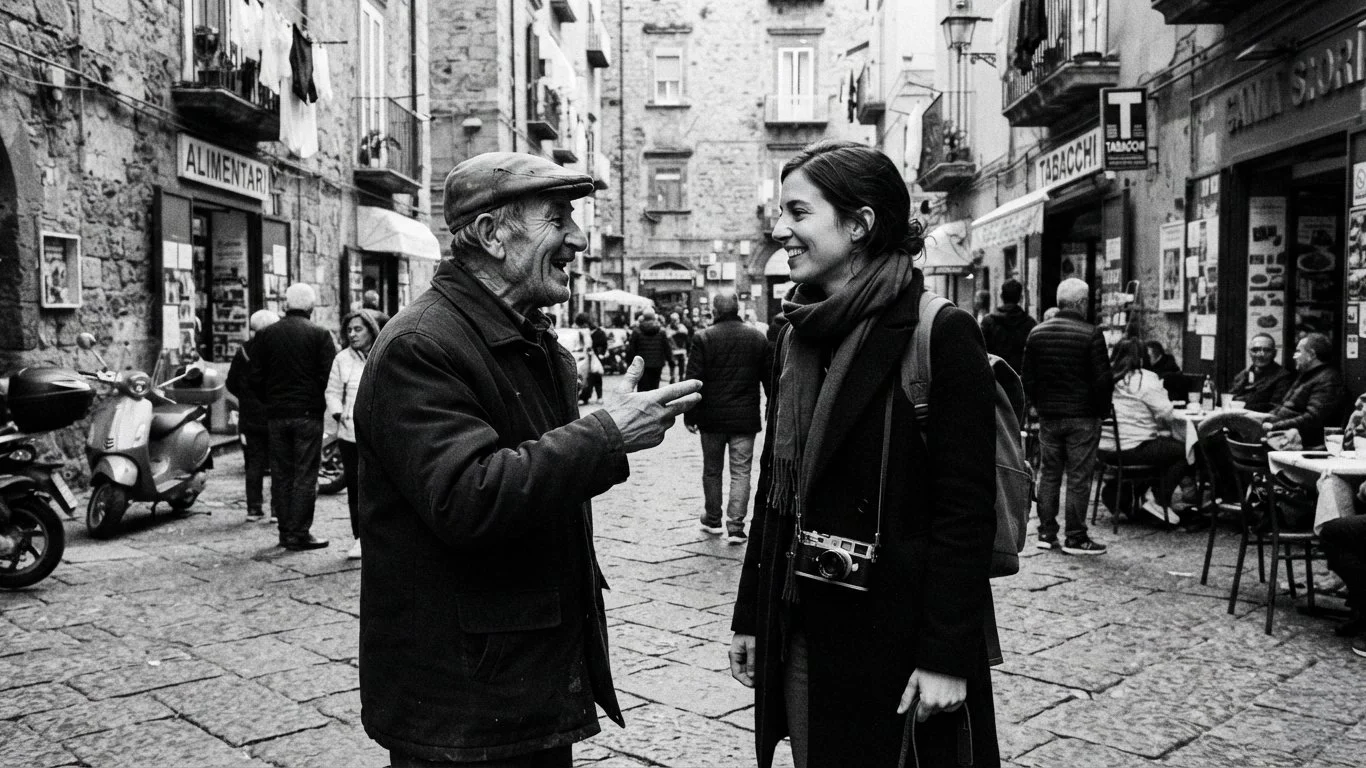
The size and appearance of your camera changes the dynamic of every situation you walk into with it. A large professional body on a crowded street or in an intimate setting with strangers can close doors that a smaller, less conspicuous camera would leave open. The person who might have let you photograph them with a quiet rangefinder or a small mirrorless body may feel uncomfortable with a large DSLR pointed at them.
This works in both directions. If you are working in situations where a certain level of professional appearance matters, a client shoot or an assignment, a consumer body can work against the confidence your client needs to feel in you. If the mismatch between your gear and your working environment is consistently affecting the quality of access you have or the dynamic of your encounters that is worth taking seriously.
3. You have stopped experimenting because you know the limitations too well
This is the most subtle one on the list and possibly the most important. When you know a camera's limitations completely you start making decisions in the field based on what you already know will not work. You stop trying things in difficult light because you already know the result. You stop pushing into situations that challenge the gear because experience has taught you where the edges are.
A new camera with different capabilities and a different operating logic can force you to think differently simply because you do not yet know where its edges are. The unfamiliarity is not a disadvantage. It is an opportunity to stop pre-editing in your head before you press the shutter and start actually experimenting again. Some photographers find that a new tool resets their approach to their work in ways that have nothing to do with the technical specifications.
4. The gear is not inspiring you to go out
This one sounds shallow and it is worth examining honestly before you use it as a justification for an unnecessary purchase. But it is real. If you open your camera bag and feel nothing you are less likely to pick the camera up. If a camera gives you genuine pleasure, if the feel of it and the way it operates excites you in a way that makes you want to go out and use it, you will shoot more. More shooting means more photographs. More photographs means more growth and more chances to make something worth keeping.
The emotional relationship between a photographer and their tools is underrated as a factor in how much work actually gets made. A technically inferior camera that you love and carry everywhere will produce more good work over time than a technically superior camera that sits in a bag because picking it up feels like a task.
5. Your subject matter has changed but your gear has not
Photography practices evolve. A photographer who started with landscape work and has moved toward street photography has different needs than they did when they started. Someone who has shifted from controlled studio work to documentary has different requirements. Fast and reactive work demands different things from a camera than slow and deliberate work.
If your gear was optimized for what you used to do and is actively working against what you do now that is a legitimate reason to reassess. The mismatch between the work you are making and the tools you are using to make it is a real friction that compounds over time. Solving it is not indulgence. It is removing an obstacle.
6. The weight is stopping you from taking the camera
The best camera is the one you have with you. This has been said so many times that it has become a cliché but it is still true. If your current kit has become heavy enough that you consistently leave it behind on the kinds of outings where you would otherwise have made photographs, that gap between what you carry and what you leave behind is where your best work is disappearing.
A lighter and more portable option that you actually take everywhere is more valuable than a technically superior option that stays at home because you did not want to carry it. This is especially worth considering as your practice matures and the situations you want to photograph become more varied and less predictable. The camera you have with you at an unexpected moment is worth every technical compromise.
7. The limitation is genuinely the gear and not the photographer
This one requires the most honesty because most of the time the limitation really is the photographer and not the equipment. Upgrading gear as a response to vague dissatisfaction with your work is almost always the wrong move. The dissatisfaction will follow you to the new camera.
But occasionally and genuinely the limitation is the gear. If you can clearly and specifically articulate a type of image you are consistently unable to make because of a specific technical ceiling in your current equipment, and you have good evidence that different gear would actually solve that specific problem, that is a real reason. The key is the specificity. Not a general feeling that your images could be better. A specific and demonstrable technical limitation that is preventing a specific kind of work you are ready to make.
If you can make that case honestly to yourself the upgrade is probably worth it. If you cannot make it specifically and concretely it is probably the other kind of upgrade. The kind that feels good for about three weeks and then leaves you looking for the next thing.
Ready to see the world differently? The Monochrome Method is a complete video course with lessons and assignments designed to help you craft compelling black and white images and build a portfolio that's unmistakably yours. Start Learning Today.
IF YOU WOULD LIKE TO IMPROVE YOUR BLACK AND WHITE PHOTOGRAPHY TRY THE LESSONS BELOW.







A Beginners Guide To Black And White Photography